
Article Summary:
- Problem: Coffee processing generates large volumes of pulp/skin byproduct that can pollute water if mismanaged.
- Context: Most coffee is grown by smallholders in remote areas with limited infrastructure, shaping processing choices.
- Main reuse paths: compost/fertilizer; cascara (dried tea); food products (jams, flour at low inclusion); animal feed (low rates); industrial extracts.
- Barriers: perishability; drying/transport/logistics; limited farmer access to markets; niche consumer demand; higher costs.
- High-impact actions: farm-level composting training; small-scale cascara drying; aggregation hubs/cooperatives; targeted market pilots.
- Bottom line: Upcycling is feasible but scale-limited, prioritize practical on-farm solutions and cooperative processing over immediate mass-market rollouts.
Trending Downwards, Coffee Upcycling
Coffee supply chain
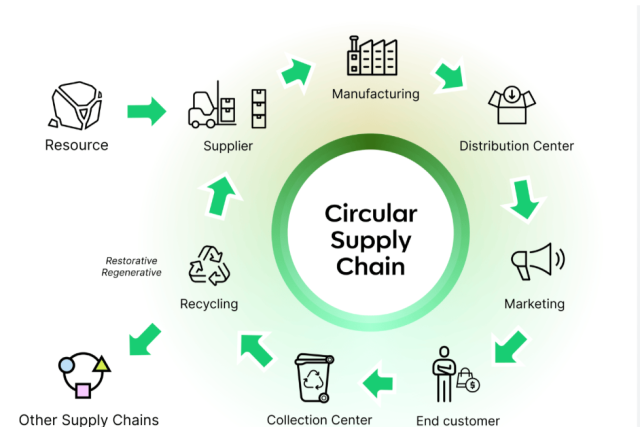
Virtually all supply chains have byproducts, waste that is a result of steps to obtain a final product. Coffee is no exception.
Coffee is frequently grown and processed in extremely rural places in the world, with little access to healthcare, cell signal, fertilizers etc. Large estates in places like Brazil are the exception to this but not the majority. Because of the diversity of growing conditions, production methods can vary widely.
There are five primary steps to coffee harvesting depending on the type of method, but all will have the same byproduct at the end. For this piece, we will be focused on discussing by-products at coffee growing origins.
Coffee is a seed that is surrounded by pulp and an outer layer of skin. During coffee processing, keeping or removing the pulp is utilized to impact flavor. When removing the pulp (such as in washed processing) producers create flavors that are clean, citrusy and often caramel-like. In other methods, like natural and honey processing, either all or part of the pulp is retained to support fermentation to create berry and even candy-like flavors at time.
In either case, the by-product of processing is a mix of leftover coffee skin and pulp. It is either washed off or mechanically removed. During washed processing, the skin and pulp creates an acidic quality to the water and when that is recycled back into say a river, nearby, it can damage the natural habitat.
Accessibility to coffee farms can be a challenge in production logistics. Often, in some of the remote regions of the world rough roads and no cars are normal; there must be context to the questions we are asking regarding processing styles, and waste and water management. Some places like Kenya, rivers are readily available all over the country, with so much accessible water, double or even triple washed is relatively common. Other places have less access to water but because there is so much rain or high humidity, it is not ideal for farmers to naturally processing their coffee without the proper amount of sun. So many factors play into why a farmer chooses one or another type of processing, environment, economical, marketing, experience etc. This clarification is included to help explain why a produce might choose not do the method that impacts the environment the least? Byproducts in the food industry are often wasted, but not always. In the decaffeination process water is used to remove the caffeine from the coffee, the caffeine is then isolated and sold to companies that put caffeine in other beverages such as cola. In the wine industry, grape seeds are a massive byproduct from the production, some companies have begun projects to breathe new life into and repurpose it into plant fibers or even new food products like peanut butter and sunflower butter replacements.
Over the years, there has been continuous research on the types of usage of coffee pulp and husks. Animal feed is a commonly researched one, but this has its limitation and can only be added in low percentages to feed. When higher proportions are mixed into feed, they found the animals to lose weight and lose their appetite.
Another option is composting the material. Pulp is very nutrient-rich and high in nitrogen and potassium along with other minerals. It is a relatively common practice for farmers to toss pulp on the soil next underneath their plants. When piling the pulp into giant mounds, it heats high temperatures to decompose. For coffee pulp to break down properly in a pile like this it must be in a specific size, consistency and with the right organic content. Pelusa is the term for ground up parchment once it’s been remove, it has a fluffiness that actually makes it a great addition to pulp mounds to decompose properly. I imagine it could be possible that the use of byproducts as fertilizer might protect plants against pests due to the fertilizer having caffeine from the pulp and shell of the plant.
Other uses include making cascara; this is when the pulp and skins are dried to make a tea. It is brewed with hot water, and can be used for syrups and even kombucha. Usage of cascara in specialty coffee settings is more and more common but it is very difficult to export in large quantities due to the processing and delicate nature of drying and potential for spoilage. Cascara in flavor is very apple like, sweet and overall, a more subtle flavor profile.
Both composting and cascara can be done on the farm, with minimal equipment and a little bit of training.
There are multiple analyses on the potential for coffee cherry to become jams, jelly, puree and flour. Jams and jelly are both easy to create and have long term storage. Farmers do not need expensive equipment to create jams/jellies and the recipes and instruction are very easy to follow. A sensory study was conducted to explore reactions to the jelly cascara product. Overall, it was considered a positive experience for tasters with the exception of some noting a strong sweetness, fermented taste with a slightly bitter note in the aftertaste.
Another study found that coffee pulp can be used to make flour up until a certain amount. Gluten-free bread can withstand 3-4.5% coffee pulp flour without any negative influence baking. In 2021 scientists explored the addition of coffee pulp in Baladi bread, a national Egyptian bread and found that in the 5-10% range it was comparable to the original with 15% rated good overall and a sharp decline in flavor and appearance at 20%.
Realities of upcycled products
The marketability of upcycled coffee items can be marketed to consumers that are concerned about the waste in the supply chain and focused on their impact as consumers. This would likely be exclusive to high end consumers, with the appropriate uptick in cost due to the nature of expense associated with sustainable food supply chains.
There are companies out there creating these products already. Bread companies, cascara extract, cascara prebiotic soda, etc. Some hail that is an ingredient for snack bars, syrups, confectionery sugar and baked goods.
A multinational coffee importer released a new cascara extract product roughly 6 years ago with a promise of a new sustainable superfood. With six years available to the market, and no visibility in the grocery aisles, or even the specialty grocery stores, what could this mean?
It could mean a few things, for starters, 6 years ago a pandemic hit and coffee were ridiculously hard to get hold of for upwards of a year. Inventory was low, coffee prices were hiking from the shipping crises. When the relief hit the market some years later, was there an increase in interest? Or did it die with logistical issues? Or perhaps the lack of market for it?
Even this past year, high volatility in the c-market spiked prices and increased costs for consumers. With economic upside going towards AI and not the workforce, plus the challenges of inflation, etc., how will people afford their necessary cappuccino in the morning let alone an expensive non-essential beverage?
As for farmers, who has access to sell cascara to exporters? Most coffee producers are small plot producers in rural coffee growing regions that make travel extremely difficult. Many folks have to move coffee themselves, by goats, donkeys or by hand pulled carts. This obviously isn’t the case everywhere, say Brazil for example, with large estates situated all over the country the infrastructure can likely more easily handle the extra production and transportation needed to sell cascara. But cascara is a fermented product, goes bad quickly and coffee cherry will take priority for the equipment to process because it also goes bad quickly. It is likely those to have access to this are already involved in a larger coffee operation with efficient roads which is by no means bad, just represents a small portion of the coffee growers in the world.
I’m not saying that there isn’t space for an upcycled coffee product, I’m saying the market isn’t prepped for it. Was the market ready for Oatley in 2000? No, it wasn’t, but with the rise of veganism, ‘conscious consumerism’ and desire for options beyond soymilk, the market was ready to be introduced one by one in specialty cafes. An expensive and multi-year marketing campaign began to catch fire so rapidly and vastly, that Oatley now stands as a household name in the marketplace.
What is often a well-intentioned idea, end up with a half-baked execution due to no real knowledge of the consumer. Who cares about coffee byproducts? Likely consumers of coffee. Who wants to give up their caffeine quote via coffee through another product? Not coffee drinkers. So where do you land selling these products?
High end, expensive grocery shoppers who have no real attachment to coffee but would like a caffeine option. With roughly 2/3 of people in the U.S drinking coffee, who falls under that category? We could talk about the overlap of health-conscious consumers and those needing a large intake of caffeine to perform in their daily lives. Perhaps college students and health professionals? Blue collar workers might desire health-conscious caffeine options but can they afford the high sticker price? The same logic goes for college students, save for the lucky few who are well-funded;, most can’t afford this product.
Maybe it’s the cynic in me, maybe it’s the coffee-addict in me. But the logic for the backing of funding in businesses and research into these projects seem to be served better places if you want to improve the coffee community. What about agriculture educational programs for farmers to get better pricing? Or teach composting practice and provide incentives via organic or regenerative certifications?
In my mind, there are still more questions than answers when it comes to effective upcycling in the current coffee supply chain. But that doesn’t mean it’s not important to ask those questions.

Latest Articles by Isabella Vitaliano
Ethiopia Green Coffee Export Review
Ethiopia remains coffee's genetic homeland and one of its most iconic origins, prized for bright, juicy cups with dazzling clarity. With a record 11.56 million bags produced in 2025/26 and...
Uganda Green Coffee Export Review
Uganda ranks among the world's top 10 coffee producers, with Robusta making up roughly 80% of its output and Arabica the rest. As a landlocked country routing exports through Kenya's...
Kenya Green Coffee Export Review
One of the most sought after origins in specialty coffee, its profile has iconic savory notes like tomato and punchy acidity.