
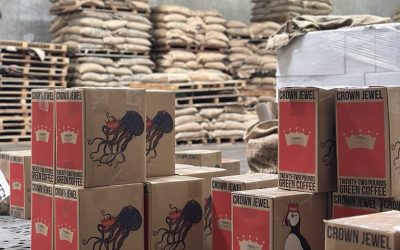
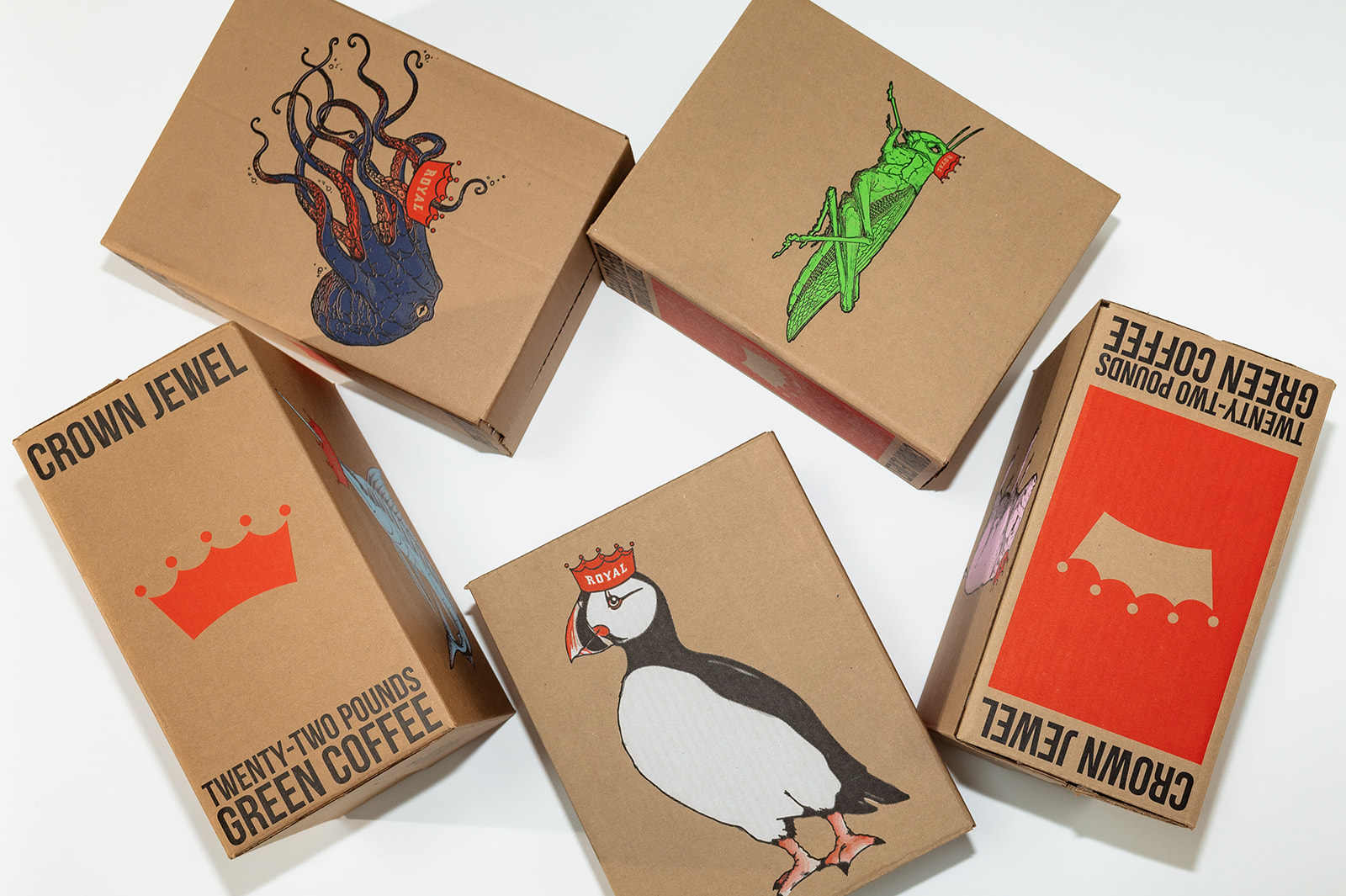
Get an early look at the Crown Jewel coffees arriving through the end of 2026, from Ethiopian naturals and rare Guatemalan cultivars to Colombian co-ferments and new origins in Asia.

Get an early look at the Crown Jewel coffees arriving through the end of 2026, from Ethiopian naturals and rare Guatemalan cultivars to Colombian co-ferments and new origins in Asia.
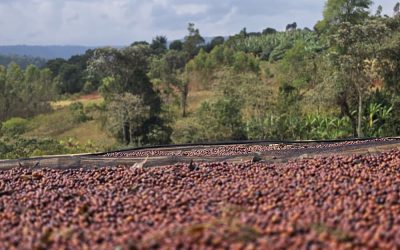
Ethiopia remains coffee’s genetic homeland and one of its most iconic origins, prized for bright, juicy cups with dazzling clarity. With a record 11.56 million bags produced in 2025/26 and exports moving primarily through Djibouti’s port, the country’s smallholder-and-cooperative model continues to deliver standout lots from Yirgacheffe, Sidama, Guji, Harar, and beyond even as fuel shortages and rising cherry prices test the supply chain.
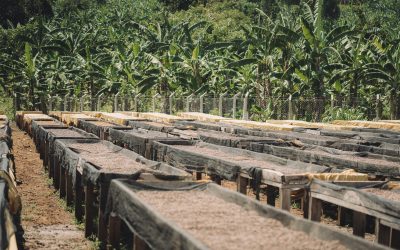
Uganda ranks among the world’s top 10 coffee producers, with Robusta making up roughly 80% of its output and Arabica the rest. As a landlocked country routing exports through Kenya’s port of Mombasa, Uganda has long been known for heavy-bodied, chocolate-forward cups but a new wave of specialty lots is revealing floral, tea-like, and fruit-forward profiles rarely associated with the origin.

We expected a quick visit. Instead, it became one of the most memorable moments of the entire trip.
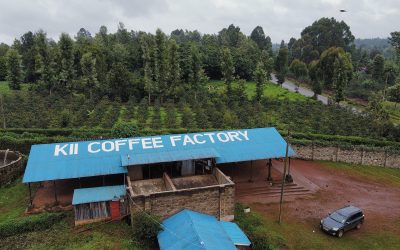
One of the most sought after origins in specialty coffee, its profile has iconic savory notes like tomato and punchy acidity.
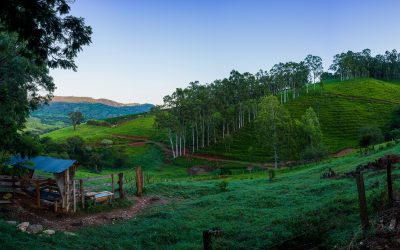
New crop Brazils won’t land until October or November, that’s just the harvest calendar. But spot availability on Brazil macrolots has tightened this summer, and roasters waiting until fall are finding a thinner market. Here’s why it’s worth booking your coverage now
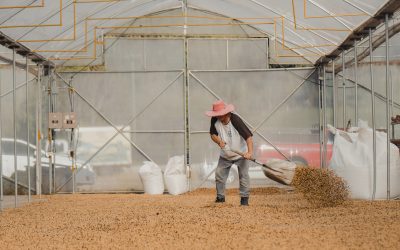
Well known for organic coffee production, eco-tourism, and modern processing culture dominated by top quality honeys and naturals, Costa Rica contributes a little over a million 60kg bags annually to the world’s volume of coffee, making up less than 1% of total annual global production. Despite this, coffee remains a very important crop to the economy of the country with coffee exports valuing at over $422 million dollars in 2024.

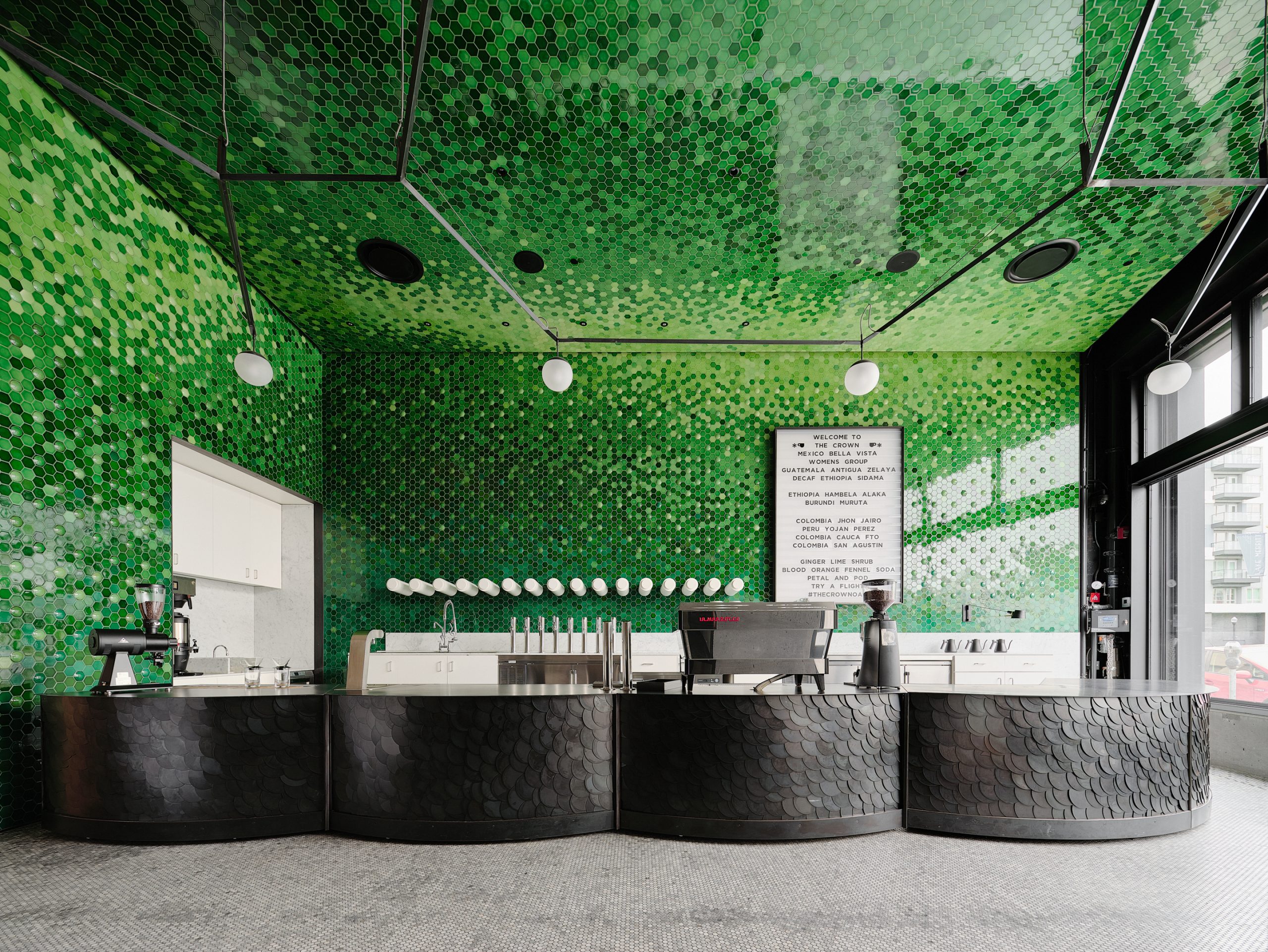
We’ve long maintained that tariffs were not just a tax on U.S. businesses, but on the American people. We’re finding creative ways to try and pay back that debt to our customers at The Crown. What? Starting on July 1, 2026, we’ll be reducing our menu prices by 25 cents on every coffee drink...

CBP has begun returning IEEPA duties on green coffee. Royal Coffee is now issuing IEEPA Tariff Credits to the customers who paid those tariffs.
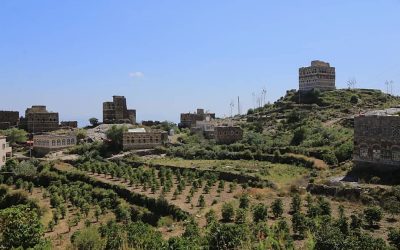
Yemen is where commercial coffee cultivation began, and where it remains among the rarest and most prized in the world. An arid climate, heirloom varieties, and traditional natural processing produce deeply distinctive cups, while war, water scarcity, and tiny production volumes make every lot hard-won. Here’s a look at Yemen’s growing regions, cultivars, and why Royal’s airfreighted selections are worth the wait.
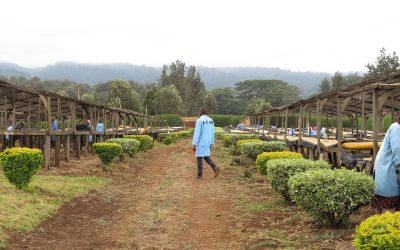
Tanzania may be a niche origin, just 0.8% of global production, but it punches well above its weight in the specialty market. From the legacy Bourbons of the Northern Highlands to the peaberry lots that built its US reputation, here’s what buyers should know about Tanzania’s growing regions, cultivars, and 2026 export outlook.
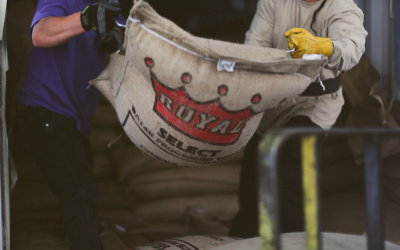
By Isabella Vitaliano and Chris Kornman Article Summary Direct Trade originally popularized by specialty roasters in the late 1990s to improve transparency and relationships with producers, the term suggests direct communication and pricing agreements between roasters and farmers. In practice,...
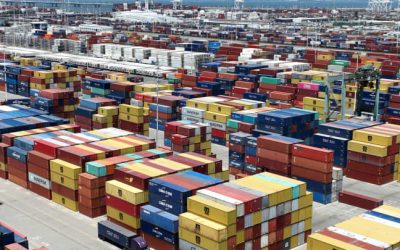
Understand the difference between Intend Ship Date, ETA, and Expected Delivery, plus real transit averages by lane to help you plan your green coffee purchasing with confidence.
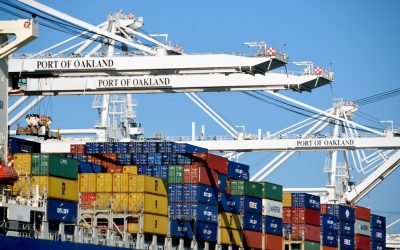
CBP’s new CAPE refund portal is live, and Royal Coffee has filed its Phase 1 claims. No refunds have been issued to date, and timing at the customer level remains unconfirmed. Here’s where things stand.
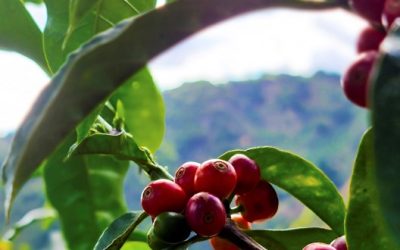
Article Summary: Microlot is a third wave term and represents highly traceable coffee in the 7-50 bag range. Elevation, processing techniques, cultivar, farm name, region, farm size producer name, producer story and more are all elements that can be provided when purchasing a microlot...