
Crown Jewel Ethiopia Anaerobic Natural Lemongrass Co-ferment Banko Chelchele
40655-1 – SPOT RCWHSE$351.68 per box
Boxes 87
Warehouses Oakland
Flavor Profile Lemongrass, blueberry, jammy, marzipan, nectarine
Check out our Guide to Ethiopian Coffee Grades
Add to your artisan.plus account: 
 Download PDF
This coffee comes from smallholders in the Chelchele area, part of the Gedeb district in southern Gedeo Zone, where some of Ethiopia’s most complex and aromatic naturals come from year after year.
22lb Boxes
Spot


Overview
Overview
This is a high-intervention anaerobic natural coffee, co-fermented with lemongrass, from Chelchele, Ethiopia, produced by smallholder farmers organized around the Banko Chelchele washing station and EDN.
The flavor profile is sparkling and herb-forward, opening with notes of 7Up and honeydew, layered with sweet caramel, dates, and pickled ginger. The finish lingers with floral tea, goji berry, red currant, and plum.
Our roasters found it runs hot and colors fast, so ease off the heat for a lighter development that lets the lemongrass clarity shine.
When brewed, we found it to be remarkably versatile, capable of leaning rich and full-bodied or delicate and sweet.
Taste
Taste Analysis by Isabella Vitaliano
Ethiopia co-ferments are wildly rare and of this caliber, ever more so. This coffee shines on the cupping table; although it is a co-ferment, it won’t overwhelm the senses like some other co-ferments. You might be familiar with the co-ferments in our Crown Jewel range coming from Colombia. Most of those are co-fermented with fruit and use ‘mossto’ or the leftover pulp and water from previous fermentations. Extra sugars in those liquids really encourage an entourage of flavors. This, like the rue co-ferment, uses herbs instead of fruits, and because of this, the flavors are much less cartoonish.
On the cupping table, we got flavors like 7Up, honeydew, sweet caramel, dates, and pickled ginger. There are also notes of floral tea, goji berry, red currant, and plum. A sparkly coffee meant to shine on the coffee bar with really whatever brewing method you deem fit. I’m particularly fond of this coffee.
Source
Source Analysis by Charlie Habegger
Gedeb’s Significance and Coffee Profiles
The district of Gedeb takes up the south-eastern corner of Ethiopia’s Gedeo Zone—a narrow section of plateau dense with savvy farmers whose coffee is known as “Yirgacheffe”, after the zone’s most famous district. Gedeb, however, is a terroir, history, and community all its own that merits unique designation in our eyes. Coffees from this community, much closer to Guji Zone than the rest of Yirgacheffe, are often the most explosive cup profiles we see from anywhere in Ethiopia. Naturals tend to have perfume-like volatiles and fully washed lots are often sparklingly clean and fruit candy-like in structure.
The municipality of Gedeb itself is a is a bustling outpost that links commerce between the Guji and Gedeo Zones, with an expansive network of processing stations who buy cherries from across zone borders. These processors (and we would agree) would argue their coffee profiles are not exactly Yirgacheffe, but something of their own. The communities surrounding Gedeb reach some of the highest growing elevations for coffee in the world and are a truly enchanting part of the long drive into Guji. Banko Chelchele is one of the communities in eastern Gedeb and includes numerous local cooperatives, as well as independent processing stations of various types, like this one.
EDN Ethiopian Coffee
EDN Ethiopian Coffee is an independent processor and exporter of coffee with processing sites in Guji, southern Yirgacheffe, and Sidama. The coffee was processed at the group’s site in Banko Chelchele, one of Gedeb’s most prolific coffee producing areas.
The Banko Chelchele site employs over 200 people during harvest months to manage the continuous rotating and sorting of sundried cherry and parchment, as well as all other intake, payment, security, and inventory operations. Being a processor for EDN is much more than transactional—they prefinance all their contributing farmers, provide educational resources, daily meals and lodging for staff. Amenities like these are both a gesture of care and acknowledgment of the potential instability inherent to small-scale farming. They are also strategic, since many processors in the area compete for farmer loyalty, and important for the sustainability of coffee and its workforce in the area.
Processing at Banko Chelchele
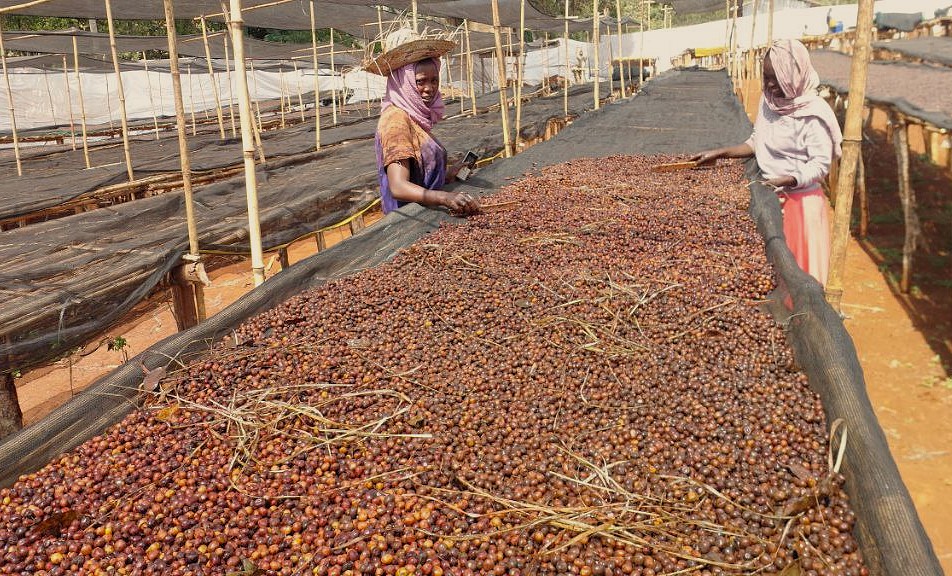
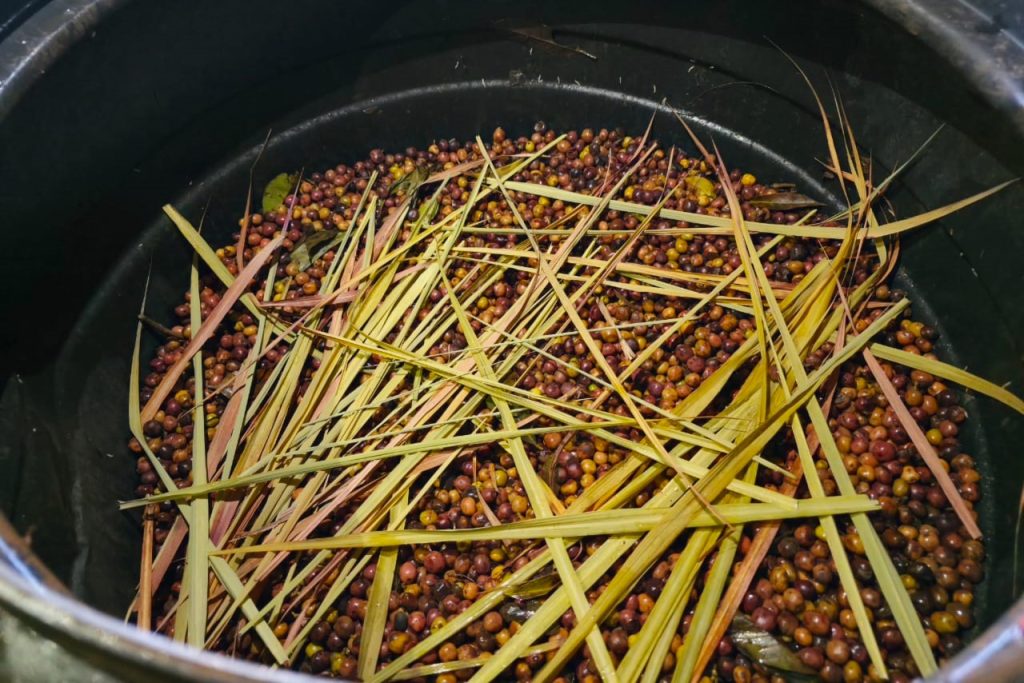
Normally, naturals at the Banko Chelchele station are hand-sorted upon delivery and moved directly to raised screen beds to sun-dry. In the case of this special microlot, fresh cherry is sealed into carbon fiber drums with fresh cuttings of local rue and left to ferment anaerobically (deprived of fresh oxygen) for 10 full days between 15-18 degrees Celsius. This stage allows the sugars in the fruit to develop far beyond where they would in a traditional natural without the risk of over fermenting. The addition of the local herb infuses the cherry must that surrounds the fruit and creates new aromatic esters in the fermentation that wouldn’t otherwise form.
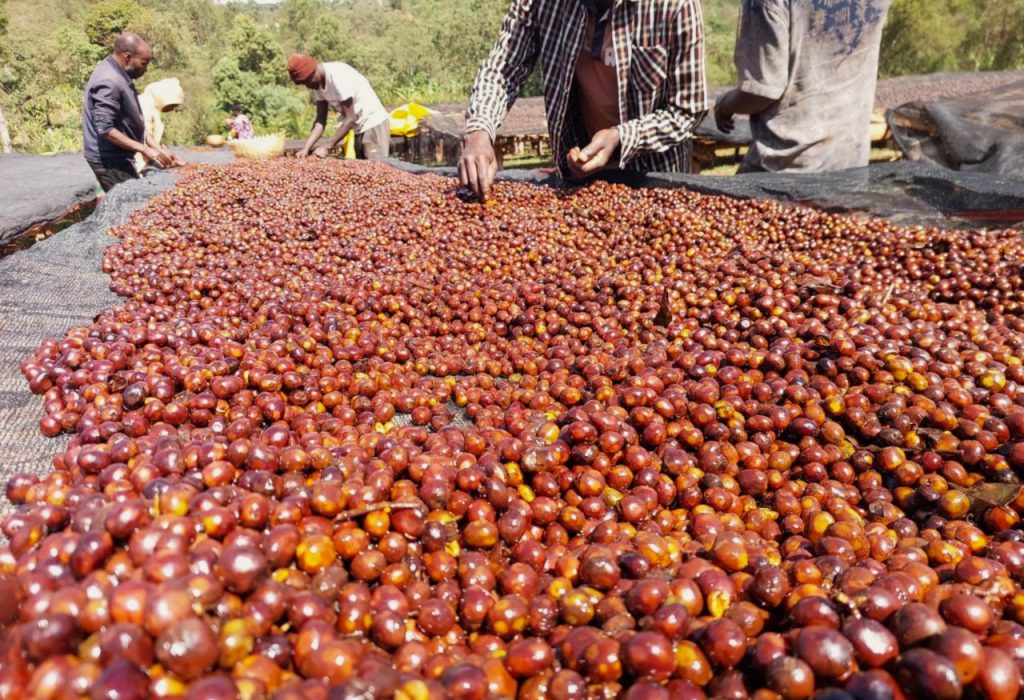
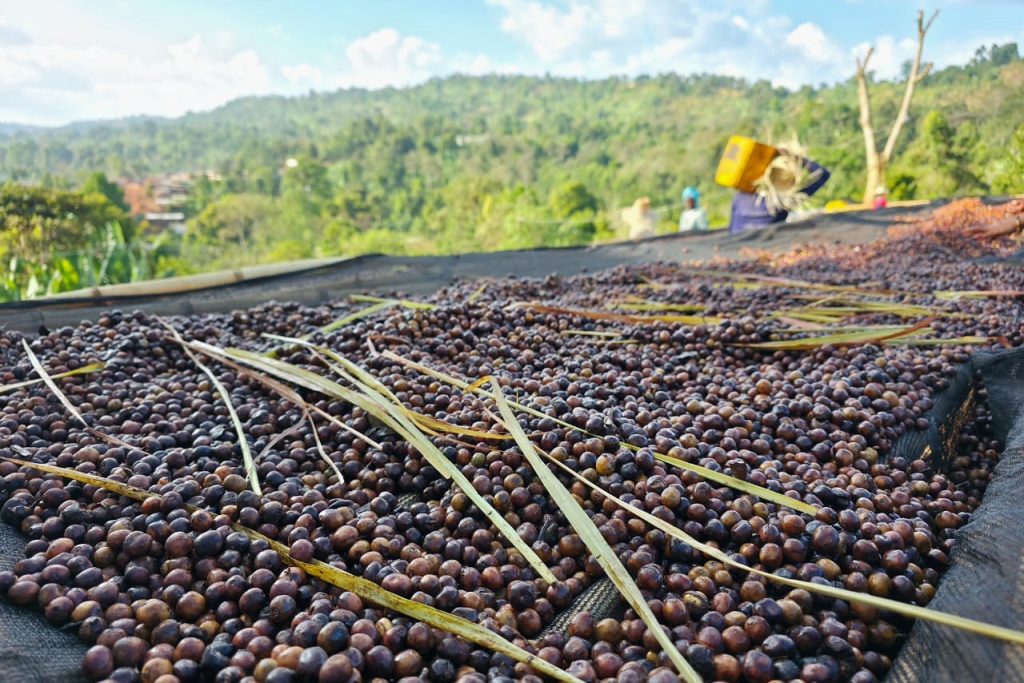
After the 10-day drum fermentation, the soft and syrupy cherry mixture is carefully moved to raised screen beds to dry, slowly and gradually, between 15-20 days. Once it reaches 11% moisture, the pods are moved to a cool warehouse where they are left to rest for a number of weeks. This last step allows the internal moisture to equilibrate and the water activity to settle, preparing the green coffee for a long shelf life of vibrant flavors.
Green
Green Analysis by Isabella Vitaliano
Ethiopia beans are mostly on the smaller size with higher density, and the green metrics directly reflect that. The density is is on the high end of the range at 759. Moisture content and water activity are both in average ranges. With such high density, you can be sure to push the heat in the roaster in the beginning of the curve to get the most out of the coffee.
Diedrich
Diedrich IR5 Analysis by Doris Garrido
This Banko Chelchele from the Gedeb zone – a coffee that has been born beautiful just as the way it is, now is accompanied by lemongrass in the fermentation tank. Now, before getting into the tasting notes, I have to say that among all the co-fermented coffees I’ve had the chance to taste, I really appreciate the ones that show balance. When you can taste both the coffee and the added elements in harmony, you’re able to experience the work behind it – the intention, the consistency, and the complexity. That’s just my personal take.
So why did this Banko Chelchele with lemongrass become my favorite? It’s simple. This coffee carries all the classic Ethiopian character – blueberry jam, high sweetness, intense aromatics, and layered florals. Then the lemongrass comes in, adding a delicate herbal touch to the finish. It doesn’t compete with the coffee – it plays as a note within it, creating a full, cohesive symphony.
The roast approach was similar to what I would do with a natural Ethiopia. I aimed for the same structure, and the coffee responded in a very similar way. High charge temperature, fast drying, and then, as I approached caramelization, I pulled back and allowed the coffee to finish its roast more gently.
For charge temperature, I went with 455F, using full gas from the beginning. It was a relatively simple roast in terms of gas management. At 314F, I dropped to zero and opened the airflow to 50%. I brought the burners back at 360F and then moved to full airflow. After the first crack, I reduced the burners again.
With this approach, I achieved a slightly fast drying phase in 3:50 minutes. Yellowing lasted 3:17 minutes, and I developed the coffee for 1:24 minutes, finishing the roast at 404F of end temperature. The total roasting time was 8:26 minutes.
The results were magnificent. I don’t only love Ethiopian coffee for their flavors, but also because I can roast them this way -simple, intuitive, and consistently rewarding. This approach brings out a lot of sweetness, blueberries mainly, dates, figs, ginger, and florals from beginning to end.
This particular roast came out with a slightly bold mouthfeel, which I personally enjoy. That said, I can already see the potential for a slightly lighter development, where the herbal brightness from the lemongrass could shine even more and bring extra clarity to the cup.
Aillio
Aillio Bullet R1 IBTS Analysis by Chris Kornman
We use the RoasTime app and roast.world site to document our roasts on the Bullet. You can find our roast documentation below by searching on roast.world, or by clicking on the link below. Take a look at our roast profiles below, as they are constantly changing!
I made a guest appearance on the Bullet this week, roasting this fun and unusual lemongrass co-ferment from Banko Chelchele.
Admittedly, this roast got away from me just a little, but in the end, the coffee’s strong character was enough to resist a few minor mistakes in the roasting process.
Using my standard P9, F2, D4 settings, I preheated to 482F and things got off to a fast start! I marked color change at 325F at just 3:13 in roast time. I started making incremental changes, reducing power and increasing fan speed, but the coffee just kept chugging along, reaching first crack at 6:33 of roasting time. I had a little too much power behind the roast at this point, and watching the beans color quickly, I hit the brakes hard about halfway through development. I probably could’ve pulled the coffee a little earlier than I did, but I was watching for color development and underestimated how dark it was getting.
The coffee was definitely a little darker than its companions on the cupping table, but was full of plenty of great flavors. There were floral fragrances, and date-like sweetness, with flavors of dried blueberry, pickled ginger, and a hint of savoriness in the finish. Overall, you could probably go a little easier than I did on the heat and get a more delicate cup. Watch out for all the dark chaff this coffee produces, too!
You can follow along with my roast here at roast.world: https://roast.world/ckornman.wnD2/roasts/ezLODoPwpoy6-lnlnF9yv
IKAWA
Ikawa Pro V3 Analysis by Isabella Vitaliano
Our current Ikawa practice compares two sample roast profiles, originally designed for different densities of green coffee. The two roasts differ slightly in total length, charge temperature, and time spent between color change in first crack. You can learn more about the profiles here.
The high-density roast of this coffee was extremely sweet with pear notes and pickled ginger. A bright and zippy take on this lovely lemongrass cofermented coffee is exactly what I was looking for. The low-density profile of this was also a great take, it was subtler and had notes of Werther’s caramel and peaches. Both were good roasts. A testament to the diversity this coffee can offer but if you want to get the most out of the lemongrass co-fermentation, I suggest going with the high-density roast. Cheers!
You can roast your own by linking to our profiles in the Ikawa Pro app here:
- Roast 1: Low Density Sample Roast
- Roast 2: High Density Sample Roast
Brew
Brew Analysis by Marie de Courcy
It’s perfect timing that a coffee like this Ethiopia Anaerobic Natural Lemongrass Co-ferment comes to the Crown Jewel menu. With the weather warming up, soft gloomy mornings and sunny breezy afternoons really create a perfect atmosphere to take in the refreshing and crisp flavors this coffee brings to the cup. The folk at EDN’s Banko Chelchele station have produced something magical, a coffee that’s extremely soluble, bright, juicy, and rich with depth.
Our first recipe is on the heavier side, dosed at 19g and ground at 10 on the EKS43. This recipe made a cup that was very sweet, and full of flavor. The mouthfeel was a bit syrupy and the finish was slightly dark and rich. We tasted blueberry, lemongrass, and jasmine, but I’d say those lighter florals and herby notes didn’t shine so much.
Our second, and desired, recipe swung a little lighter. Dosed down to 18g and ground at 11, we found a more delicate balance of all the things we thought this coffee might have to offer. More lemongrass and even notes of cilantro came through, with some pleasant citrus like pomelo and orange. This brew didn’t lack sweetness either, with notes of marzipan and sweet cream completing the finish.
This coffee is very versatile, able to lean heavy and rich or be delicate and sweet. The lemongrass really brings an herbaceous depth to the coffee that is very pleasant and refreshing, perfect for the start of the summer. Ethiopian coffees never cease to amaze me. It truly is not just blueberries and caramel. It’s important that we continue to have examples like this to remind us that we should keep our minds open, not just assuming that something will always be the way we remember it.
Related Coffee
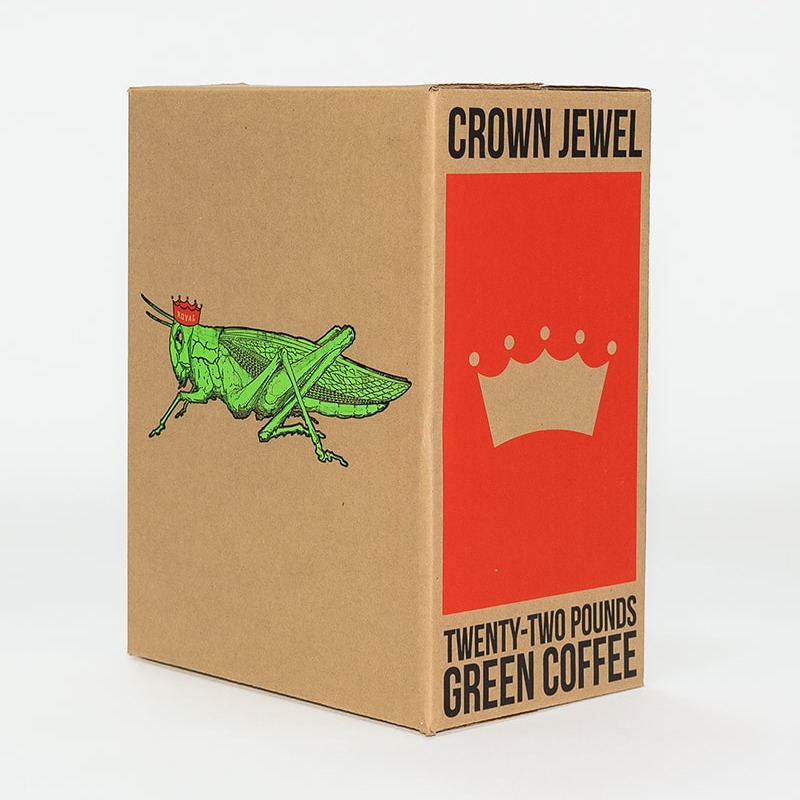
Dried fruit, fig, lime, plum, and cherry
Oakland 23 Boxes
Crown Jewel Tanzania Natural SL28 Neel & Kavita Vohora
Lot 170 – 39897-1 – SPOT RCWHSE
Dried fruit, fig, lime, plum, and cherry
Spot
23 Boxes
$267.56 per box
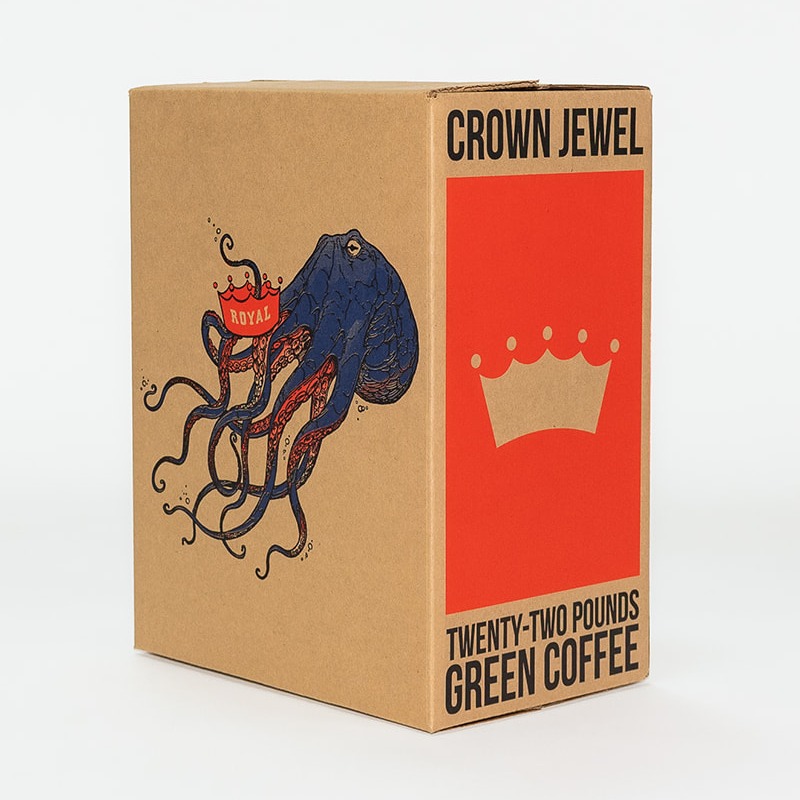
Lemon, floral, hibiscus, rosemary, and apple
Oakland 78 Boxes
Crown Jewel Ethiopia Anaerobic Natural Rue Co-ferment Banko Chelchele
40654-1 – SPOT RCWHSE
Lemon, floral, hibiscus, rosemary, and apple
Spot
78 Boxes
$358.51 per box

Plum, caramel, graham cracker, cranberry, green apple
Oakland 39 Boxes
Crown Jewel Tanzania Karatu Vohora Family Washed SL-28
Lot 158 – 39893-1 – SPOT RCWHSE
Plum, caramel, graham cracker, cranberry, green apple
Spot
39 Boxes
$257.28 per box
Floral, jasmine, cherry, plum, apricot
Oakland 63 Boxes
Crown Jewel Tanzania Washed Gesha Neel & Kavita Vohora
Lot 156 – 39891-1 – SPOT RCWHSE
Floral, jasmine, cherry, plum, apricot
Spot
63 Boxes
$308.67 per box