
Crown Jewel Tanzania Natural SL28 Neel & Kavita Vohora
Lot 170 – 39897-1 – SPOT RCWHSE$267.56 per box
Boxes 23
Warehouses Oakland
Flavor Profile Dried fruit, fig, lime, plum, and cherry
Add to your artisan.plus account: 
 Download PDF
Tanzania Ngorongoro Edelweiss Oldeani Estates Peaberry is sourced from a family owned estate located in Oldeani, Tanzania.
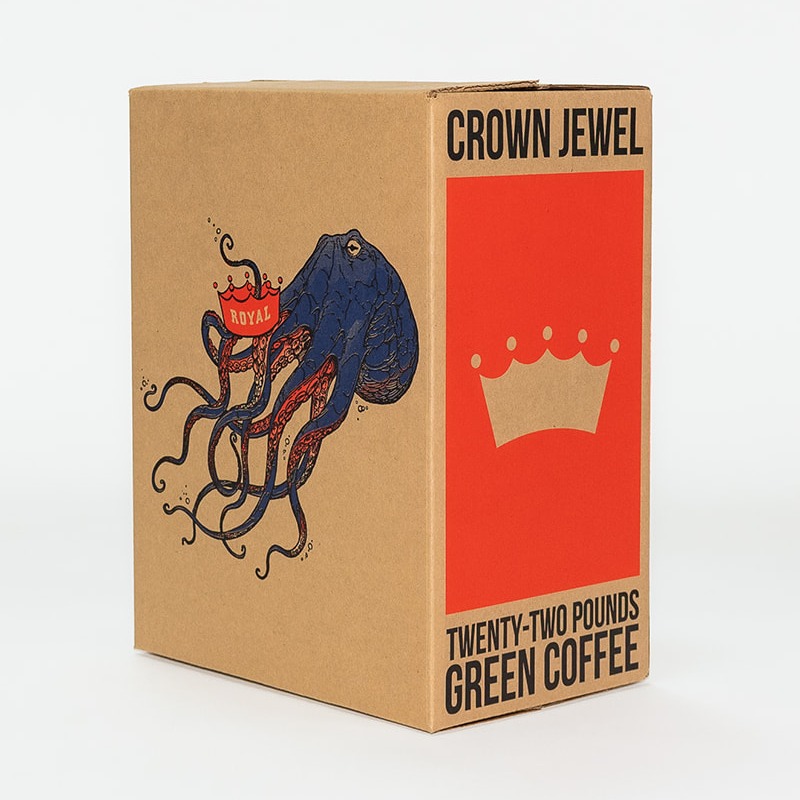
22lb Boxes
Spot



Overview
Overview
This is a moderate intervention fermented natural SL28 cultivar coffee from Karatu, Tanzania, produced by siblings Neel and Kavita Vohora on their Edelweiss farm.
The flavor profile is an effervescent sweep of blackberry, cranberry, and raisins, brightened by orange and lime, with hazelnut and wine rounding out the finish.
Our roasters found this Vohora natural wants heat early, open airflow, and a short, low finish.
When brewed, we preferred a flat-bottomed brewer with a moderate dose and a coarse grind.
Taste
Taste Analysis by Isabella Vitaliano
Star producers from Tanzania Neel and Kavita are back again with a slew of lots that vary in both processing and cultivar type. Both the washed and natural version of this SL28 was procured by our sourcing team. I love having the opportunity to taste both side by side as they display the range and the precision that the Vohora family have honed in on over the years.
Arguably one of my favorite lots from the Vohora family, this coffee is an effervescent combination of deep berries, cranberry juice, hazelnut and wine. It borders on silly, this bold and fun coffee is for the adventurer, the explorer. I often find it difficult to drink a full cup natural coffees first thing in the morning but with this coffee, I have no problem – chuggable is the only appropriate word here. From blackberry, to orange, to lime and raisin – this is the perfect combination of a profile that will excite long time customers and keep new customers coming back for more.
Source
Source Analysis by Chris Kornman
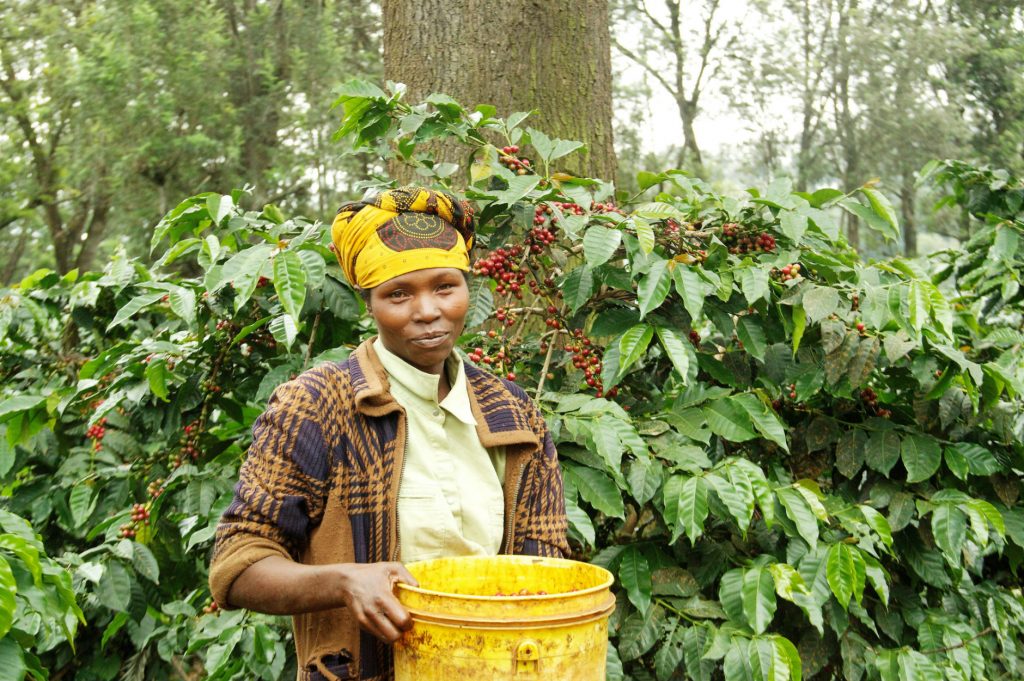
Under the watchful guidance of sibling team Neel and Kavita Vohora, the Edelweiss and Gaia farms have begun to blossom from well-managed estate farms, spanning 1000 acres across multiple ridges of the Ngorongoro caldera in northern Tanzania, into an innovative and genre-defying coffee enterprise. I’ve worked with Neel and Kavita, and the coffees from the farms for 15 years and I can definitively say that their most recent harvest is the most exciting I’ve ever tasted.
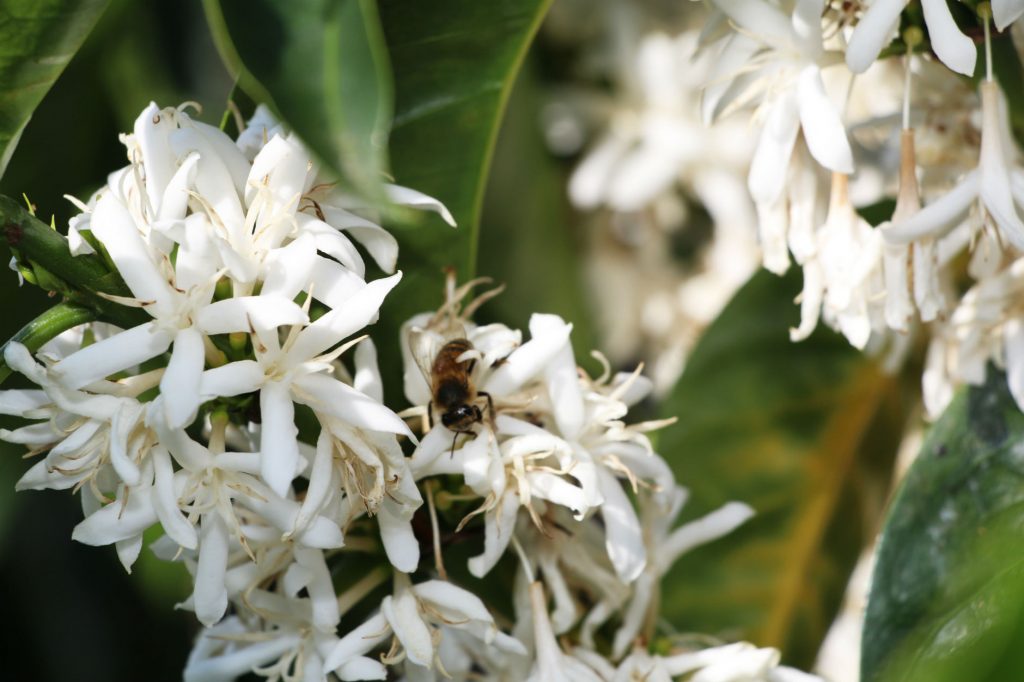
Among the family’s favorite cultivar selections are the SL-28s, coffees descended from some of the earliest Arabica selections made in Africa outside of Ethiopia. Tanzania was among the first colonial coffee cultivated on the continent – Bourbon trees from Réunion were delivered to the Bagomoyo mission as early as 1868. From this expanding population of C. arabica var. Bourbon a selection was made in the early 1930s by a now-extinct British agricultural breeder called Scott Labs. SL-28 is Tanzanian stock, chosen for its drought resilience almost 100 years ago, and it found its home primarily in Kenya (where the lab was based) and earned a reputation with growers for bountiful harvests and large screen sizes and with cuppers as a bastion of cup quality. The Vohoras’ SL-28s thrive on the farms as productive trees (if susceptible to diseases like berry fungus) and frequently top the siblings’ cup rankings in their lab.
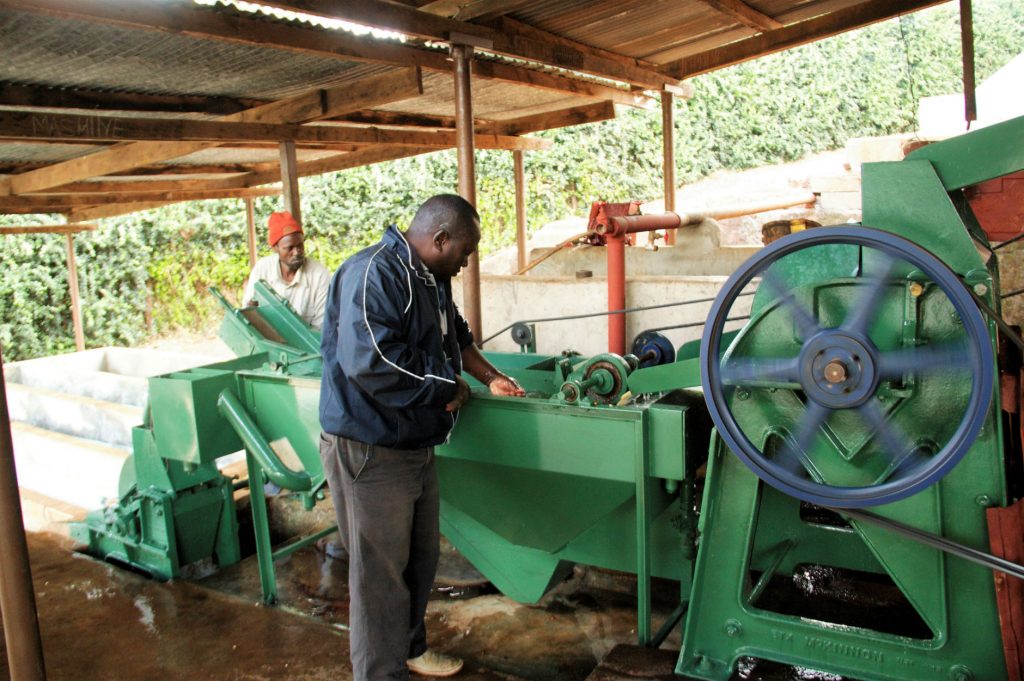
The Vohoras’ farms continue to innovate in processing methodology as well. Rather than resting on the laurels of tradition, nearly all of their coffee (including the commercial volumes of larger lots) goes through a cherry maceration period prior to processing. For microlots, like this SL-28, the timeframe for whole cherry “pre-fermentation” is determined specifically by cultivar, through a trial-and-error process that’s been honed into precise protocols to bring out the best in each variety. In this case, the SL-28 harvest will macerate in whole cherry on raised beds under protective tarps for four days prior to completing the nearly 4-week drying process on raised beds in whole cherry. After this is finished, the dried coffee is stored in GrainPro until it can be milled in Vohora’s facility back in Arusha.
Ngorongoro, the world’s largest unbroken caldera, looms over a verdant landscape, the shell of an ancient, ruptured volcano. Inside its walls, a wildlife conservation area cut off from much access to the outside world, is home to hordes of zebra, eland, gazelles, wildebeests, two prides of lions, hyenas, hippopotami, and scores of other local birds and mammals, including a small population of black rhino. The Maasai, among the region’s more visible residents with distinctive red flannel robes and unchanged traditions of nomadism, are frequent visitors, passing through the crater with their goat and cattle herds in tow. The caldera’s wildlife are no strangers to the farms, either. Native forest corridors on the estates allow freedom of movement for the animals as they migrate, but it’s fairly common to find damage to the coffee trees; the most frequent offenders being elephants and water buffalo.
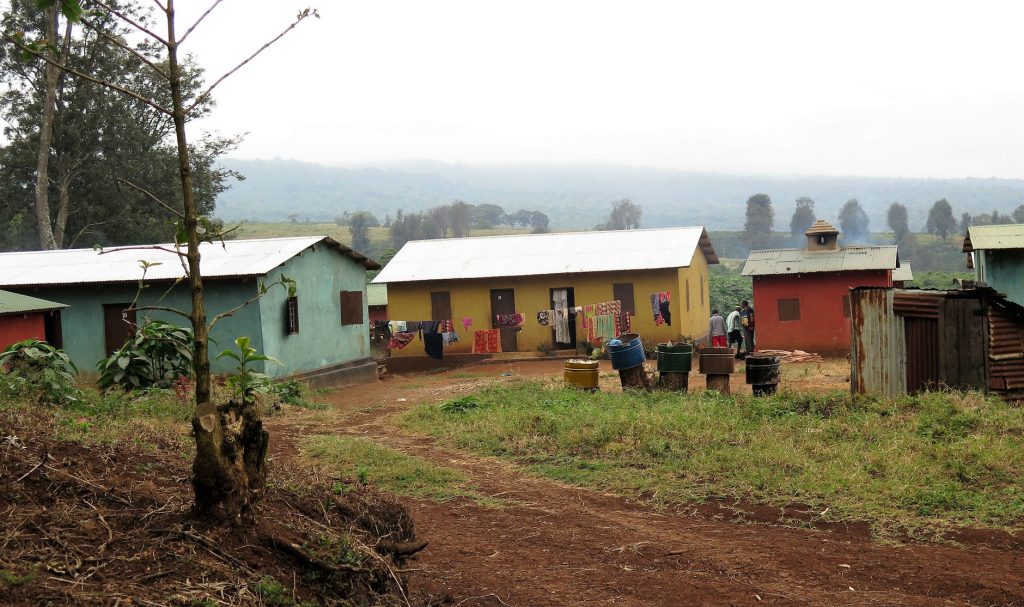
The Vohora’s estates are nestled into the caldera’s outer ridges, bordering the park. Since 1971, the Vohoras have owned about 1000 acres of farmland on the southern exterior slopes near the town of Karatu. The siblings’ grandfather arrived from India, first working for the British colonists as a farm manager prior to the nation’s independence, and their father founded and ran the export business from nearby Nairobi.
Today, Neel manages the farms, including overseeing more than fifty full-time employees and nearly eight hundred seasonal workers during the peak of harvest. He’s also at the forefront of processing innovations and cultivar selections. Kavita helms the export business from Arusha and is the lead cupper and licensed Q-grader at the dry mill. Her daughter, Nicolene, is learning to taste coffee… the family’s fourth generation, now in training.
You can read more about the farms in a recent blog.
Green
Green Analysis by Isabella Vitaliano
We expect nothing lest than perfection from the Vahora family and the specs on this SL28 line up perfectly. Density, moisture content are both in average ranges and the screen size is in 19-16 range. SL28 are expected to be a little bit larger in size than some other coffees so this matches up perfectly. On the roaster you can
SL28 is a well-known cultivar in Africa and has a very good reputation for cup quality and resistance to drought. It does not fare well against major diseases in coffee but for the most part is durable and notable for its rusticity. The plant can be left alone for a few years but return to successful harvest production levels. Scott Agricultural Laboratories initially selected the cultivars and was a Laboratory that was established by the British government in Kenya in 1920’s.
Diedrich
Diedrich IR5 Analysis by Doris Garrido
A simple roast approach -and spectacular results, after a few days, the aromatics of this coffee just keep getting better.
I started with a short soak, (for charge temperature in this case I use 440F) just a minute, mainly to see if I could push the full gas early on -and I could, so I went for it. I held full gas until I reached 390F, then opened the airflow completely. From there, it was just about waiting for the first crack and letting the coffee dictate how far I wanted to take development.
Drying finished at 4:00 minutes, marking color change at 299.9F. Yellowing lasted 3:22 minutes and developed the coffee for 1:16.
Since this is a natural process coffee, I paid close attention to both temperature and rate of rise as I approached first crack and through post-development. The RoR remained steady and well-controlled throughout, allowing me to finish at 407F. Which, for a natural on this Diedrich, feels like a really solid end temperature. Usually, a beautiful curve doesn’t always guarantee a great cup, but this time, the curve looks right, and the coffee truly delivers.
On the cupping table, it’s all about layers of chocolate -fudge, German chocolate, cocoa, hazelnut chocolate, even chocolate velvet cake. There’s a candy-like sweetness, very smooth, with a rich date character and notes of dried fruit. On the acidity side, a tart plum note comes through perfectly balanced against the sweetness. This a very comforting coffee but refined, it lingers softly, it is a truly clean natural with elegant finish. An excellent coffee from the Vohora siblings.
Aillio
Aillio Bullet R1 IBTS Analysis by Evan Gilman
We use the RoasTime app and roast.world site to document our roasts on the Bullet. You can find our roast documentation below by searching on roast.world, or by clicking on the link below. Take a look at our roast profiles below, as they are constantly changing!
This mark was one of my favorite coffees from last year. Rich red velvet cake sweetness, and big fruity notes without a hint of overfermentation. While this year is different, it’s just as tasty and perhaps a bit more refined as well. Akin to the Gesha selection from the Vohoras, the texture in this coffee is remarkable.
Since I recalled that this coffee was a dense one with relatively compact screen size distribution, I decided to hit it with extra heat from the outset, opting for a short roast with drastic reduction in heat application towards the finish, accompanied by hefty airflow throughout the roast cycle. I started with 473F charge temperature, P9 power, and F3 fan, and quickly ramped down to P8 as I approached peak rate of change. A touch before yellowing, I increased fan speed to F4 and lowered heat even further to P7. I only stayed at P7 for two minutes, opting for even less heat vector and reducing to P6 well before first crack. I also engaged P5 to really draw this coffee slowly through development. After a nearly inaudible first crack very late in the game (7:10 / 392.4F), I dropped this coffee into the cooling tray at 8:13 / 403.5F. This was a fast roast, and I was only able to achieve 12% of the roast in post-crack development. Most of the roast was spent in Maillard, however (45%). That told me the coffee was going to be juicy, and that’s no lie.
The time spent in Maillard enhanced what is otherwise already a remarkable characteristic of this coffee: the mouthfeel. Heavy dark chocolate notes turned into chocolate mousse as the cup cooled, with chewy saltwater taffy sweetness, and a distinct berry compote note that made this coffee an incredibly desserty cup. And long time readers will know how much of a sweet tooth I have..
We’re only half of the way through the year, so I can’t pick favorites yet. But this one will remain in my mind as a contender! Chug at will, dear roaster.
You can follow along with my roast here at roast.world: https://roast.world/egilman/roasts/CpNIKZn3JiruU0N_uyeXQ
IKAWA
Ikawa Pro V3 Analysis by Isabella Vitaliano
Our current Ikawa practice compares two sample roast profiles, originally designed for different densities of green coffee. The two roasts differ slightly in total length, charge temperature, and time spent between color change in first crack. You can learn more about the profiles here.
On the low-density roast of this coffee, we found deep berries especially present in the profile with some warm spices to top it off. The high-density profile had a little bit more honeycomb and oolong tea present. For me, the high-density profile is a winner for this coffee and makes for a really delicious cup.
You can roast your own by linking to our profiles in the Ikawa Pro app here:
- Roast 1: Low Density Sample Roast
- Roast 2: High Density Sample Roast
Brew
Brew Analysis by Tim Tran
The Vohoras keen and precise application of process really stands out with this natural process SL28. Incredibly clean in the cup with some pristine sweetness at the forefront while still maintaining fruit complexity against a light and silky coffee – a reminder of why coffees coming in from Neel and Kavita are oftentimes bright spots to my summer coffee sipping.
This coffee proved to be highly soluble, with my brews yielding relatively high TDS for relative coarseness of grind. My favorite brews were recipes that reined in the solubility of this coffee to really strike a harmonious balance of flavor.
My favorite recipe was a moderate dose of coffee, ground moderately coarse with a flat-bottomed brewer. This coffee yielded a 1.36 TDS and 18.25% extraction. This recipe gave a sweet cup consisting of notes of milk chocolate, raspberry, and confectioner sugar. The combination of flavors really struck a harmonious chord between the upfront fruited notes and the almost confectionary, candy-like sweetness.
My second favorite recipe used a large dose of coffee, ground moderately coarse on a conical brewer. This coffee yielded a 1.4 TDS and 18.34% extraction. This recipe gave a brew that was very plum forward, with accompanying almond, milk chocolate and marzipan notes. This brew preserved a lot of the sweetness profile that I found to enjoy so much in this coffee, with some of the fruit flavors taking a little more of the backseat.
A true amalgam of different flavor expressions, this coffee provides a lot of play in terms of how you can drive the recipe while still preserving a balanced cup. Ultimately, my recommendation is for a flat-bottomed brewer with a moderate dose and a coarse grind, but truly a coffee that provides plenty of flexibility in how it is approached. Cheers!
Related Coffee
Lemongrass, blueberry, jammy, marzipan, nectarine
Oakland 87 Boxes
Crown Jewel Ethiopia Anaerobic Natural Lemongrass Co-ferment Banko Chelchele
40655-1 – SPOT RCWHSE
Lemongrass, blueberry, jammy, marzipan, nectarine
Spot
87 Boxes
$351.68 per box
Lemon, floral, hibiscus, rosemary, and apple
Oakland 78 Boxes
Crown Jewel Ethiopia Anaerobic Natural Rue Co-ferment Banko Chelchele
40654-1 – SPOT RCWHSE
Lemon, floral, hibiscus, rosemary, and apple
Spot
78 Boxes
$358.51 per box

Plum, caramel, graham cracker, cranberry, green apple
Oakland 39 Boxes
Crown Jewel Tanzania Karatu Vohora Family Washed SL-28
Lot 158 – 39893-1 – SPOT RCWHSE
Plum, caramel, graham cracker, cranberry, green apple
Spot
39 Boxes
$257.28 per box

Floral, jasmine, cherry, plum, apricot
Oakland 63 Boxes
Crown Jewel Tanzania Washed Gesha Neel & Kavita Vohora
Lot 156 – 39891-1 – SPOT RCWHSE
Floral, jasmine, cherry, plum, apricot
Spot
63 Boxes
$308.67 per box