
Crown Jewel Tanzania Washed Gesha Neel & Kavita Vohora
Lot 156 – 39891-1 – SPOT RCWHSE$308.67 per box
Boxes 63
Warehouses Oakland
Flavor Profile Floral, jasmine, cherry, plum, apricot
Add to your artisan.plus account: 
 Download PDF
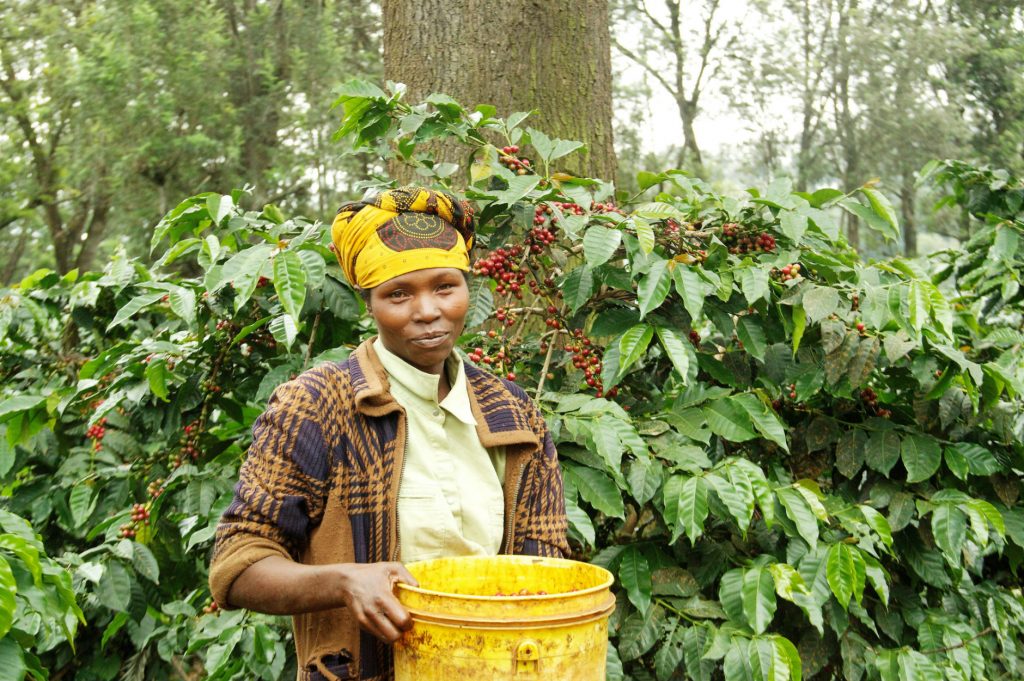
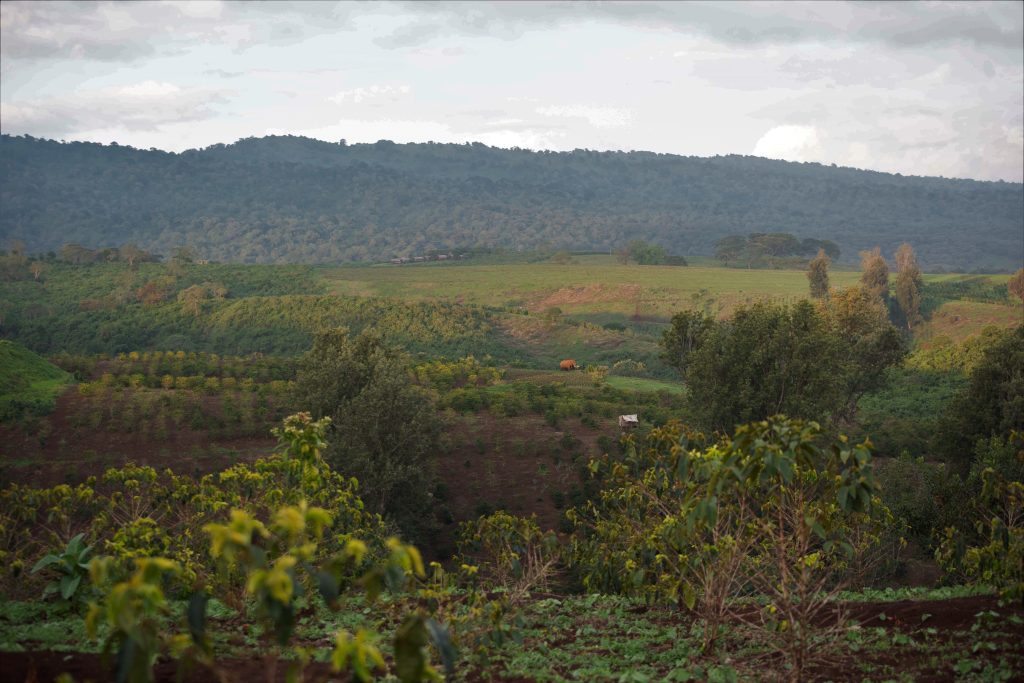
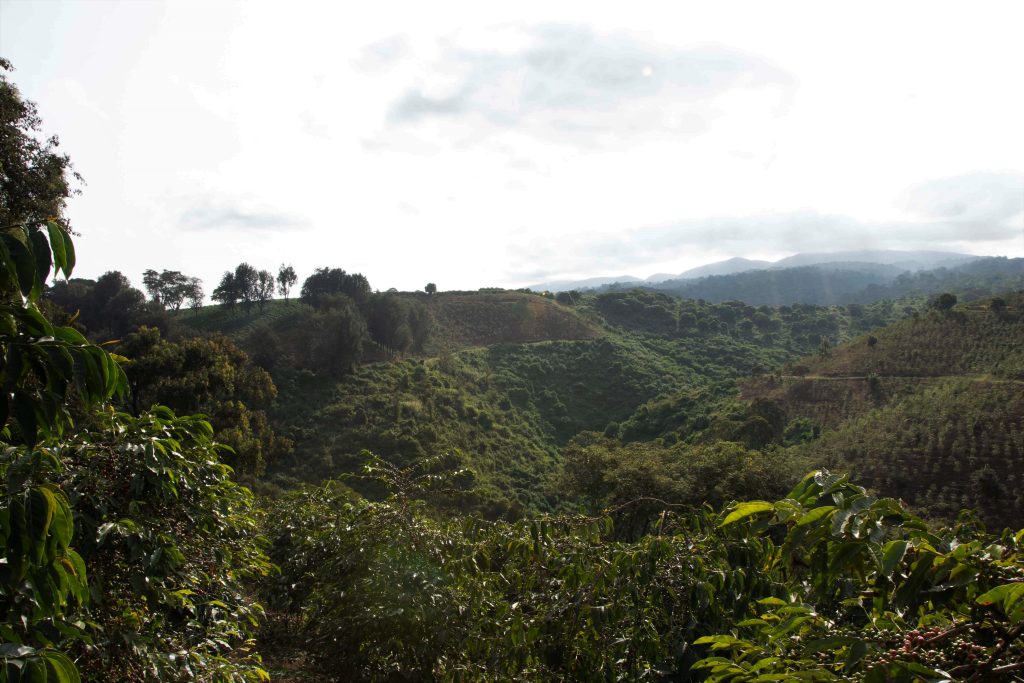
Gaia Farm is a 620-hectare family-owned estate located in the Karatu district of Tanzania.
22lb Boxes
Spot



Overview
Overview
This is a moderate intervention fermented and washed Gesha cultivar coffee from Karatu, Tanzania, produced by siblings Neel and Kavita Vohora on their Gaia farm.
The flavor profile is delicate and botanical, layering white florals, lemongrass, pear, and preserved lemon over a tea-like sweetness.
Our roasters found this washed Tanzania Gesha rewards generous airflow to stretch and control the Maillard phase to protect the delicate florals into a rose-forward, tea-like cup.
When brewed, our team found that higher doses bring out sweetness and ripe stone fruit notes, while lower doses highlight citrus, floral, and spice characteristics.
Taste
Taste Analysis by Isabella Vitaliano
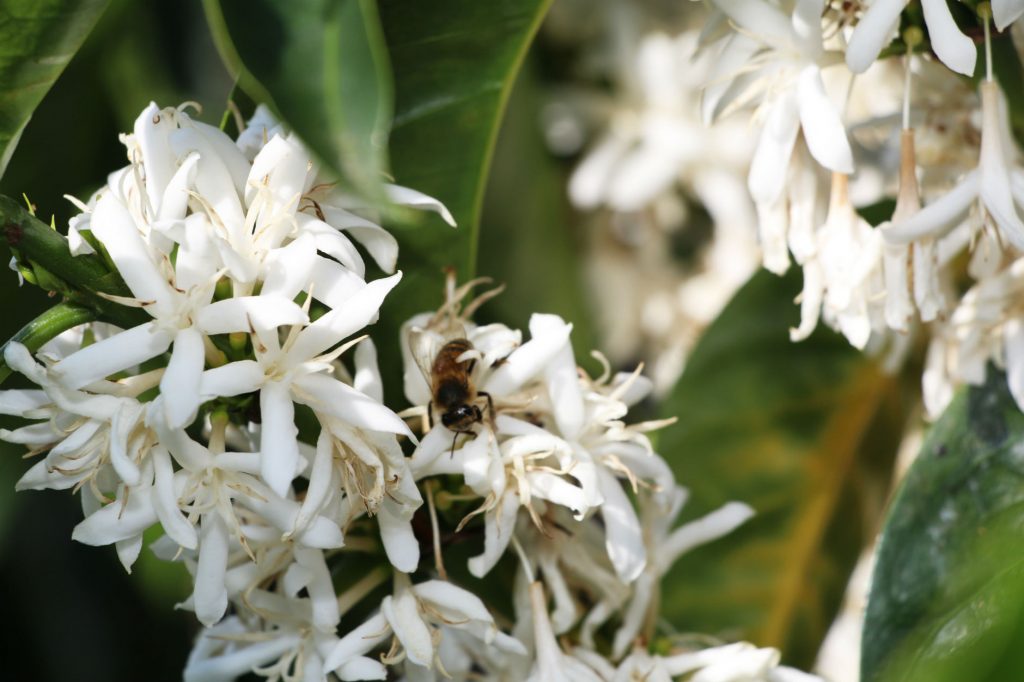
Star producers from Tanzania Neel and Kavita are back again with a slew of lots that vary in both processing and cultivar type. On the nose, this soft and subtle coffee is sweet with notes of tea and coriander. Notes of crème fraîche, lemongrass, honeysuckle and gardenia are all in the cup. While Gesha can often mean a coffee that is flashy in its florals, this coffee is not that but does not make it any less good. Other notes we got were botanical, peony, white tea, pear, and preserved lemons. It’s an amalgamation of every flower you could find blooming in a garden during the springtime.
A gentle experience makes for the perfect morning beverage or afternoon pick-me-up. I imagine this coffee as an iced pour over would be especially good. For those looking to elevate the quality of your menu and showcase a delicious Gesha, this is a great coffee to pick up.
Source
Source Analysis by Chris Kornman
Under the watchful guidance of sibling team Neel and Kavita Vohora, the Edelweiss and Gaia farms have begun to blossom from well-managed estate farms, spanning 1000 acres across multiple ridges of the Ngorongoro caldera in northern Tanzania, into an innovative and genre-defying coffee enterprise. I’ve worked with Neel and Kavita, and the coffees from the farms for 15 years and I can definitively say that their most recent harvest is the most exciting I’ve ever tasted.
At the vanguard of the team’s efforts are their Gesha plantings, newly matured trees giving some of the first exportable harvests this year and stunning us with their deeply floral flavors and elegant nuance. The plants were grown from seed stock related to the New World’s initial Gesha trees, first noticed on the Peterson farm Hacienda la Esmeralda in Panama in the early aughts but brought to Costa Rica’s CIRAD facility as early as the 1960s from a research station in… wait for it… Tanzania. Neel’s befriended that research station’s current manager and has a vast trove of genetic information and historical records at his fingertips, and the data is fascinating. Needless to say, we’ll be keeping a close eye on some of the new seedlings I saw growing in the nursery at the farms on a recent visit.
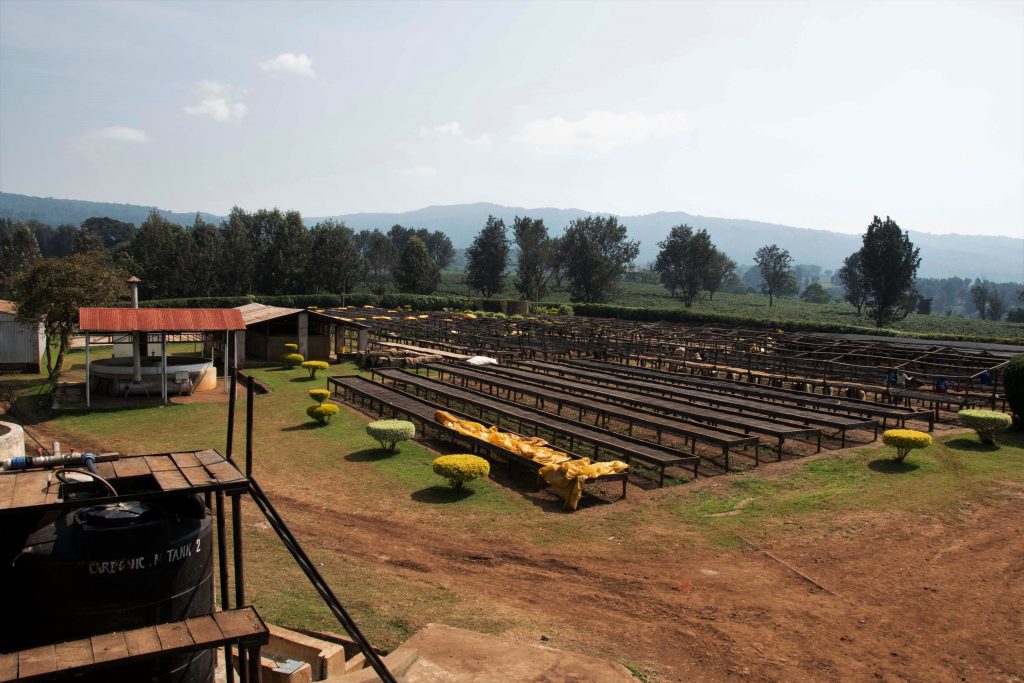
The Vohoras’ farms continue to innovate in processing methodology as well. Rather than resting on the laurels of tradition, nearly all of their coffee (including the commercial volumes of larger lots) goes through a cherry maceration period prior to processing. For microlots like this Gesha, the timeframe for whole cherry “pre-fermentation” is determined specifically by cultivar, through a trial-and-error process that’s been honed into precise protocols to bring out the best in each variety. In this case, the Gesha harvest will macerate in whole cherry on raised beds under protective tarps for four days prior to depulping and fermenting for 36-58 hours in a covered tank. After this, the coffee is washed, graded, and dried on raised beds for about two weeks. After this is finished, the dried coffee is stored in GrainPro until it can be milled in Vohora’s facility back in Arusha.
Ngorongoro, the world’s largest unbroken caldera, looms over a verdant landscape, the shell of an ancient, ruptured volcano. Inside its walls, a wildlife conservation area cut off from much access to the outside world, is home to hordes of zebra, eland, gazelles, wildebeests, two prides of lions, hyenas, hippopotami, and scores of other local birds and mammals, including a small population of black rhino. The Maasai, among the region’s more visible residents with distinctive red flannel robes and unchanged traditions of nomadism, are frequent visitors, passing through the crater with their goat and cattle herds in tow. The caldera’s wildlife are no strangers to the farms, either. Native forest corridors on the estates allow freedom of movement for the animals as they migrate, but it’s fairly common to find damage to the coffee trees; the most frequent offenders being elephants and water buffalo.
The Vohora’s estates are nestled into the caldera’s outer ridges, bordering the park. Since 1971, the Vohoras have owned about 1000 acres of farmland on the southern exterior slopes near the town of Karatu. The siblings’ grandfather arrived from India, first working for the British colonists as a farm manager prior to the nation’s independence, and their father founded and ran the export business from nearby Nairobi.
Today, Neel manages the farms, including overseeing more than fifty full-time employees and nearly eight hundred seasonal workers during the peak of harvest. He’s also at the forefront of processing innovations and cultivar selections. Kavita helms the export business from Arusha, and is the lead cupper and licensed Q Grader at the dry mill. Her daughter, Nicolene, is learning to taste coffee… the family’s fourth generation, now in training.
You can read more about the farms in a recent blog.
Green
Green Analysis by Isabella Vitaliano
Coffee from the Vohora family always comes in pristine condition, and this one is no exception. The density of this coffee falls in the average range, with moisture content sitting a bit lower than average. A gentle coffee on the whole, be sure to keep a watchful eye on it in the roaster. The Maillard phase is especially important for curating those florals. Doris is especially attentive to curating those floral notes; be sure to read her notes in the production roasting section.
Diedrich
Diedrich IR5 Analysis by Doris Garrido
Just at the first sip, you get a distinctive note of a Gesha cultivar, a subtle botanical character, like jasmine tea, with delicate sweetness. There’s a refined fructose quality, with orange notes, more like oranges in Mexico, which tend to be less sweet and instead show just a slightly higher perceived acidity. I would say this coffee reminds me of a lima, with a touch of lime pith or even a soft lemon tea with a few drops of honey.
I’d say Chris Kornman showed me how to treat Geshas, and I’ll never forget that day he tweaked one of my roasts and opened the full door of florality in that coffee. I already had a lot of respect for him and his work, but that day I became truly devoted. Since then, I always try to apply the same principles to allow the botanical character of Geshas to express itself in the cup.
This Tanzania Gesha -I tasted it on arrival, and it was already so promising on the cupping table. Right away, I started imagining my roast approach. We know Geshas are delicate beans, so for this roast I used airflow from the beginning for a few reasons: first, to mitigate thermal shock at the beginning of the roast, then to help remove moisture, and finally to better control the Maillard phase.
The drum preheat was my standard. I didn’t introduce airflow during preheat, so once I reached my target charge temperature, I dropped the coffee and, after a few seconds, brought airflow up to 50%. From there, I was ready to apply full gas within the first 30 seconds.
At 4:21, I marked the color change. As I entered the Maillard phase, I began adjusting -dropping the burners at 331F and opening the airflow fully as I approached caramelization. I bent the curve, eased through first crack, and carefully developed the coffee.
And yes -I got what I was looking for: florals. A distinctive, complex rose note -aromatic and tea-like -with hints of lemongrass and a tropical lima character. As the cup cools, it opens beautifully; revealing more of its layered citrus profile. There’s an orange leaf tea quality, a touch of honey, and a recognizable botanical Jasmine tea note that keeps everything lifted and elegant.
Aillio
Aillio Bullet R1 IBTS Analysis by Chris Kornman
We use the RoasTime app and roast.world site to document our roasts on the Bullet. You can find our roast documentation below by searching on roast.world, or by clicking on the link below. Take a look at our roast profiles below, as they are constantly changing!
I made a guest appearance this week on the Bullet, roasting this understated washed Gesha. I was really happy with how the roast turned out, probably one of my favorites of the early trials we tasted. Admittedly, one of the keys to unlocking this coffee’s potential is patience – we’re finding that a few days after roasting the cup opens up a lot, so don’t be discouraged if you taste the coffee very soon after roasting… just give it a little extra time to rest.
Using my standard F2, D4 settings, I preheated to 482F and used P8 for my initial power setting, holding these steady until color change, which occurred at a relatively high temperature of 343F. Wanting to really stretch out the Maillard stage, I dropped to P6 and ramped up the fan to F5. Within about 60 seconds, I made a second adjustment, to P5 and F7, and held these for the remainder of the roast. First crack occurred after 3:20 of color change, at 7:25 and 381F. The power and fan settings in place were enough to gently push the coffee through development and I ended the roast with 1:26 in post crack time at 389.6F.
The coffee was floral and expressive on the cupping table, with rose-like fragrance, clean, floral flavors, and a tea-like body. To me, it felt recognizably Gesha-like in character, and a nicely resolved roast with plenty of delicate nuance to enjoy. I’ll be taking this roast home with me to enjoy pour-overs for the weekend.
You can follow along with my roast here at roast.world: https://roast.world/ckornman.wnD2/roasts/8bj_t06h1irVGkJ4blDvM
IKAWA
Ikawa Pro V3 Analysis by Isabella Vitaliano
Our current Ikawa practice compares two sample roast profiles, originally designed for different densities of green coffee. The two roasts differ slightly in total length, charge temperature, and time spent between color change in first crack. You can learn more about the profiles here.
On the high-density roast of this coffee, I found this coffee has some high botanicals in the cup, think lilac and lavender, while also noticing some acidity. While both of these flavor notes were great, there was a touch of emptiness in the cup as well. In the light-density roast, this coffee had a fullness and roundness to the cup, and the overall flavors felt more subtle. To explore the florality of this coffee, I recommend the high-density profile, but the profile that would suit this coffee the best is something in between both of these roasts. Check out our Doris and Chris’ roasts for more details!
You can roast your own by linking to our profiles in the Ikawa Pro app here:
- Roast 1: Low Density Sample Roast
- Roast 2: High Density Sample Roast
Brew
Brew Analysis by Joshua Wismans
Gesha coffees, now grown the world over, present a fascinating challenge and learning opportunity for baristas. The flavor profile is eponymous yet distinct, depending on the microclimates in which they’re grown. Yet florality, soft stone fruit, and citrus remain the north star by which all Gesha’s are measured. Neel and Kavita have grown a beautiful washed Gesha, presenting a unique vision for the varietal while still carrying those classic notes. We found that a more delicate brew highlights the stone fruit and floral character, while also presenting a beautiful spice character that makes this Gesha unique.
Our initial brews started with an assumption that this coffee would be soluble. We were wrong. Our initial brews used a coarse grind on a conical brewer with a moderate dose. The TDS was low and the cup underwhelming.
Understanding that this coffee needed to be pushed for proper extraction, we switched to a much finer grind and found the flavors that had us fall in love with this coffee to begin with. With a TDS of 1.37 on a conical brewer, mandarin and plum came shining through, with a beautiful note of sweet black sesame rounding out the cup.
Keeping a similarly fine grind but lowering the dose brought out even more florality, along with a beautiful spice character. This was our favorite brew and the one we’d recommend. The TDS was much lower, but the delicate profile allowed the subtlety of this beautiful varietal to really shine.
Overall, we recommend a very fine grind with a conical brewer. High doses will bring out sweetness and ripe stone fruit. Low doses with highlight citrus, floral, and spice notes.
Related Coffee

Plum, caramel, graham cracker, cranberry, green apple
Oakland 39 Boxes
Crown Jewel Tanzania Karatu Vohora Family Washed SL-28
Lot 158 – 39893-1 – SPOT RCWHSE
Plum, caramel, graham cracker, cranberry, green apple
Spot
39 Boxes
$257.28 per box

Lemon, floral, hibiscus, rosemary, and apple
Oakland 78 Boxes
Crown Jewel Ethiopia Anaerobic Natural Rue Co-ferment Banko Chelchele
40654-1 – SPOT RCWHSE
Lemon, floral, hibiscus, rosemary, and apple
Spot
78 Boxes
$358.51 per box
Dried fruit, fig, lime, plum, and cherry
Oakland 23 Boxes
Crown Jewel Tanzania Natural SL28 Neel & Kavita Vohora
Lot 170 – 39897-1 – SPOT RCWHSE
Dried fruit, fig, lime, plum, and cherry
Spot
23 Boxes
$267.56 per box

Lemongrass, blueberry, jammy, marzipan, nectarine
Oakland 87 Boxes
Crown Jewel Ethiopia Anaerobic Natural Lemongrass Co-ferment Banko Chelchele
40655-1 – SPOT RCWHSE
Lemongrass, blueberry, jammy, marzipan, nectarine
Spot
87 Boxes
$351.68 per box