
Crown Jewel Sumatra Fermented and Washed Kampung Kenawat Region
35820-1 – SPOT RCWHSE
Boxes 0
Warehouses Oakland
Flavor Profile Orange, butterscotch, nectarine, dark chocolate, and rosemary
Out of stock

Overview
Overview
This is a washed coffee with extended fermentation, from the Aceh region of the Indonesian island of Sumatra, produced by six smallholder farmers organized around the Adena Coffee Kenawat Coffee Mill.
The flavor profile is surprisingly restrained given its long fermentation time; we found clean notes of orange soda, pineapple, and fig, with hints of herbal sage and roasted carrot.
Our roasters noted the coffee finished with higher than usual end temperature, and preferred a slightly faster classic “washed” style approach.
When brewed we found the coffee very soluble, and preferred pour-overs with lighter doses and coarser grind settings.
Taste
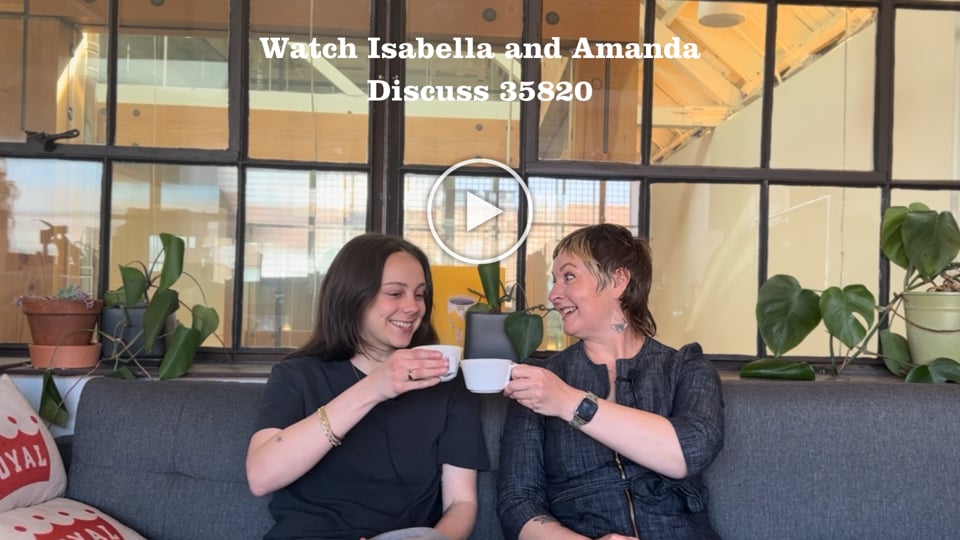
Taste Analysis by Isabella Vitaliano
Adena Coffee has streamlined logistics of this coffee to make the bulk of the extra efforts go towards the producer side of production. Thorough pass overs on raw cherry and a systematic approach to fermentation tanks allow for consistency and a pristine cup.
This lot is an interesting combination of a 14 day dry ferment with another 3 day submerged water ferment followed up with a washed step and then dried out on patio to an appropriate moisture content. Both the fermented and washed element does what you might expect; it bubbly fruit flavors while keeping it clean and crisp.
Orange soda, pineapple and fig are present in the cup with an accent of soft sage, vanilla, roasted carrot. The cup flows back and forth from a airy herbal feeling to something fuller and sweeter like soda and chocolate cake. Other honorable mentions from our brew analysis by Katie include orange zest, rosemary and grape.
It can perform well on anything from drip to espresso, the team has loved how it has tasted on every brewing method. If you are looking for something fruity to add to your list of offerings, pick a box (or more) up!
Source
Source Analysis by Royal Coffee
Regional details
Tradition runs deep in the province of North Sumatra on the island of Sumatra, renowned for cup profiles and the classic Indonesian style of coffee cultivation and processing. Coffee is cultivated and harvested from farms that average less than 3 acres in size. Producers belong to the Hutasoit tribe and maintain a traditional village lifestyle that includes houses that resemble ships. Seventy percent of the producers are women who rely on coffee income to support their families.
Processing Details
Each producer delivers harvested cherries to a centralized wet mill where it is carefully sorted before depulping. Next the depulped coffee undergoes a dry ferment in an airtight container, which allows for an extended 14 day ferment. Next the coffee is fermented for another 3 days while submerged in water. Then the coffee is washed and laid out on patios and dried to a moisture of 11 percent.
Exporting Details
With Indonesian coffees, half the battle is overcoming logistical challenges like rugged roads and unpredictable torrents of rain. Adena Coffee, an export company, takes on an important role of organizing local warehouses and transportation so farmers can overcome these challenges. Adena Coffee also coordinates the dry-mill process to swiftly bring the coffee to the international market, ensuring greater earnings for producers.
Green
Green Analysis by Isabella Vitaliano
Higher screen size in the 18-19 range are indicative of larger beans with a slightly lower density. This can be expected from the region. Paired with moisture content in the below average range and water activity that activity is average, you should have an easy time in the roaster. In the green this coffee has coloring similar to a natural with variations in light green and yellow in the unroasted form
Abyssinia is in the mix of cultivars, which is one of the few original cultivars introduced to Indonesia in the early 20th centuries. It is directly from early 20th century Ethiopian selections of cultivars brought to colonized countries to begin cultivation. It traveled from Indonesia to Cameroon and then to Central America, where the selection is known now as Java.
Tim-tim stands for Timor-Timur also known as Timor-Leste. This variation is a natural cross between robusta and arabica discovered in the early 20th century. You see a spike of availability in the 1950’s due to its resistance to coffee leaf rust.
Diedrich
Diedrich IR5 Analysis by Doris Garrido
The 14-days dry fermentation definitely gave that yellowish color to the green coffee, which initially threw me off since it was labeled as washed. However, after learning about the hybrid process, it made sense.
For this roast, I focused on applying maximum heat during the Maillard phase for 3 minutes, then relying on the Diedrich heat retention to finish. I charged the roaster at 400F and waited for the turning point before introducing 70% gas, subsequently increasing to 100% for the 3 minutes. Gas reduction began at 6 minutes, down to 60%, and then at 6 minutes 43 seconds to 30%, followed by full airflow. Cracking started at the 7 minutes and 48 seconds mark, and after a minute of development I cut the burner as the roast was progressing rapidly. The final drop temperature was 420F. I have to admit, I was surprised and concerned about a toasty flavor with such high temperature, but it didn’t manifest in the cupping table. At least not to the degree I anticipated. The tasting notes we found were ginger candy, peppermint, grapefruit, pink lemonade, chocolate, tiramisu, and white tea.
This hybrid approach from the washed Sumatra is quite interesting and will soon be featured here at the crown menu, I I highly recommend giving a try
IKAWa
Ikawa Pro V3 Analysis by Isabella Vitaliano
Our current Ikawa practice compares two sample roast profiles, originally designed for different densities of green coffee. The two roasts differ slightly in total length, charge temperature, and time spent between color change in first crack. You can learn more about the profiles here.
Ample depth and flavor create a delicious base in the form of peppermint, chili chocolate and tamari. With a lower density, I would expect it do perform a little bit better on the low density roast.
On the cupping table the light density roast had lots of notes of pink lemonade, gtrapefruit and a touch of herbal notes. The light density roast was very raspberry and berry forward with notes of chocolate, cucumber, caramel and white tea.
The light density roast overall was more expressive, with more fruit notes and a cleaner cup. I recommend using the light density roast in the ikawa to explore what this profile has to offer.
You can roast your own by linking to our profiles in the Ikawa Pro app here:
- Roast 1: Low Density Sample Roast
- Roast 2: High Density Sample Roast
Brew
Brew Analysis by Katie Briggs
An exciting Sumatra coffee, this one being a fermented and washed coffee, I think it will bring out some nice complex flavors of both of the processing methods.
The first two brews I did of this coffee were at a heavier dose of 19g, one at a grind of 9 and the other a 10 on the V60 cone brewer. I did a dose of 50 grams of water and let it bloom 40 seconds, then took the water up to 200 grams, and then 300 grams for the final pulse. Both brews turned out quite heavy in body and TDS, and the flavors reflected that. These brews were a bit bitter, and we got notes of cocoa, orange peel, black tea, and rosemary. I wanted to take the dose down for the next brew to try and lighten up the body and the bitterness.
I did two more brews, this time both at a dose of 18 grams, both being at a grind of 10, one I did on the V60 cone brewer and the other I did on the Kalita Wave flatbed brewer. I did the same bloom and the same water pulses, and these turned out a little bit better than the first two brews. There was still a bitterness that I didn’t like. We got notes of orange zest, bittersweet chocolate, rosemary, and grape. At this point I figured this coffee was just very soluble and I needed to coarsen the grind even more and maybe even down dose another gram. I did like the Kalita Wave brewer a lot more than the V60 brews, but I wanted to do a couple more brews to play with a lighter dose and a coarser grind.
The last two brews I did were on the Kalita Wave as well, one at a dose of 18 grams and one at a dose of 17 grams, both at a grind of 11. I did the same bloom and water pulses. For some reason I didn’t like the 18 gram at 11 as much as the 18 grams at 10. I felt like the 10 grind was just a bit sweeter, but maybe that was just me. On the other hand, I really loved the 17 grams at 11! This brew really brought out some delicate sweetness, and the TDS was in a great place finally. We got notes of butterscotch, nectarine, jasmine, and apple pie. It definitely highlights the fermented and washed process of this coffee. This brew is what I was looking for the whole time and I am glad we finally got there!
I would say this coffee is very soluble and to go with a lighter dose and a coarser grind to really help this coffee shine in every cup!
Related Coffee
Tomato, caramel, orange, lime, and tropical fruit
Oakland 22 Boxes
Crown Jewel Kenya Washed Ngomano Factory
45KF0153 – 38302-1 – SPOT RCWHSE
Tomato, caramel, orange, lime, and tropical fruit
Spot
22 Boxes
$207.57 per box
Cherry, grapefruit, apricot, floral, and lime
Oakland 40 Boxes
Crown Jewel Colombia Washed SL-28 Juliana Guevara & Wbeimar Lasso
38868-1 – SPOT RCWHSE
Cherry, grapefruit, apricot, floral, and lime
Spot
40 Boxes
$259.91 per box
Orange, vanilla, mandarin, cocoa, chocolate
Oakland 5 Boxes
Crown Jewel Timor Leste Organic Washed Café Brisa Serena
38840-1 – SPOT RCWHSE
Orange, vanilla, mandarin, cocoa, chocolate
Spot
5 Boxes
$188.47 per box

Orange blossom, ruby red grapefruit, cherry juice, bright, clean
Oakland 33 Boxes
Crown Jewel Rwanda Washed Rwamiko Washing Station
Lot 1 – 38183-1 – SPOT RCWHSE
Orange blossom, ruby red grapefruit, cherry juice, bright, clean
Spot
33 Boxes
$204.39 per box