
Crown Jewel Rwanda Washed Rwamiko Washing Station
Lot 1 – 38183-1 – SPOT RCWHSE$204.39 per box
Boxes 14
Warehouses Oakland
Flavor Profile Orange blossom, ruby red grapefruit, cherry juice, bright, clean
Add to your artisan.plus account: 
 Download PDF
Sourcing Details: The bulk of Rwanda’s coffee processing is based on a centralized washing station system.
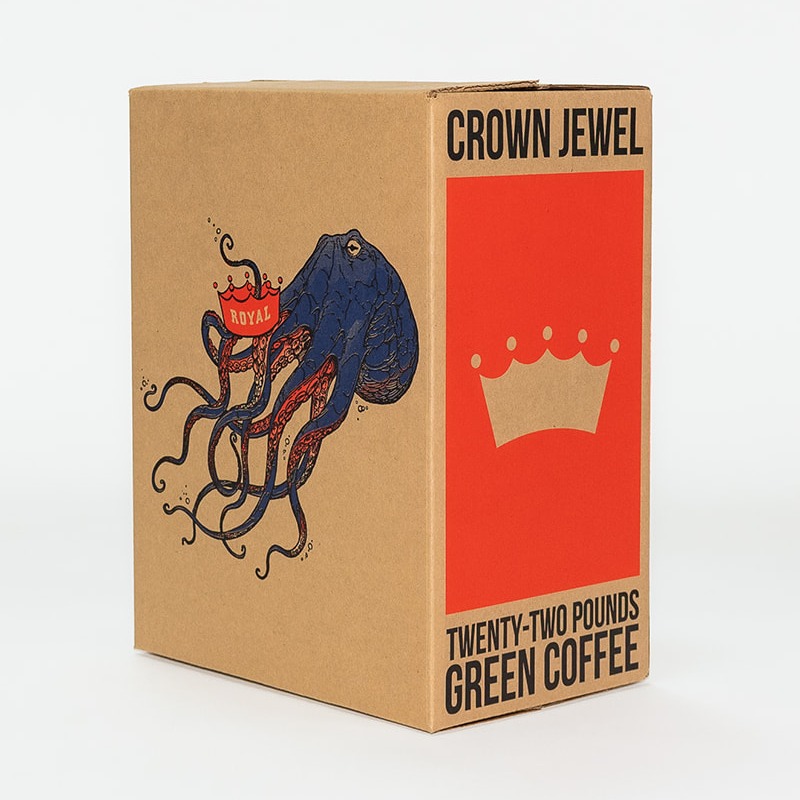
22lb Boxes
Spot
Overview
Overview
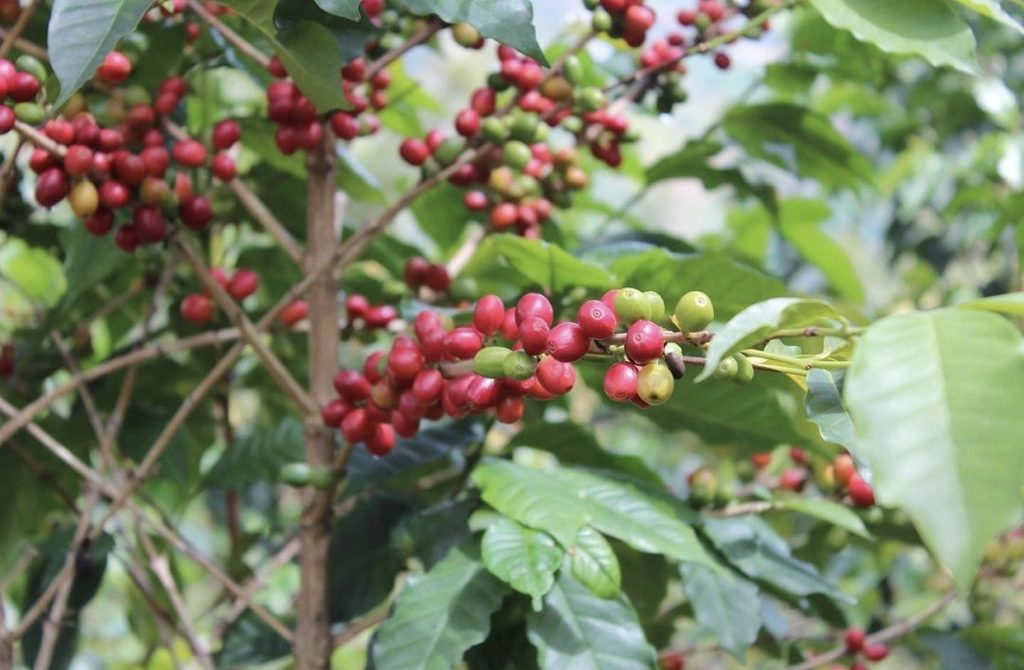
This is a low intervention washed coffee from Gicumbi district in Northern Rwanda, produced by smallholders organized around the Rwamiko Washing Station.
The flavor profile is bright and tropical up front, with notes of orange peel, lemon curd, and passion fruit, deepening into persimmon and lemongrass on a silky, smooth finish.
Our roasters found this Rwanda shines with a fast early pace, charge hot, drop gas at color change, and trust residual energy to carry a short development to lock in that clean, crisp acidity.
When brewed, we recommend a slightly higher dose on a moderately coarse grind setting on a flat-bottomed brewer.
Taste
Taste Analysis by Isabella Vitaliano
From top to bottom and hot to cold, this coffee is an enigmatic experience with depth in texture and uniquely precise tasting notes. Orange peel tea, lemon curd and passion fruit icing are on the tip of the tongue while persimmon, lemongrass and mango are on the bottom. Texture is one of my favorite attributes in a coffee and this lot from Rwanda is reminiscent of soft silk. This paired with the iridescent tones of tropical flavors makes the experience memorable and absolutely delicious.
On the brew analysis there are notes like black tea, apricot and honey, this really is such an idyllic expression of Rwandan coffee. It has those classic black tea notes that are so loved from the region but with so many other flavors to explore underneath the surface.
Source
Source Analysis by Chris Kornman
Twenty-plus years of coffee sourcing history led to this coffee. When I was just getting started in coffee buying, one of the first and primary contacts in Rwanda was a woman named Laetitia Mukandahiro. My first trip to Kigali in 2013 involved a cupping of nearly 100 samples in one sitting, hosted by Uzziel Habimana. Together, their history in Rwandan coffee spans decades, spurred by early training programs for cuppers beginning around 2004. I doubt there’s anyone’s cup notes and scores I trust more in the world.
In 2019, after years in practice for recognizable brands such as Starbucks, Dukunde Kawa, and Rwashoscco, Uzziel and Laetitia joined forces to found Ikawa House, an independent training facility, export office, and quality control powerhouse. Among their clients are regular Royal Coffee supply partners, Kivu Belt coffee.
On visiting their lab in Kigali in 2023, I was impressed at the depth of their connections to coffees from all over the country, and when, in late 2025, we foresaw a need for an additional supply partner in Rwanda, it was a no-brainer to ask for Laetitia and Uzziel’s sourcing and qc expertise.
The result was a mixed container of coffees from across the small nation, representing some of the finest coffees we’ve seen all season. From these lots, we selected two to become Crown Jewels.
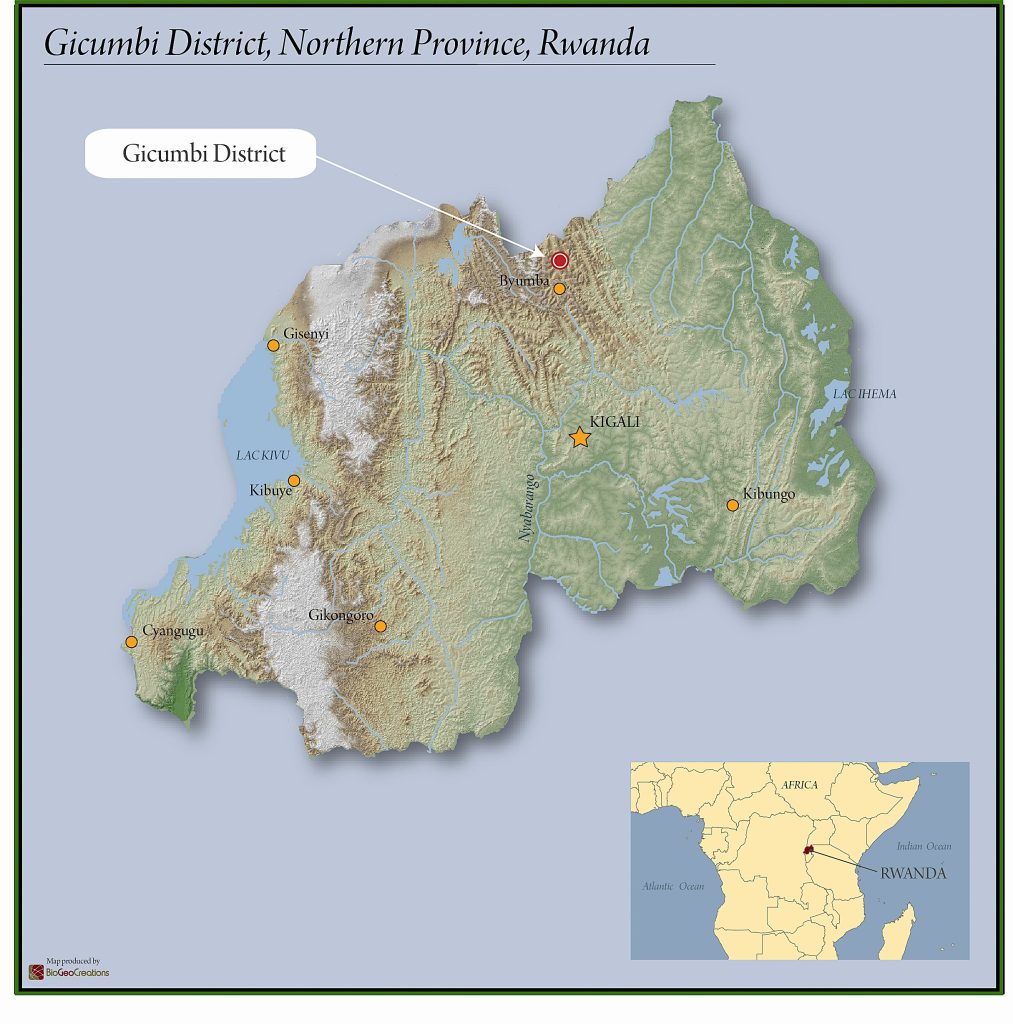
This washed coffee hails from the Northern province, in a district called Gicumbi. The station, called Rwamiko, much like others in Rwanda, is a private enterprise with local smallholders contributing their coffee cherry. 1277 such farmers contributed to the site in 2025, Rwamiko’s second year in operation.
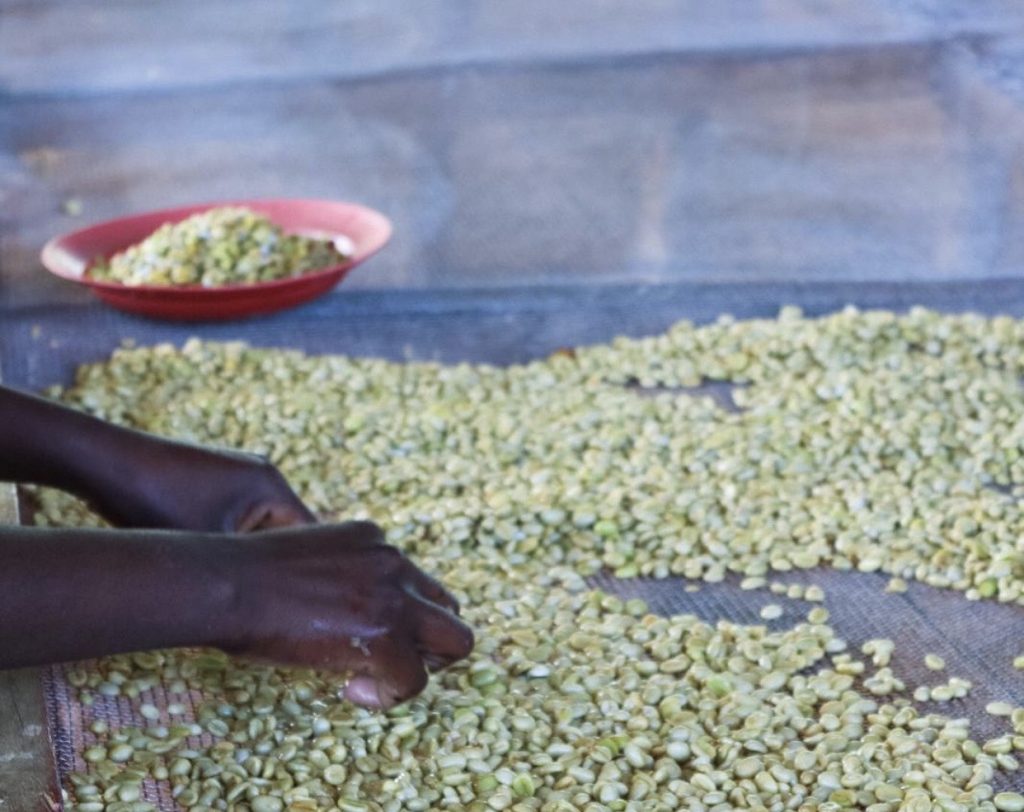
This is a classic Rwandan washed coffee, low intervention style, with coffee floated and sorted before pulping and fermenting (usually overnight), washed, then soaked in clean water for 24 hours before washing again, grading, and then finally dried on raised beds. In years past, we might’ve called this “triple washing,” a technique employed to maximize flavor and minimize defects.
The result is a deliciously complex coffee, showcasing the bright citrusy acids of Rwanda’s extraordinary elevations and classic Bourbon-related trees, and the sweet undertones from perfectly ripe coffees selected and hand-sorted again and again and again by some of the world’s most dedicated coffee farmers and producers, with its quality vetted not just by the Crown Jewel team, but by the inimitable experts at Ikawa House.
Green
Green Analysis by Isabella Vitaliano
Low intervention coffees are the cream of the crop for Rwamiko Washing Station. The green is impeccable in visual specs and have standard metrics with a high density, slightly spread-out screen size and normal water activity ranges.
Bourbon was introduced to Bourbon Island from Yemen in the ealry 1700s but didn’t leave the island until the mid-19th century. The cultivar spread to other parts of the world as missionaries moved from Africa and the Americas. Still a common cultivar for parts of East Africa, you see it coming out from Burundi as well as Tanzania and Rwanda.
Diedrich
Diedrich IR5 Analys by Doris Garrido
The second drop of Rwanda this year is this delightful, washed Bourbon. I enjoy roasting bourbon coffees, and this season has been my favorite so far. On the approval table, this coffee tasted very clean, crisp, and tangy, with notes of hibiscus and very deep sweetness.
To begin, I preheated the Diedrich to 440F. After charging the beans I waited one minute before introducing the heat, as I noticed the turning point was around 194F and I wanted to maintain a bit of a fast pace. With the beans absorbing the heat faster, I got better chances to reach Maillard faster.
As I approached the color change, I dropped the gas to 30%. Spending nearly three minutes at full gas provided enough energy for the remainder of the roast. Color change began at 312F, at which point I opened the airflow completely. I struggled slightly to slow the rate of change (RoR), resulting in only 2:39 minutes in the yellowing phase. While I would have preferred a longer duration, I was not overly concerned because I knew the potential of fruitiness we got here.
Just after the seven-minute mark, the coffee reached its first crack, and development began. Since I reached the first crack with a rate of change of 15 degrees per minute, I allowed it to finish using the remaining energy and dropped the coffee at 1:22 minutes of post-development with an end temperature of 393.5F. The results were excellent; this was the most popular coffee on the cupping table the next day. It featured a clean and crisp and lemony acidity, notes of mango, plum and hibiscus, and a sweetness reminiscent of raisin, vanilla, and white tea and a soft persimmon texture. I enjoy the character of Rwandan coffee, specifically the way it caramelizes and the unique structure of their acidity which is rounded out by the body.
Aillio
Aillio Bullet R1 IBTS Analysis by Chris Kornman
We use the RoasTime app and roast.world site to document our roasts on the Bullet. You can find our roast documentation below by searching on roast.world, or by clicking on the link below.
Take a look at our roast profiles below, as they are constantly changing!
After exercising a bit of restraint early in my roasting session, I saved this lovely washed Rwandan coffee for last, with the roaster nice and warm and my confidence at the controls pretty high. I was ready to pounce.
The inherent brightness and tea-like flavors of this style of coffee are some of my favorites on any cupping table, and my strategy was to really lean into those flavors, disregard body, and produce an elegant and effervescent cup.
So I kept the roaster at P9 and F2 well into Maillard reactions, speeding through color change, and then quickly reversed course at first crack, eventually coasting at P0 and F10 in the final moments of roasting, with a total roast duration just north of 7 minutes. This coffee can handle the heat.
At the cupping table, the coffee was bright and delicately floral, with juicy notes of lemongrass and pink grapefruit, with that distinctive tea-like finish so iconic of Rwandan selections. My colleagues noted the tangy, tart acidity of green grapes and oranges, complimented by sweet fresh herbal savoriness.
This is a real winner in my book. I love light, bright, fresh coffees like this, and I love roasting them with gusto. I hope you do, too.
You can follow along with my roast here at roast.world: https://roast.world/ckornman.wnD2/roasts/V7Q5qR7NINEWdBytyOMA2
IKAWA
Ikawa Pro V3 Analysis by Isabella Vitaliano
Our current Ikawa practice compares two sample roast profiles, originally designed for different densities of green coffee. The two roasts differ slightly in total length, charge temperature, and time spent between color change in first crack. You can learn more about the profiles here.
This coffee was such a dream on the cupping table in both offer and arrival samples I was looking forward to how it would show up in the cup. On the light density roast I found that the coffee has some herbal notes like sage and cucumber along with white tea notes and orange juice. The high density roast of this coffee was a little bit more full and really exceptional texture and tropical flavors notes that we tasted in the initial cupping. I recommend trying out the high density roast of this coffee on ikawa! You will not be disappointed.
You can roast your own by linking to our profiles in the Ikawa Pro app here:
- Roast 1: Low Density Sample Roast
- Roast 2: High Density Sample Roast
Brew
Brew Analysis by Tim Tran
Often a coffee professional’s journey will have tastes and preferences swinging wildly – perhaps not quite as often as the seasons, but close. For myself, I’ve been lately finding my taste preferences aligned with many of the classic flavors found in traditionally washed coffees, and this Rwandan coffee only continues to move the pendulum further.
The standout quality to me with this coffee though, was how high the quality of flavor was on both sides of the proverbial extraction spectrum, which was really underscored in what I enjoyed most from my 2 favorite brew recipes on this coffee. The flavor quality made the coffee amenable to the balanced extraction dynamics of a flat-bottomed brewer for some complex yet homogenous brews.
My favorite recipe was a moderately high dose of coffee on a moderately coarse grind setting, brewed on a flat-bottomed brewer with a 1:15.38 ratio. The coarser grind setting led to a slightly lower extraction percentage, which really highlighted some of the honey sweetness across the tea florals and hints of nutmeg. Despite the coarser grind setting, the texture of this coffee was still incredibly silky with the sweetness lingering for an extended finish.
My second favorite recipe was a moderate dose of coffee ground on a moderate grind setting, brewed on a flat-bottomed brewer with a 1:16.67 ratio. This pushed extraction higher and brought forward a lot more of the citrus notes to the front of the palate. Our team tasted orange peels, lemongrass, and black tea, with an incredibly rich and clean texture to the brew.
This Rwandan coffee was incredibly dynamic across the different brew recipes and that made it an extremely fun coffee to dig into and analyze. While tastes certainly can vary, it’ll be hard to not land on a tasty brew here. Ultimately, I recommend a slightly higher dose on a moderately coarse grind setting on a flat-bottomed brewer. Enjoy!
Related Coffee

Black Tea, caramel, lemongrass, passion Fruit, apricot
Oakland 43 Boxes
Crown Jewel Burundi Honey Peaberry Heza Washing Station
38863-1 – SPOT RCWHSE
Black Tea, caramel, lemongrass, passion Fruit, apricot
Spot
43 Boxes
$255.49 per box
Apricot, caramel, lemongrass, raw sugar, agave
Oakland 7 Boxes
Crown Jewel Madagascar Washed Soavinandriana
38888-1 – SPOT RCWHSE
Apricot, caramel, lemongrass, raw sugar, agave
Spot
7 Boxes
$256.15 per box
White Tea, basil, biscoff cookie, cacao, candied fruits
Oakland 38 Boxes
Crown Jewel Bolivia Organic Washed Yulissa Chambi
39122-1 – SPOT RCWHSE
White Tea, basil, biscoff cookie, cacao, candied fruits
Spot
38 Boxes
$220.94 per box
Banana Bread, plum, rosemary, cocoa Nib, and toffee
Oakland 50 Boxes
Crown Jewel Yemen Anaerobic Natural Sharqi Haraz Cooperative
39818-1 – SPOT RCWHSE
Banana Bread, plum, rosemary, cocoa Nib, and toffee
Spot
50 Boxes
$710.39 per box