
Crown Jewel Tanzania Washed Simba Neel & Kavita Vohora
Lot 159 – 39894-1 – SPOT RCWHSE$267.56 per box
Boxes 25
Warehouses Oakland
Flavor Profile Caramel, jasmine, floral, milk chocolate, and peach
Add to your artisan.plus account: 
 Printer Friendly PDF
This is a single-estate Simba 15+ preparation lot from the Vohora siblings, part of an outstanding, multi-generational family who take climate preservation and quality equally seriously.
22lb Boxes
Spot



Overview
Overview
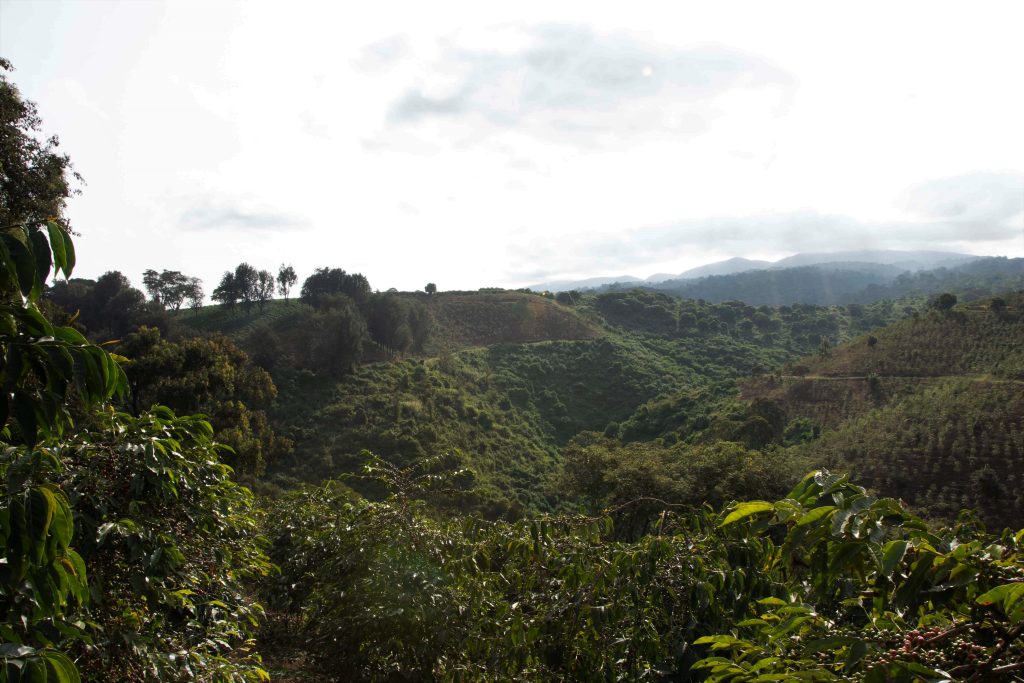
This is a moderate intervention fermented and washed “Simba” cultivar coffee from Karatu, Tanzania, produced by siblings Neel and Kavita Vohora on their Gaia farm.
The flavor profile is savory, silky, and slightly floral, with notes of miso, maple syrup, and kettle corn, rounded out by fresh, aromatic herbal notes, zesty brightness, and a buttery texture.
Our roasters found this Simba variety rewards more than one approach. A soft, slow roast with airflow cleaned the herbal notes into complexity and umami, while a darker roast brought out caramel and chocolate depth, and both cups landed beautifully.
When brewed, we recommend using a moderate grind and a medium-high dose.
Taste
Taste Analysis by Isabella Vitaliano
Neel and Kavita’s interpretation of an emblematic Tanzania washed lot brings savory, silky, and slightly floral notes. A Simba cultivar is well known for complex notes and some savory flavors. Miso, maple syrup and kettle corn are some of the first tasting notes the team got on this coffee. In some roasts there were also botanical flavors, hints of florals, zesty, and bright textures along with some botanical herbal notes. Not herbal earth or dried herbal notes but a fresh and aromatic spring day sort of herbal notes.
Simba is a sought-after cultivar in the specialty coffee world after it showed up in barista competitions. It can still be difficult to find it in commercial volumes, but it is continuously becoming more available for coffee buyers. It does so well in barista competitions because of its distinct flavor notes and one-of-a-kind profile. Folks in the coffee community seem to always be in the market for this cultivar, so if you are interested in this coffee, I would pick it up quickly.
We love this coffee for its sweet and savory complexity, herbal round notes, buttery texture and touch of florals. Experience what the hype is all about and grab a box today! Happy sipping.
Source
Source Analysis by Chris Kornman
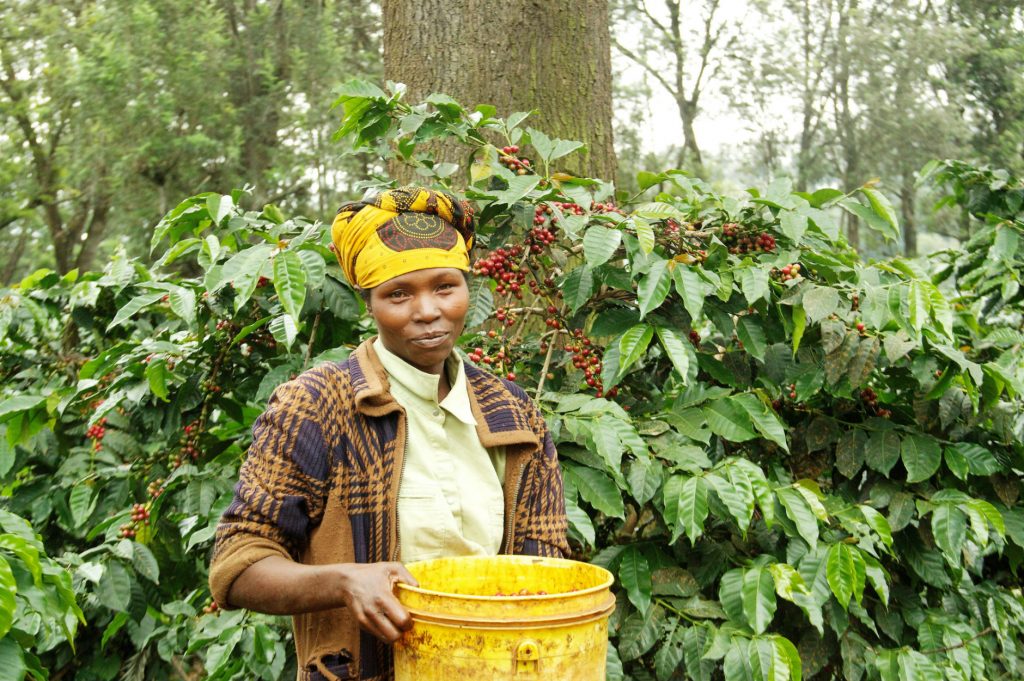
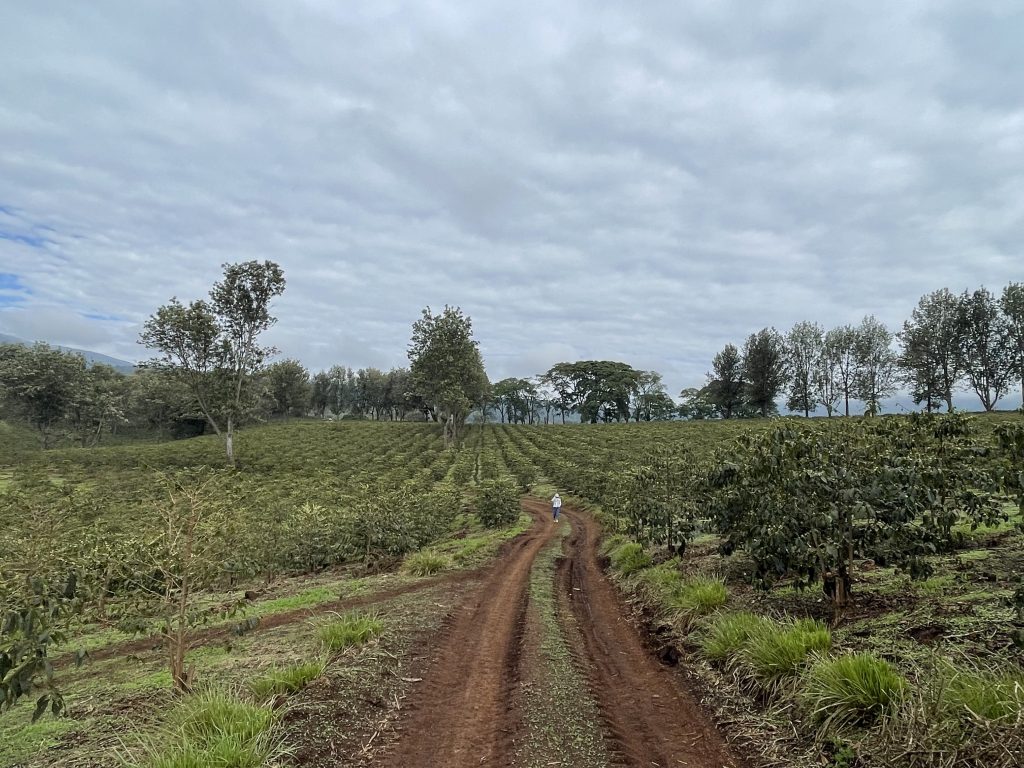
Under the watchful guidance of sibling team Neel and Kavita Vohora, the Edelweiss and Gaia farms have begun to blossom from well-managed estate farms, spanning 1000 acres across multiple ridges of the Ngorongoro caldera in northern Tanzania, into an innovative and genre-defying coffee enterprise. I’ve worked with Neel and Kavita, and the coffees from the farms for 15 years and I can definitively say that their most recent harvest is the most exciting I’ve ever tasted.
You might never have heard of (or tasted) the coffee variety “Simba.” Neel has been secretively cultivating small groves of Ethiopian landrace trees for some years now, and we’ve purchased a few of these microlots in years past. Recently, he’s begun giving them unique names — “Yanga” for the Yirgacheffe (named after a popular Tanzanian soccer team), “Simba” for the Sidama (the Swahili word for “lion”), etc. Much like the other variety selections on the farms, each has its own processing idiosyncrasies as well, but regardless of style the Ethiopian coffees always manage to allude to their genetic and geographical origin in the cup.
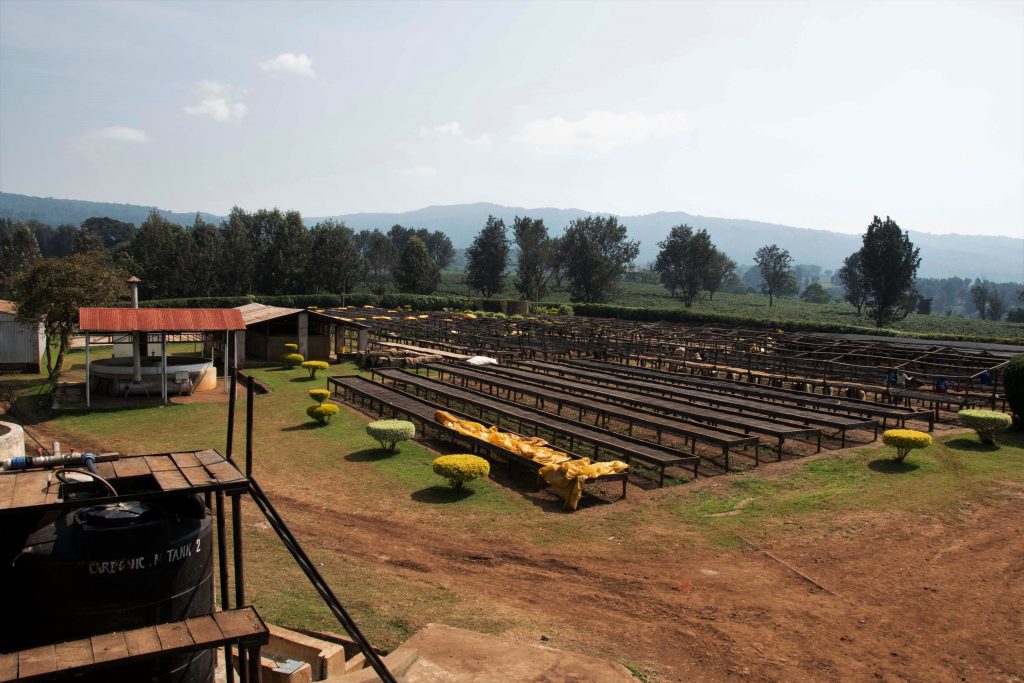
The Vohoras’ farms continue to innovate in processing methodology as well. Rather than resting on the laurels of tradition, nearly all of their coffee (including the commercial volumes of larger lots) goes through a cherry maceration period prior to processing. For microlots like this Simba, the timeframe for whole cherry “pre-fermentation” is determined specifically by cultivar, through a trial-and-error process that’s been honed into precise protocols to bring out the best in each variety. In this case, the Simba harvest will macerate in whole cherry on raised beds under protective tarps for three days prior to depulping and fermenting for 36-58 hours in a covered tank. After this, the coffee is washed, graded, and dried on raised beds for about two weeks. After this is finished, the dried coffee is stored in GrainPro until it can be milled in Vohora’s facility back in Arusha.
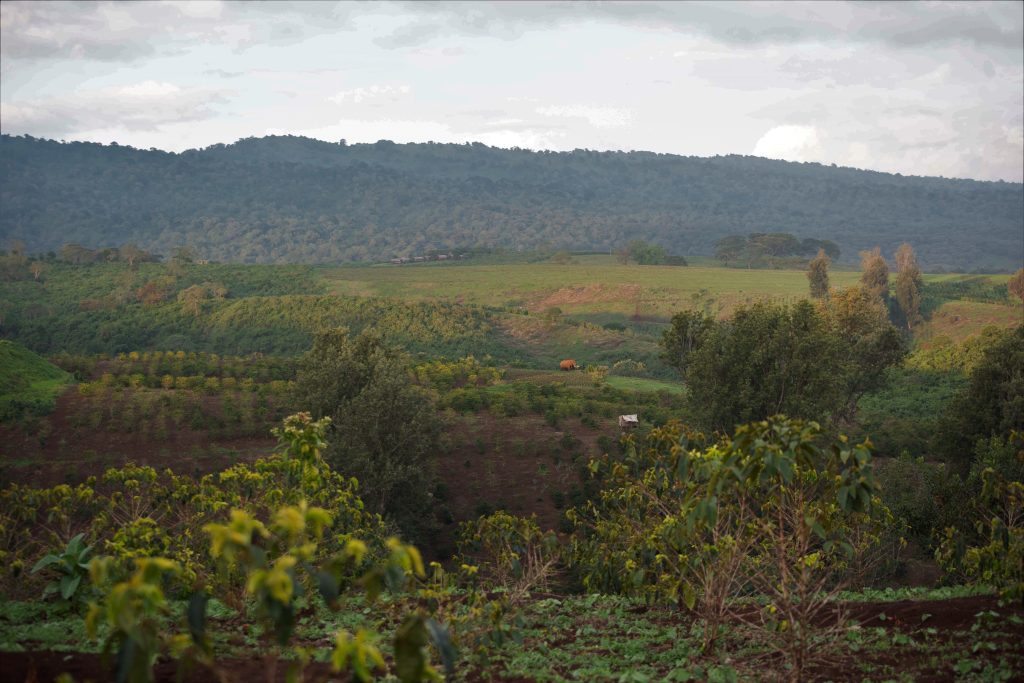
Ngorongoro, the world’s largest unbroken caldera, looms over a verdant landscape, the shell of an ancient, ruptured volcano. Inside its walls, a wildlife conservation area cut off from much access to the outside world, is home to hordes of zebra, eland, gazelles, wildebeests, two prides of lions, hyenas, hippopotami, and scores of other local birds and mammals, including a small population of black rhino. The Maasai, among the region’s more visible residents with distinctive red flannel robes and unchanged traditions of nomadism, are frequent visitors, passing through the crater with their goat and cattle herds in tow. The caldera’s wildlife are no strangers to the farms, either. Native forest corridors on the estates allow freedom of movement for the animals as they migrate, but it’s fairly common to find damage to the coffee trees; the most frequent offenders being elephants and water buffalo.
The Vohora’s estates are nestled into the caldera’s outer ridges, bordering the park. Since 1971, the Vohoras have owned about 1000 acres of farmland on the southern exterior slopes near the town of Karatu. The siblings’ grandfather arrived from India, first working for the British colonists as a farm manager prior to the nation’s independence, and their father founded and ran the export business from nearby Nairobi.
Today, Neel manages the farms, including overseeing more than fifty full-time employees and nearly eight hundred seasonal workers during the peak of harvest. He’s also at the forefront of processing innovations and cultivar selections. Kavita helms the export business from Arusha, and is the lead cupper and licensed Q Grader at the dry mill. Her daughter, Nicolene, is learning to taste coffee… the family’s fourth generation, now in training.
You can read more about the farms in a recent blog.
Green
Green Analysis by Isabella Vitaliano
Simba is a newer cultivar in commercial circulation, though still in small volumes compared to other cultivars. Density, moisture content, and water activity are all in an average range. Screen size sits a bit higher, with most of the coffee in the 19-17 range. This cultivar is most often available in East African countries, but it’s sometimes available in Central and South America.
Diedrich
Diedrich Analysis by Isabella Vitaliano
This was my first time profiling a coffee!! Although it was nerve-wracking, this coffee felt like a perfect introduction to hands-on practice with this skill. I used the original Tanzania Gesha natural profile as a guide and felt confident referencing those notes, since the density and moisture content levels were similar.
I started at 440F. At the turning point, I pushed heat to 100% to create a steep dip in the curve and accelerate the drying stage. Right around color change, I backed it back down to 30% gas to let it cruise into Millard and development phase. My goal was to add airflow before first crack at around 335F. This was a really smooth roast with minimal adjustments needed.
Around 384F, the coffee hit the first crack. I let the development continue for another 1:20 seconds, ending around 394F. I really wanted a soft, slow finish. Airflow really helps remove any heavy herbal notes that might emerge from this cultivar.
On the cupping table, this coffee showed great complexity, umami savory notes, and really enjoyable sweetness. I would argue that this cultivar isn’t going to be for everyone, the same way that Kenyas aren’t always everyone’s favorites. But I do think that this coffee is really excellent, and Neel and Kavita have done it yet again. Grab a box while it lasts! It’s sure to move fast.
Aillio
Aillio Bullet R1 IBTS Analysis by Chris Kornman
We use the RoasTime app and roast.world site to document our roasts on the Bullet. You can find our roast documentation below by searching on roast.world, or by clicking on the link below. Take a look at our roast profiles below, as they are constantly changing!
Another guest appearance here on the Bullet, I roasted this batch of our lovely Simba variety from Tanzania and tried something a little different, developing the coffee intentionally a little darker than my usual style. (We’ve been roasting an Ethiopian washed coffee as our house “Dark Roast” –taken just to the cusp of 2nd Crack, and I wanted to try pushing this Ethiopian landrace variety from Tanzania in a similar direction.)
Starting with a lower-than usual P5, I also used an alternate drum speed of D7 to change the way the beans and heat interacted. Overall, the roast was fairly easy to manage, and I’d feel confident either repeating this with my more standard D4 setting, or simply altering other variables with predictable results.
A little after the turning point, at around 2 minutes, I cranked the heat up to P9 for a while, not making another adjustment until about a minute and a half past color change (which I failed to mark on the roast, but which occurred at around 4 minutes and IBTS 330F). I reduced the heat to P6 and the fan to F4 and continued making incremental adjustments up in fan speed and down in power for the remainder of the roast.
I reached first crack at the usual 7-minute mark, held P5 steady, and increased the fan speed twice more—once to F7 at first crack, and again to F9 after a minute of development. I finished the roast with 2:09 after first crack at 9:05 of total roast time at 400.5F IBTS.
As expected, the extra caramelization brought out a little depth in body and some darker, sweeter, chocolaty notes that were missing in the lighter sample roasts. I tasted caramel and chocolate; with strong hints of the fresh sweet herbal and floral notes we expect from Ethiopian landrace varieties. It was not particularly fruit-forward, a sacrifice I made for the mouthfeel and sweetness. You could probably draw out some lemon and pear-like notes if you prefer lighter, more tea-like roasts with a shorter development, but I felt the coffee held up well and I enjoyed the cup very much at this profile.
You can follow along with my roast here at roast.world: https://roast.world/ckornman.wnD2/roasts/t113OJBNNeMn8xjfPV1q1
Brew
Brew Analysis by MJ Smith
This Tanzania Simba is so delicious that it’s sure to make you ROAR! It’s honestly such a perfect coffee for the summer, in my opinion. Packed full of refreshing floral and warm sweetness, it’s like eating a freshly baked pastry in the middle of a grove of jasmine, possibly while sipping on some green tea. I’m typically not a huge fan of super floral coffees, but this one might have just changed my mind… I tried a few different recipes, but these next two were my favorites.
For my first recommendation, we have my last brew of the day, made on the V60 and coming in with a 20g dose, a 10 grind, and a brew time of 3:30. The first brew I made today was basically the same as this one, except with a 19g dose, but I felt like it could use a little more “oomf” so I bumped the dose up to 20g and found my winner. This brew was the perfect blend of floral and sweet, giving me notes of jasmine green tea, graham cracker, fig, toasted marshmallow, and lemonade. The rest of the barista team tasted some additional notes of milk chocolate, plum, honey, orange, peach, caramel, and lime zest. All in all, this was definitely my favorite brew of the day.
This next recipe is going to be for those of y’all who enjoy a slightly more delicate cup. I made this one on the Kalita Wave, with a dose of 19g, a grind of 10, and a brew time of 3:10. Like I said, this brew was more on the delicate side, giving me notes of honeysuckle, applesauce, dried apricot, agave, and sweet tea. The rest of the team also picked up on that sweet tea note, as well as some additional notes of marshmallow, fig, Meyer lemon, caramel, peach, and jasmine.
This is one of those coffees that, I think, anyone could enjoy. It’s interesting enough for the “heads” with its blend of floral and fruity notes, but the sweetness rounds it out enough that the average coffee drinker could find themselves drinking it every day. As for my recommendations, stick to a moderate grind and a medium-high dose, and for the brew device, personally, I think the V60 works really beautifully with this coffee. Hope you enjoy it!
Related Coffee

Plum, caramel, graham cracker, cranberry, green apple
Oakland 23 Boxes
Crown Jewel Tanzania Karatu Vohora Family Washed SL-28
Lot 158 – 39893-1 – SPOT RCWHSE
Plum, caramel, graham cracker, cranberry, green apple
Spot
23 Boxes
$257.28 per box

Floral, jasmine, cherry, plum, apricot
Oakland 16 Boxes
Crown Jewel Tanzania Washed Gesha Neel & Kavita Vohora
Lot 156 – 39891-1 – SPOT RCWHSE
Floral, jasmine, cherry, plum, apricot
Spot
16 Boxes
$308.67 per box
Honey, lemon, lime, Arnold Palmer, cherry tomato
Oakland 57 Boxes
Crown Jewel Kenya Peaberry Washed Ndiaini Factory
16KE2004 – 39977-1 – SPOT RCWHSE
Honey, lemon, lime, Arnold Palmer, cherry tomato
Spot
57 Boxes
$216.63 per box
Black Tea, caramel, lemongrass, passion Fruit, apricot
Oakland 6 Boxes
Crown Jewel Burundi Honey Peaberry Heza Washing Station
38863-1 – SPOT RCWHSE
Black Tea, caramel, lemongrass, passion Fruit, apricot
Spot
6 Boxes
$255.49 per box