
Crown Jewel Ecuador Washed Sidra Juan Peña
40303-2 – SPOT RCWHSE
Boxes 0
Warehouses Oakland
Flavor Profile Chamomile, toffee, mandarin, cane sugar, caramel
Out of stock

Overview
Overview
This is a low intervention washed Sidra cultivar coffee from the Yunguilla Valley in Ecuador, produced by Juan Peña.
The flavor profile is silky and balanced, with vanilla-like sweetness and gentle fruits and floral notes. We taste mandarin oranges, chamomile, lemon verbena, and tiramasu.
Our roasters found this Sidra responds well to an Ethiopian-inspired approach, fast drying, then a deliberate slowdown through Maillard.
When brewed, the team recommends a flat-bottomed brewer at a moderate grind size and a moderate dose.
Taste
Taste Analysis by Chris Kornman
In recent years, our Ecuadorian Crown Jewel selections have tended towards process-heavy flavors with an abundance of aromatic expression and taste experiences somewhat outside the expectations of terroir and cultivar. This year represents a reversal of that course, with selections from renowned coffee producer Juan Peña’s farms in the sundrenched Andean valley of Yunguilla showcasing classic minimal intervention processing styles, allowing the rich flavors of Ecuadorian variety selections and soil to take center stage.
Sidra’s flavor narrative has often revolved around cultivar-specificity, with roasters often hypothesizing about the contributions of its alleged parent varieties (e.g., sweetness and clarity from Typica, body and citrusy fruitiness from Bourbon). However, with Sidra’s lineage in dispute and likely without a singular true genetic identity, I think we can dispense with the cultivar characteristic speculation and focus on the actual qualities in the cup itself.
Juan Peña’s restraint in processing this Sidra as a classic, low-intervention washed coffee reveals an abundance of nuanced aromas and flavors, enjoyable from the cupping table to the pour-over bar and to the very last dregs. I keep trying to sip as I compose this analysis, and continuously find myself holding my mug nearly-upside-down, the final draught already a memory.
There’s an undeniable silkiness to the cup, its ample mouthfeel balanced by cleanliness. Mild fruit flavors like mandarin oranges, bananas, and ripe nectarines lilt atop sweetness evocative of vanilla and tiramisu. The finish is gentle and slightly floral, offering hints of lemon verbena and chamomile. I’m such a fan of coffees like this, subtly extraordinary and effortless to enjoy, yet with enough character to call attention to the people, places, and processes that made it all possible.
Source
Source Analysis by Chris Kornman
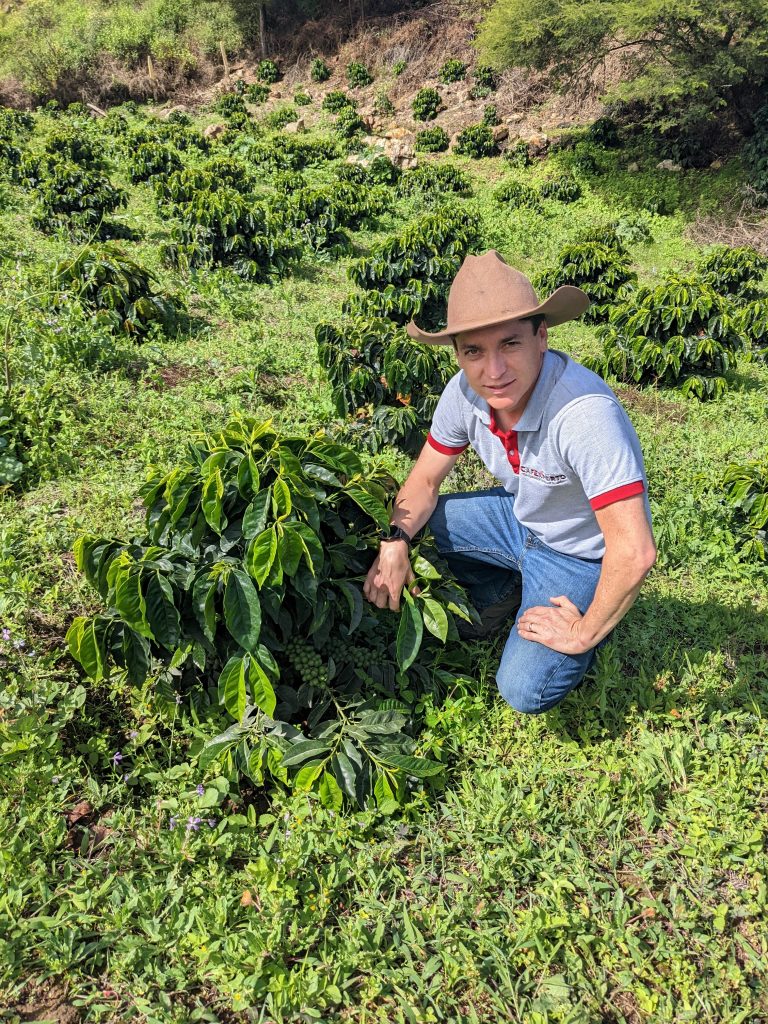
It has been three years since coffee from Juan Peña has graced our menu, though not for lack of trying. The man is popular, and busy, and in the past few years there simply hasn’t been enough coffee to go around. This year, however, we were offered coffee from Yunguilla, a recently developed project expanding outside the boundaries of Peña’s famous Hacienda la Papaya coffee farm.
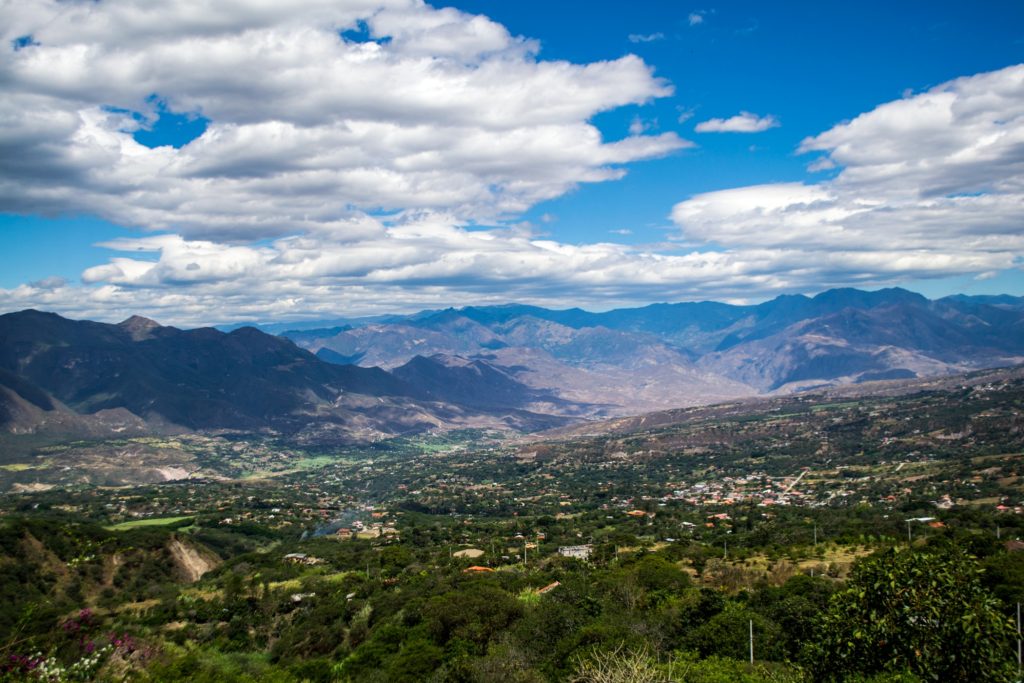
Yunguilla, located in the Choco Andean Cloud Forest, sits a little further to the north, across the Jubones river which serves as the border with Loja in the Azuay state. The farm here contains variety-specific plots, irrigated and Pacific-facing slopes, with stable moderate temperatures. Across the coffees he works with, Juan Peña has implemented a “Integrated Coffee Pulse” monitoring system of his own development, which ensures a level of quality control that extends to soil nutrients and climate conditions, ensuring optimal coffee tree health as well as coffee cherry quality and uniformity.
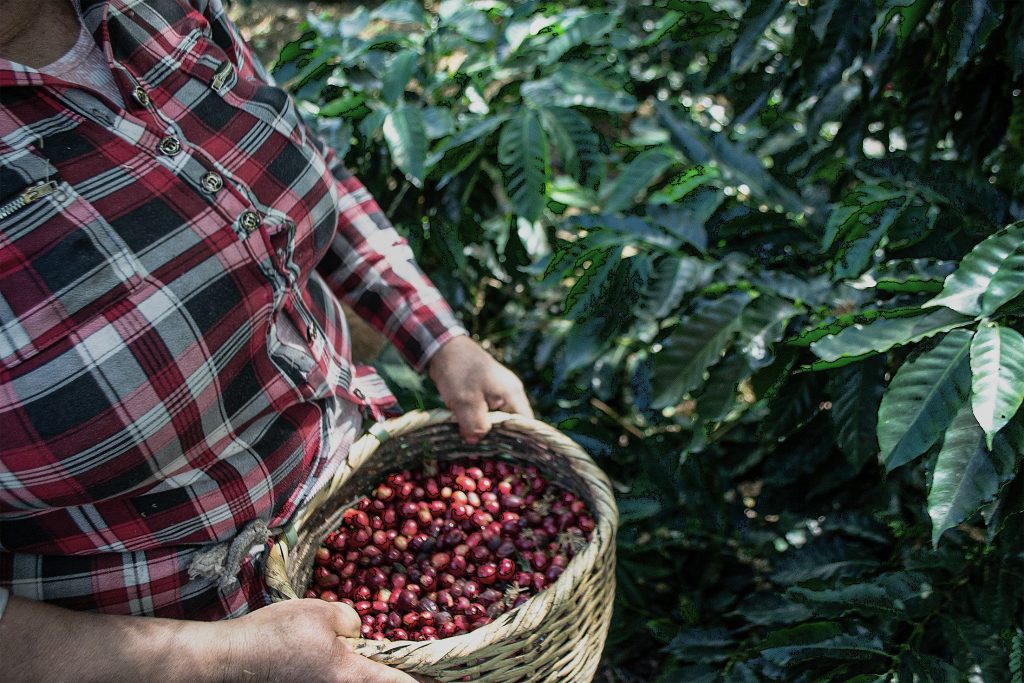
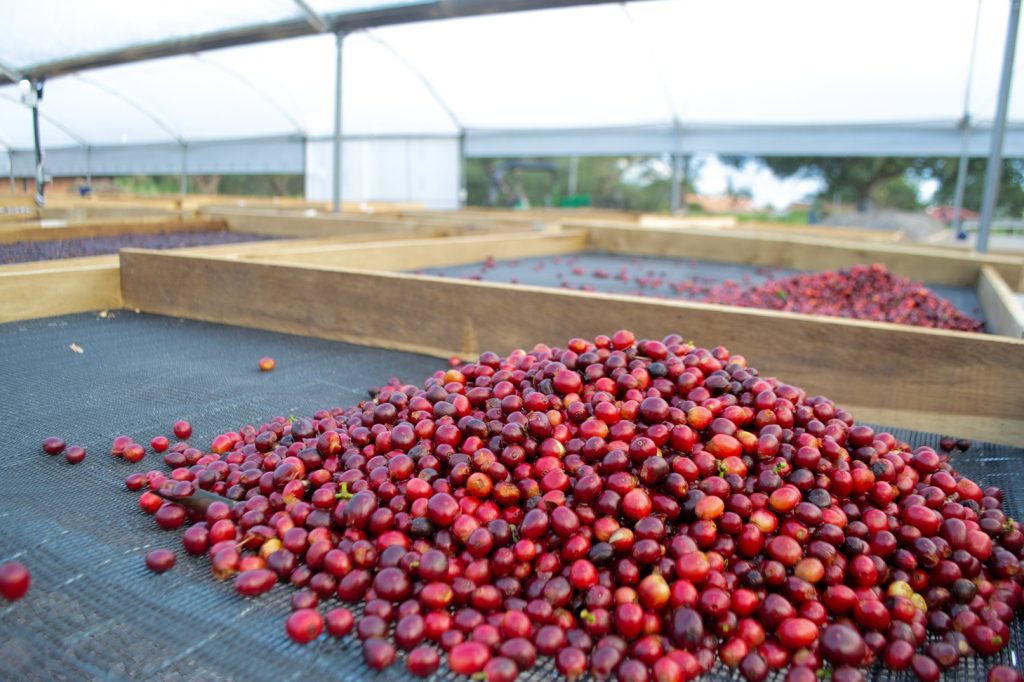
From the 2025 harvest, we selected three lots, iconically Ecuadorian in both flavor profile and genetic selections. This is a low-intervention washed Sidra. Peña’s processing methodology is meticulous, presenting the distinctive flavors of coffee genetic and terroir in pristine clarity. Coffees are selectively harvested, floated and sorted for density prior to processing, depulped, fermented washed, and dried for 9-18 days using an automated drying room management system to carefully ensure stable moisture content and water activity levels.
Sidra is almost exclusively grown in Ecuador (and a few farms in Colombia), and Juan Peña maintains his own gene bank of varieties from which he selects his seedlings. Rumored to have been developed by a now-defunct Nestle research project in the Pinchincha province, there is some confusion around its heritage. Information from Peña’s team indicates that the variety is a hybrid of Typica and Bourbon with “traces of Ethiopian landraces,” however there are anecdotes indicating genetic testing concluding that Sidra’s lineage is purely Ethiopian. Daily Coffee News offers one of the more detailed oral histories of its introduction, but stops short of naming its specific provenance. Despite claims of genetic verification, an entry for Sidra does not yet exist in the World Coffee Research Arabica variety catalog, likely due in part to the lack of a reliable identity—it’s highly probable there are multiple variants of Sidra grown by different farmers. There are even competing narratives for the origin of the “Sidra” moniker, with some claiming sensory similarities to apple cider and others citing the proximity of the original seedlings to citron trees (aka Citrus medica, which in Spanish is called “Sidra”). Nevertheless, regardless of its origins, the variety remains coveted for its high sensory quality potential, which this selection from Yunguilla is certainly a testament to.
Peña’s reputation for crafting exceptional coffees precedes him. He holds three “Sprudgie” Notable Producer awards, a degree in agronomy, and maintains an agreement with Cuenca’s University for research and development, in addition to having his coffees regularly featured on the global competition stages. Hacienda la Papaya boasts consecutive annual top 3 placements in brewers, baristas, and/or roasters championships in the US circuit beginning in 2016.
“We experiment with chemistry and I’m pretty sure that we have the best quality control, with sensors on harvest, developing of fertilizer, and drying rooms” he says. Beyond the farm, Peña has established an export company, CafExporto, to manage the dry milling, quality control, export logistics, and marketing efforts. The direct line from farm to port allows for a high degree of transparency and control, and has facilitated a wider network of neighboring farms, both large and micro-scale to begin gaining access to specialty coffee export market opportunities.
Green
Green Analysis by Isabella Vitaliano
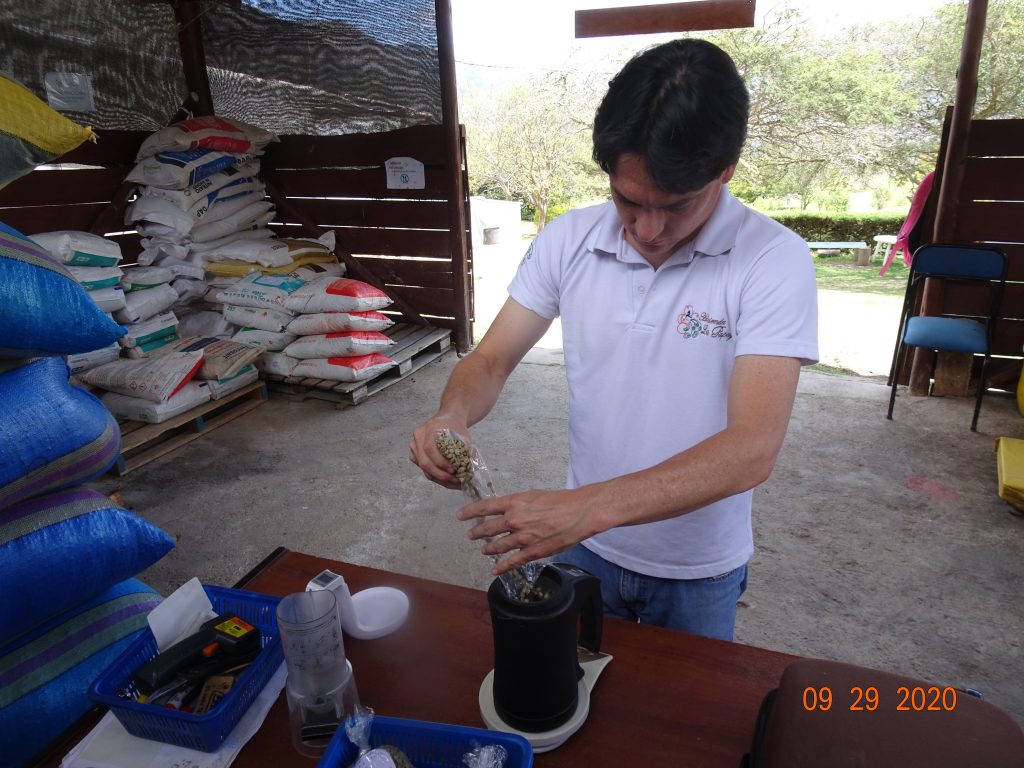
Mostly condensed in the 17-16 range, this green spec follows what is to be expected from Sidras. Density is about average and the moisture content is a little bit below average. With high elevation we can expect sweet and well developed coffee cherries. This plus the Sidra selection create a stunning intersection of cultivar, processing and microclimate.
Juan is the type of producer that does his job so well you almost can’t see his work in the cup. He lets the coffee shine through his laborious research and trial and error over the years.
Diedrich
Diedrich IR5 Analysis by Doris Garrido
I have said before that my dream farm would be full of Sidra cultivars. Since I first tried it years ago from Finca La Papaya, I was fully hooked on this coffee. I am intrigued by Sidra itself and by the work of Juan Peña -his methodical, consistent approach from farming to processing and especially his attention to drying, is something that I deeply respect. I met him at World of Coffee this year, and we found ourselves asking: does he know how famous he is? I just let him know that we appreciate his dedication and that we are fans of him and La Papaya, his finca.
Back to Sidra. What is Sidra? An Ethiopian Landrace? A Gesha relative? A laboratory-born fusion of two flavorful seeds, ending in an incredible creation? Who knows. But that’s exactly what I enjoy. The mystery of roasting something that science hasn’t fully defined yet. And I am fully invested in continuing to dig.
So how do you roast a mystery? I went back to my old profile and studied how this coffee behaved the last time I roasted it. Years ago I was approaching it the way I approach Ethiopian coffees, a relatively fast drying phase, which also led to faster yellowing. For this roast, I decided to follow a similar path but deliberately slow down to the middle of the Maillard reaction, targeting a total roast time of around nine minutes.
I warmed the drum and held it stable at 450°F before dropping the beans. I applied gas before the turning point (about one minute into the roast) aiming to keep it under 200°F. It landed at 190°F, which gave me a clear read on how the drying phase would develop. I maintained full gas until 300°F, then dropped the burners to zero. Just seconds later, the color change began, and marked it at 345°F, with a rate of change of 29.7°F per minute. I brought the burners back and opened the airflow. 50% at 360°F and fully open at 370°F. The rate of change had settled to 16°F per minute at first crack, and I ran a developed time of 1 minute and 45 seconds. Final temperature:400°F. Total roast time: 9 minutes and 14 seconds.
The result was a very silky cup. Smooth vanilla notes round out a sweetness of cane sugar and raisins, pomelo and pluot acidity, lemon verbena and chamomile. A lot of character. This roast I developed a touch more than I would have liked it for my taste, but it kept its subtle flavors intact which says a lot about the coffee.
Brew
Brew Analysis by Tim Tran
I don’t know of many that are not excited to brew coffee affiliated with Juan Pena – with a reputation among coffee professionals for incredible flavors to brew and outstanding competition placements, it’s with a lot of excitement and respect that we get into this washed Sidra from Ecuador. This coffee met my hopes and yielded brews that presented incredible flavors that were sweet and complex.
My favorite brews interestingly presented similar cup profiles with different methodology. Overarchingly a sweet cup, toffee and flan caramels were a dominant flavor on the approach, with those brown sugar associated notes really standing out on the forefront. The main driving difference in my favorite brews lies in the nuance that fills in flavor space around those upfront flavors.
My favorite brew was on the flat-bottomed brewer with a moderate dose and a moderate grind size. This brew gave me a 1.32 TDS. Silky in mouthfeel, this cup filled in the space around those sweet caramels with a more dessert-like profile, reminding me of the flavors of toasted marshmallows, with a slight herbal complexity tucked in.
My second favorite brew was on a conical brewer, with a moderate dose and a moderately coarse grind size. This brew also gave a 1.32 TDS. This brew traded off some of those herbal complexities for a slightly spiced profile, reminding me of hickory smoke. This was really accented by a lighter body in mouthfeel that really let those slightly more savory notes to really coat my palate.
This washed Sidra was an incredibly tasty coffee to brew and I certainly see it in the realm of an incredibly daily driver of a coffee – comforting, approachable, while still preserving nuance and complexity. Ultimately I recommend brewing this coffee on a flat-bottomed brewer at a moderate grind size and a moderate dose. Cheers!
Related Coffee
White Tea, basil, biscoff cookie, cacao, candied fruits
Oakland 15 Boxes
Crown Jewel Bolivia Organic Washed Yulissa Chambi
39122-1 – SPOT RCWHSE
White Tea, basil, biscoff cookie, cacao, candied fruits
Spot
15 Boxes
$220.94 per box

Caramel, fig, raisin, apricot, baking spice
Oakland 3 Boxes
Crown Jewel Brazil Natural Red Catuai Paulo Alexandre Fernandes
39722-1 – SPOT RCWHSE
Caramel, fig, raisin, apricot, baking spice
Spot
3 Boxes
$249.71 per box
Black Tea, caramel, lemongrass, passion Fruit, apricot
Oakland 16 Boxes
Crown Jewel Burundi Honey Peaberry Heza Washing Station
38863-1 – SPOT RCWHSE
Black Tea, caramel, lemongrass, passion Fruit, apricot
Spot
16 Boxes
$255.49 per box
Banana Bread, plum, rosemary, cocoa Nib, and toffee
Oakland 42 Boxes
Crown Jewel Yemen Anaerobic Natural Sharqi Haraz Cooperative
39818-1 – SPOT RCWHSE
Banana Bread, plum, rosemary, cocoa Nib, and toffee
Spot
42 Boxes
$710.39 per box