
Crown Jewel Bolivia Organic Washed Yulissa Chambi
39122-1 – SPOT RCWHSE$220.94 per box
Boxes 42
Warehouses Oakland
Flavor Profile White Tea, basil, biscoff cookie, cacao, candied fruits
Add to your artisan.plus account: 
 Printer Friendly PDF
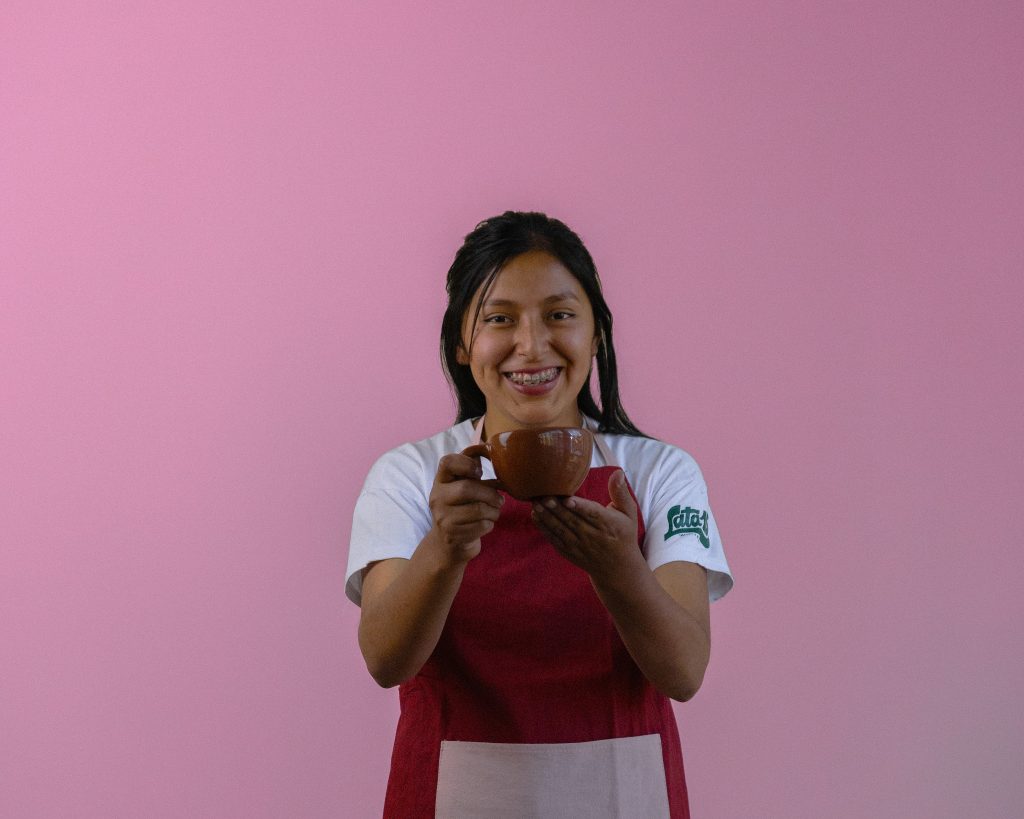
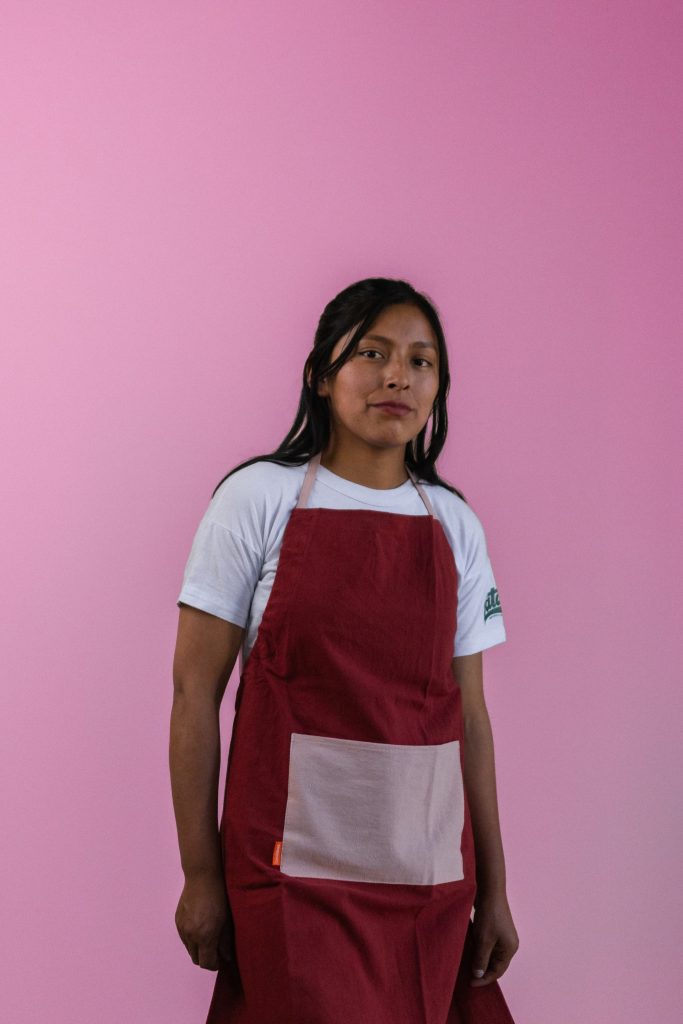
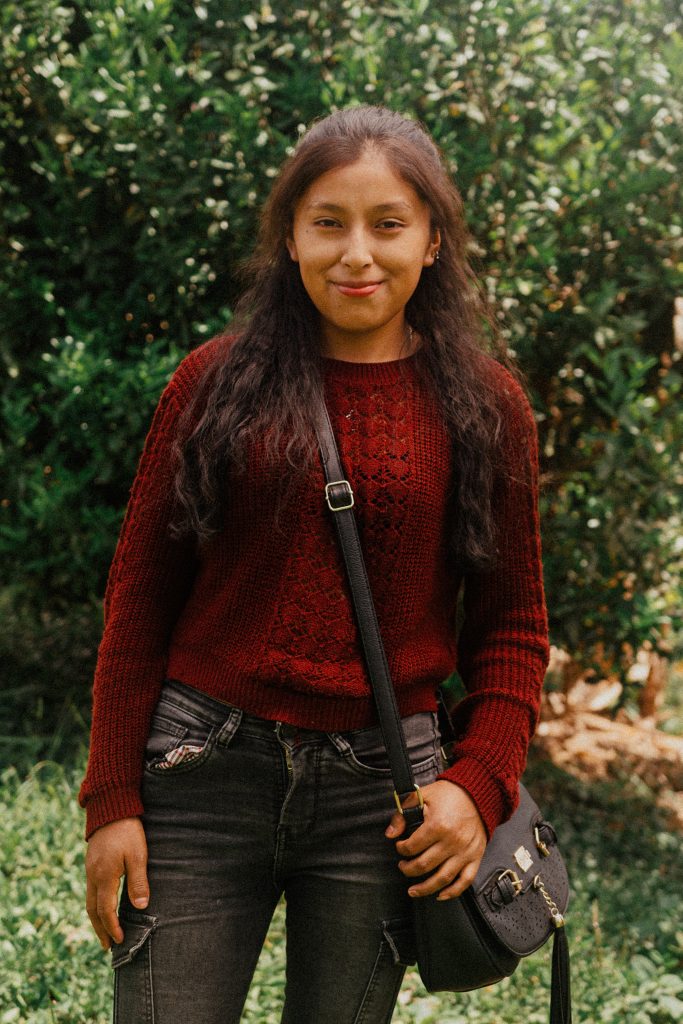
Yulissa Chambi is a young and accomplished Bolivian coffee professional whose coffee we are proud to feature for the fourth consecutive year as a Crown Jewel.
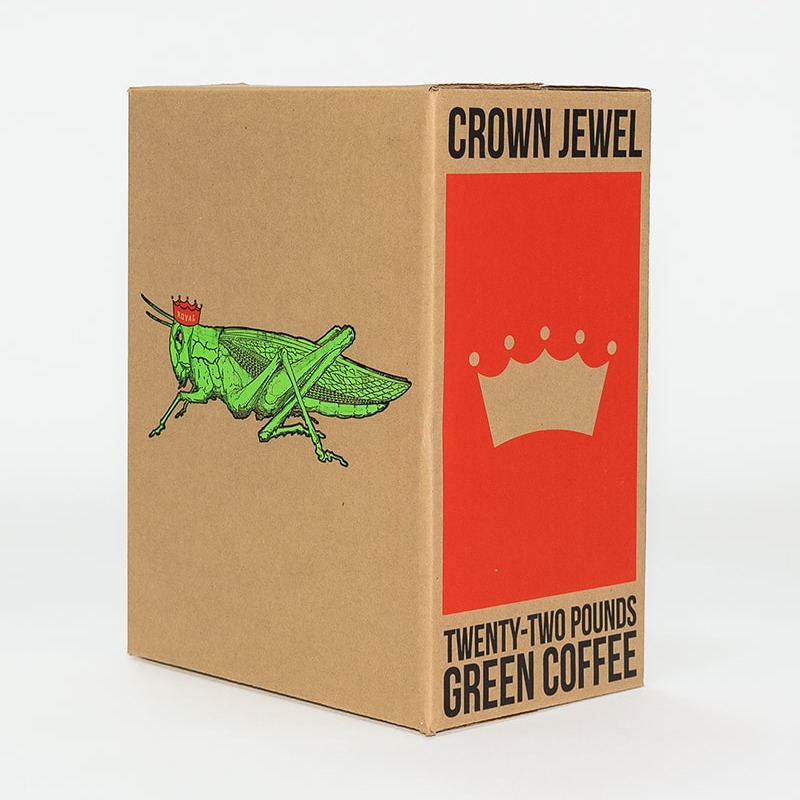
22lb Boxes
Spot

Overview
Overview
This is a low intervention washed coffee from the Caranavi province in Bolivia, produced by Yulissa Chambi. It is certified organic.
The flavor profile is clean and soft without feeling subdued. Its gingerbread baking spice notes and roasted hazelnut notes are delicately accented by hints of crisp plum and tart cranberry.
Our roasters found this washed coffee from Yulissa Chambi best suited for espresso with a controlled, gradual step-down from color change to a steady first crack.
When brewed, the team recommends a moderate dose and moderate grind size on a flat-bottom brewer.
Taste
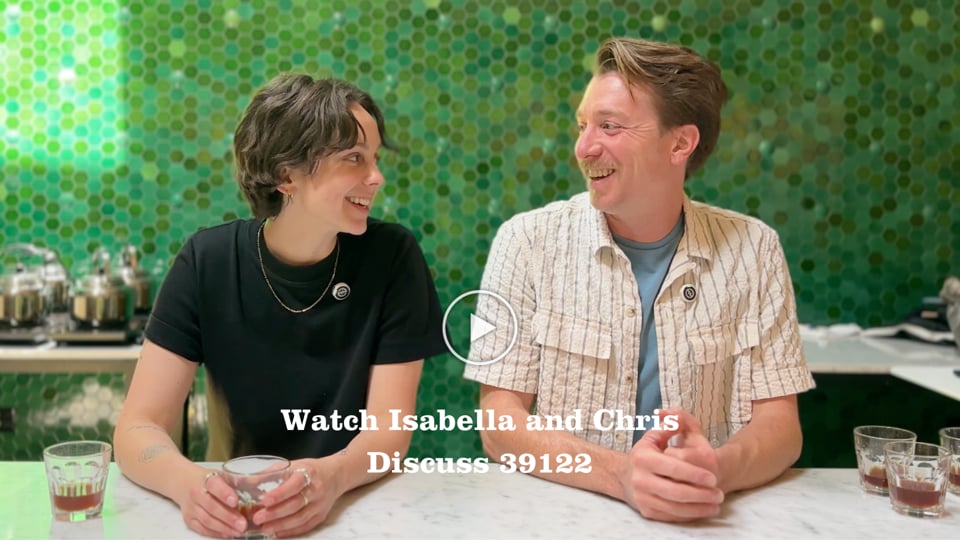
Taste Analysis by Isabella Vitaliano
This is our fifth season sourcing coffee from Yulissa Chambi, a young but experienced grower in Bolivia. With the help of her brother Felix, who supports with logistics, we are able to get this coffee from her. I’ve had the chance to meet Felix in past years and he has a very soft and gentle demeanor that is not to be underestimated he has been a force connecting Bolivian producers to the specialty coffee market. And while I haven’t met Yulissa, she was at World of Coffee this year, I imagine that her strength and determination come out in her character. Royal feels so proud to continually source from this duo.
A washed option from Yulissa, this coffee has lots of hazelnut, raspberry, gingerbread and baking spices. It is soft but not subdued as it remains crisp and clean with tangy plum and fresh goat cheese. Fruit notes lie underneath the surface in the form of purple grape and cranberry. Headed to espresso at the Crown I imagine more deep chocolate flavors will come through paired with more florals and tart cranberries.
Source
Source Analysis by Charlie Habegger
Yulissa Chambi is a young and accomplished Bolivian coffee professional whose coffee we are proud to feature for the fifth consecutive year as a Crown Jewel. Doing so year after year has not been easy—her coffee is limited and highly sought after locally thanks to her rapid ascent in Bolivia’s national specialty scene.
Yulissa’s personal story is a nice analog to the recent history of Bolivia’s specialty coffee as a whole. After decades of neglect, the family farm was recently reinvigorated and now produces some of the tastiest washed coffee anywhere in South America. Along the way, Yulissa became Bolivia’s National Aeropress Champion and very involved barista. As a producer, Yulissa’s particular ability to use anaerobic fermentation, not as a transformation effort but as a subtle enrichment of the already abundant botanical flavors of her fully washed coffee, is among the best applications of the method we taste each year from anywhere.
This year’s lot from Yulissa’s farm is lightly creamy with a sweetness evocative of a tropical fruit smoothie. There’s a balanced florality that ranges from soft jasmine to invigorating juniper, and the kind of tart center of red fruits and complex brown sugars that come from perfectly ripe picked cherry.
Caranavi and its Coffee
Bolivia is South America’s only landlocked coffee producing country and is the smallest exporter of coffee on the continent. The quality of that coffee, however, is hardly lacking in diversity or beauty. Bolivia’s terrain and geography is gifted for arabica production, particularly throughout the Yungas region (Yungas is Aymara for “warm lands”), whose mountain ranges connect the low and humid Amazonian basin to the dry Andean altiplano above. The most productive municipality in the Yungas is by far Caranavi, which still produces an estimated 85-90% of Bolivia’s specialty coffee.
Caranavi’s landscape is steep, humid, rugged, and remote, with natural forest making up more than 90% of the territory. Historically coffee in this area was challenged by a devastating combination of isolation and national disinvestment. These days, after decades of struggle, coffee farms in Caranavi’s high and tropical climate tend to be well-managed and diversified, but small. Coffee growers here still often don’t have processing equipment or transportation of their own, a massive hurdle in such territory.
Yulissa’s Farm
In the 1980s, Yulissa’s family purchased a 20-hectare piece of property in the Yungas region, in the mountains surrounding the small valley city of Caranavi. At the time, the farm was pure jungle; no roads or services of any kind could access it.
5 years after the purchase, her family planted 4 hectares of coffee. For the next 40 years the family land was cherished for its location and refuge from city life in La Paz, but due to declining coffee prices and disinvestment from Bolivia’s government, coffee production was not a viable trade for the family, and was therefore not an investment worth making. Over the years the coffee trees aged and lost their production, and the family remained in the city where occupational prospects were far better.
In 2019, Yulissa’s generation decided it was time to renovate the farm. Bolivia’s specialty coffee had developed to the point where Caranavi was seen as an area of high terroir potential, and Yulissa herself, barely out of secondary school, was interested in the bubbling specialty roaster and barista culture in the city.
Between 2019 and 2021, the original 4 hectares were re-planted, along with 3 new ones. With this newly invigorated coffee under her control, Yulissa dedicated herself to producing coffee the best way possible. In the process she also set to learning the rest of the value chain, from milling to roasting and barismo—the art and practice of being a barista, which strangely has no English equivalent.
The 7 hectares of coffee is managed by extended family and neighbors throughout the year. During harvest the family employs 8 pickers, and otherwise covers all necessary harvesting and processing themselves.
Washed Processing
Yulissa’s washed process mirrors that of the general region. Fresh hand-harvested cherry is sorted for ripeness and floated in water to eliminate the less dense fruit. After selection is complete, the cherry is mechanically depulped and fermented in a traditional open top tank for 20 hours, until the residual mucilage is mostly dissolved. After this short fermentation in parchment, the mucilage is carefully washed away and the parchment is transferred to raised screen beds to dry in the sun until the parchment reaches a final moisture content of 10-12%.
Since Bolivia is a landlocked coffee producing country, all farmers, and microlot farmers more than most, need help getting their coffee to the international market. Felix Chambi Garcia, a contact of Royal’s who works with various producer groups in the country, has become an important figure, helping producers with the logistics of moving coffee to the dry mill where quality and traceability are protected during the preparation for export.
Green
Green Analysis by Isabella Vitaliano
This is the fifth harvest season we’ve purchased coffee from Yulissa, and the lots just keep getting better. Meticulous with a particular eye, we found the green coffee to have perfect specs. A slightly larger screen size range, with density that is a bit on the higher side and moisture content a little bit below average range. Water activity is also in the lower range as well. Be sure to check out the roast notes for more details on roasting.
Offerings from Bolivia can be few and far between due to the lack of government support, it being landlocked, competing cocoa production, labor shortage, and extremely low production volume (85,000 kg bags for 2024). Most often used as a single origin offering for coffee roasters, we rarely see them sold to consumers in blends because roasters and importers must be intentional about sourcing these coffees. Coffee profiles from this coffee are often very sweet and clean but do not have very strong fruity flavors.
Loring
Loring Falcon S15 Analysis by Doris Garrido
This year, I finally met the renowned Yulissa Chambi, the young girl behind some of our very favorite coffees from Bolivia. Whenever I meet my favorite producers, I can’t help but ask for their secrets, even though I know I’m not yet fully equipped to understand them, having never worked on a coffee farm myself. However, I am very curious about all the processes they work on and love getting to know the results year by year.
Felix Chambi, Yulissa’s older brother, runs the labs in Caranavi and in La Paz making sure the coffee meets the quality they are aiming for, he made it possible for us to get Yulissa’s coffee. Yulissa works on everything from the growing of the plants to the processing wet and dry as well as her career in Barista competition. The siblings are incredibly generous with their knowledge, and I feel fortunate to call them friends. I was invited to roast in Bolivia, and I am very excited to do it at such a high altitude.
Regarding the roast, I have profiled this coffee specifically for our new espresso option. We rotate the menu at The Crown as fresh arrivals come in, so if you are nearby, you can be sure you’re tasting the freshest and most vibrant crops available.
I used a charge temperature of 440°F for this batch, maintaining the 100% power for the first three minutes before I began stepping down the gas. My goal was to gradually slow the rate of change to ensure a controlled entry into the first crack. I made gas adjustments as follows: 80% at 310°F, 60% at 340°F, 50% at 360°F, and finally 40% at 390°F. By managing the energy this way, I entered the first crack at a steady 10°F per minute, which provided enough momentum to finish the roast at 406°F with 1 minute and 39 seconds of post-development time.
The initial notes I captured from this coffee were unique, cherimoya acidity, lemon, delicate white tea, papaya, grilled lemons, and candied fruits. While the body starts soft and peach-like, the acidity becomes more pronounced as it cools, shifted towards pomelo. I just got my first espresso of this coffee from the bar, and I am more than pleased with the finish. I was already thinking about what I can improve for my following roast, but so far it is tasting magnifique: buttery, creamy, milk chocolate sweetness, and soft lemonade acidity, I am sure this coffee will please all crowds.
Aillio
Aillio Bullet R1 IBTS Analysis by Chris Kornman
We use the RoasTime app and roast.world site to document our roasts on the Bullet. You can find our roast documentation below by searching on roast.world, or by clicking on the link below.
Take a look at our roast profiles below, as they are constantly changing!
I took the Bullet for a spin this week, and enjoyed roasting this easy-to-work with, classic washed coffee from our friends Yulissa Chambi and her brother Felix.
The roast followed fairly closely my standard 500g quick roast, which employs a static drum speed, starts hot, and gradually reduces burner power and increases fan speed. The coffee quickly absorbed heat during Maillard Reactions/color change and I needed to reduce heat and increase fan speed somewhat dramatically to prevent over-development. The roast finished in a brisk seven-and-a-half minutes.
At the cupping table, I enjoyed the coffees inherent sweetness, like that of salted caramel, with plenty of dark chocolate structure to support hints of fresh basil and meyer lemon. There’s not a ton of acidity here, but enough for my colleagues to note flavors of stone fruits like cherry, plum, and apricot, meyer lemon.
This coffee will readily roast darker if that’s your preference, with a penchant for caramelized sweetness that should easily endure up to second crack. Personally, I prefer lighter styles, and this one did not dissappoint. I was impressed by the sturdy mouthfeel even at my lighter roast level.
You can follow along with my roast here at roast.world: https://roast.world/ckornman.wnD2/roasts/bRhq5oEYzAzv8MrsGwUAq
IKawa
Ikawa Pro V3 Analysis by Isabella Vitaliano
Our current Ikawa practice compares two sample roast profiles, originally designed for different densities of green coffee. The two roasts differ slightly in total length, charge temperature, and time spent between color change in first crack. You can learn more about the profiles here.
On the light density version of this coffee there were lots sweet caramel, Aperol and citrus notes. The high-density roast was more compact with crisp flavor along with cooked apple and pastry dough. I recommend exploring the high density roast to see where you can really take this coffee, it feels like a fuller expression of what the profile has to offer.
You can roast your own by linking to our profiles in the Ikawa Pro app here:
- Roast 1: Low Density Sample Roast
- Roast 2: High Density Sample Roast
Brew
Brew Analysis by Tim Tran
From first taste, this coffee gave me warm comfort flavors, and the often-uttered thought here at the Crown crossed my mind: “Yulissa’s done it again.” This washed coffee from Bolivia gives a cozy initial wrapping of flavors that fall away to delicately layered complexity that reminds you coffee is still indeed a fruit-product.
My favorite brew was a moderate dose of coffee, at a moderate grind size, brewed at a 1:16.67 ratio on a flat-bottom brewer. This coffee yielded a 1.22 TDS with a 17.38% extraction. Immediately on sip, very pronounced toffee, creme brulee, and hazelnut notes stood out on the front palate, which gave way to notes of cooked strawberry and kumquat on the midpalate. Sweetness at all points, really!
My second recommended brew was a similar recipe, but on a conical brewer. This brew yielded similar extraction metrics, but the flavor in the cup definitely leaned more herbal in a uniquely interesting way. I tasted complementary notes of basil to back those toffee and hazelnut notes. The herbal notes formed an interesting bridge from the upfront caramel notes to the midpalate fruited notes that made the taste journey a fun coffee treat.
This coffee is a fun coffee to brew, yielding a gluttony of classic comfort flavors, while still providing a unique cup with each recipe. Ultimately I recommend a moderate dose and moderate grind size on a flat-bottom brewer. Enjoy!
Related Coffee

Chocolate, bubbly, cherry, grape juice, orange
Oakland 10 Boxes
Crown Jewel Bolivia Organic Anaerobic Washed Yulissa Chambi
39121-1 – SPOT RCWHSE
Chocolate, bubbly, cherry, grape juice, orange
Spot
10 Boxes
$232.27 per box
Cherry, grapefruit, apricot, floral, and lime
Oakland 25 Boxes
Crown Jewel Colombia Washed SL-28 Juliana Guevara & Wbeimar Lasso
38868-1 – SPOT RCWHSE
Cherry, grapefruit, apricot, floral, and lime
Spot
25 Boxes
$259.91 per box

Green apple, jolly rancher, apple, mojito, apple cider
Oakland 10 Boxes
Crown Jewel Colombia Carbonic Honey Green Apple Co-Ferment Edwin Noreña
37700-2 – SPOT RCWHSE
Green apple, jolly rancher, apple, mojito, apple cider
Spot
10 Boxes
$367.77 per box
Chamomile, toffee, mandarin, cane sugar, caramel
Oakland 19 Boxes
Crown Jewel Ecuador Washed Sidra Juan Peña
40303-2 – SPOT RCWHSE
Chamomile, toffee, mandarin, cane sugar, caramel
Spot
19 Boxes
$319.05 per box