
As we enter the main shipping season, we want to give you clarity on the three dates you’ll see most often when a shipment is moving: the Shipment/Delivery Period, Intend Ship Date and ETA. Each marks a different moment in a coffee’s journey and helps you plan your purchasing timeline with confidence.
We’ve also put together real transit averages – not estimates from steamship lines, but numbers drawn from actual shipments we’ve tracked over the past year. These offer a realistic timeline from port to spot availability.
Shipment Period vs. Delivery Period
These two terms get used interchangeably in the trade, but they mean different things, and the difference matters for your purchasing calendar.
Shipment Period refers to when a coffee is scheduled to leave the origin port aboard a vessel. A “May Shipment” coffee is one booked to depart origin in May. It is not available in May. Depending on the lane, that lot will reach our warehouse anywhere from 30 to 60+ days after departure.
Delivery Period refers to when a coffee is scheduled to arrive at the destination port. A “May Delivery” coffee is one expected to arrive at the U.S. or Canadian discharge port in May. Even then, the coffee is not yet spot-available. After port arrival, containers still need 10 to 15 days for customs clearance, drayage to our warehouse, devanning, sampling and cup approval before the lot is released for sale.
What this Means for Planning your Purchases
If a lot is offered as May Shipment, expect spot availability sometime between mid-June and early August, depending on origin and lane.
If a lot is offered as May Delivery, expect spot availability in mid-to-late May, give or take a week for clearance and approval cupping.
When in doubt, ask your trader which window is being referenced. The transit averages below show the full picture from departure to warehouse availability, so you can map any shipment month to a realistic spot date for your roastery.
Intend Ship Date
This is the date the shipper has booked with the steamship line for the coffee to load the departing vessel at the port of origin.
When you see an Intend Ship Date on a contract or offer, it means we’ve confirmed the booking and the lot is processing towards departure. For many reasons, including mill or port congestion and weather, a booking date can be delayed even before departure. When a container is rebooked to depart on another vessel, we say the departure was “rolled.” With a goal of keeping the most visibility on the coffee’s location and progress, we don’t replace the Intend Ship Date for the ETA Date until the load is confirmed afloat.
ETA – Estimated Time of Availability
The steamship line’s online tracking advises the estimated time of arrival at port. Our positions list the date we expect the goods to be available at our warehouse, which is typically 10–15 days after the steamship line’s ETA at port. Once goods arrive at port, they must be customs and freight cleared, drayed to the warehouse, unloaded, sampled and cupped for approval.
For the duration of the shipment, it is common for ETA’s to be delayed. Vessels affected by weather or port schedules arrive within 1-3 days of the posted ETA. Containers discharged at congested transshipment ports are rolled from the original transit plan to a later vessel, creating delays from 5 days to weeks. Cartagena, Colombia is the greatest among coffee transshipment ports, and congestion in the busy port is the root of many delays during busy coffee seasons. In Cartagena, goods loaded on ships coming up from Brazil or down from Honduras are transshipped from Atlantic lanes to ships crossing the Panama Canal for deliveries from Los Angeles to Vancouver. Goods are also picked up from the west coast of Central America heading south, then discharged in Cartagena to catch ships heading north.
Port strikes are another recurring cause of delays. A strike by port workers or trucking companies at origin, at a transshipment port or a key hub such as Los Angeles can impact schedules throughout the supply chain.
Plan ahead with sufficient lead time to account for probable delays in booked schedules. To assist you, we’ve gathered our real time transit averages here.
Real Transit Averages by Lane:
The figures below are average days from Intend Ship/BL Date to warehouse availability, drawn from real shipments over the past 12+ months. They are longer than steamship line estimates for two reasons: they reflect actual delays we’ve experienced, and they include the full port-to-warehouse leg that SSL schedules don’t count.
A few things worth knowing about these numbers:
- These are real averages based on shipments over the past year – they reflect actual transit delays, not steamship line projections.
- All times are from Bill of Lading Date (loading date) to warehouse availability, including the 10–15 days containers typically spend between port arrival and devanning, plus time to cup and approve the arrival sample.
- Colombia has three active ports for coffee exports. Timelines out of Cartagena and Buenaventura to US ports are comparable. Sierra Nevada coffees shipping from Santa Marta take longer, nearly 60 days to Oakland. Service from Santa Marta to Seattle and Vancouver is not available.
- Guatemala and Costa Rica ship from both West and East Coast ports to U.S. destinations. West Coast ports (Puerto Quetzal, Caldera) offer shorter transit times to West Coast destinations but have limited vessel space and congestion. We push shipments from East Coast ports to US West Coast destinations to move volumes on schedule.
- Brazilian shipments to Oakland and Seattle have long ocean transits compared to deliveries to New York and Chicago.
- While the infographic informs transits of Mexican coffees from Veracruz, faster transits are available by truck via Laredo, TX.
Ready to talk about what’s moving this season?
If you’re planning purchases around specific availability windows, your trader can pull current Intend Ship and ETA dates on any lot in our offering. Now’s a good time to get ahead of it. Contact your trader or email us.

Latest Articles by Royal Coffee
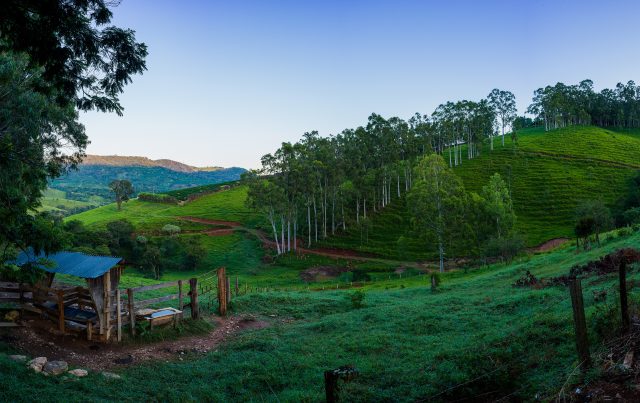
Brazil: Why It’s Worth Booking Before September
New crop Brazils won't land until October or November, that's just the harvest calendar. But spot availability on Brazil macrolots has tightened this summer, and roasters waiting until fall are...
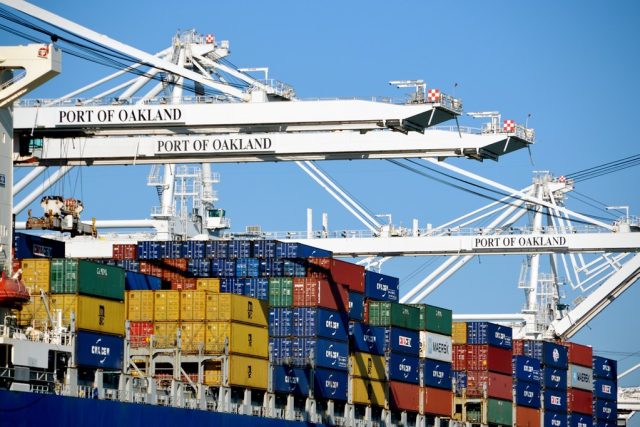
IEEPA Tariff Refunds: Where Royal Coffee Stands
CBP's new CAPE refund portal is live, and Royal Coffee has filed its Phase 1 claims. No refunds have been issued to date, and timing at the customer level remains...
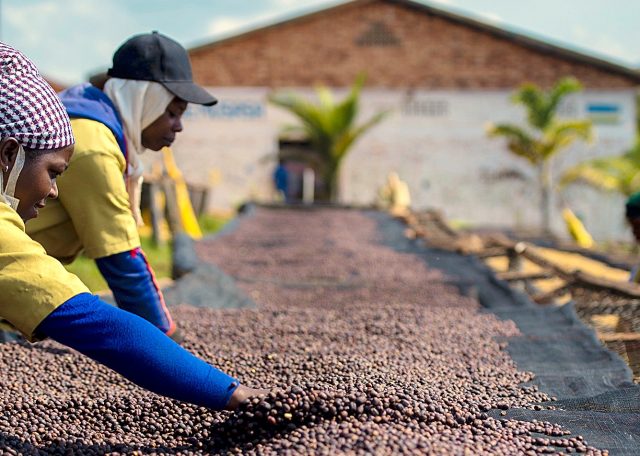
Why Don’t We See More Organic Coffee?
Organic coffee didn’t disappear. It just stopped being the headline. While global demand continues to grow, specialty roasters have shifted focus to varietals, processing, and story, pushing organic into the...