
Article Summary:
Microlot is a third wave term and represents highly traceable coffee in the 7-50 bag range. Elevation, processing techniques, cultivar, farm name, region, farm size producer name, producer story and more are all elements that can be provided when purchasing a microlot coffee. Producers are often contributing to both microlots and bulk coffee, diversifying inventory is a good course of action to protect themselves against the expenses that are involved when making a microlot. Pricing for microlots are often fixed prices which is determined irrespective of the c-market price. Microlots don’t always necessitate that the coffee will be high quality. From Ethiopia and Kenya it is common find a coffee in the 88 cup score range and can take up a container (40,000lb) or even two. Trends come and go in the industry but right now, co-fermentation has slowly been increasing in popularity over the past three years and seems like its here to stay. Microlots with specific cultivar such as Sudan Rume, Simba, Esperanza and Marsellesa are also increasingly popular as well as being used in coffee competitions.
- Microlots do not have a size requirement but often in the 7-50 bag range.
- Highly traceable consumers can obtain information like elevation, processing techniques, cultivar, farm name, region, farm size producer name, producer story (all at the producers discretion.
- Pricing for these coffees is based on fixed prices.
- Microlots do not equal high cup quality but often go hand in hand.
- Microlot trends right now are co-fermentation and cultivars.
- Other industries have color options such as wine and cacao.
What is a microlot coffee? Who uses this term and who benefits?
Microlot is a third wave coffee term, but almost any specialty importer will be using this term to differentiate their coffees to roaster. Microlots are smaller lots of coffee often from a single producer or organized by a coop.
There are a few reasons why this term is used, as the coffee industry developed there was an increase in demand to understand where a coffee is coming from, what processing methods are used, how the elevation is, and who is growing it- highly traceable lots. The more information a roaster can obtain about a coffee, the better the story, the easier it is to sell to a consumer. Both a producer and roasters can benefit from this production and marketing strategy.
Pricing. Contracting. Benefits of bulk coffee
Producers generally aren’t only selling microlots, often, the best course of action for a producer, coop or exporting company is to diversify their offerings. Having cheap bulk coffee that is easy to sell can help support whatever financial constraints that come from holding onto a more expensive coffee before they are able to sell it. Microlot coffees are often more involved in terms of labor, time, processing and equipment, all representing a need for cash flow. This is reflected directly in the cost but because of the higher price point, these coffees may not sell as quickly as other lots available. Bulk cheaper coffees can make up for this discrepancy in cash flow and support producers while waiting to sell the next lot. Microlots, while seen as most valuable, are a risky endeavor for producers. This is not the case for everyone; there are some exporters that specialize only in microlots from certain regions. With the right marketing, financing and producers, some export groups have created their niche on solid ground within the industry.
Pricing can be a little bit tricky. It is assumed that micro-lot coffees score higher and therefore will have a higher price point when selling but this isn’t always the case. As an example, a producer who is just starting out, trying a new processing method or cultivar and it doesn’t work out the way they hoped, they might not get the price they want. Ideally, if someone is investing the time and labor to create a microlot, it would result in higher market prices.
When contracting coffees the prices are irrespective of the c-market and will be written up as fixed price. Coffees written up respectively to the c-market are up as a differential, which defines the c-market price plus the additional cost agreed upon ex: DEC25 + 1.50 (C market price at dec 2025 plus a $1.50).
How small or large is a microlot?
There is no size requirement for a microlot but most often, a microlots offering is in between the 7-50 bag range. For context, a full container of coffee carries roughly 260 bags of coffee.
What is the difference between quality and microlot? Most microlots are good in theory but this does not necessitate quality. Same idea with larger lots, large bulk lots are often in lower quality but if we talk about places like Kenya or Ethiopia, it is common to get fantastic coffee (88+) in container quantity or even two. While this is not considered a microlot, there is an obvious advantage of quality when selling coffees like this and therefore they get great prices.
Trends
Many trends come and go but one that might be here to stay, at least for a little while, is the increasingly available co-fermented coffee. There are many of these processing types coming out of Colombia, a sort of hub for experimentation in the industry but more and more we see coffees coming from other countries like Indonesia or Ethiopia. Because these coffees are highly experimental, doing it on such a high scale it not feasible and will likely remain in the microlot quantity range. Cultivar trend is also very common, Sudan Rume and Simba are increasingly popular and some newer agents in the market like Esperanza and Marsellesa
Microlots in other industries
Other industries utilize the term microlot such as wine and cacao. Both are deeply connected to coffee in their own ways and both use the term to support differentiation to the market, supporting smaller batches often from single lot producers. With big cacao and big wine consumers are drawn to small batches with focused intention and creativity. There are similar trends of co-fermentation or fermentation in general in wine and cacao.
Royal Coffee offerings
Royal offers a range of coffees including a high-end line of microlots called Crown Jewels. The products are the most traceable of our offerings and include source, green coffee metric, taste and roast analyses. If you are looking to up your microlot game in accessible 22lb boxes, the range is the perfect fit.

Latest Articles by Isabella Vitaliano
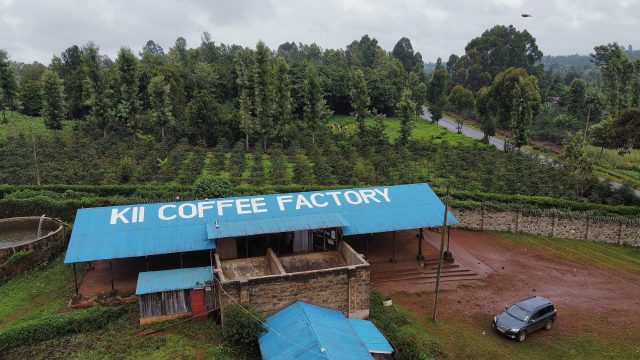
Kenya Green Coffee Export Review
One of the most sought after origins in specialty coffee, its profile has iconic savory notes like tomato and punchy acidity.
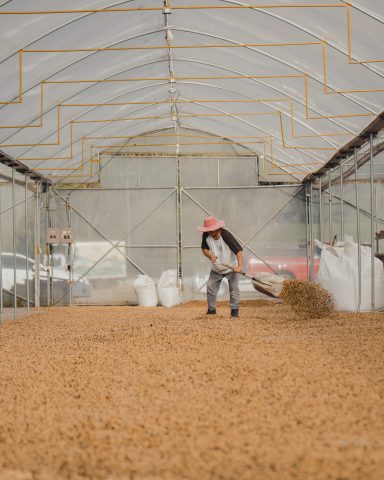
Costa Rica Green Coffee Export Review
Well known for organic coffee production, eco-tourism, and modern processing culture dominated by top quality honeys and naturals, Costa Rica contributes a little over a million 60kg bags annually to...
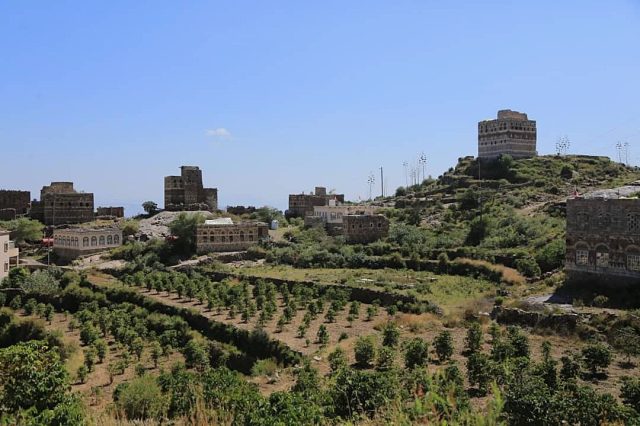
Yemen Green Coffee Export Review
Yemen is where commercial coffee cultivation began, and where it remains among the rarest and most prized in the world. An arid climate, heirloom varieties, and traditional natural processing produce...