Shop Green Coffee
Filter
Sort By

Boliva is primed for excellent coffee: a new generation of coffee farmers dedicated to producing high-quality coffee are taking the stage in Bolivia. For the first time in the country’s history, green coffee production has funding and support from the federal government.

As far as cup quality, look out for bright malic and citric notes, sweet caramelly chocolates, and crisply clean washed coffees. Producers are building deep technical knowledge and implementing new processing methods, so look out for new processes from this region in the coming harvests.
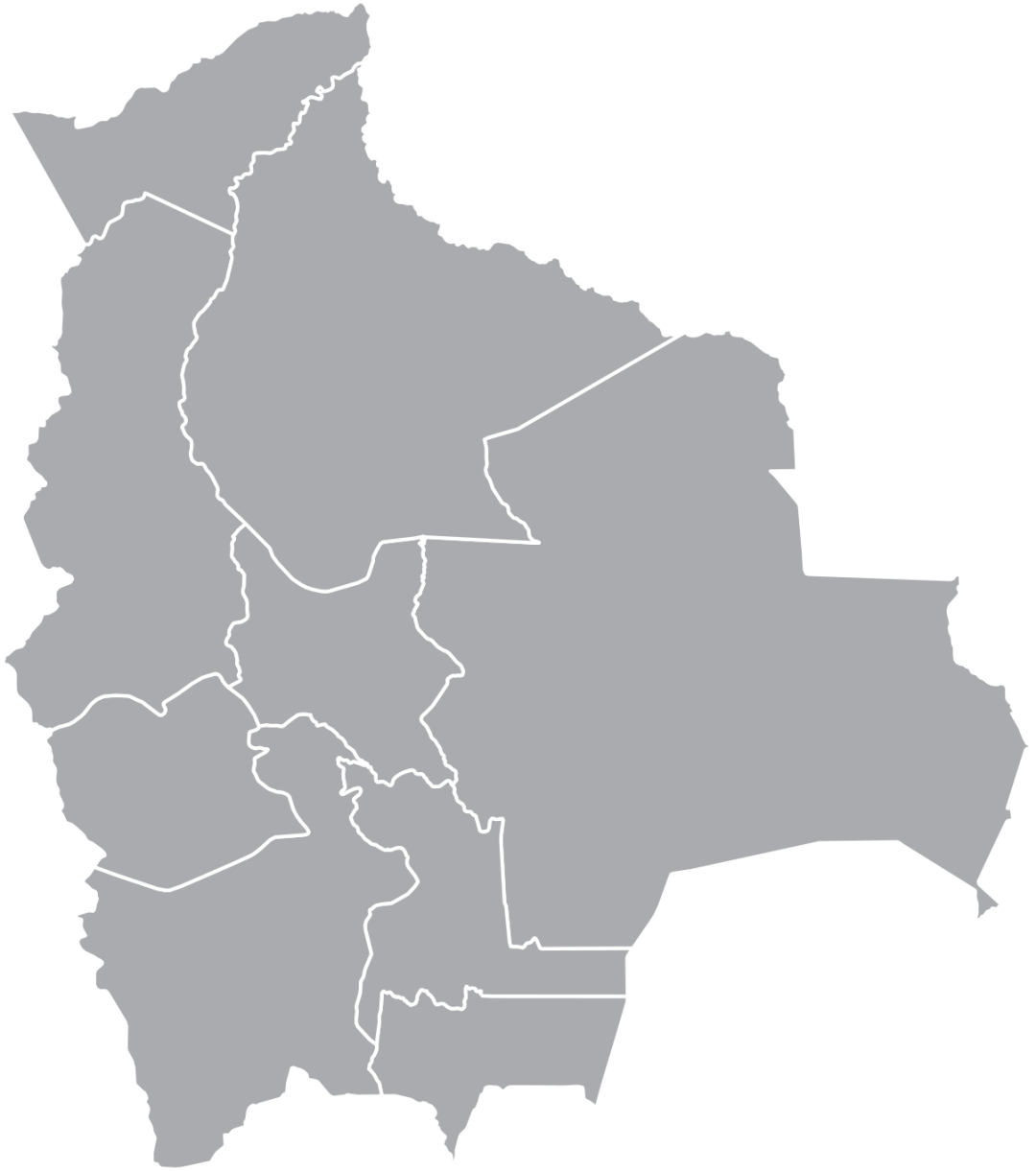
Bolivia Map
Purchase Options
Origin
Warehouse
Size
Position
Certification
Curated
Price
Process

Showing all 5 results

      Cocoa, melon, vanilla

      Vancouver 31 Bags

      38163-3 – 69.0 kg GrainPro Bags – SPOT SEAFORTH

      $4.68 per pound

      BOLIVIA FT-FLO ORGANIC COOP SAN JUAN

      38163-3 – 69.0 kg GrainPro Bags – SPOT SEAFORTH

      Cocoa, melon, vanilla

      Spot

      31 Bags

      $4.68 per pound
      Kiwi, grapefruit, passion fruit, melon, toffee, walnut, pine

      Houston 19 Bags

      39120-1 – GrainPro Bags – SPOT DUPUYHOU

      $5.78 per pound

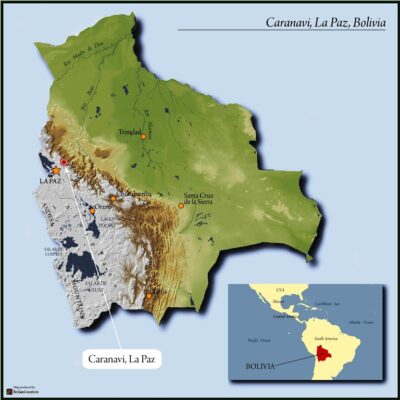
      BOLIVIA ORGANIC CARANAVI ALJIRI

      39120-1 – GrainPro Bags – SPOT DUPUYHOU

      Kiwi, grapefruit, passion fruit, melon, toffee, walnut, pine

      Spot

      19 Bags

      $5.78 per pound

      Kiwi, grapefruit, passion fruit, melon, toffee, walnut, pine

      Shanghai 3 Bags

      39120-4 – GrainPro Bags – ETA: Jun 30, 2026 – SHANGHAI

      Get a Quote

      BOLIVIA ORGANIC CARANAVI ALJIRI

      39120-4 – GrainPro Bags – ETA: Jun 30, 2026 – SHANGHAI

      Kiwi, grapefruit, passion fruit, melon, toffee, walnut, pine

      In Transit

      3 Bags

      Kiwi, grapefruit, passion fruit, melon, toffee, walnut, pine

      Midwest 3 Bags

      39120-5 – GrainPro Bags – ETA: Jun 15, 2026 – COMIDWEST

      BOLIVIA ORGANIC CARANAVI ALJIRI

      39120-5 – GrainPro Bags – ETA: Jun 15, 2026 – COMIDWEST

      Kiwi, grapefruit, passion fruit, melon, toffee, walnut, pine

      In Transit

      3 Bags
      White Tea, basil, biscoff cookie, cacao, candied fruits

      Oakland 36 Boxes

      39122-1 – SPOT RCWHSE

      $220.94 per box

      White Tea, basil, biscoff cookie, cacao, candied fruits

      Spot

      36 Boxes

      $220.94 per box

Bolivia Green Coffee

Although Bolivian coffees have traditionally characterized as chocolatey with citric acidity, improved producer training, processing methods, and even new varieties are expanding the bounds of what coffee from this origin can taste like.  

On the cupping table of the Taza Presidencial competition, we find that the best Bolivian coffees come in a variety of chuggable flavors. Tropical notes of the Amazon abound – passionfruit, hibiscus, and chirimoya among them. Florals tend to be in the realm of jasmine and rose. Sugars range from chancaca – the Andes’ version of unrefined sugar – to caramel and chocolate.

The epicenter of specialty coffee production in Bolivia is Los Yungas—a tropical and subtropical forest just on the Eastern slopes of the Andes. It has a wide range of altitudes that can change abruptly as a result of steep climbs and sheer cliffs. The region is dense with vegetation and has been an agricultural center for centuries. The geography of Los Yungas is challenging to navigate, and the lack of infrastructure kept it relatively isolated for a long time. For many years, the only road in and out of Los Yungas to La Paz was known as “Death Road” (“el camino de la muerte”). The new highway, though better paved, is just as narrow and with just as many hairpin turns.  

Other regions that grow coffee include Santa Cruz, Beni, Cochabamba, Tarija, and Pando, although at a much lower scale than the Yungas and at a lower perceived quality. Contradicting this concept is the 2021 Taza Presidencial winner, a Red Catuai from Cochabamaba. While Los Yungas is the coffee capital of Bolivia, other regions have enormous potential.  

Bolivia’s coffee production has historically been very low and has only begun to increase in recent years.  

Coffee has been cultivated in Bolivia since the early twentieth century, but has always had fierce competition from the coca, a plant native to this region of South America. Coca has important cultural significance in the Altiplano and, with little processing and up to four harvests a year, is an incredibly easy-to-grow cash crop with an eager international market. For the last 150 years or so, Bolivia has searched for crops that can compete, but the tenacity of the coca leaf—both as a cultural product and as one intensely desired by international consumers—has been difficult compete with. At the turn of the twentieth century, coca made up more than 95 percent of Bolivia’s exported agricultural product; though other crops were produced in great volume, they were exclusively consumed in the local market and were never prepared for export. 

Since the 1980s the Bolivian government has been actively disincentivizing the production of coca. There are strict limits around who can produce it commercially, and how much farmers can produce for personal consumption. The implementation of government led “Alternative Development” programs worked with farmers to switch them to alternate crops and away from coca. Coffee was among the crops promoted by these programs, but it was never given the attention it needed to take hold.   

The global demand and high prices for coffee in the 1970s inspired many farmers to invest in coffee production, along with the encouragement of governmental programs and support from NGOs like USAID and the UN.  Though there was still very little training and information, coffee production finally stuck, and in the early 90’s Bolivia reached its highest volume production to date – around 150,000 60kg bags annually. 

Sadly, production fell again after the price crisis of the early 21st century, paired with poor crop management. The Cup of Excellence competitions in country were instrumental in inspiring the current generation of coffee professionals in Bolivia, but it’s departure in 2009 after such a brief tenure was followed by a period of extreme scarcity of coffee; in 2014 Bolivia produced just 30,000 bags nationally – comparable to the output of one big estate in Brazil.  

Since then, production has picked back up with a new generation of coffee professionals, and government investment in programs like Taza Presidencial. We are expecting to see a steady increase in production volumes year after year, matched by increasing quality and producers continue to improve processing and storing methods.  With the rise of the internet and mass communication, there is – for the first time – access to information that can fuel the search for knowledge of these curious and dedicated young coffee professionals. Bolivia’s coffee future is bright, and we are honored to bring some of these coffees to the US. 

FAQ

The bulk of harvest happens through July and November, Bolivia’s dry season. At higher elevations, harvest may extend into later months, but this is unusual.   

This means North American arrival times can start as early as January and can run through May. 

Bolivia is at a pivotal moment: In the cities, people are drinking specialty coffee; something that’s only become available to them in the past ten years but is growing more popular by the day. La Paz has dozens of coffee shops, and Bolivians are drinking and enjoying specialty coffee grown and roasted right in their own country. In the countryside, people are planting coffee at an unprecedented rate; it’s likely we’ll see a boom from this origin in the next few harvests. After many cycles of neglect, the intense competition of other cash crops, and a lack of infrastructure to produce quality coffee, this new wave is surging against all odds.     

And for the first time, this increased dedication to quality on the part of new growers is matched by government interest in coffee crops. Bolivia is now providing federal support and strategic planning for this sector. The “Taza Presidencial” competition, a regional cupping competition meant to replace the still inactive COE, has been taking place yearly since 2015. After an audience with former President Evo Morales in 2017, the National Strategy for Comprehensive Sustainable Development now includes a coffee strategy that has its sights set on increasing production, reaching a target goal of 2 million bags of coffee per year, and finding new markets.    

Everything is primed for success: Bolivians are returning to the coffee industry after a long period of decline. Production is set to continue increasing in Bolivia over the next few years, as new farmers begin their first harvests. One of Bolivia’s main challenges is its incredibly low production, and it is yet to be seen what increased volumes will mean for this coffee industry. There will be some growing pains as infrastructure for processing, warehousing and exporting catches up to support increased volumes, but plans are already underway for new washing stations and continued training for producers.