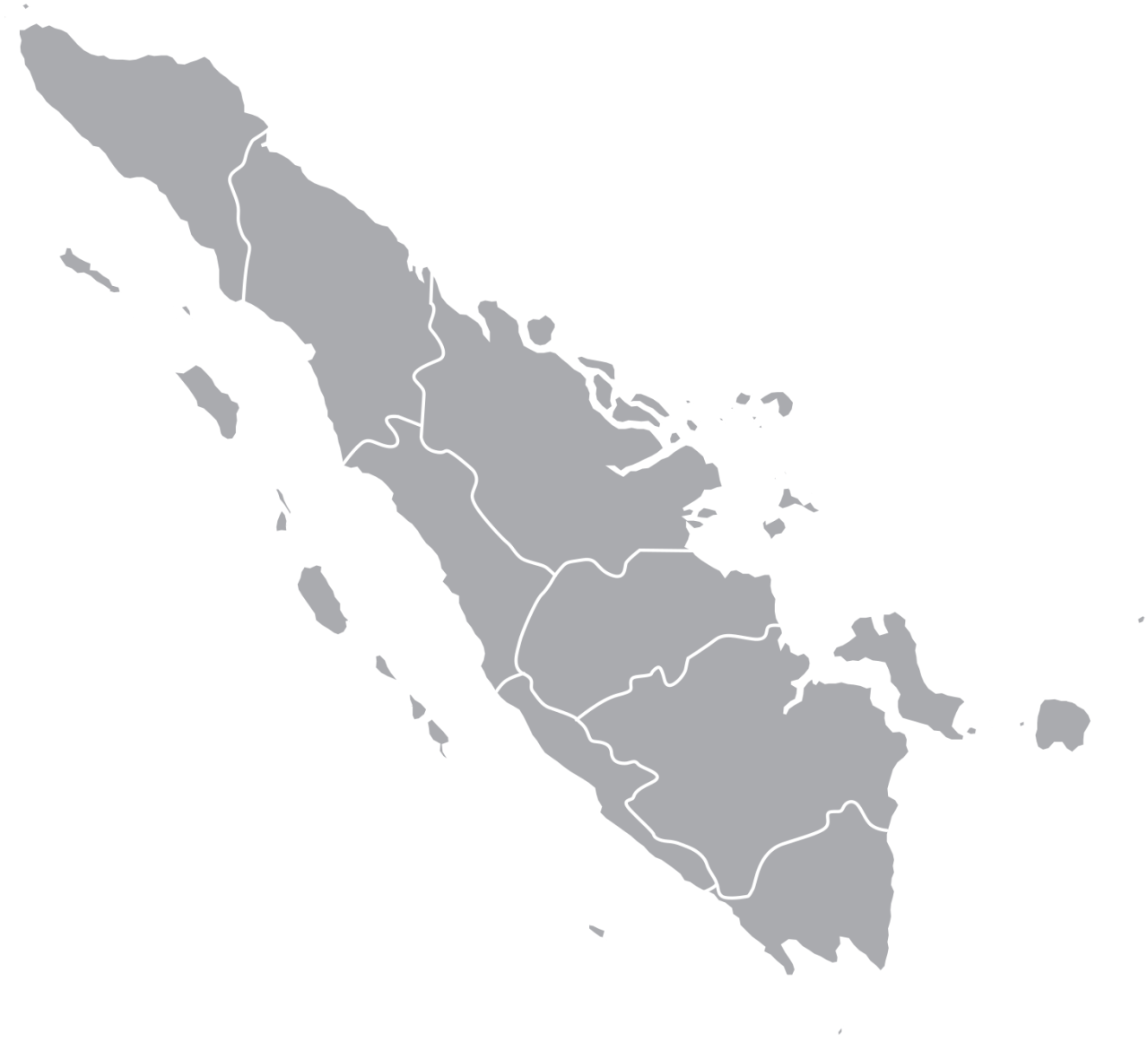
In general, these flavor profiles are as follows: Gayo coffees are known to have creamy body, deep sweetness, and lush herbals. Lintong coffees are prized for their aromatic cedar notes, dry herbals, and more marked acidity. Mandheling coffees are the standard of Sumatran fare: herbal, chocolatey, and heavy to the point of oiliness. Gayo coffees generally hail from Aceh province, while Lintong are usually from Lintong Nihuta regency, or the area surrounding Lake Toba in general.
Traditionally, all of the above would be subject to wet-hulling, also known as giling basah. Sumatra is the birthplace of this process, which some have postulated to be an accommodation to long supply chains and lack of capital for financing coffee purchases. The usual explanation is that farmers would prefer immediate income for their cherry or minimally processed Gabah (wet parchment coffee), and collectors also prefer immediate payment for their task of moving the gabah. Millers also want to turn a quick buck doing the actual hulling of the coffee to Labu stage (hulled coffee at 18-25% moisture), as do the exporters who bring the coffee to their warehouses for final drying and sorting of the Asalan (original, unsorted coffee). This is an economically efficient, but sometimes logistically inefficient system, and one that leads to a very unique flavor profile.
Sumatran coffee can be used as both single origin and as a blender. If you’re looking to add heaviness or herbal character to a blend, this origin is a great place to start! If you want to get into new and different coffees from Sumatra, this island is a hotbed of experimentation and regional specificity. Take a look at our offerings to experience the breadth of what Sumatra has to offer.