Shop Green Coffee
Filter
Sort By

Coffea arabica has been commercially grown in Tanzania for well over a hundred years. However, it may be surprising that Tanzania has a deep cultural heritage with arabica’s parent species. This is none other than coffea canephora — robusta.

Tanzania’s story with coffee predates written records. In the country’s far northwestern coffee lands, the Haya people cultivated indigenous robusta. The boiled or smoked berries were in use as gifts and currency.

Today, Coffee from Tanzania is as vast and varied as its people and geography. We typically expect specialty grade Tanzanian washed coffees to offer a mild citric acidity. This pairs with a milk-chocolaty body and hints of raisin and mild sweet herb.

Some folks offer Tanzanian coffees as substitutes for Kenyan coffee, likely because of geographical proximity. However, there are some Tanzanias which approach the zesty citric acidity levels of Kenyas.
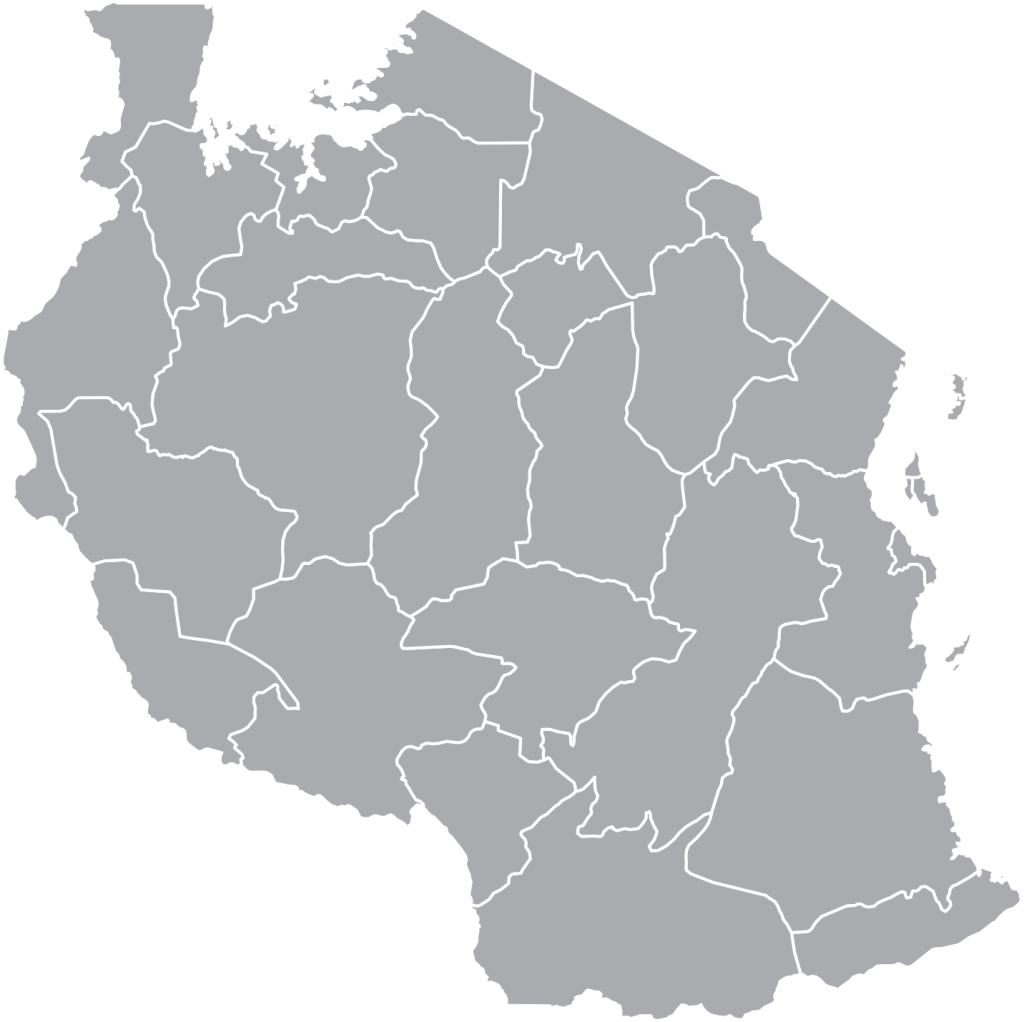
Tanzania Map
Purchase Options
Origin
Warehouse
Size
Position
Certification
Curated
Price
Process

      Cup notes available upon arrival

      Oakland 13 Bags

      Lot 168 – 39896 – Agroz Bags – ETA: Jun 05, 2026 – RCWHSE

      Get a Quote

      Tanzania Ngorongoro Edelweiss Oldeani Estate Bourbon Mielado

      Lot 168 – 39896 – Agroz Bags – ETA: Jun 05, 2026 – RCWHSE

      Cup notes available upon arrival

      Afloat

      13 Bags

      Cup notes available upon arrival

      Oakland 11 Bags

      Lot 174 – 39898 – Agroz Bags – ETA: Jun 05, 2026 – RCWHSE

      Tanzania Ngorongoro Edelweiss Oldeani Estates Peaberry

      Lot 174 – 39898 – Agroz Bags – ETA: Jun 05, 2026 – RCWHSE

      Cup notes available upon arrival

      Afloat

      11 Bags

      Cup notes available upon arrival

      Oakland 8 Bags

      Lot 158 – 39893 – Agroz Bags – ETA: Jun 05, 2026 – RCWHSE

      Tanzania Ngorongoro Finagro Gaia Estate SL 28 Washed

      Lot 158 – 39893 – Agroz Bags – ETA: Jun 05, 2026 – RCWHSE

      Cup notes available upon arrival

      Afloat

      8 Bags

      Cardamom, cedar, brown sugar, black tea

      Midwest 1 Bag

      38838-1 – GrainPro Bags – SPOT COMIDWEST

      Tanzania Peaberry

      38838-1 – GrainPro Bags – SPOT COMIDWEST

      Cardamom, cedar, brown sugar, black tea

      Spot

      1 Bag

Tanzania Green Coffee

Arabica first arrived from the French-held island of Réunion, where the local Spiritan bishop resided. These European missionaries made their way to Tanzania’s central coast. By 1877, they were growing coffee in their school gardens.

With colonial encouragement, commercial arabica production took off in the economy in Moshi. The arabica auction system continues there each week. Additional decentralized auctions also take place in Kagera, Mbinga, and Songwe.

After World War I, the British absorbed German East Africa, and renamed it Tanganyika, accelerating coffee cultivation. In 1925, the first Tanzanian coffee farmer cooperative was established. By 1950 there were more than 400 such groups in the country.

After a transition from British colony to UN trustee territory, the nation elected its first president. Until 1982, the corrupt government’s Tanzania Coffee Authority bought and sold all the country’s coffee.

Reform led to privatization from 1990=2001. The Tanzania Coffee Research Institute (TaCRI) and the Tanzania Coffee Board (TCB) were born.

Tanzania’s coffee crop has struggled in recent years, however. Productivity fluctuates and farmer access to credit is hard to come by. The TCB, working on a strategic coffee development plan lasting from 2011 to 2021, missed its 2017 target by 41 percent.

A shift in the country’s approach to the cooperatives began in January of 2018. Over 90 percent of Tanzania’s coffee is grown by smallholders. They must be cooperative members to contribute their coffee directly to the auction.

Smallholders remain disconnected from both support structures and the consumer market. Government overreach and the work of NGOs more frequently serves to reinforce existing power structures than to undermine them. And all the while changing climate and reductions in arable land are looming threats.

Coffee grows in three primary macro-regions of Tanzania. In the northwest along the border, we see coffee in the West Lake Zone, or Kagera. Coffee also grows a little further south in the Kigoma region near the border with Burundi near Lake Tanganyika.

The Northern Highlands represent coffee grown in the Arusha and Kilimanjaro administrative regions. These are often the most recognized sources of Tanzanian beans to international buyers. The town of Moshi, which hosts the coffee auction, rests in Kili’s southern foothills. Coffee also grows west of Mount Meru and Arusha town, in districts of Karatu and Oldeani.

Tanzania’s Southern Highlands spans a much wider reach of geography in the country’s agricultural heartland. Coffee in the largely rural regions of Mbeya and Ruvuma is primarily harvested by smallholders and cooperatives. Production here has largely increased in recent years. Recognizable coffee producing districts include Rungwe, Mbozi, and Ileje within Mbeya, and Songea and Mbinga in Ruvuma.

FAQ

The peaberry is a genetic anomaly in coffee. An average coffee fruit contains two seeds (beans), while a peaberry contains just one. Some people claim the flavor is more concentrated, but there’s no definitive proof of this. Peaberries typically occur in about 5% of all coffee worldwide, regardless of plant type or origin.

Tanzania, for whatever reason, has carved a niche in the US market for peaberry. If you had a coffee from Tanzania roasted in the United States in the last two decades, chances are high it was a peaberry. Quite likely, the bean type was used in early origin-marketing to second and third wave roasters. This was a method to differentiate Tanzanian coffee from its occasionally higher-profile neighbor, Kenya.

Because the northern and southern growing zones are hundreds of miles apart, harvest timelines are asymmetrical. The Southern Highlands regions will typically begin picking cherries as early as May and continue as late as September. In the north, Moshi, Kilimanjaro, and Arusha usually harvest June through August. Coffees grown around the Ngorongoro crater might not be finished with their last pass until late November.

Tanzanian peaberry coffee beans produce unique, delicious robusta and arabica coffees with varied flavor profiles. We expect centrally processed coffees to offer mild citric acidity. This pairs with a milk-chocolatey body and hints of raisin and mild sweet herb. However, some Tanzanias approach the citric acidity you may expect from a Kenya.

While Tanzania grows some robusta, particularly in the country’s northwestern Kagera region, their primary export is arabica. Most are older legacy varieties of bourbons. While there is little variation in alternative production methods in the country, our partners are one exception.

The Vohora family, at Edelweiss and Gaia estates in Karatu, produce innovative coffees using techniques including:

  • Carbonic maceration
  • Cherry-macerated pulped naturals
  • Fermentation variations

At Royal Coffee, we connect producers with roasters and ship great coffee all over the world. We select and make the finest green coffee beans accessible to roasting houses around the world.

Purchase a product to learn more!