
ROYAL GEM HONDURAS ORGANIC CAFESMO ROY HERNANDEZ NATURAL ANAEROBIC PARAINEMA
Lot 21 – 41043-1 – SPOT RCWHSE$465.00 per box
Boxes 57
Warehouses Oakland
Flavor Profile Caramel, cherry, chocolate, melon, and plum
Add to your artisan.plus account: 
 Printer Friendly PDF
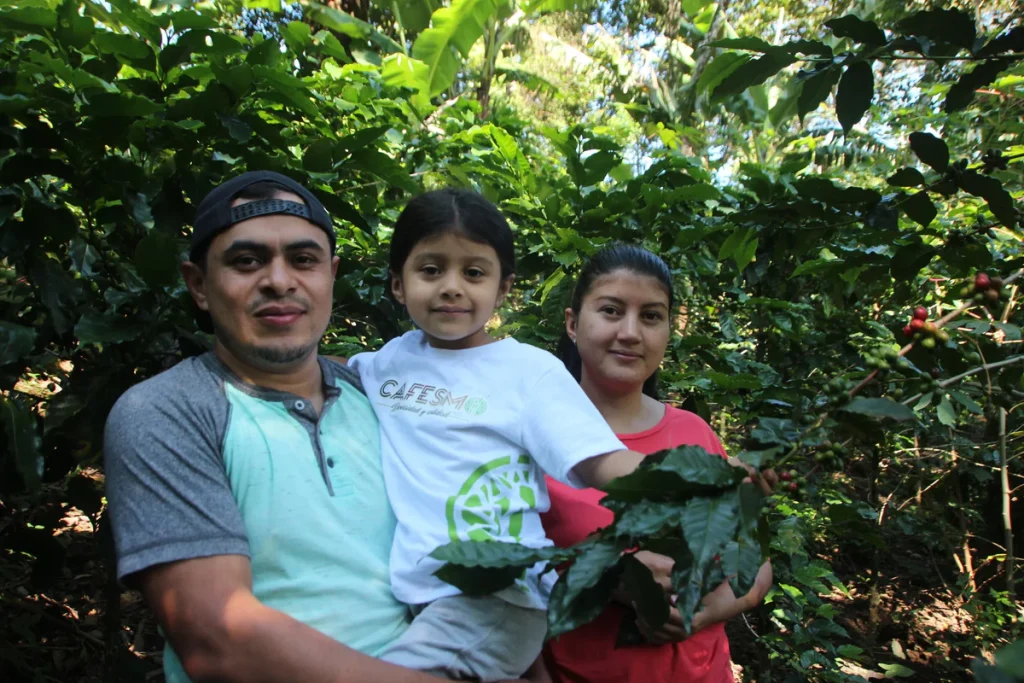
Roy Hernandez and his wife Dariela both inherited small coffee plots from their families, which they farm individually as Finca Guayabina (Roy’s) and Finca El Mandarino (Dariela’s).
50lb Boxes
Spot


Grower
Roy Alexander Hernandez | Finca Guayabina

Altitude
1250 masl

Variety
Parainema

Soil
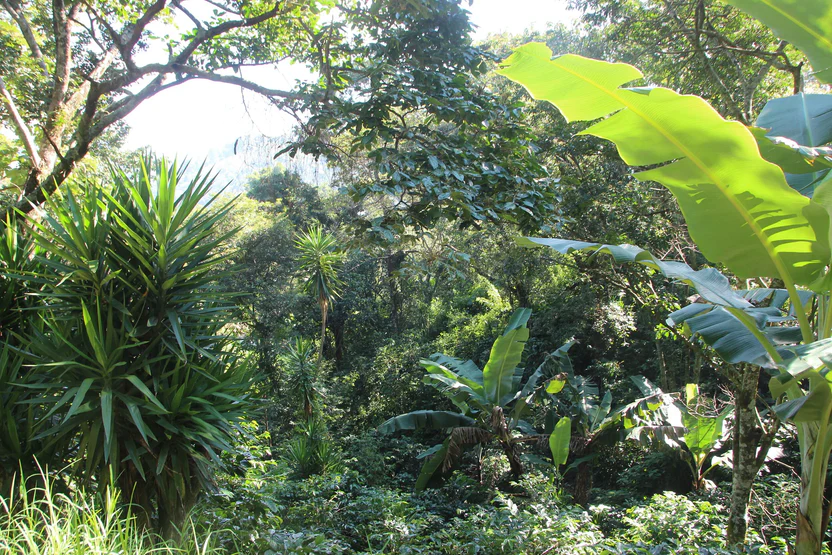
Volcanic loam

Region
Plan del Rosario community, Mercedes Municipality, Ocotepeque department, Honduras

Process
Anaerobically fermented natural

Harvest
October-March

Certification
Organic
Roy Hernandez and his wife Dariela both inherited small coffee plots from their families, which they farm individually as Finca Guayabina (Roy’s) and Finca El Mandarino (Dariela’s). Combined, the two farms are 2.5 hectares of coffee. At such a restricted size, the best way to maximize revenues is through quality. After the birth of their second child, Dariela left her job to devote herself full-time to the production of microlots. Now, in 2026, they have direct buyers throughout Europe, New Zealand, and Royal Coffee in the United States. Extremely impressive for such small farms.
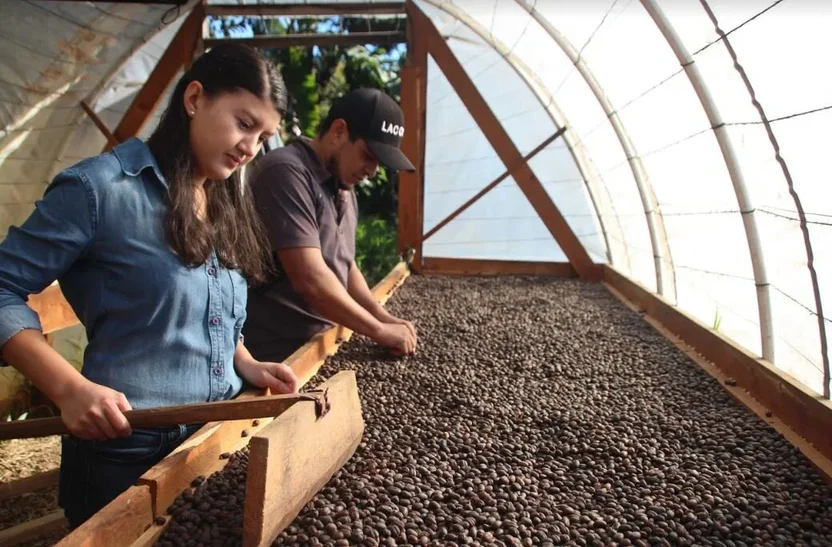
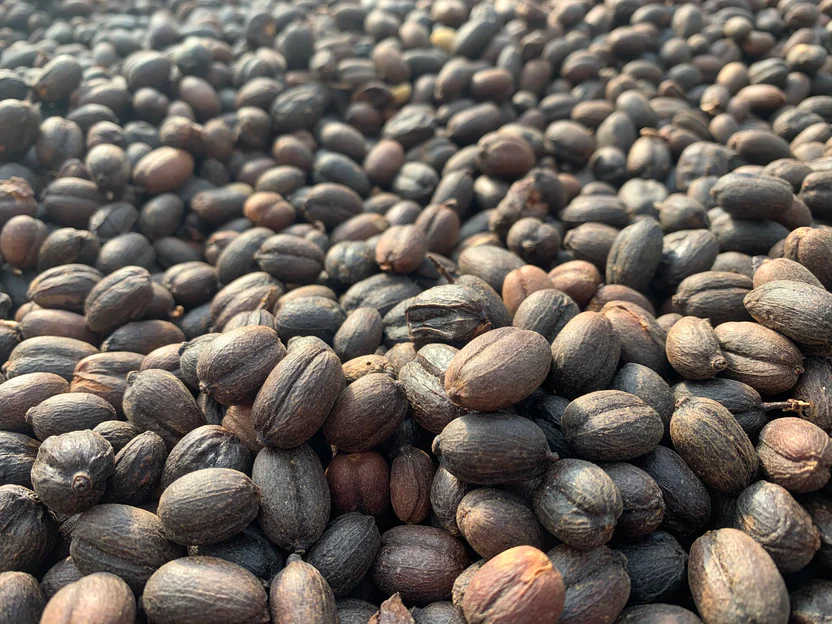
This anaerobically-fermented natural parainema lot is from Roy’s farm, Finca Guayabina. Fresh picked cherries were floated and thoroughly cleaned after harvesting and then fermented anaerobically in a sealed barrel for 48 hours, after which they were washed again and dried on raised screen tables. The cup is rich and balanced, with bright flavors and a delicate, slightly effervescent mouthfeel. This is an evocative but not overly assertive anaerobic natural—it’s juicy, with fresh cherry, grape, lychee, and a hint of bubblegum sweetness—which we consider to be very approachable to many and versatile in the roaster.
CAFESMO and Its Producers
Roy and Dariela are members of Cafés Especiales Mercedes Ocotepeque (CAFESMO), a 10-year old cooperative in Ocotepeque that puts a huge effort into microlot differentiation, giving motivated producers like them the chance to sell their best work directly to international buyers. CAFESMO started in 2016 with some very generous grant money from the World Bank. It was, and still is, a totally home-grown business in Mercedes, a tiny but beautiful mountain town in remote Ocotepeque, right on Honduras’ border with El Salvador.
CAFESMO produces about 75 containers a year but only exports about 15. The first 60 are sold domestically, to other exporters—something pretty common, and financially beneficial, for smaller coops without their own dry mill. With so much of their volume committed locally, they can focus on exporting just the best of the best: a few FTO-certified washed bulk containers, another couple containers of blended naturals, and finally, a few containers of single-farm lots like this one. Royal Coffee is one of only two CAFESMO buyers in the United States.
Parainema, the Americas’ Other Gesha
The parainema cultivar is still mysterious to many. It has a humble origin as a very specific hybrid developed by Honduras’ national coffee organization, IHCAFE. The name itself is a portmanteau of its purposes: “Parai-” for the southern department of El Paraíso, where it was designed to be cultivated, and “-nema” for the nematodes it was designed to withstand. But seeds made their way around. In 2015 a group of mature parainema trees inexplicably grown in the Santa Bárbara department produced a batch of coffee that won the Cup of Excellence competition, astonishing many judges with intense, perfumey cups. Growers ever since have been planting the cultivar in farms all over the country with quality in mind. And there have been a lot of really nice results.
Related Coffee

Plum, cherry, licorice, chocolate
Oakland 21 Boxes
ROYAL GEM GUATEMALA ORGANIC JOYABAJ NATURAL
39531-2 – SPOT RCWHSE
Plum, cherry, licorice, chocolate
Spot
21 Boxes
$380.00 per box

Plum, raspberry, strawberry-lemonade, rhubarb, allspice, cream
Oakland 48 Boxes
ROYAL GEM HONDURAS ORGANIC COMSA ROYAL RESERVA NATURAL SHG EP
38831-2 – SPOT RCWHSE
Plum, raspberry, strawberry-lemonade, rhubarb, allspice, cream
Spot
48 Boxes
$360.00 per box
Cherry, malt, anise, cinnamon
Oakland 28 Boxes
ROYAL GEM GUATEMALA ORGANIC JOYABAJ HONEY
39532-3 – SPOT RCWHSE
Cherry, malt, anise, cinnamon
Spot
28 Boxes
$380.00 per box
Malt, hazelnut, graham cracker, milk chocolate
Oakland 1 Box
ROYAL GEM DECAF HONDURAS FT-FLO/USA ORGANIC COMSA ROYAL SELECT WATER PROCESS
38022-3 – SPOT RCWHSE
Malt, hazelnut, graham cracker, milk chocolate
Spot
1 Box
$405.00 per box