
Crown Jewel Brazil Natural Red Catuai Paulo Alexandre Fernandes
39722-1 – SPOT RCWHSE$249.71 per box
Boxes 5
Warehouses Oakland
Flavor Profile Caramel, fig, raisin, apricot, baking spice
Add to your artisan.plus account: 
 Printer Friendly PDF
.
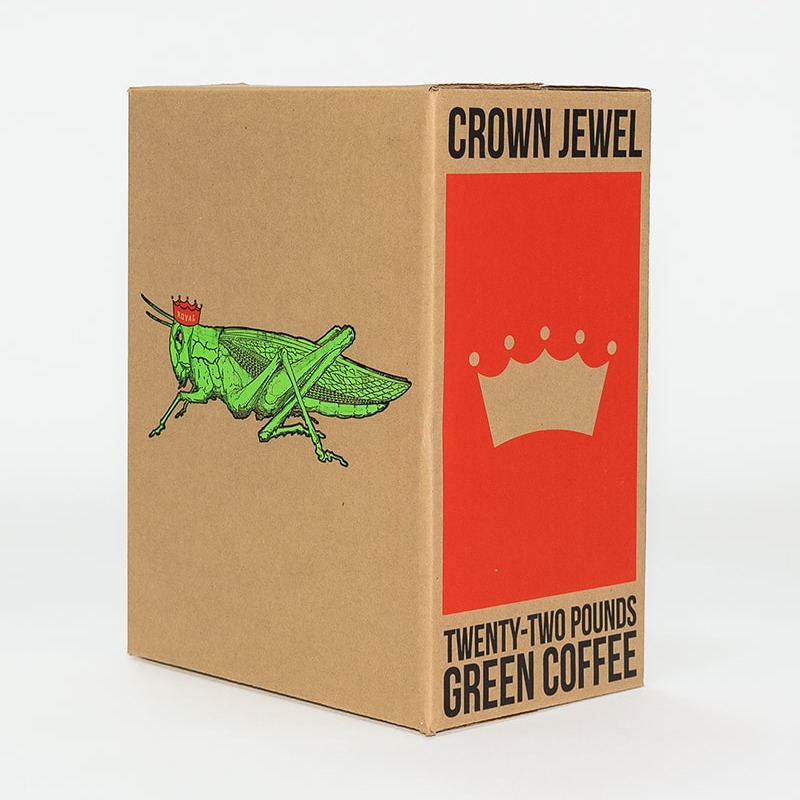
22lb Boxes
Spot

Overview
Overview
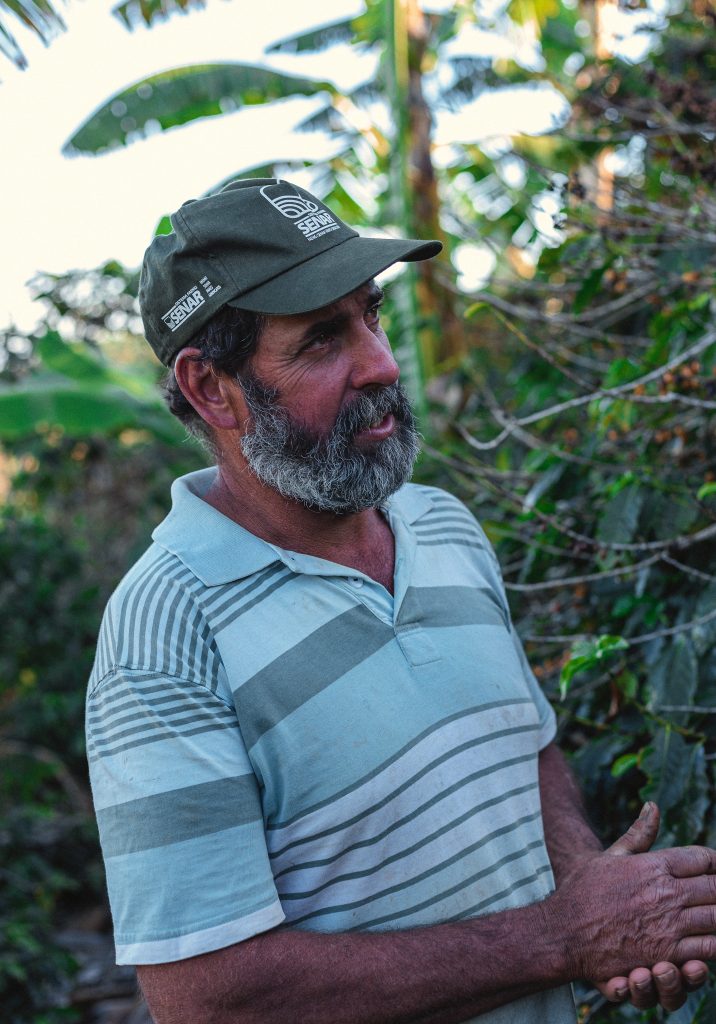
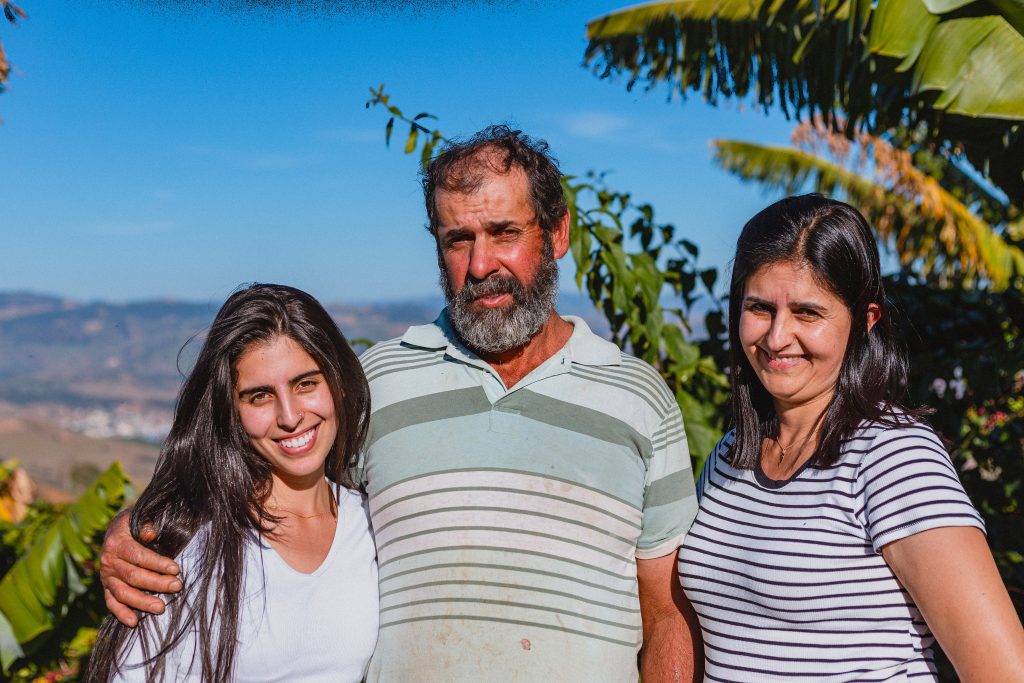
This is a minimal intervention natural coffee from Minas Gerais, Brazil, produced by the Fernandes family on their farm, Sítio do Balaio.
The flavor profile is that of an elevated classic natural Brazil, with present but not overwhelming fruit character like blackberries, the sweetness of salted caramel, and the depth of dark chocolate and spice.
Our roasters found complexity in some quicker roasts but generally favored the balance of the standard low and slow approach utilized for low density Brazilian beans.
Taste
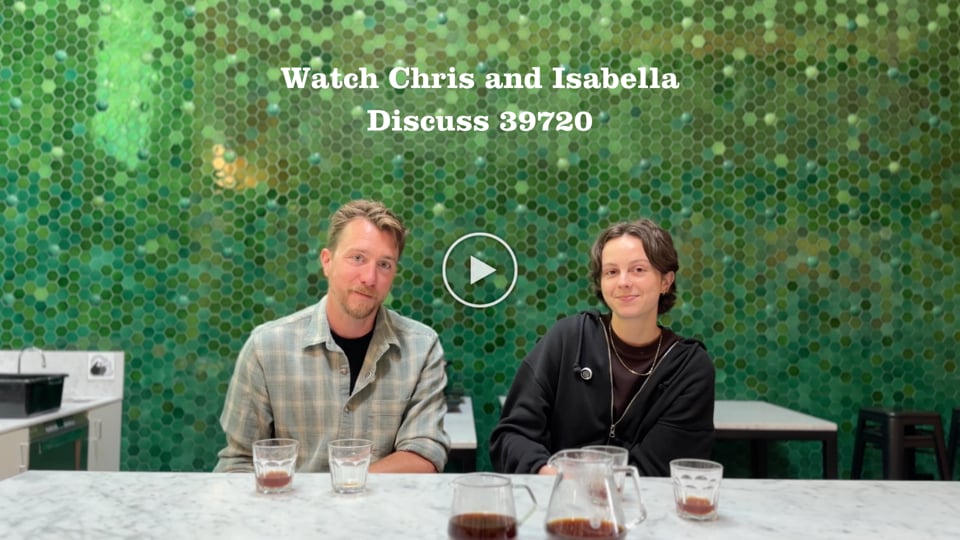
Taste Analysis by Isabella Vitaliano
I could write something that’s very romantic, lyrical, and a little bit imaginative. Instead, I’m going to be direct and to the point. This coffee. is. Delicious. And. You. Need. To. Buy. It (!!!). I almost want to stop there but that would be doing this coffee a disservice. A Red Catuai selection from the Fernandez family offers a keen perspective on cultivar selection from Brazil. Although Brazil is rich in microclimates and land it can be hard to find lots that are as well curated as this.
From salted caramel to sweet blueberry and blackberry, the natural component of this coffee is present, and it’s obvious but not overpowering. What makes this coffee so good is the dance between a sort of salted caramel and umami element. There are some heavier notes of peppercorn and baking spices that add depth and intricacy to the profile.
Source
Source Analysis by Chris Kornman
Brazilian coffees have a special place in my heart. The country was my first sourcing assignment years ago, and its reputation for at-scale agro-industrial commercial coffee production makes specialty selections quite the afterthought in most coffee roasters’ minds. There’s something so refreshing and rewarding about holding a rare jewel of a coffee as a counterexample of presuppositions. I love a good underdog story.
This is one such jewel. It is a very classically produced natural coffee with minimal intervention on a moderate elevation estate using a relatively common cultivar. At a glance, it shouldn’t even be in the conversation for Crown Jewels, and yet, here it is.
What makes it special? Well, of course, our considerations always incorporate flavor as a primary qualifier, and this coffee is delicious. It’s a pristine example of a classic Brazilian natural profile—its fruit flavors apparent, its cleanliness refined, its sweetness deep and tangible. It’s a paragon of what’s possible when producers pay attention to the details matter, when craft supersedes volume.
It’s also from a source I know and trust. For me, the definition of specialty coffee is inseparable from relationships. I was offered this selection through Carmo Coffees, an exporter I’ve known for 15 years and whose growth and status as a global supplier of extraordinary qualities has been established through grit and determination. Luiz Paulo, its founder, and his team have an open line of communication with me and a great deal of mutual respect.
And the producer of this coffee has a story to tell. The Fernandes family started farming livestock and sugarcane in the municipality of Pedralva in the 1970s, when devastating frosts made the prospects of coffee planting perilous. Mario Fernandes thought he saw an opportunity as prices for coffee rose in the wake of frost-induced shortages, only to lose his crop to a subsequent frost.
At the urging of his son, Paulo Alexandre, Mario reinvested in coffee. With the support of his family, Sítio Fernandes grew over the next thirty years. When Mario passed away in 2010, the difficult decision was made to split the Fernandes parcel between his children who were interested in carrying on his legacy, reducing the individual plot sizes but increasing the capacity for specialty production and precise land management. Today, Paulo Alexandre and his wife Débora manage their farm, known now as Sítio do Balaio. It’s a scant 10 hectares, miniscule by Brazilian coffee estate standards, of which just 4 hectares are planted with coffee.
I’m very pleased to present this limited offering of Brazilian coffee, cultivated and processed at such a small scale, as evidence of the potential and excellence possible in a region often relegated to blenders and commodified production. There’s something very special about producers taking the risk to buck trends, and the reward that comes with achieving excellence that is more than the sum of its parts. Saúde!
Green
Green Analysis by Isabella Vitaliano
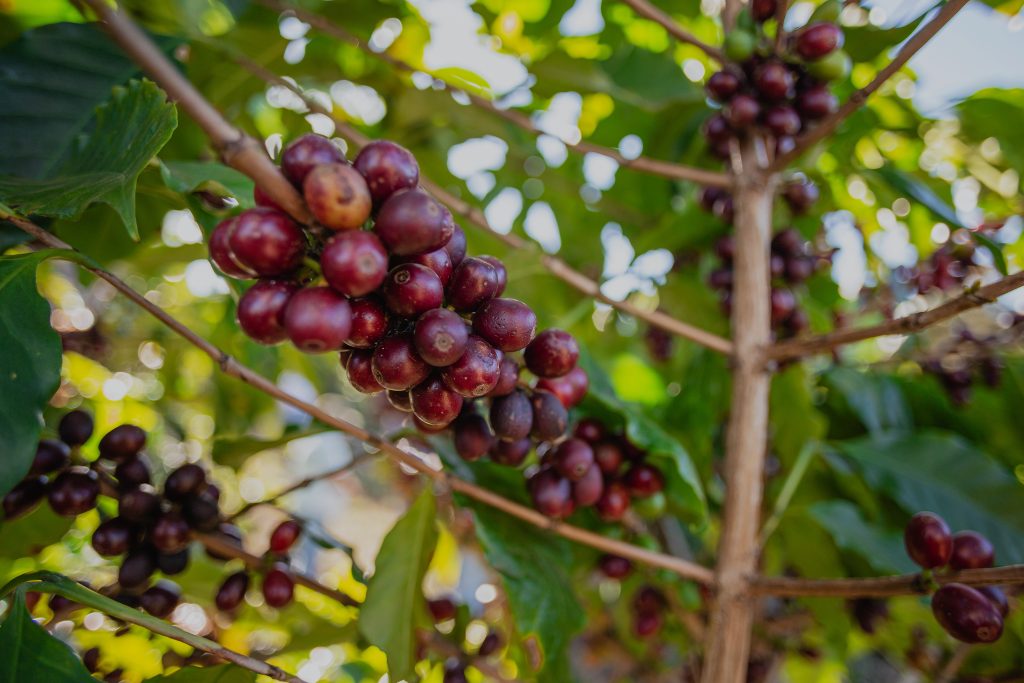
The screen size of this coffee was in normal ranges, roughly 16-17 screen. Catuai is a mix of Caturra and Mundo Novo with red indicating the color of the ripe coffee cherry. The mid-range screen size is expected of this cultivar type. The density is well below average ranges and this coffee has average water activity and moisture content. Perhaps a gentle hand would suit the density a little bit better, but I think you’ll find that you can explore variability in style when roasting this coffee.
Diedrich
Diedrich IR5 Analysis by Doris Garrido
I feel lucky that, after everything happening around Brazil (cold fronts, tariffs, politics), we were still able to get our hands on these amazing lots. And here I am appreciating the sweetness of coffees we are lucky to add to our Crown Jewel program.
This is a natural Red Catuai coffee. I roasted a similar coffee last year, one of my most precious profiles I’ve worked through. Mostly because I was used to running fast as I was roasting a lot of African coffees, but here I had to slow down and let everything happen.
For this coffee, I introduced the beans with the drum warmed up to 395F and observed them for a couple of minutes before starting to add gas. I noticed the coffee was absorbing the heat well and a bit fast. This is a low density coffee, so I did 70% gas, but just a little later I decided to push to 100%. I wanted a slow dry phase, but not too slow. I held that though 320F, then stepped back down to 65%. At that point I was running in Maillard. I wanted some fruitiness, but my main goal was to showcase the sweetness, so at 370F I dropped the burners and let the roast finish with the energy already built up. The first crack started at 390F, opened the full airflow and rode the momentum through development. I dropped the beans at 406F, with a total time of 9:32 minutes.
The results: a bold dark chocolate at first glance – but no chaos on the cup. A distinctively clean natural. Figs, dates, and raisins. A spiciness that blends in just right. Salted caramel, with a buttery, creamy finish. It speaks to the character of the cultivar, the natural processing tradition of Brazil, and everything that makes their classic sweet cups so timeless.
Aillio
Aillio Bullet R1 IBTS Analysis by Evan Gilman
We use the RoasTime app and roast.world site to document our roasts on the Bullet. You can find our roast documentation below by searching on roast.world, or by clicking on the link below. Take a look at our roast profiles below, as they are constantly changing!
This coffee certainly got care in the roaster, but I didn’t handle it quite as gently as I did the Gesha selection this week. I wanted to express a different character here, and that was no trouble to achieve. This natural process coffee brought plenty of fruit to the table.
Starting with a bog standard 455F charge temperature, I wanted to hit this coffee with a little heat from the outset, but not too much. I used P9 for just moments before reducing to P8, also opting for low fan speed of F2, then moving up to F3 shortly into the roast. The coffee didn’t show much sign of slowing down, however, so I reduced heat to P7, and before yellowing added even more fan speed to F4. My IBTS temp and bean temp probes gave very divergent readings for this coffee, and while the IBTS temp was steadily reducing, I felt compelled to reduce heat to P6 just in case this coffee behaved like a traditional natural, with lots of post-crack increase in rate of change. This wasn’t the case, but I increased fan speed to F5 at first crack anyway, and allowed the coffee to develop for 1:20 before dropping at 8:20 / 402.2F.
This coffee changed incredibly as I cupped it. What at first was a rustic fragrance turned into a fruity aroma just as soon as the water hit the grounds. As I was tasting, I began to taste more nuance, the cup changing from approachable toasty nut notes into complex berry and dried fruit acidity as the cup cooled. This is a dynamic coffee, and I’d be curious to roast it at a variety of roast levels to pull out various profiles. It promises to be just as good on filter drip as it would be on espresso. Not your standard Brazil offering, for certain!
You can follow along with my roast here at roast.world: https://roast.world/egilman/roasts/TEIR8WiJktvMX5DT4-U53
IKAWA
Ikawa Pro V3 Analysis by Isabella Vitaliano
Our current Ikawa practice compares two sample roast profiles, originally designed for different densities of green coffee. The two roasts differ slightly in total length, charge temperature, and time spent between color change in first crack. You can learn more about the profiles here.
The berry, peppercorn and umami elements are setting the tone for great coffees to come from this exporter and producing group. With this coffee’s moderately low density, I was surprised to find that I had a massive preference for the high density roast.
On the low density profile, I found that the coffee was sweet and creamy with lots of notes of dark brown sugar and blueberry pie. The high density profile was tangy with notes of kiwi, pear and raspberry. The low density profile is a sort of classic expression of a natural coffee while the high density profile felt a little bit more complex in nature.
Overall, I really enjoyed the low density profile but love the versatility this coffee has to offer.
You can roast your own by linking to our profiles in the Ikawa Pro app here:
- Roast 1: Low Density Sample Roast
- Roast 2: High Density Sample Roast
Related Coffee
White Tea, basil, biscoff cookie, cacao, candied fruits
Oakland 15 Boxes
Crown Jewel Bolivia Organic Washed Yulissa Chambi
39122-1 – SPOT RCWHSE
White Tea, basil, biscoff cookie, cacao, candied fruits
Spot
15 Boxes
$220.94 per box

Black Tea, caramel, lemongrass, passion Fruit, apricot
Oakland 17 Boxes
Crown Jewel Burundi Honey Peaberry Heza Washing Station
38863-1 – SPOT RCWHSE
Black Tea, caramel, lemongrass, passion Fruit, apricot
Spot
17 Boxes
$255.49 per box
Banana Bread, plum, rosemary, cocoa Nib, and toffee
Oakland 42 Boxes
Crown Jewel Yemen Anaerobic Natural Sharqi Haraz Cooperative
39818-1 – SPOT RCWHSE
Banana Bread, plum, rosemary, cocoa Nib, and toffee
Spot
42 Boxes
$710.39 per box
Orange blossom, red wine, baker's chocolate, and black tea
Oakland 25 Boxes
Crown Jewel Yemen Washed Sharqi Haraz Cooperative
39817-1 – SPOT RCWHSE
Orange blossom, red wine, baker's chocolate, and black tea
Spot
25 Boxes
$738.94 per box