
Colombia Huila Chiroso Double Fermentation
40776 – 70.3 kg GrainPro Bags – ETA: Sep 15, 2026 – SEAFORTH
Bags 15
Warehouses Vancouver


Grower
12 producers from southern Huila

Altitude
1580 – 1900 masl

Variety
Caturra “Chiroso”

Soil
Volcanic loam

Region
Huila Department, Colombia

Process
Custom double fermentation, washed, sun-dried

Harvest
May - July

Certification
Conventional
Terra Coffee SAS is a young producer group, established in 2016, with a narrow focus on developing high quality coffees alongside select producers in the Huila and Nariño departments, and sharing them with the world. The small company manages one single producer association in each department where they work, “Ecoterra” in Nariño, with 140 producer partners, and “Terra Verde” in Huila, with 120.
For Terra Coffee SAS as a whole, quality in coffee is very rationally understood as a direct pathway to well-being for volume-limited, small coffee farming families. Driving their business model is an understanding that quality results from small harvests have direct impacts on not just the farm owner, but the many dependents on each small farm, including young children, older adults, and the women of the household performing essential labor that often goes unpaid. By increasing quality and placing microlots in the market, Terra Coffee SAS plans not only to increase prices to growers and their families, but also increase their sense of pride in the details of their work.
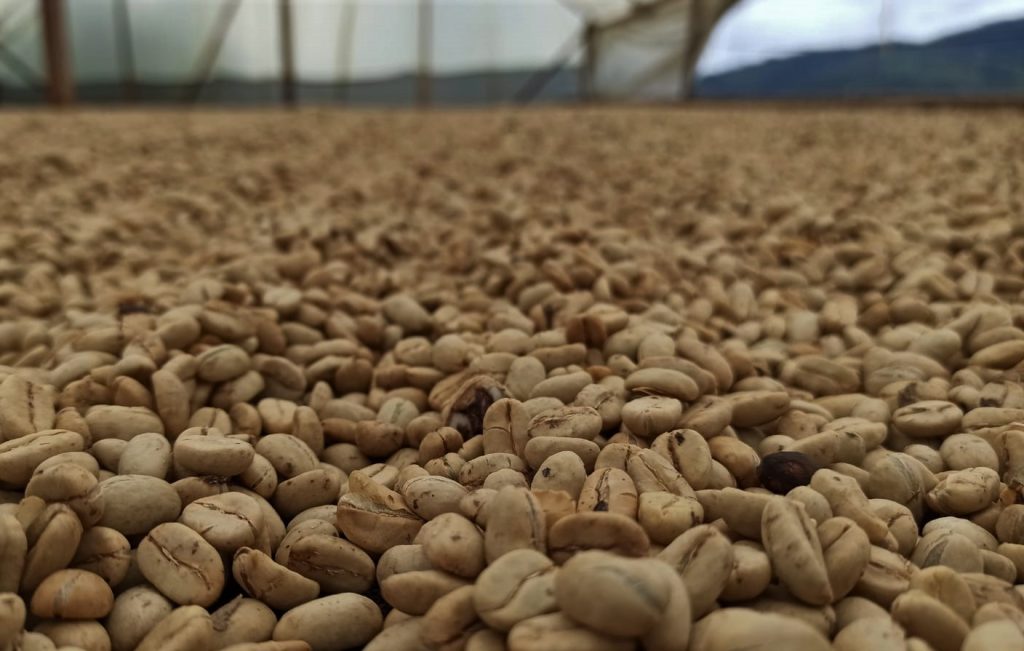
The 12 producers contributing to this coffee synchronized on a precise fermentation model. The model involves two fermentation steps at different phases post-harvest. The first occurs in the whole cherry: fresh-picked fruit is bagged and allowed to ferment for 36-48 hours, for the mucilage fibers to break down and the sugars to peak. The second phase is more traditional but still very specific: the softened cherry is depulped and fermented dry in open tanks for another 30-50 hours. Finally, the fermented parchment is lightly washed and dried in the sun. Each of the 12 producers exhaustively monitored temperature throughout to ensure each batch of coffee was homogenous with the others in order to create a focused, precise final profile.
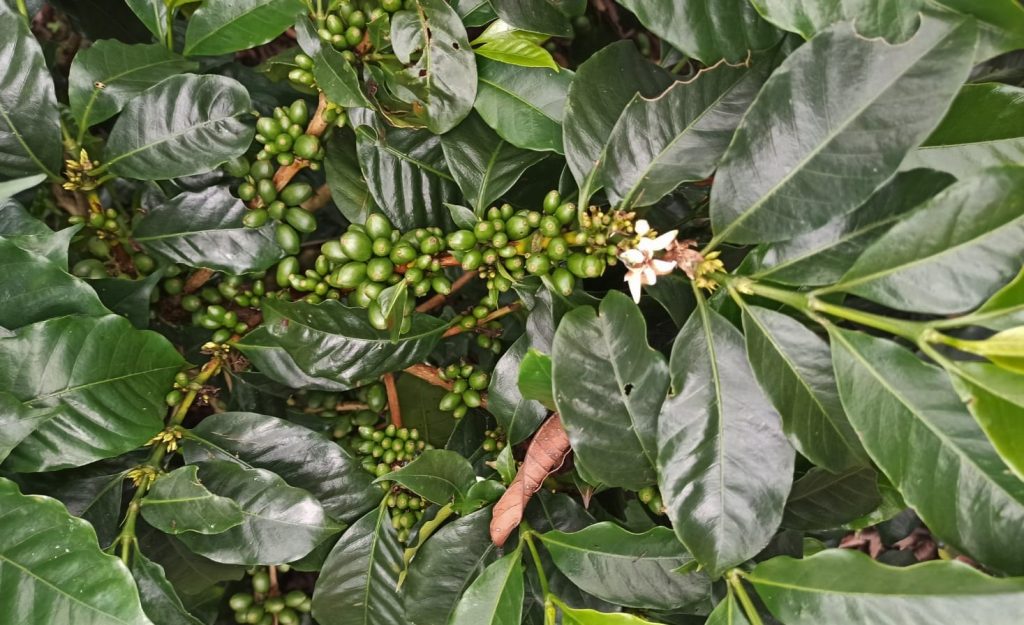
The cultivar, known as caturra “chiroso”, is likely a kind of misnomer. Originally identified by a farmer in the municipality of Urrao, in the department of Antioquia, the elongated bean and slightly scrappy look of the plant earned the nickname “chiroso”, locally used to mean “stretched out” or “tattered”. Since the new local cultivar started winning regional quality competitions in 2014 the seeds have been transported and planted across other departments. RD2 Vision, a group that provides DNA fingerprinting for coffee genetics, has linked the “chiroso” genotype directly to an Ethiopian landrace, rather than any relative of caturra (itself a natural mutation of bourbon, far evolved from its own landrace origins). So the name appears to be genetically incorrect—nonetheless this is how it is commonly called in Colombia. Some cuppers and Colombian coffee roasters have started referring to the plant as “Colombian gesha”, given its direct link to Ethiopian genetics and notable delicacy in the cup that is unique to most of Colombia’s most common cultivars.
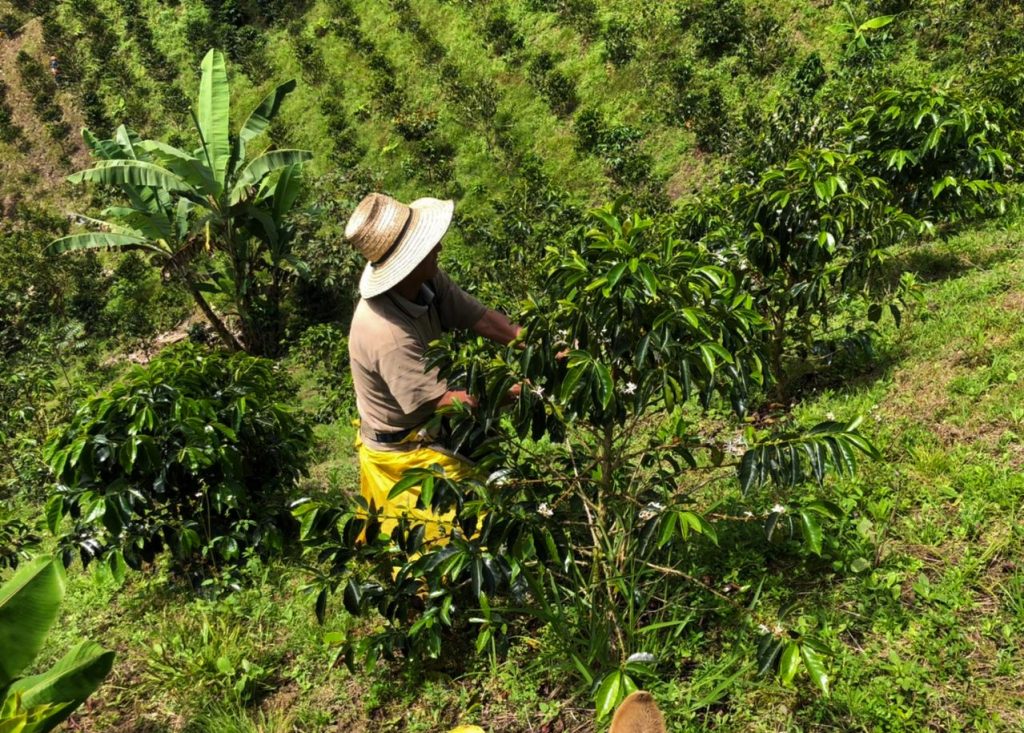
Huila is arguably Colombia’s best-known department for top microlots. Huila’s geographical accessibility, dense population of knowledgeable farmers, warm and subtropical forests, high elevations, and microclimate diversity have for many years sustained one of specialty coffee’s most beloved regions. Huila is a long and narrow valley that follows a winding gap between two large cords of the Andes. Uphill from the valley’s lush and picturesque lower slopes (Colombia’s 950-mile long Magdalena river has its source in southern Huila and has shaped the agriculture here for centuries) are a diverse array of coffee producing communities, often dramatically steep, and each with their own unique climate and history.
Related Coffee
White grape, floral
Vancouver 16 Bags
Colombia Cauca Popayan Area 18 Oxidacion Castillo
39108 – 70.2 kg GrainPro Bags – SPOT SEAFORTH
White grape, floral
Spot
16 Bags
$6.94 per pound

Plum, orange, brown spice, bittersweet chocolate
Vancouver 143 Bags
Colombia Excelso EP
40456 – SPOT SEAFORTH
Plum, orange, brown spice, bittersweet chocolate
Spot
143 Bags
$4.98 per pound

Orange, cranberry, herbal tea, roasted nuts
Vancouver 11 Bags
Brazil Mogiana FAF Bobolink Pirapitinga Natural Yellow Catuai
39395 – GrainPro Bags – SPOT SEAFORTH
Orange, cranberry, herbal tea, roasted nuts
Spot
11 Bags
$5.68 per pound

Peanut butter, apple, caramel
Vancouver 205 Bags
Brazil Cerrado SS FC 15/16
39427 – SPOT SEAFORTH
Peanut butter, apple, caramel
Spot
205 Bags
$4.38 per pound