
Sumatra Lake Toba Samosir Honey
40676 – GrainPro Bags – May 2026 Shipment – RCWHSE
Bags 60
Warehouses Oakland




Grower
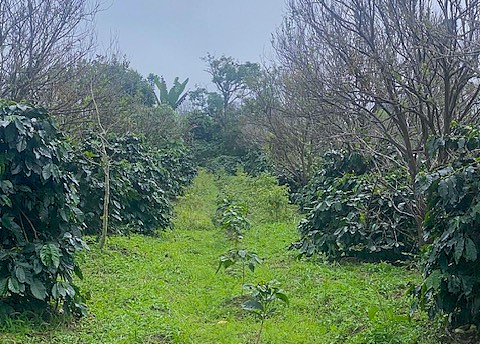
300 farmers growing coffee in Sidalogan, Sibisa, and Motung villages organzed the CV Yudi Putra Mill

Altitude
1200 – 1400 masl

Variety
Caturra

Soil
Volcanic loam

Region
Toba Samosir Regency, Northern Sumatra Province, Sumatra, Indonesia

Process
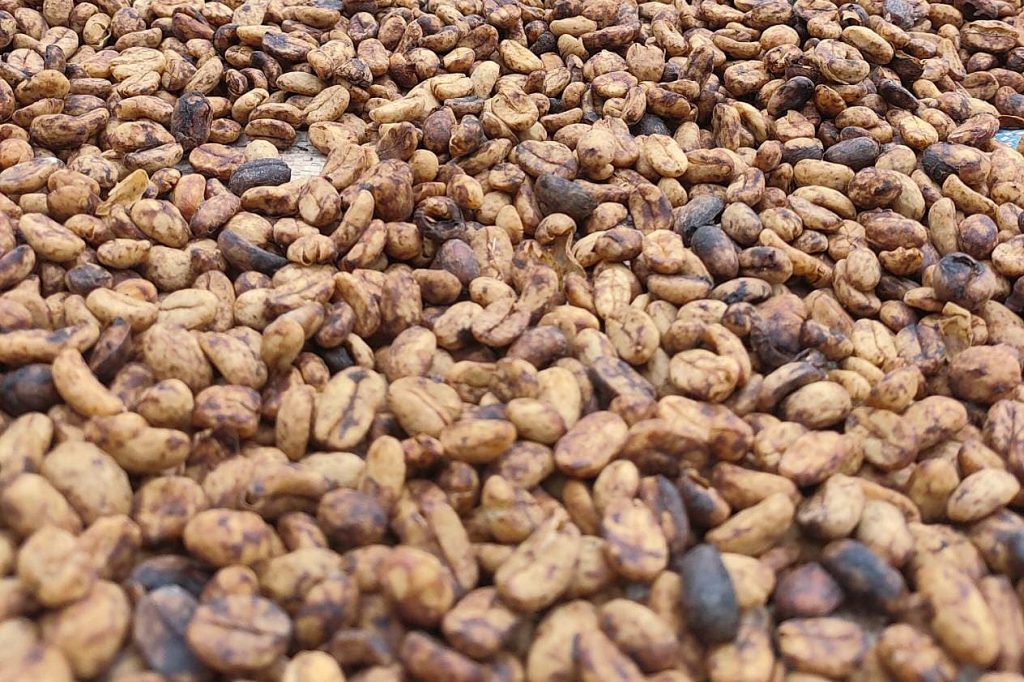
Pulped without water, fermented for 24 hours, and sun dried on patios prior to wet hulling (giling basah)

Harvest
October - January | April - June

Certification
Conventional
Regional Details
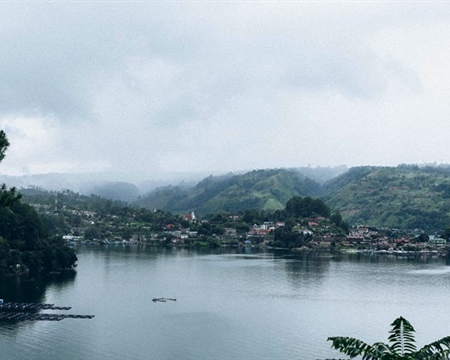
Tradition runs deep in the District of Lintong Samosir where coffee is grown along the southern shores of Lake Toba, which was formed by a supervolcano and reaches depths of more than 1600 feet. The Lintong growing region, located in the province of North Sumatra on the island of Sumatra, is renowned among coffee experts for its cup profiles and classic Indonesian style of coffee cultivation and processing. This Lintong selection is no exception. The coffee was cultivated and harvested from more than 300 producers with farms that average less than 3 acres in size. Producers belong to the Hutasoit tribe and maintain a traditional village lifestyle that includes houses that resemble ships. Seventy percent of the producers are women who rely on coffee income to support their families.
Processing Details
Each producer carefully sorts their harvested cherries before delivering to a central mill where the coffee is depulped and fermented overnight. Then the coffee is laid out on patios to dry without washing off the mucilage. This process is called the honey or pulped-natural style, a process common in other origins, but rarely used in Indonesia.
Exporting Details
With Indonesian coffees, half the battle is overcoming logistical challenges like rugged roads and unpredictable torrents of rain. Sehati Berkah Utama, an export company, takes on an important role of organizing local warehouses and transportation so farmers can overcome these challenges. Sehati Berkah Utama also coordinates the dry-mill process to swiftly bring the coffee to the international market, ensuring greater earnings for producers.
Related Coffee

Baked apple, roasted cashew, vanilla
Oakland 218 Bags
NICARAGUA ORGANIC MADRIZ SHG EP
39148 – SPOT RCWHSE
Baked apple, roasted cashew, vanilla
Spot
218 Bags
$4.51 per pound
Marmelade, maple syrup, jammy
Oakland 151 Bags
NICARAGUA FT-USA ORGANIC REYNA DEL CAFE SHG EP
39151 – SPOT RCWHSE
Marmelade, maple syrup, jammy
Spot
151 Bags
$4.69 per pound

Caramel, green apple, milk chocolate
Oakland 93 Bags
Mexico Oaxaca Sierra Sur Pluma San Vicente Yogondoy
39756 – Ecotact Bags – SPOT RCWHSE
Caramel, green apple, milk chocolate
Spot
93 Bags
$5.46 per pound
Cocoa, caramel, citrus, melon
Oakland 94 Bags
Mexico Oaxaca Pluma Sierra Sur Buenavista Loxicha
39758 – Ecotact Bags – SPOT RCWHSE
Cocoa, caramel, citrus, melon
Spot
94 Bags
$5.46 per pound