
Nicaragua Matagalpa Bonanza SHG EP
40090 – GrainPro Bags – SPOT RCWHSE
Bags 93
Warehouses Oakland
Flavor Profile Lime, honey, graham cracker, peanut brittle, cocoa

Grower
Smallholder farmers from Matagalpa

Altitude
1250 – 1350 masl

Variety
Parainema, Icatú, and Catimor

Soil
Clay minerals

Region
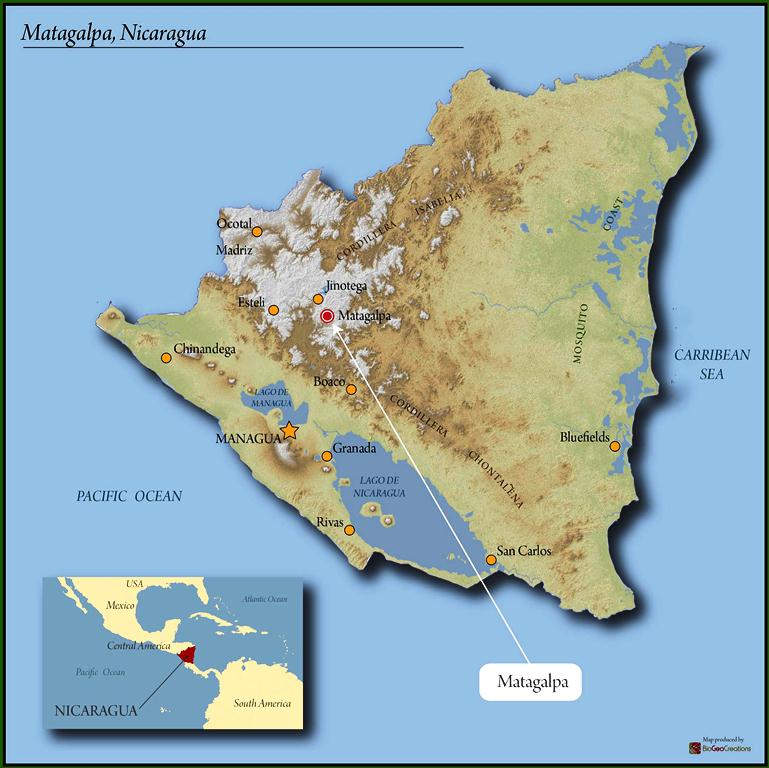
Matagalpa, Nicaragua

Process
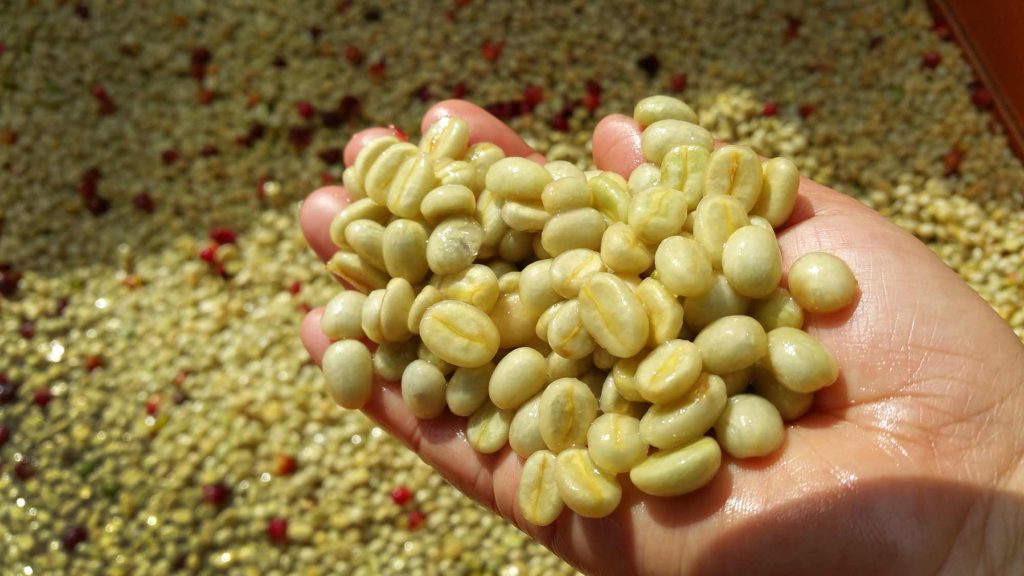
Fully washed and dried in the sun

Harvest
December- March

Certification
Conventional
Sourcing Details
When coffee is cultivated and harvested at small family owned farms, exporters play a critical role in ensuring quality and fairness. Sabio Coffee in Nicaragua is a family owned export company working in Matagalpa. Sabio Coffee has established a regional blend with a focus on supporting small farms and providing state-of-the-art processing so importers and roasters can have small batches of cherries cultivated on family farms consolidated with consistent processing that maintains a regional identity in the cup profile.
Processing Details
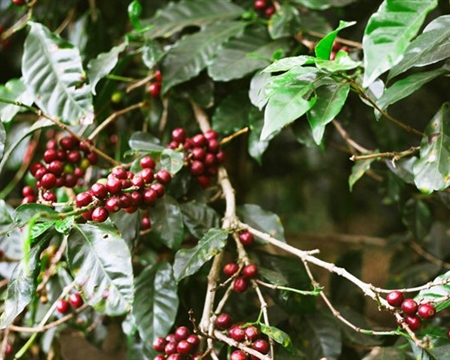
This regional blend is called Bonanza to represent the idea that coffee can create prosperity for all the actors in the supply chain. The work starts with traceability to small farms in Matagalpa where the harvest is focused on selective cherry picking. Coffee cherries are collected and taken to Sabio’s centralized wet mill where they are floated, depulped, fermented for 36 hours and then dried to 10.5 percent using a combination of patios and mechanical drying. Sabio Coffee takes the burden of milling infrastructure and labor costs off of the farmers, and also ensures more uniform processing protocols.
Exporting preparation
For the export preparation, Sabio Coffee has their operation where dried coffee in parchment is cupped and selected for the Bonanza lot. Sabio’s ability to ensure traceability and quality control throughout the post harvest process is a vital resource for establishing higher prices for producers. The centralized model has also enabled Sabio Coffee to invest in environmentally friendly initiatives, like a hydroelectric plant to power machinery, processing with a system to recycle and treat water, and organic fertilizer production that utilizes the byproducts like coffee pulp as a central ingredient.
Related Coffee

Cashew butter, cocoa, creamy
Oakland 180 Bags
HONDURAS ORGANIC COMSA SHG EP
40375 – SPOT RCWHSE
Cashew butter, cocoa, creamy
Spot
180 Bags
$4.79 per pound

Grapefruit, apple cider, almond, caramel, milk chocolate
Oakland 270 Bags
HONDURAS FT-FLO ORGANIC SMITHSONIAN BIRD FRIENDLY APROCOMSA SHG EP
40379 – GrainPro Bags – SPOT RCWHSE
Grapefruit, apple cider, almond, caramel, milk chocolate
Spot
270 Bags
$5.02 per pound

Apricot, honey, buttery, sweet
Oakland 131 Bags
HONDURAS ORGANIC FINCA LIQUIDAMBAR HONEY
40292 – GrainPro Bags – SPOT RCWHSE
Apricot, honey, buttery, sweet
Spot
131 Bags
$4.95 per pound
Dried strawberry, watermelon, peanut butter, dark chocolate
Oakland 241 Bags
HONDURAS FT-USA ORGANIC APROCOMSA NATURAL SHG EP
38666 – GrainPro Bags – SPOT RCWHSE
Dried strawberry, watermelon, peanut butter, dark chocolate
Spot
241 Bags
$5.18 per pound