
Uganda Mountain Harvest Kajere Yellow Honey
39909 – GrainPro Bags – SPOT RCWHSE$6.97 per pound
Bags 11
Warehouses Oakland
Flavor Profile Plum, mango, apple juice, honey, hops
Add to your artisan.plus account: 
 Printer Friendly PDF
Mount Elgon is a massive peak split nearly in two by the border of Uganda and Kenya.
132.44lb Bags
Spot

Grower
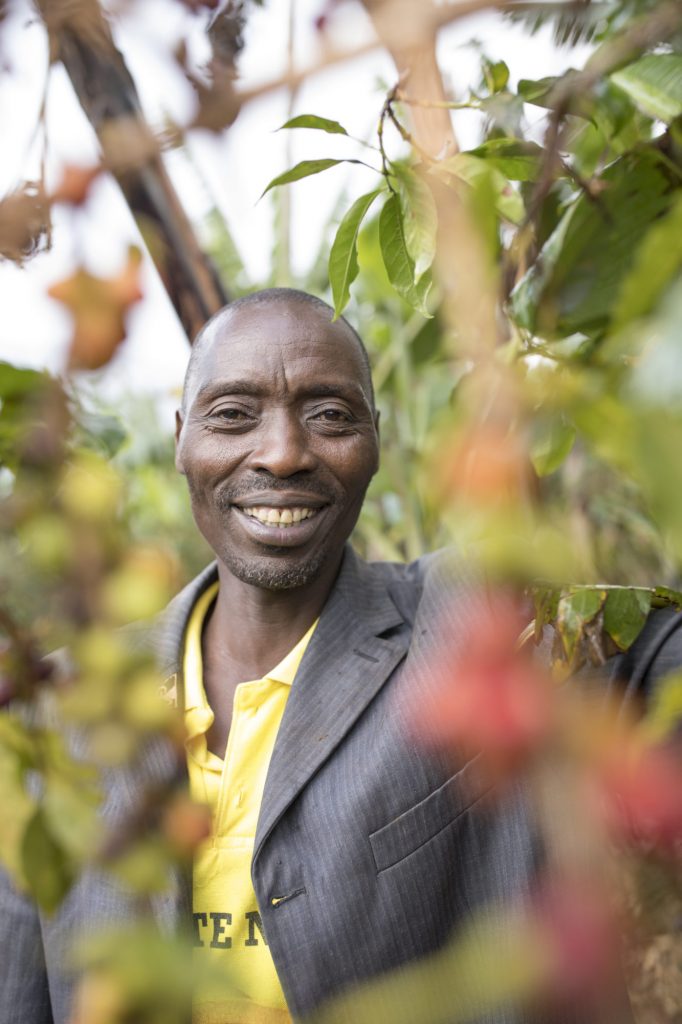
76 Smallholder farmers organized around Mountain Harvest

Altitude
1900 – 2000 masl

Variety
SL-14, SL-28, and Nyasaland

Soil
Volcanic loam

Region
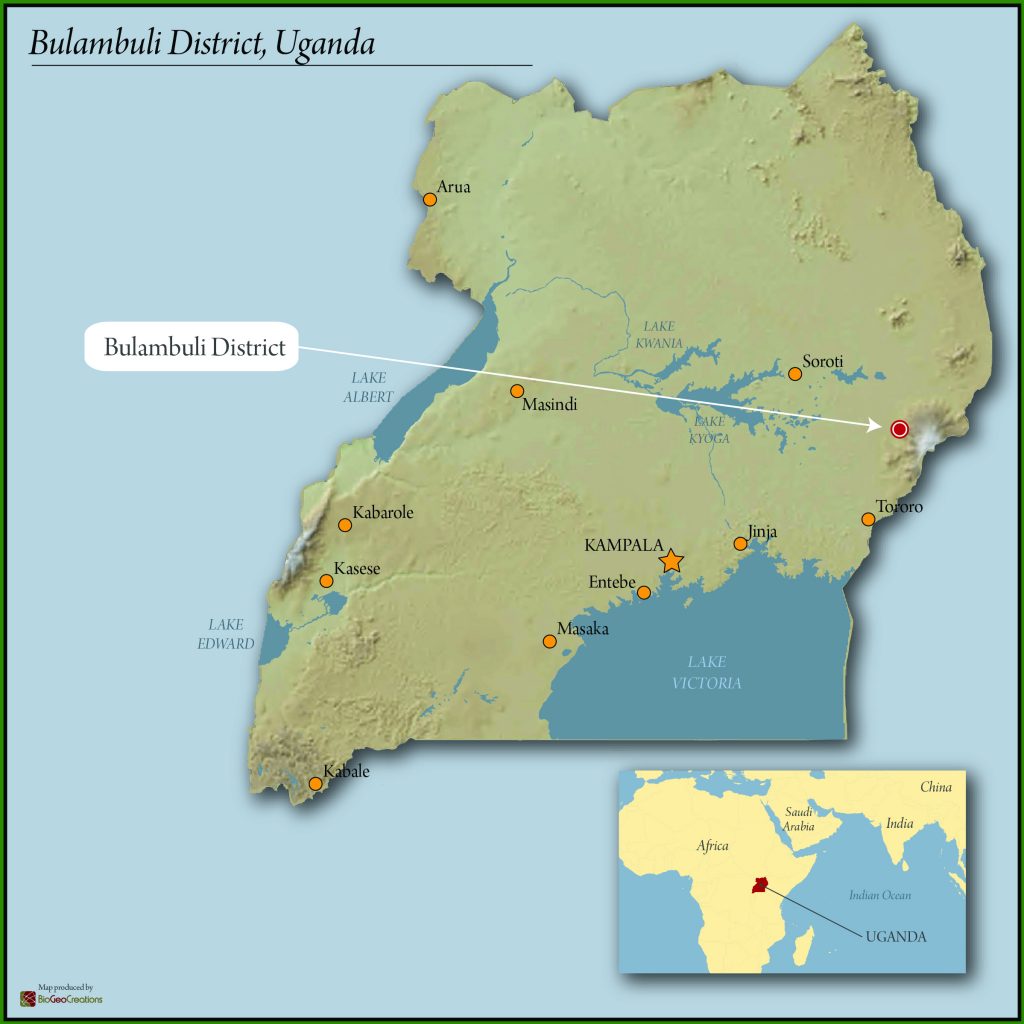
Kajere community, Mt. Elgon, Bulambuli District, Uganda

Process
Honey process and dried on raised beds

Harvest
September - February

Certification
Conventional
Mount Elgon is a massive peak split nearly in two by the border of Uganda and Kenya. The “mountain” itself, now an extinct shield volcano, is more an enormous expanse of successive plateaus that float dramatically above the surrounding valley floor. It is also home to a dense patchwork of farming communities growing some of the best organic coffee in Africa.
Mountain Harvest is a very young and big-thinking group, first established in 2017. The company is dedicated to long-term economic and environmental sustainability for smallholders on Mt. Elgon. These farmers are Uganda’s highest and most diversified coffee growers with incredible quality potential thanks to the climate, soil fertility, and a longstanding culture of land stewardship, but who historically struggle to meet specialty standards by processing coffee in tiny amounts on homemade equipment.
In an effort to raise the economic standard in remote coffee-growing Elgon communities, Mountain Harvest began as an impact investing project underwritten by Lutheran World Relief (LWR). It has expanded in just a few years to include farmer education and training, central processing infrastructure, storage facilities throughout the region, detailed quality control, and international marketing. As of this year Mountain Harvest works with 850 individual smallholders across 8 communities on Mt. Elgon, with each farm growing between 600-1,000 coffee trees. And their coffee stands up to the best fully washed Uganda arabicas we typically taste all year.
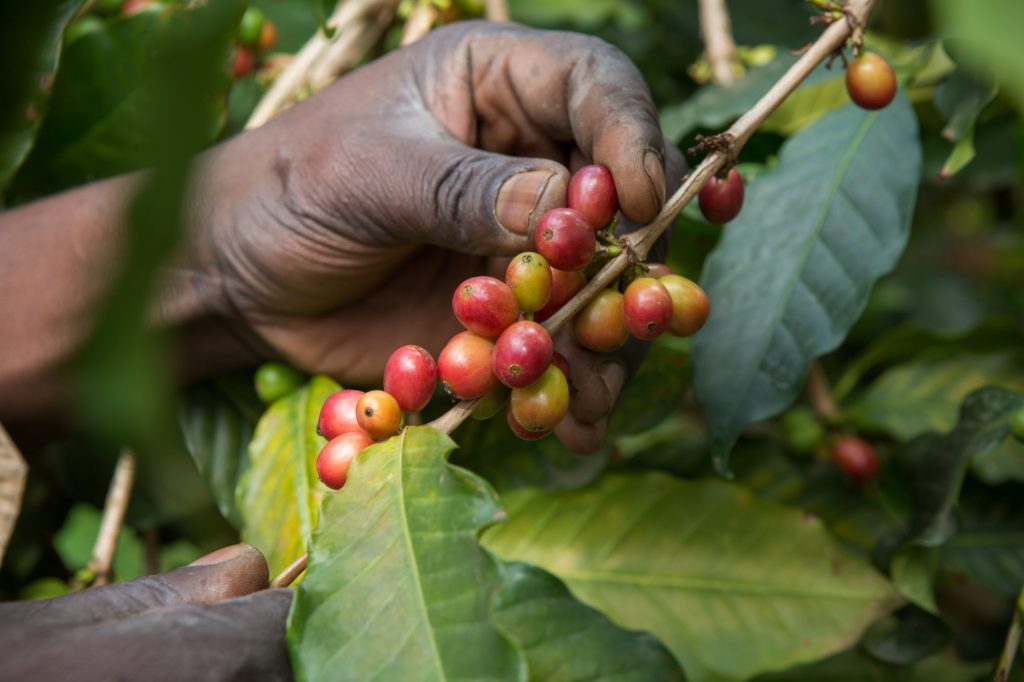
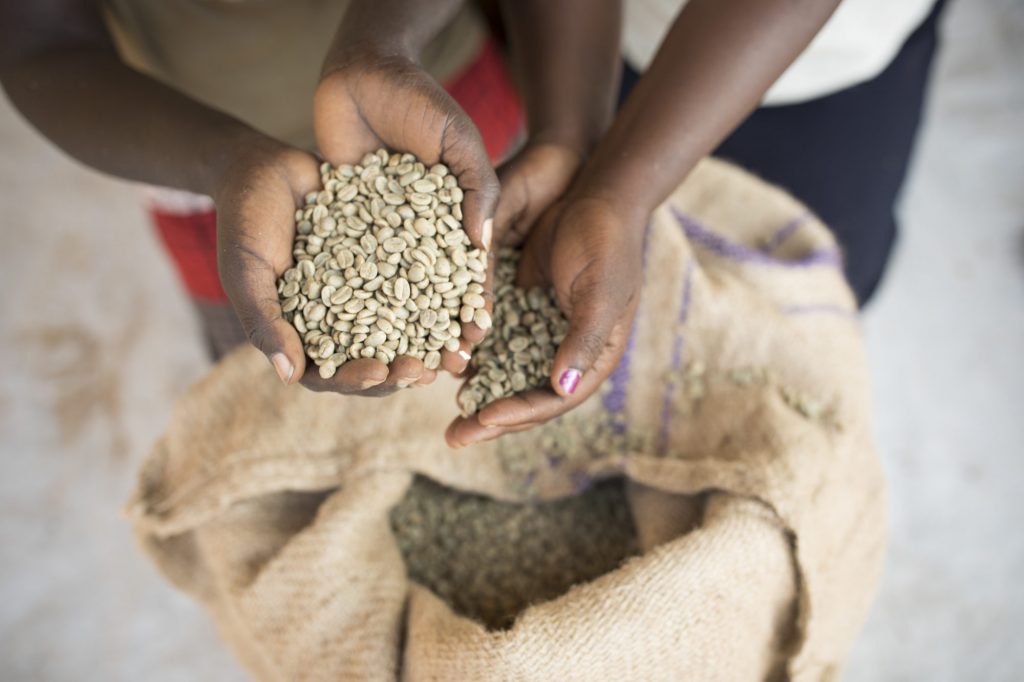
The vast majority of coffee managed by Mountain Harvest is traditionally processed by farmers at home and delivered as parchment. This coffee, however, is a centrally-processed honey microlot from 76 smallholder farmers at the Kajere Station. Red ripe cherries purchased from Kajere community farmers are pulped and placed on raised beds. The coffee is spread in an open drying space for 3-5 days, then placed within the Kajere drying shed for the coffee's final drying until 11% moisture. The coffee is then transferred to Mountain Harvest's temperature-controlled warehouse to rest and homogenize before milling.
Over the course of a full harvest coffees are built into blended containers, single-community lots, experimental centrally-processed lots like this one, and single-delivery microlots for sale. Mountain Harvest’s minimum pricing is 10-30% above local market prices. Unlike other regional buyers who exclusively process centrally or buy lower grade smallholder parchment, Mountain Harvest invests in farmers’ capacity to produce high-specialty cherry or fully-dried parchment coffee within their own resources, helping them maximize their margin when they sell.
Related Coffee

Cherry juice, dried mango, plum, honey, nougat, chocolate
Oakland 4 Bags
Cherry juice, dried mango, plum, honey, nougat, chocolate
Spot
4 Bags
$6.97 per pound

Pluot, hibiscus, white tea, maple syrup
Oakland 137 Bags
ETHIOPIA YIRGACHEFFE 2 WASHED FT-FLO ORGANIC BANKO DHADHATO
39783 – GrainPro Bags – SPOT RCWHSE
Staff Pick
Pluot, hibiscus, white tea, maple syrup
Spot
137 Bags
$6.66 per pound

Lemongrass, plum, cherry, floral, graham cracker, cane sugar
Oakland 49 Bags
UGANDA ORGANIC MOUNTAIN HARVEST WOMEN OF MOUNT ELGON
39616 – GrainPro Bags – SPOT RCWHSE
Lemongrass, plum, cherry, floral, graham cracker, cane sugar
Spot
49 Bags
$6.22 per pound

Cup notes available upon arrival
Oakland 3 Bags
Tanzania Ngorongoro Finagro Gaia Estate SL 28 Washed
Lot 158 – 39893 – Agroz Bags – SPOT RCWHSE
Cup notes available upon arrival
Spot
3 Bags
$7.98 per pound