
Ethiopia Yirgacheffe 1 Washed Banko Taratu
39786 – GrainPro Bags – SPOT SHANGHAI



Grower
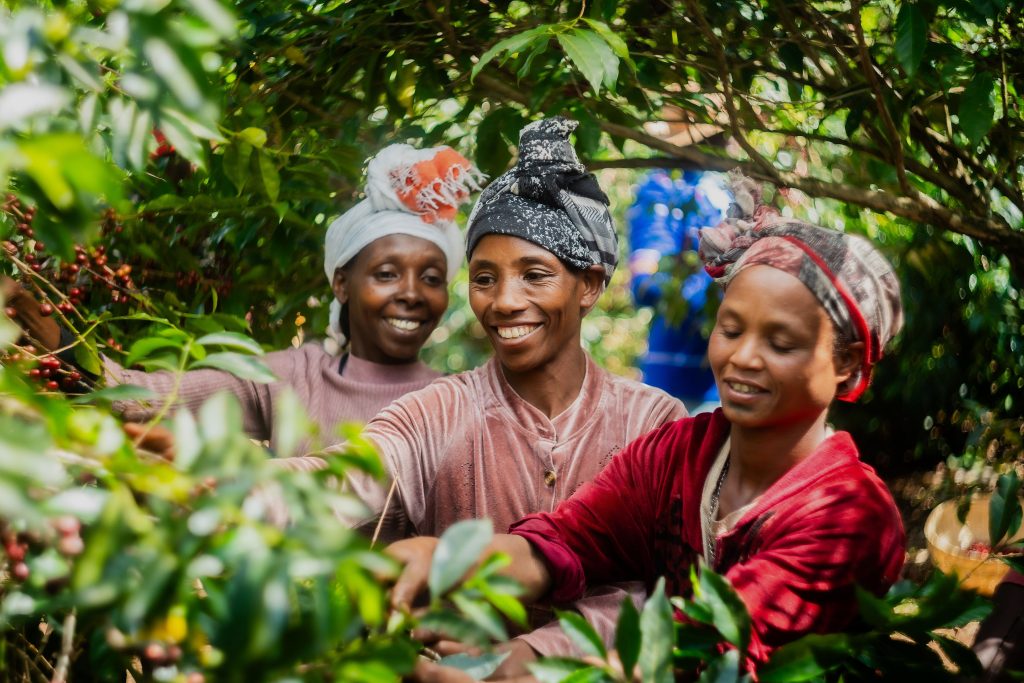
Smallholder farmers organized around Bemen Coffee Processing Station

Altitude
2050 - 2300 masl

Variety
Regional landraces and heirloom cultivars

Soil
Vertisol

Region
Banko Taratu, Gedeb, Gedeo Zone, Southern Nations, Nationalities and Peoples’ Region, Ethiopia

Process
Fully washed and dried on raised beds

Harvest
October – December

Certification
Conventional
Gedeb, and the greater Gedeo zone, is one of the Ethiopia’s most productive and competitive coffee producing regions. It also has, in our estimation, one of Ethiopia’s most stunning terroirs. Bemen Coffee is an independent processor and exporter with a processing site in Banko Taratu, a small municipality in eastern Gedeb, close to the border with Guji. Here they collect some of the highest-grown coffee cherry in the country. This washed lot is particularly beautiful. It has a lush mouthfeel, flavors of creamy stone fruit and sweet florals, while also having the signature sweet camphor aromatics of the Gedeb region.
Gedeb's Significance and Coffee Profiles
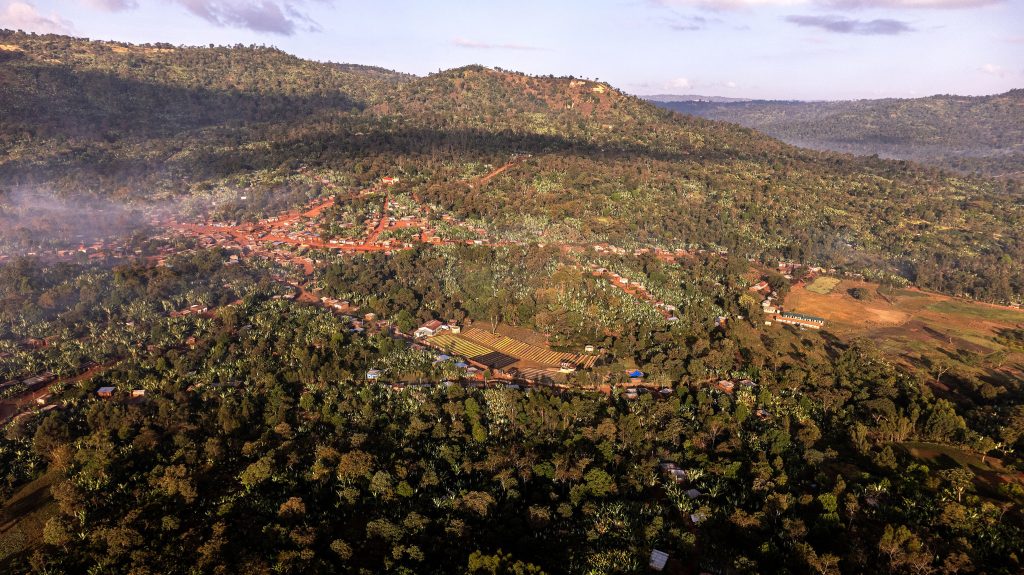
The district of Gedeb takes up the south-eastern corner of Ethiopia’s Gedeo Zone. While seemingly wild and forested, the Gedeb district is actually teeming with coffee growers and processing stations. Gedeb, in our eyes, is a terroir, history, and community all its own that merits unique designation. Coffees from this region, much closer to Guji Zone than the rest of Yirgacheffe, are often the most explosive cup profiles we see from anywhere in Ethiopia. Naturals tend to have perfume-like volatiles, and fully washed lots are often sparklingly clean and fruit candy-like in structure.
The municipality of Gedeb itself is a is a bustling outpost that links commerce between the Guji and Gedeo Zones, with an expansive network of processing stations who buy cherry from across zone borders. These processors would argue (and we would agree) that their coffee profiles are not exactly Yirgacheffe, nor exactly Guji, but something of their own. The communities surrounding Gedeb reach some of the highest growing elevations for coffee in the world and are a truly enchanting part of the long drive through Ethiopia's south. Banko Taratu is one of the communities in eastern Gedeb and includes numerous local cooperatives, as well as independent processing stations of various types, like this one.
Bemen Coffee PLC
Bemen Coffee was founded in 2012 by husband and wife Berhanu (Be-) and Menbere (-men). Berhanu and Menbere have been married for over 25 years and both have a lifelong passion for their country’s coffee. Bemen Coffee now works with over 600 smallholder coffee growers in Sidama, Gedeo (Yirgacheffe), and Guji zones.
Bemen’s processing site in Banko Taratu is managed by Tewodros “Teddy” Demelash. Teddy is assisted by Berhanu and Menbere’s oldest son Michael, who previously lived in San Francisco and was exposed to the city’s diverse specialty coffee scene, including coffees and processes from producers around the world. Michael returned to Ethiopia eager to assist his parents and help Bemen Coffee make a strong impact socially with their farmers, as well as in quality control and processing.
“Great Coffee + Greater Purpose” is Bemen’s operating philosophy. The goal is to produce excellent quality coffee, but also for the business to improve the communities it interacts with. Bemen currently offers quality premiums for cherry and financially supports education and healthcare systems where they work. A longer term goal is to make crop diversification more viable for their farmers—reducing the reliance on coffee as the only source of income. Beekeeping and honey production is one project currently underway.
Processing at Banko Taratu
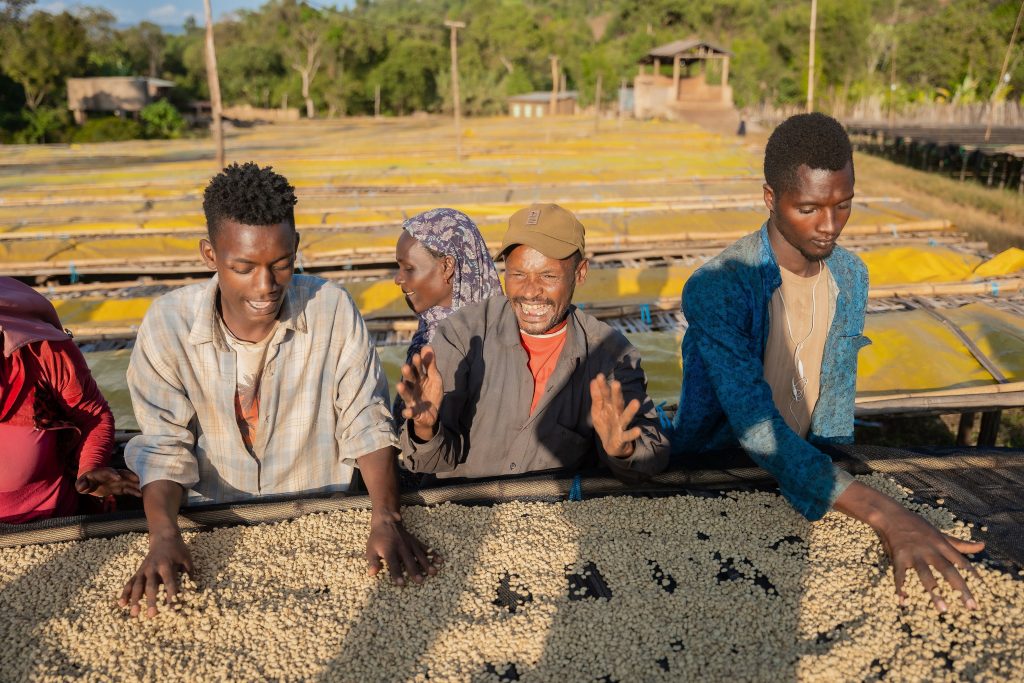
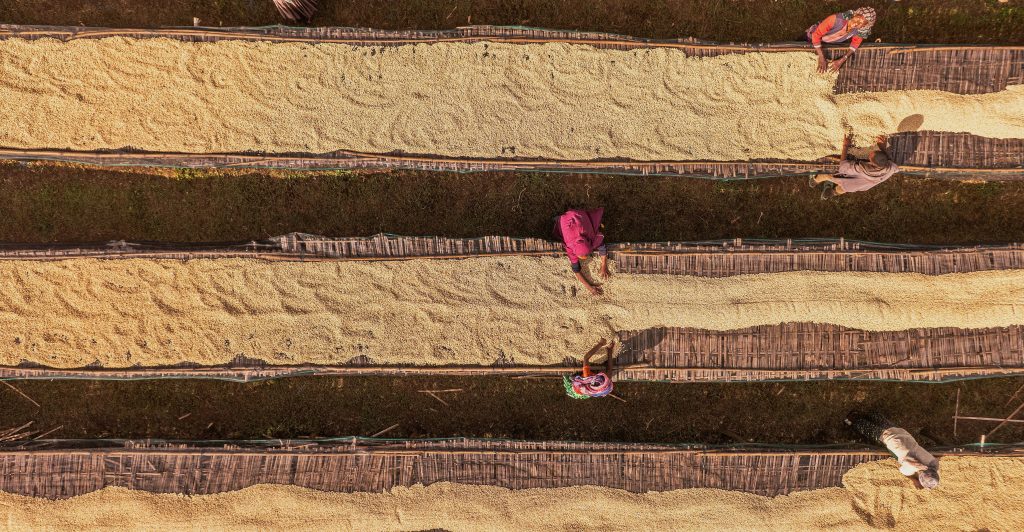
Bemen employs over 100 people at the Banko Taratu site to manage processing. Washed coffee at begins with cherry inspection upon delivery by the farmers, with site employees sorting cherry for ripeness and consistency. Once accepted cherry is depulped and fermented in spring water for 48-72 hours, after which the parchment is scrubbed clean in long concrete channels with fresh running water. From here, the clean parchment is moved to shaded screen beds to skin-dry, and then moved into other beds in direct sun. The entire drying process takes 12-20 days depending on the current climate.