
ETHIOPIA SIDAMO 2 WASHED ORGANIC
39593 – March 2026 Shipment – RCWHSE


Grower
Various smallholder farmers

Altitude
1700 – 2300 masl

Variety
Indigenous landraces and regional heirloom cultivars

Soil
Vertisol

Region
Sidama Zone, Southern Nations, Nationalities, and Peoples’ Region, Ethiopia

Process
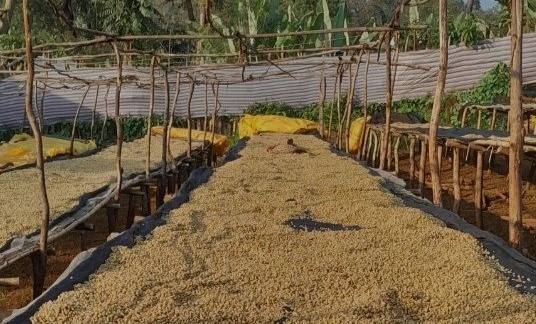
Fully washed sundried on raised beds

Harvest
November - January

Certification
Organic
The climb from the southern end of the Great Rift Valley, through Shashamene and past Awasa is gradual, and coffee trees slowly increase in frequency, large, lanky, and dusty by the roadside, many so tall they lean on the roofs of houses for support.
Sidama has one of the most robust cooperative unions in the country with 53 member cooperatives, as well as a thriving industry of independent washing stations. While often considered Ethiopia’s second-best terroir after Gedeo Zone (also known as “Yirgacheffe”), qualities in Sidama often meet or surpass those of Gedeo’s most famous districts. Coffees here can be planted at some of the world’s highest elevations, with some of the best soil and processing conditions found anywhere in Ethiopia.
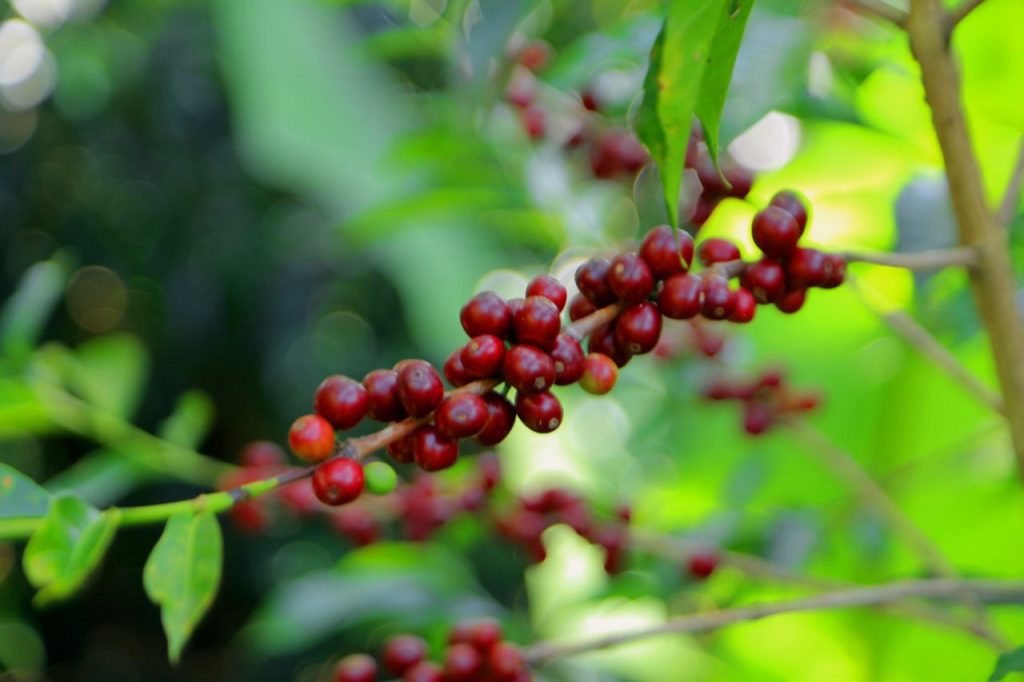
Washed processed coffees in Sidama (also spelled “Sidamo” by some) typically begin with freshly picked coffee cherry that is hand sorted for uniformity, washed clean and floated for consistent density before depulping. After depulping, coffee is washed and washed parchment is placed on raised screen beds, where it will stay for 2-3 weeks on average. At almost every processing site, drying parchment is kept to a very shallow depth on the tables, and is rotated nearly continuously by a huge staff of seasonal employees who rake, stir, pile, and toss the drying coffee to ensure an even dehydration in the open air. Drying coffee is covered during the searingly-hot afternoon hours to protect it from cracking, and again overnight to block the settling humidity. Coffee is brought into local warehouses for storage, prior to being transported to Addis Ababa for final dry milling and export.
Related Coffee

Dried strawberry, raisin, nougat, honey, granola
Oakland 151 Bags
Dried strawberry, raisin, nougat, honey, granola
Spot
151 Bags
$5.35 per pound
Dried dates, cocoa powder
Oakland 134 Bags
ETHIOPIA GUJI 4 NATURAL ORGANIC
37967 – GrainPro Bags – SPOT RCWHSE
Dried dates, cocoa powder
Spot
134 Bags
$5.10 per pound

Chamomile, oregano, malt, pumpernickel
Oakland 295 Bags
Uganda Bugisu AB
38074 – SPOT RCWHSE
Chamomile, oregano, malt, pumpernickel
Spot
295 Bags
$4.45 per pound
Lime, red plum, floral, spiced, sugary
Oakland 50 Bags
Lime, red plum, floral, spiced, sugary
Spot
50 Bags
$6.30 per pound