
Colombia Quindio Campo Hermoso Honey IPA Gesha
39571 – 35.0 kg GrainPro Bags – SPOT SHANGHAI
Bags 8
Warehouses Shanghai


Grower
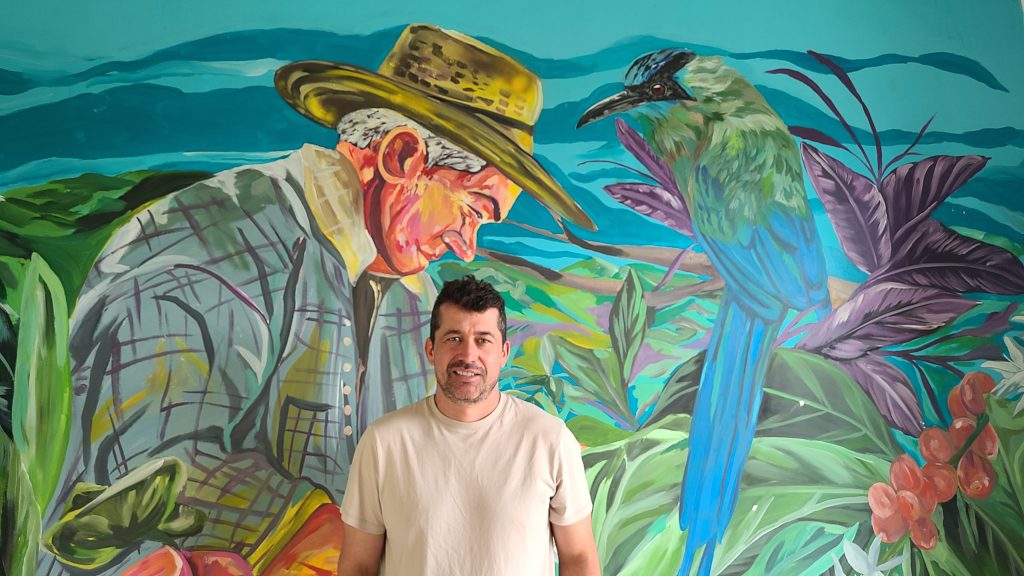
Edwin Noreña | Finca Campo Hermoso

Altitude
1650 masl

Variety
Gesha

Soil
Volcanic loam

Region
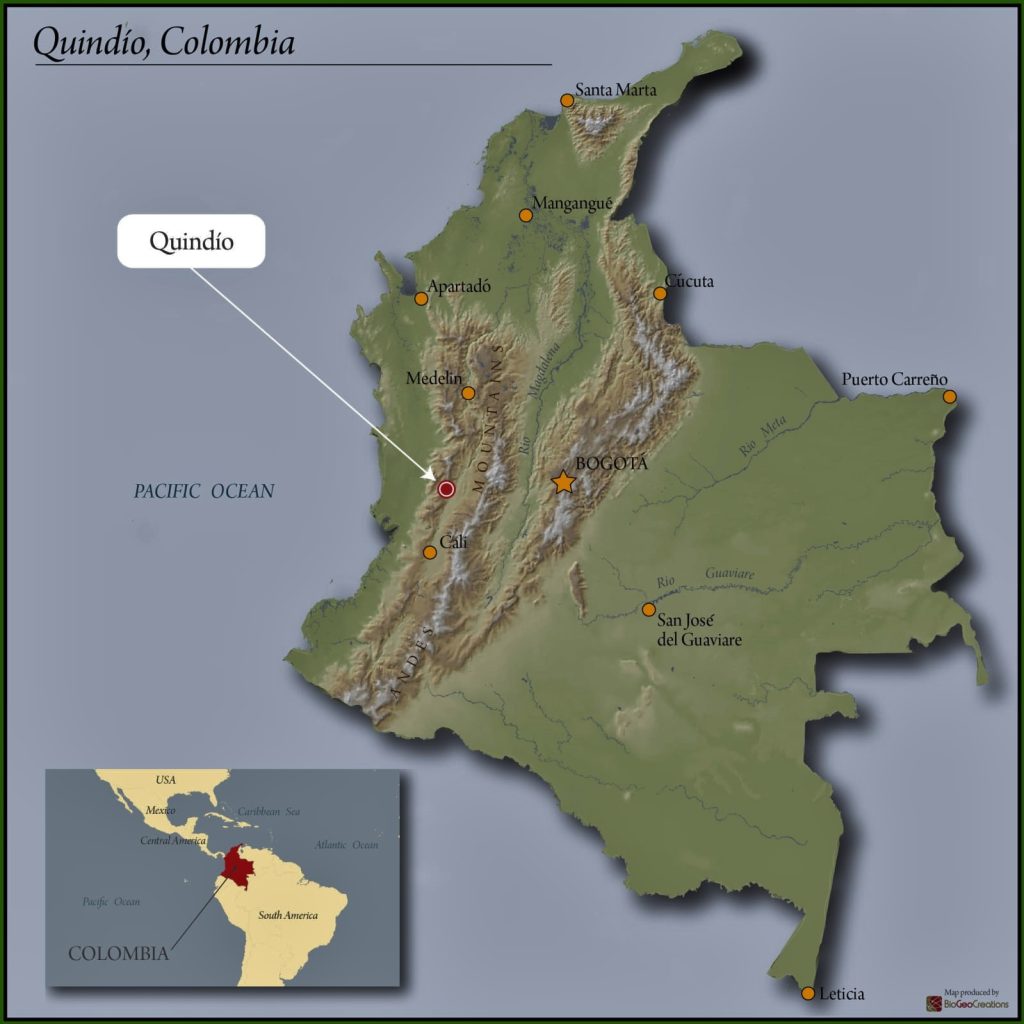
Circasia Municipality, Quindío Department, Colombia

Process
Honey process, triple fermented with added coffee cherry must

Harvest
October – November & April - May

Certification
Conventional
Edwin Noreño is one of Colombia’s true processing obsessives. Known among friends as “El Alquimista” (the alchemist), Edwin has dialed in a wide repertoire of fermentation profiles, often using multiple fermentations in sequence to achieve a desired expression. This pink bourbon microlot was processed using three distinct fermentations and the addition of galaxy hops, which give the final coffee a candy-like structure and flavors of lychee, rose, pear, and anise.
Quindío Department and Finca Campo Hermoso
For such a naturally gifted department as Quindío, it tends to receive less recognition than others for its coffee. Quindío is Colombia’s second-smallest department by size, making up only about 0.2% of the national territory. It’s location, however, right on the central cordillera of Colombia’s vast Andes divide, and centrally between the country’s largest and most influential cities (Bogotá, Medellín, and Cali), give it a high volume of tourist traffic, coffee industry, airline commuters, and idyllic getaways in the form of brightly painted mountain towns, natural reserves, and high elevation tropical landscapes throughout. Almost the entire department is mountainous, its lowest elevations still over 1000 meters, and many parts are dense with coffee plantations, from the small to the large and ambitious.
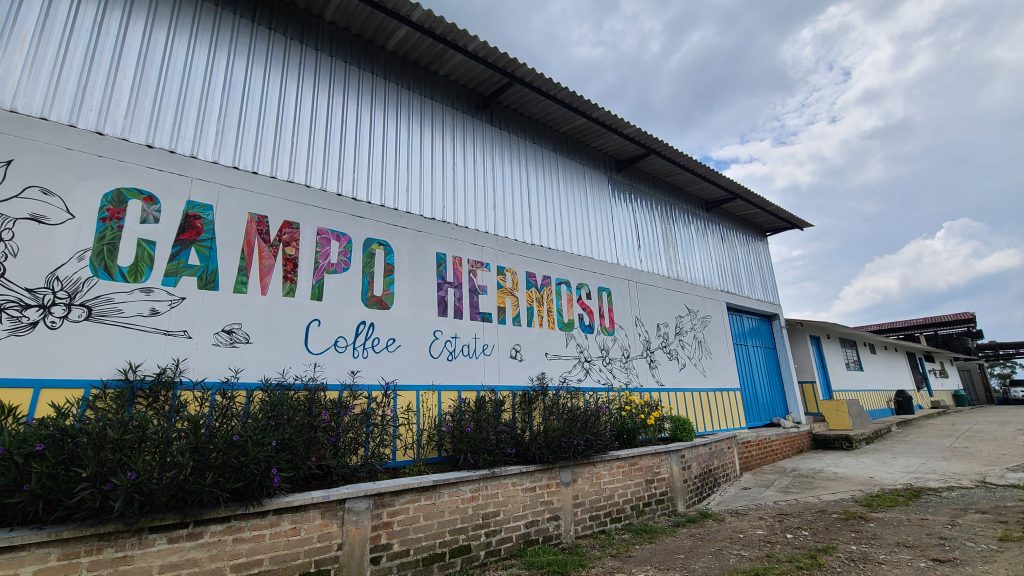
Finca Campo Hermoso is a 15-hectare farm outside of Circasia, only a few kilometers north of Quindío’s capital city Armenia. It’s owner, Edwin Noreña, is an agroindustrial engineer by trade with graduate-level studies in biotechnology. Edwin is a well-connected and highly aspirational coffee producer who focuses on cultivating very specific varieties paired with very specific processing methods designed to express the most surprising, memorable, and delicious coffees possible within his resources. Finca Campo Hermoso concentrates on growing a wide variety of coffee cultivars, including pink bourbon, yellow bourbon, yellow caturra, bourbon sidra, gesha, and Cenicafé 1, a resistant hybrid developed by Cenicafé, Colombia’s national coffee research institute. The resulting coffees are often marketed under “El Alquimista”, Edwin’s personal brand for his microlots, which have featured in barista competitions and choosy roasters around the world (and Royal Coffee’s own inventory from time to time).
Edwin is a third-generation coffee grower and agricultural engineer. Processing, particularly the fermentation step, always interested him because of its potential to transform raw coffee seeds into a remarkably unique sensory experience for coffee drinkers. A breakthrough moment for him was realizing that the sugary, residual liquid produced during whole cherry fermentation could be used again in subsequent fermentations to add natural sugars, and also serve as a solvent for flavoring agents. Over the years Edwin has used chilis, ginger, various fruits, and, in this case, brewers hops to develop unique flavors in his microlots.
“IPA” Processing
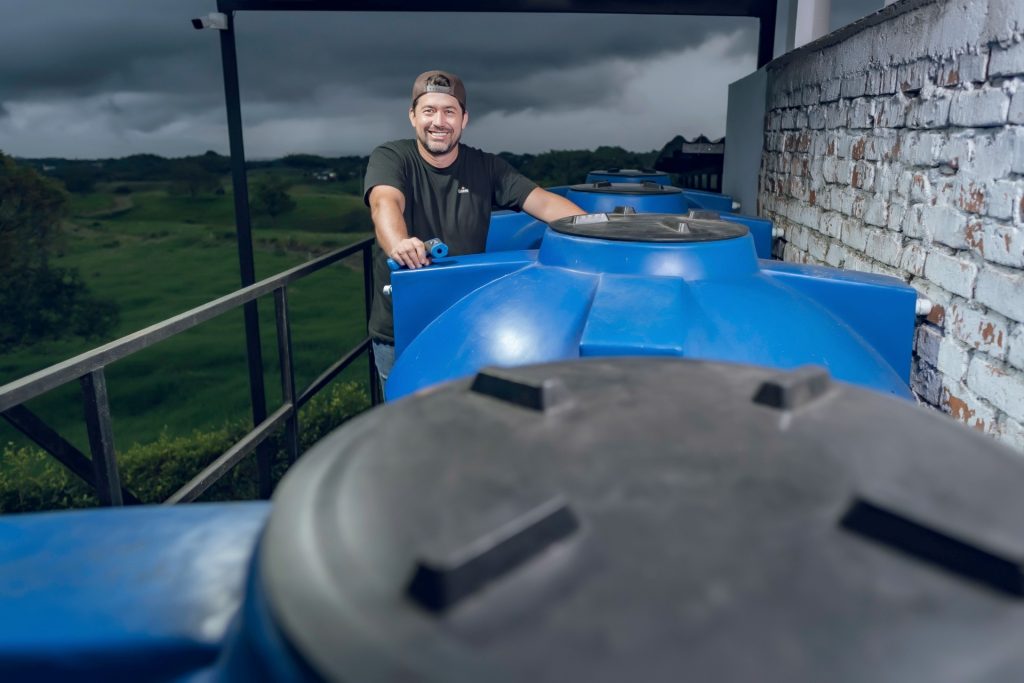
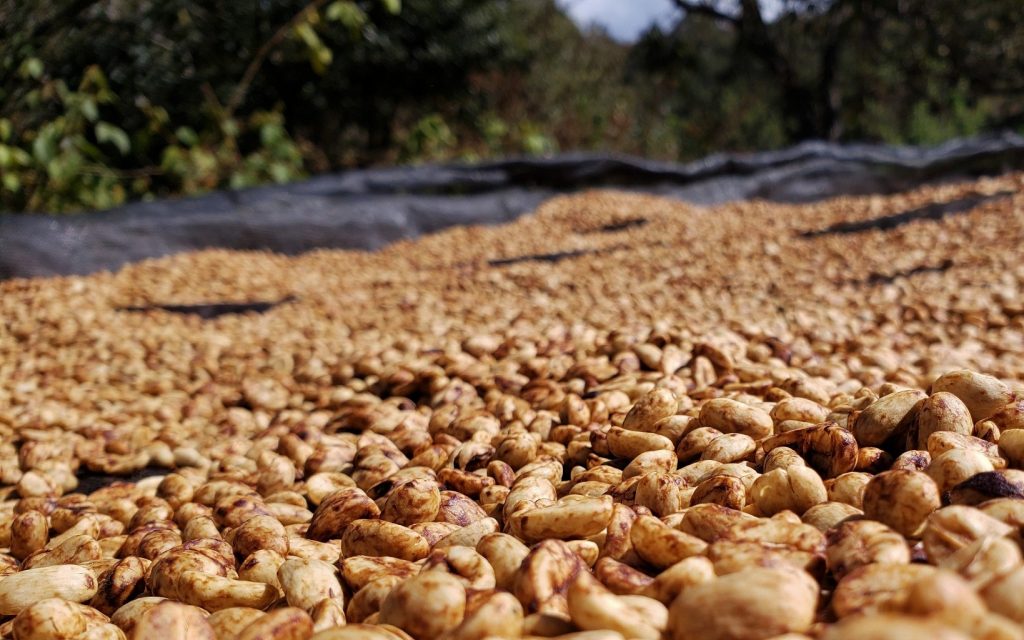
Edwin’s processing for this particular lot involves a three-step fermentation, followed by raised bed drying. The first is a kind of pre-fermentation in cherry, just after picking, and lasts 24 hours, allowing the fruit to soften and the sugars to peak. The fermented cherry is then depulped and the parchment is fermented in an open tank for another 72 hours. Once the parchment fermentation is complete, the parchment is moved to an anaerobic (oxygen deprived) tank where it is combined with the sticky, sugary runoff from the first whole cherry fermentation, as well as cascade hops, and ferments again for 72 hours in this final environment. Once all fermentations are complete the coffee is sundried on raised beds for 10 days.
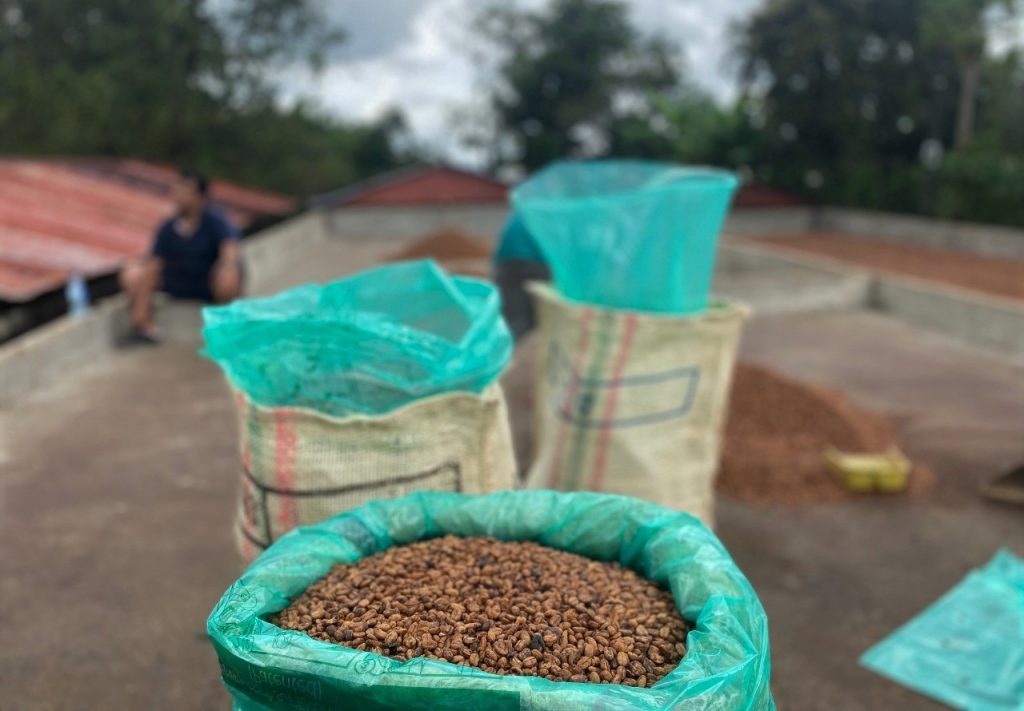
The fully dried coffee is conditioned for 8 days in a warehouse, allowing for humidity to stabilize inside the seeds, and then moved into GrainPro bags for long-term storage, where it is cupped numerous times over the next few weeks for quality analysis.
Oxygen-deprived, or “anaerobic” fermentation environments like the above have gained traction among processing wonks in coffee for the unique flavors and tanginess they can add, as well as creating exaggerated lactic- or phosphoric-like characteristics in the cup compared to what we’re used to. Edwin, by investing in his processing knowhow, and in this case, a drive for flavor enhancement, is able to produce a wide variety of cup profiles from a small parcel of land, further expanding cuppers’ expectations of Quindío coffees and evolving the standards of his peers, not to mention boosting the notoriety of Campo Hermoso and the 30 families that contribute work to the farm.