
Burundi Kayanza Butanyerera Natural Grade 1
39353 – Ecotact Bags – ETA: May 21, 2026 – RCWHSE
Bags 72
Warehouses Oakland

Grower
289 smallholder farmers organized around the Nkuba Coffee Washing Station

Altitude
1647 masl

Variety
Local bourbon cultivars

Soil
Volcanic loam

Region
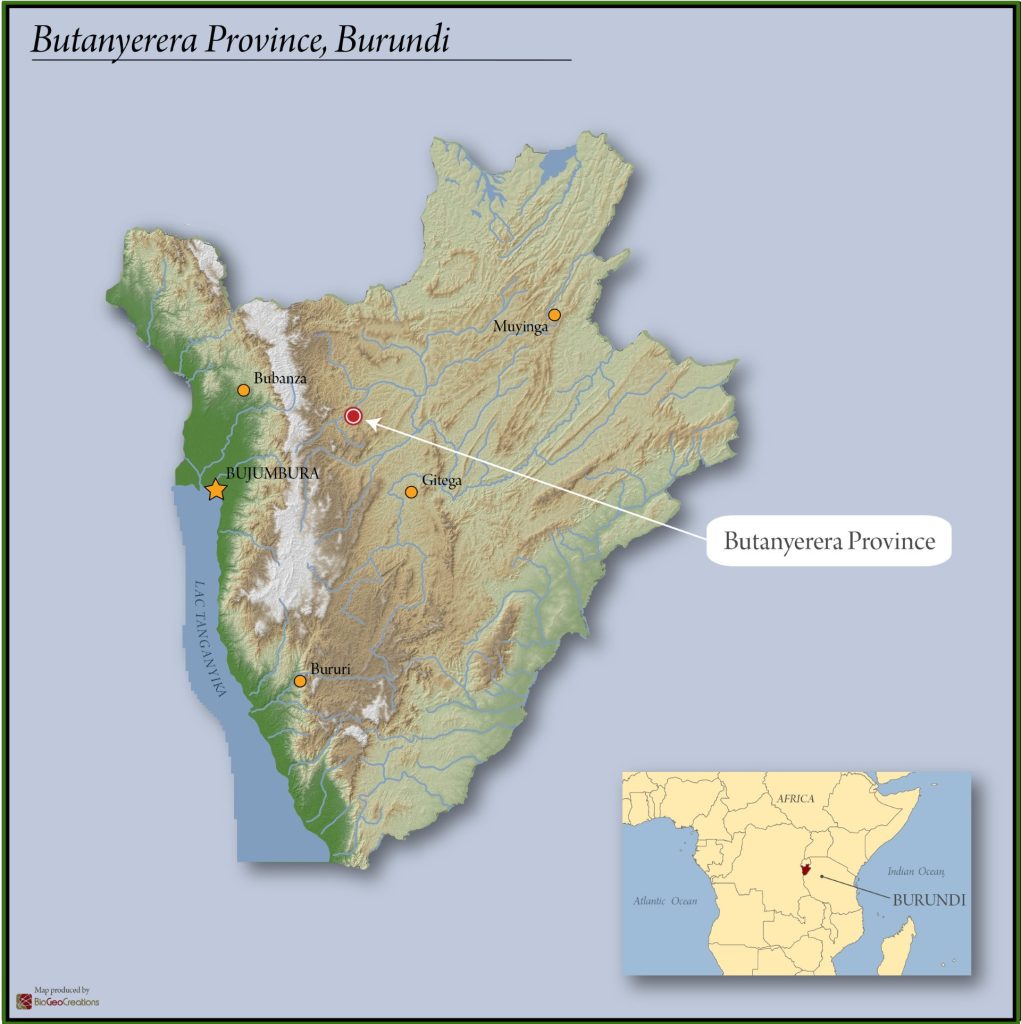
Kayanza Commune, Butanyerera (Kayanza) Province, Burundi

Process
Sundried natural

Harvest
March - June

Certification
Conventional
Starting about 15 years ago Burundi’s reputation for excellent naturals was just beginning. At the time it was a handful of private processors risking their cherry in an entrepreneurial drive to do something different. By today, naturals for many roasters are the default option—they are synonymous with Burundi specialty and represent a unique market within East Africa, where natural processing outside of Ethiopia is still surprisingly rare.
This is a natural processed microlot from a single processing station in northern Kayanza province. It’s thick, fudgy and cognac-like with berry and candied cherry flavors.
Nkuba Hill & Processing Site
Butanyerera is a large, newly-formed mountainous highland region in northern Burundi. The province borders Rwanda to the north and Ngozi, another significant coffee producing area, to the east. Kayanza, one of the “communes” of the province (and formerly its own province as well) is deeply associated with Burundi’s specialty coffee market and history. Previous to this current generation of hyper-regional private processors and exporters, the country’s coffee value chain was managed by a few large government-owned corporations, known as Sociétés de Gestion des Stations de Lavage (SOGESTAL, literally, “Washing Station Management Companies”). These formed a kind of oligopoly that, for better or worse, limited price competition, standardized processing, and managed all exportation. Burundi’s coffee production, the country’s largest cash crop by far, was entirely government-owned until the 1990s, and then slowly liberalized until the 2010s, during which decade the SOGESTALs sold most of their processing sites to small, private companies.
Baho Coffee is one such company, who first started in Rwanda in 2017 and today manages a number of washing stations there. They also work extensively in Burundi, partnering with independent processors to market their coffees abroad. The Nkuba Coffee Washing Station is one such partner, owned and managed by Minani Leonard, which processes cherry from only 289 farmers on its namesake hill. “Nkuba” means “lightening” and this particular hill was long ago believed to possess a soil blessed by lightening.
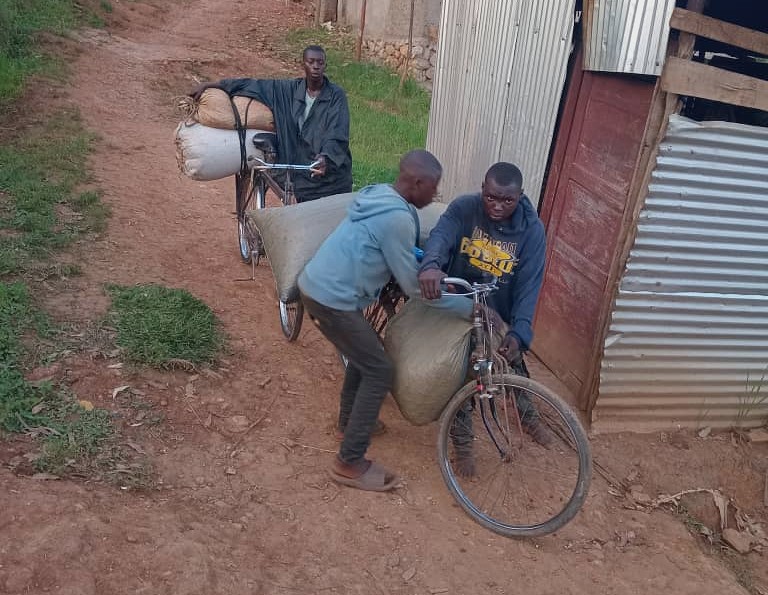
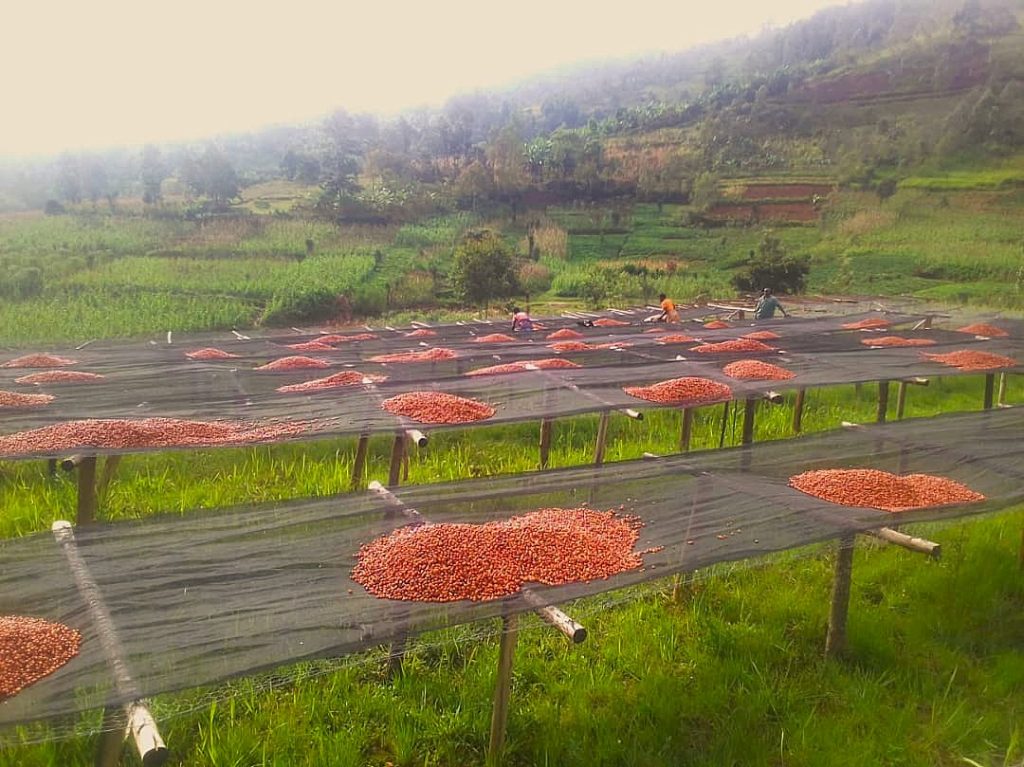
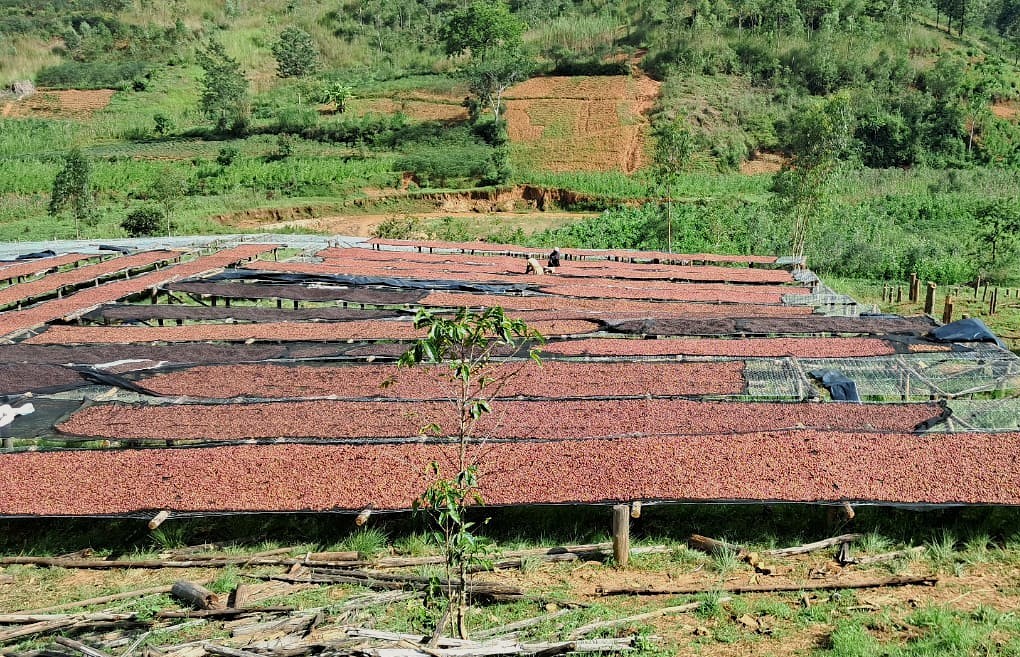
Naturals at Nkuba Coffee Washing Station are collected daily from the surrounding farmers, sorted for imperfections, and then transfered immediately to raised screen beds to dry. During drying, the cherries are rotated continuously in the sun and if needed, piled into small pyramids to slow the evaporation of moisture and maintain the cellular integrity, and sweetness, of the final coffee.
Related Coffee

Dried strawberry, raisin, nougat, honey, granola
Oakland 151 Bags
Dried strawberry, raisin, nougat, honey, granola
Spot
151 Bags
$5.35 per pound

Chamomile, oregano, malt, pumpernickel
Oakland 295 Bags
Uganda Bugisu AB
38074 – SPOT RCWHSE
Chamomile, oregano, malt, pumpernickel
Spot
295 Bags
$4.40 per pound
Lime, red plum, floral, spiced, sugary
Oakland 50 Bags
Lime, red plum, floral, spiced, sugary
Spot
50 Bags
$6.30 per pound
Lemon/lime, green grape, plum, dark chocolate
Oakland 77 Bags
Kenya Meru Gichugene AB
42KE2001 – 38768 – GrainPro Bags – SPOT RCWHSE
Lemon/lime, green grape, plum, dark chocolate
Spot
77 Bags
$6.30 per pound