
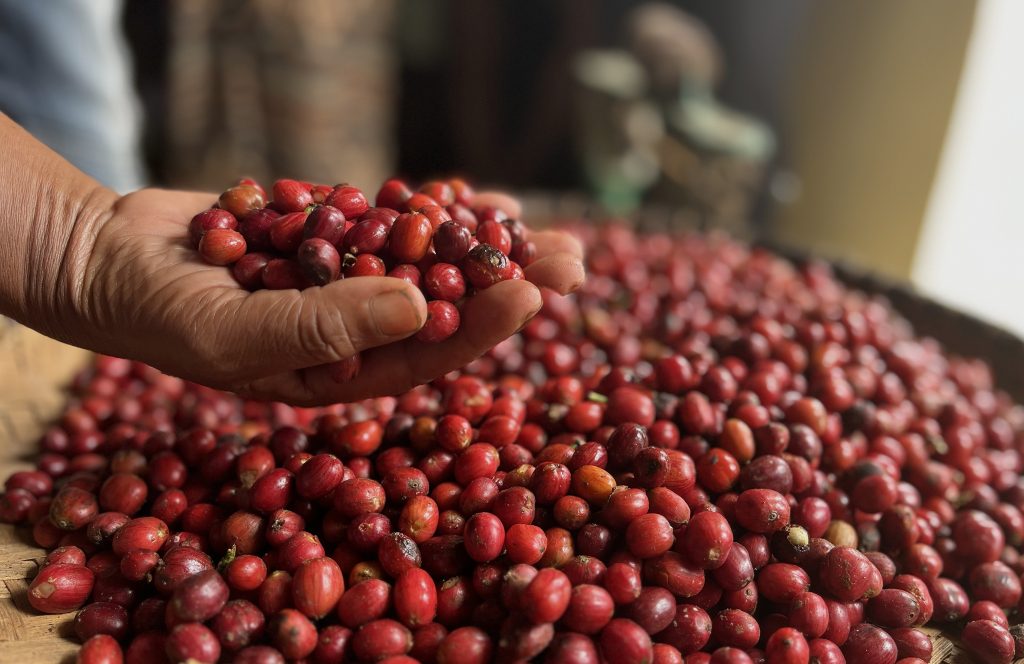
Madagascar Robusta Cherry
38887 – GrainPro Bags – SPOT RCWHSE
Bags 166
Warehouses Oakland

Grower
300 smallholder farmers

Altitude
50 – 500 masl

Variety
Robusta

Soil
Volcanic loam

Region
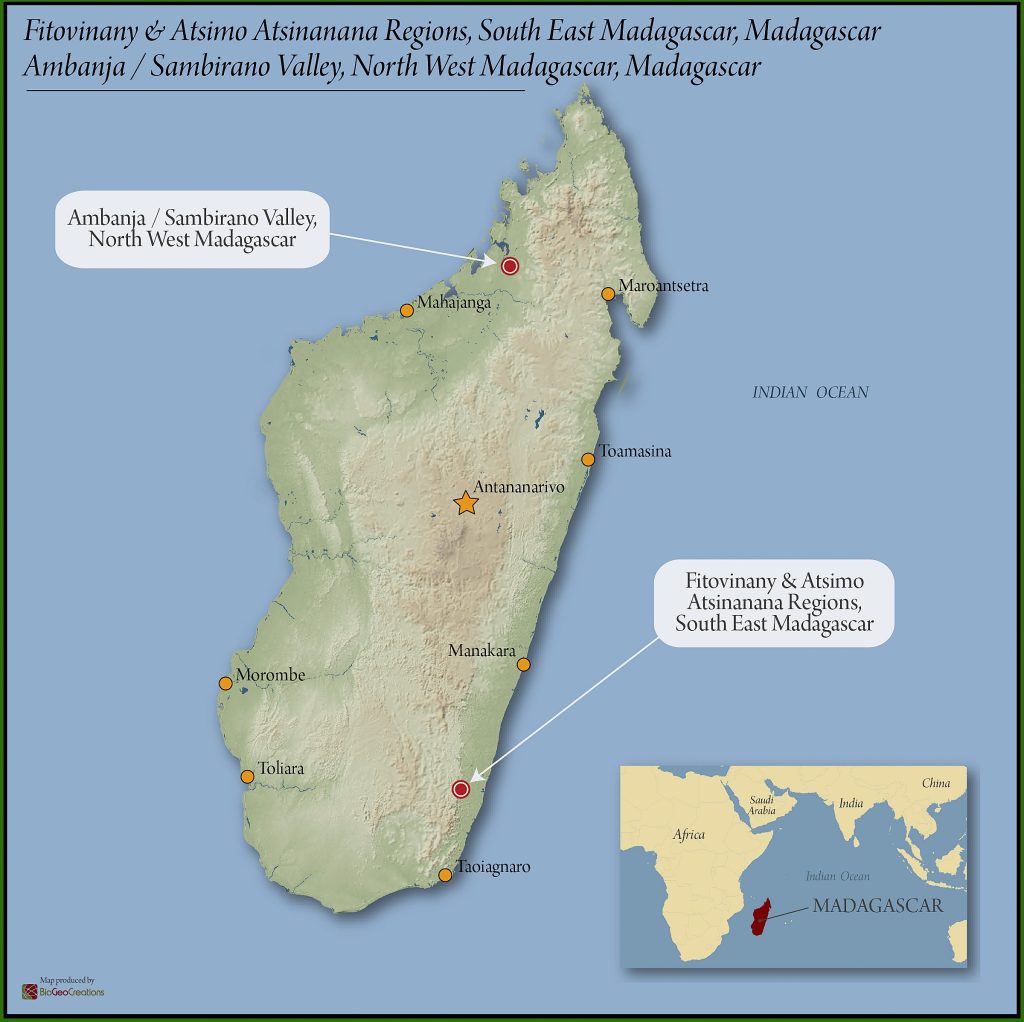
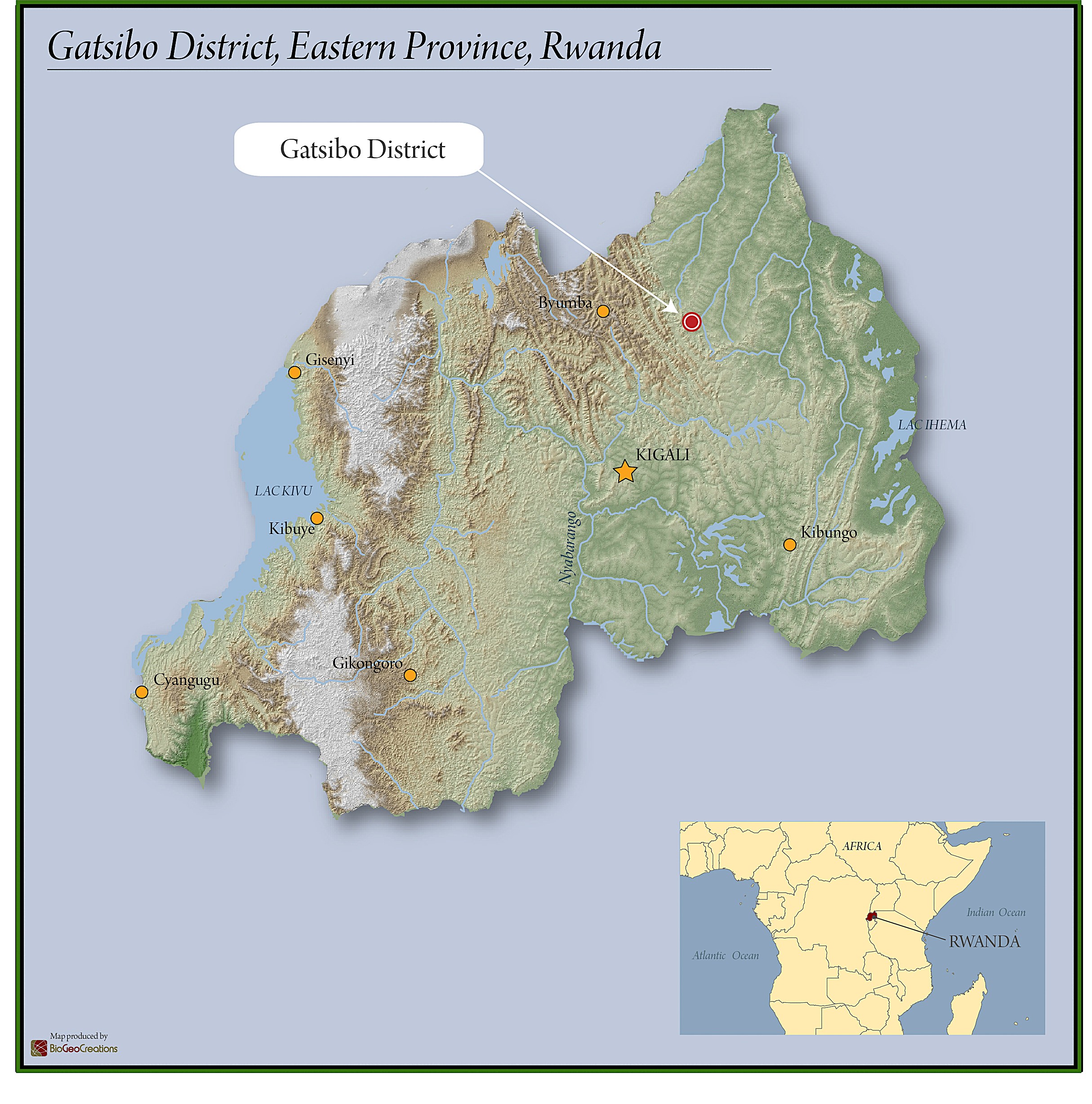
Fitovinany & Atsimo Atsinanana regions, South East Madagascar, Madagascar Ambanja / Sambirano Valley, North West Madagascar, Madagascar

Process
Full natural and sun-dried

Harvest
April-September

Certification
Conventional
Sourcing Details
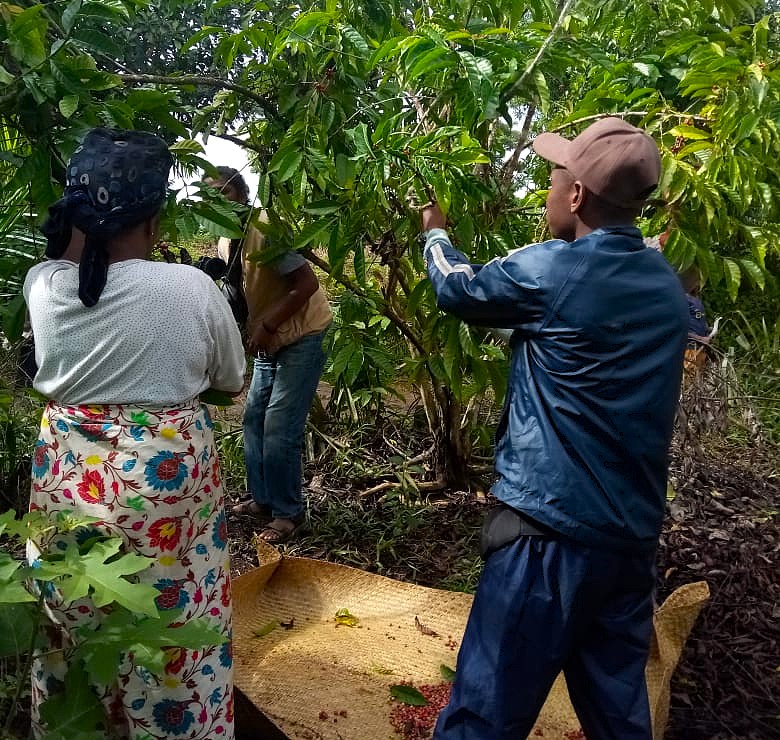
Madagascar is a specialty coffee origin that might be new to many, but coffee has been grown on the island since the 1800s and has one of the most diverse coffee genetics anywhere on the planet. Exports were booming into the 1990s and then there was a bust and coffee from Madagascar remained unnoticed for the years that followed. Recently, a company called Madagascar Coffee Company (MCC) has come to the forefront of coffee’s revival in Madagascar. MCC works with farmers that cultivate just a few acres of coffee to sustain their families. MCC’s motivation is poverty relief through coffee income improvements that come from the export of higher quality coffee typically rewarded in the specialty coffee market.
Processing Details
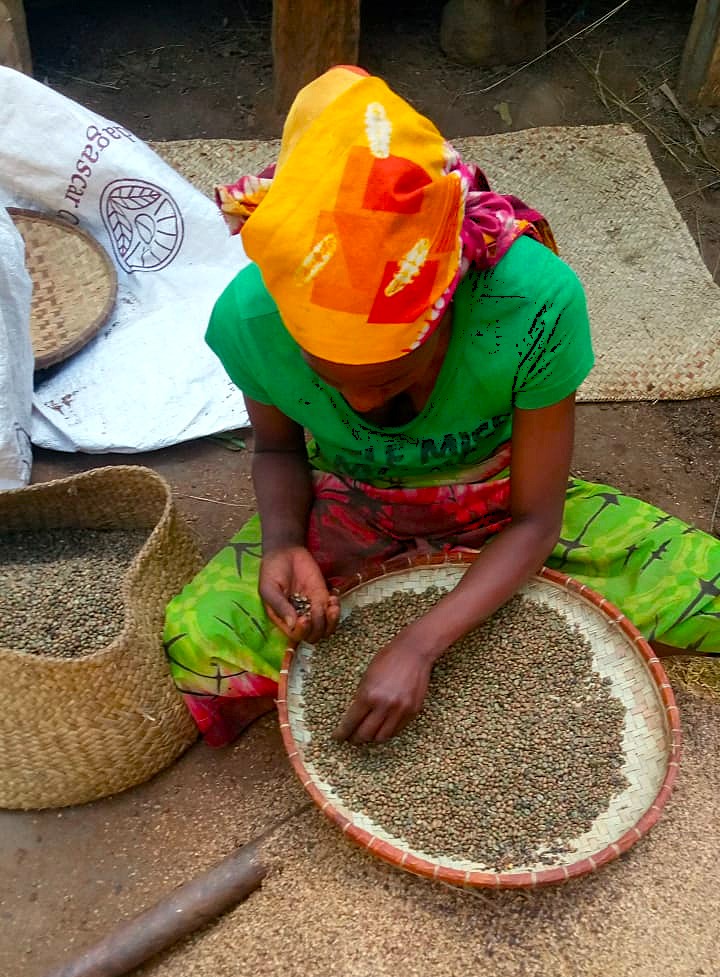
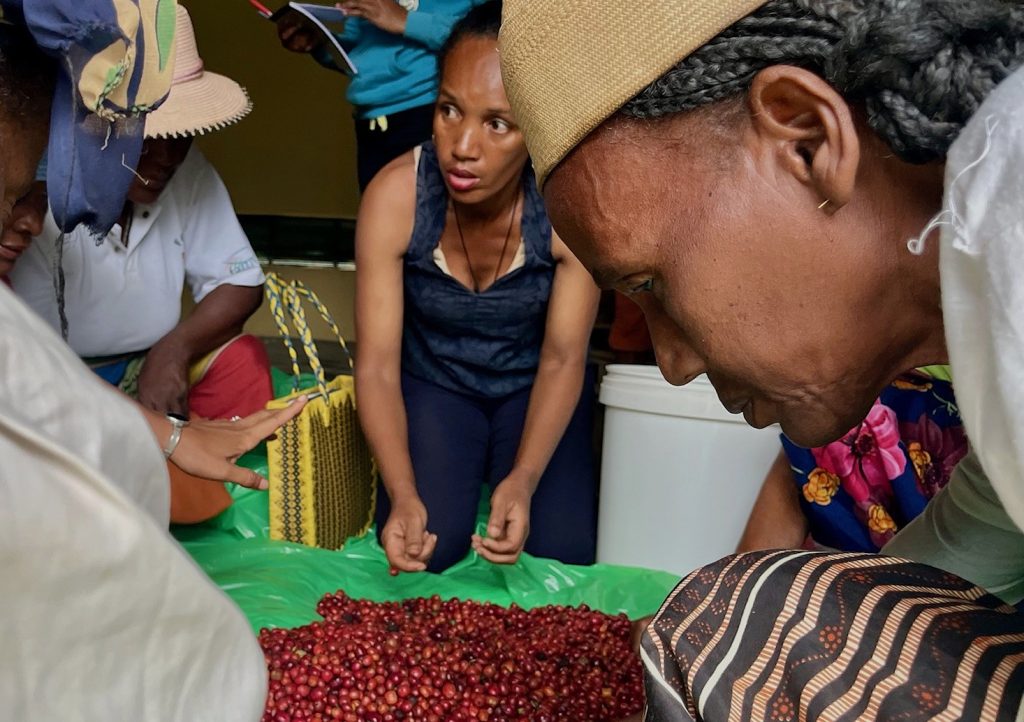
There is a growing trend in the specialty coffee world to seek out the Robusta species, which is considered more tolerant to the impacts of climate changes than the Arabica species. Robusta’s flavor profiles, which have a negative reputation, might improve significantly with some of the processing innovations previously reserved for Arabica coffee. MCC’s centralized mills support robusta harvests from small farms so farmers do not have to invest in mill equipment. Production is small enough for each individual farmer to focus on meticulous cherry sorting. MCC helps farmers with transportation to the centralized mill and provides transparent purchasing options. At the central mill, the same care in handling arabica coffee is placed on the post harvest of Robusta. Cherries are sorted, macerated overnight and dried on raised beds. MCC has made infrastructure innovations like drying structures that have greatly improved their ability to consistently meet quality standards for moisture content and water activity. MCC also operates its own dry mill facility, ensuring an attention to detail throughout the entire post harvest process.
Exporter Details:
MCC has helped farmers establish best farm management practices. With this model of collaboration, MCC has established traceable community blends with a vibrant regional profile ensuring greater producer earnings from direct trade relationships.
Related Coffee

Chamomile, oregano, malt, pumpernickel
Oakland 302 Bags
Uganda Bugisu AB
38074 – SPOT RCWHSE
Chamomile, oregano, malt, pumpernickel
Spot
302 Bags
$4.29 per pound
Lime, red plum, floral, spiced, sugary
Oakland 50 Bags
Lime, red plum, floral, spiced, sugary
Spot
50 Bags
$6.30 per pound
Lemon/lime, green grape, plum, dark chocolate
Oakland 77 Bags
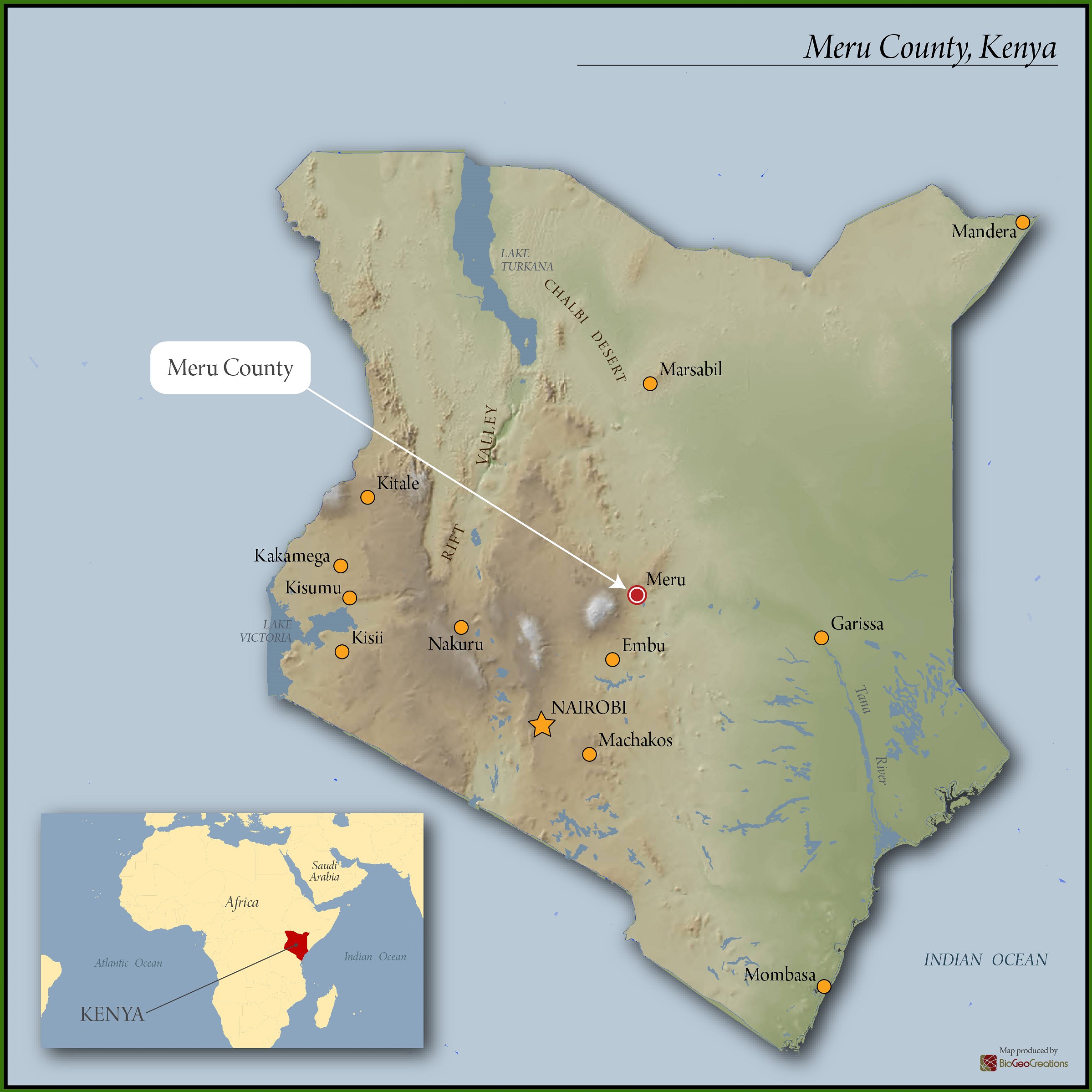
Kenya Meru Gichugene AB
42KE2001 – 38768 – GrainPro Bags – SPOT RCWHSE
Lemon/lime, green grape, plum, dark chocolate
Spot
77 Bags
$6.30 per pound
Strawberry-lemonade, plum, hibiscus, baking spice, dark chocolate
Oakland 7 Bags
Kenya Kiambu Ndumberi AB
48KF0015 – 38770 – GrainPro Bags – SPOT RCWHSE
Strawberry-lemonade, plum, hibiscus, baking spice, dark chocolate
Spot
7 Bags
$6.30 per pound