
Ethiopia Guji 1 Natural Hambela
36813-1 – GrainPro Bags – SPOT COMIDWEST
Bags 0
Warehouses Midwest
Flavor Profile Blueberry, grape, cherimoya, floral, sweet
Please Note This coffee landed more than 8 months ago.
Check out our Guide to Ethiopian Coffee Grades
Out of stock


Grower
Smallholder farmers in the Hambela district

Altitude
1600– 2200 masl

Variety
Indigenous landraces and regional heirloom cultivars

Soil
Vertisol

Region
Hambela Woreda, Guji Zone, Oromia Region, Ethiopia

Process
Full natural and dried on raised beds

Harvest
November - January

Certification
Conventional
Coffee Background
Naturals from Hambela, one of Guji’s most western and accessible high-elevation districts, are produced by local smallholder farmers and dried at central processing stations in the area. Sundried naturals from Hambela have become widely beloved over the past 10 years for their articulate fruit juice flavors, balanced acids, and overal cleanliness compared to other well-known regions in Ethiopia.
Brief History & Flavor Profile
Ethiopia’s Guji zone is a distant and heavily forested swath of land stretching southeast through the lower corner of the massive Oromia region. Guji is heavy with primary forest thanks to the Guji tribe, a part of Ethiopia’s vast and diverse Oromo nation, who have for generations organized and legislated to reduce mining and logging outfits in their area, in a struggle to conserve the land’s sacred canopy. Compared to other coffee-heavy regions, large parts of Guji feel like prehistoric backwoods. Coffee farms in many parts of Guji begin at 2000 meters in elevation and tend to climb from there. The highland farming communities in this part of the country can be at turns Edenic in their natural purity, and startlingly remote.
Guji’s coffees, when well-produced, are often juicier and jammier in balance than nearby Yirgacheffe, which is known for more floral or herbaceous and lemony coffees. High elevation naturals here in particular can be well-defined and hard candy-like in balance with flavors of berry or stone fruit, red wine, and rose.
Hambela Processing
Hambela’s processing sites are typically named simply after the Hambela district where they’re located. Due to grower density in this part of Guji (close enough to Yirgacheffe where farmers can even transport cherry to Gedeb if they have an incentive to do so), Hambela has many processing sites, almost all of them independently owned. Processing stations service anwhere from 200 to over 1,000 farmers, many of which manage collection areas throughout the district to capture cherry farther away. Depending on the farm size, an individual farmer can supply anywhere from 20kg to 1,000kg cherry per harvest season. Coffee sales are a critical source of income and hard currency for farmers, most of whom use the proceeds of their coffee production to pay for their family’s educational expenses.
Processing Detail & Quality Control
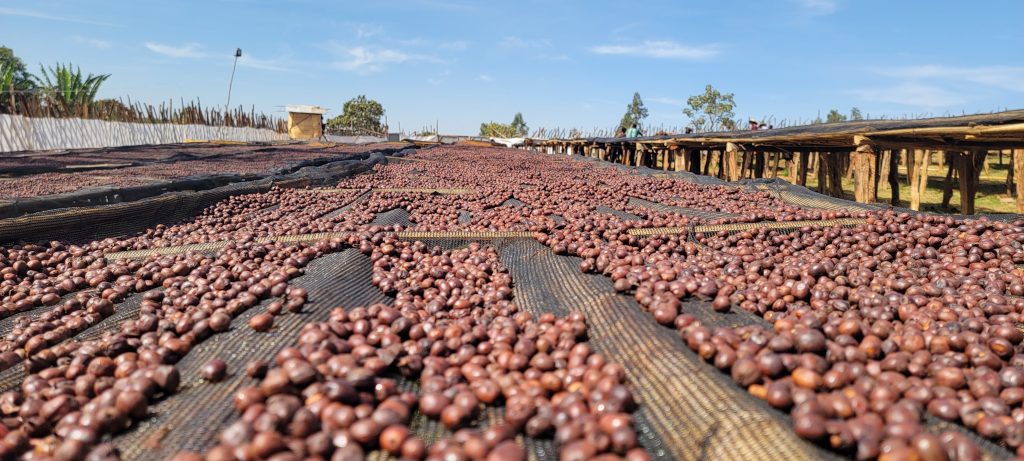
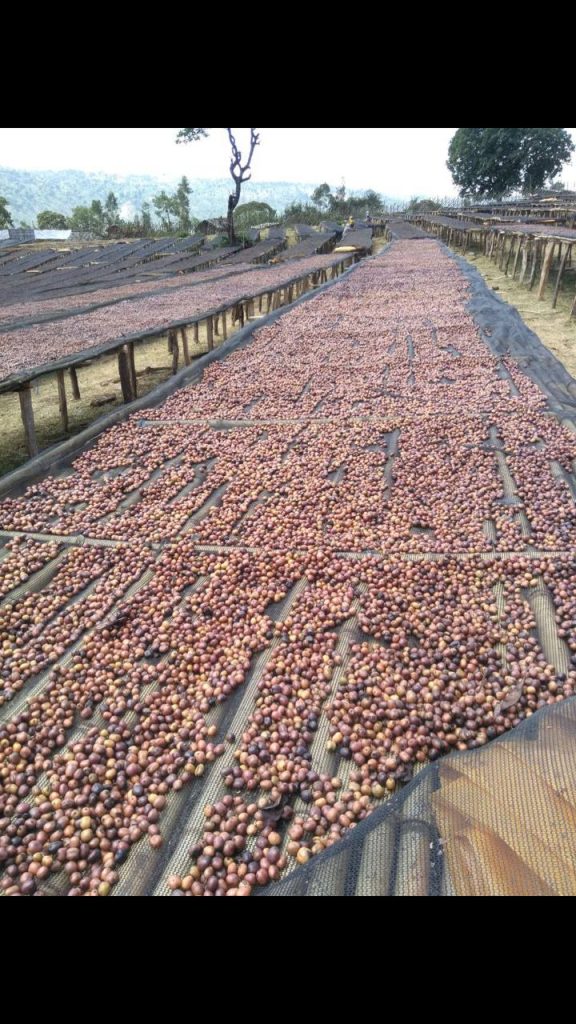
Cherry at Hambela processing sites is received at all times during the long harvest days. Once received, cherries are typically sorted for ripeness and consistency and moved directly to the drying tables where they are spread in a single layer to dry in the sun. The full drying process normally takes 14-21 days depending on the local climate at the time, and the final resting moisture content of the fruit is typically 11-12%.
Once cherries have been thoroughly dried and rested, the dried fruit is hulled from the coffee seed locally, and then transferred to Addis Ababa, Ethiopia’s capital. In Addis the coffee is dry-milled by using modern color sorting equipment and a fleet of trained workers who repeatedly hand-sort the coffee for export.
Related Coffee

Black currant, nutty, scone
Midwest 19 Bags
ETHIOPIA GUJI 4 NATURAL ORGANIC
37969 – GrainPro Bags – SPOT COMIDWEST
Black currant, nutty, scone
Spot
19 Bags
$5.10 per pound

Cup notes available upon arrival
Midwest 10 Bags
Ethiopia Harrar 4 Natural Queen City
39904-1 – GrainPro Bags – SPOT COMIDWEST
Cup notes available upon arrival
Spot
10 Bags
$4.81 per pound
Red grape, strawberry, maple, baking spice, cacao
Midwest 10 Bags
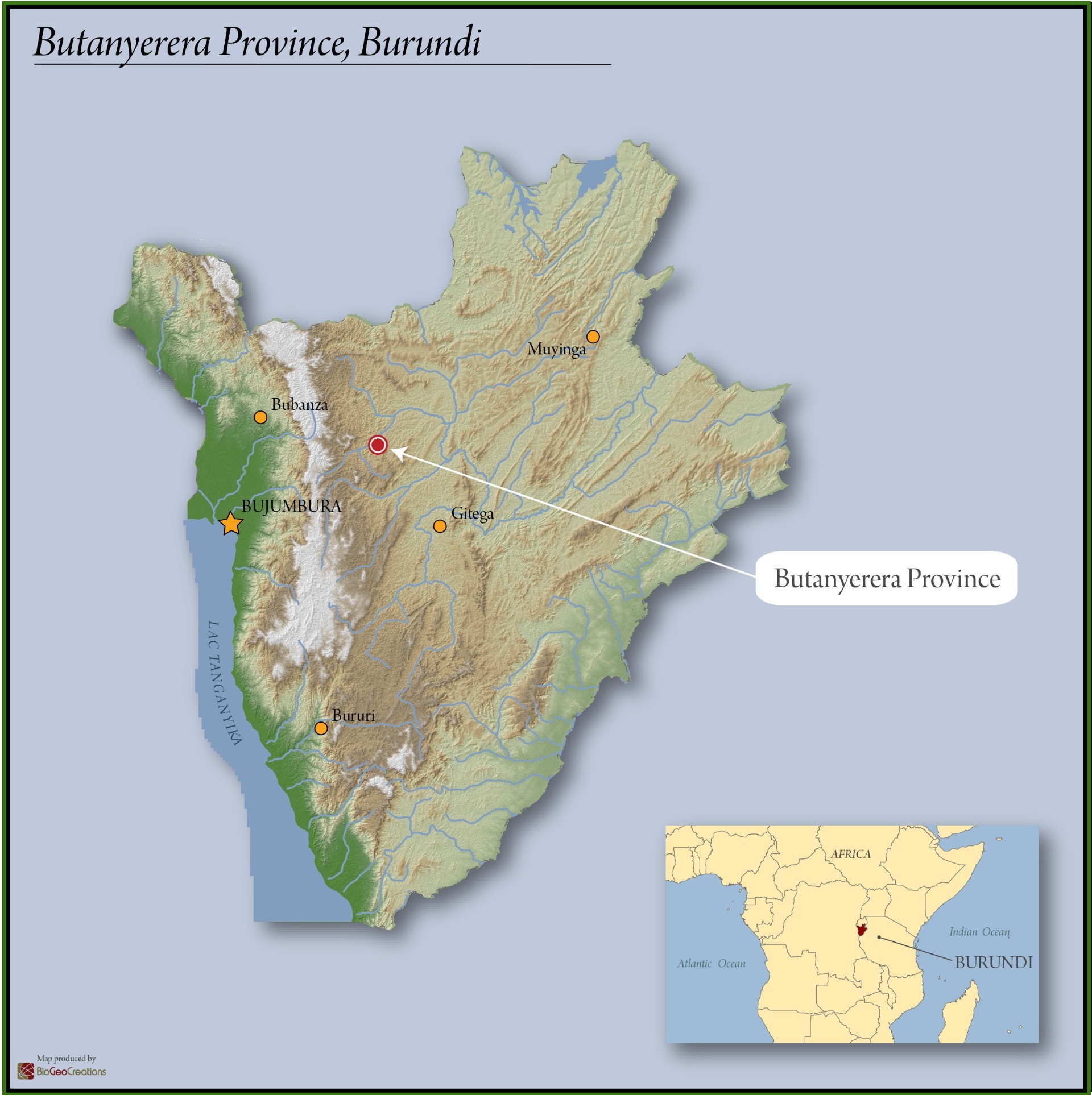
Burundi Kayanza Butanyerera Natural Grade 1
39353-1 – Ecotact Bags – SPOT COMIDWEST
Red grape, strawberry, maple, baking spice, cacao
Spot
10 Bags
$5.22 per pound

Lemon, cranberry, grapefruit, black tea, tomato, chocolate
Midwest 3 Bags
Kenya AA FAQ
38753-3 – GrainPro Bags – SPOT COMIDWEST
Lemon, cranberry, grapefruit, black tea, tomato, chocolate
Spot
3 Bags
$5.92 per pound