
Kenya Meru Gichugene AB
42KE2001 – 38768 – GrainPro Bags – SPOT RCWHSE$6.30 per pound
Bags 77
Warehouses Oakland
Flavor Profile Lemon/lime, green grape, plum, dark chocolate
Add to your artisan.plus account: 
 Printer Friendly PDF
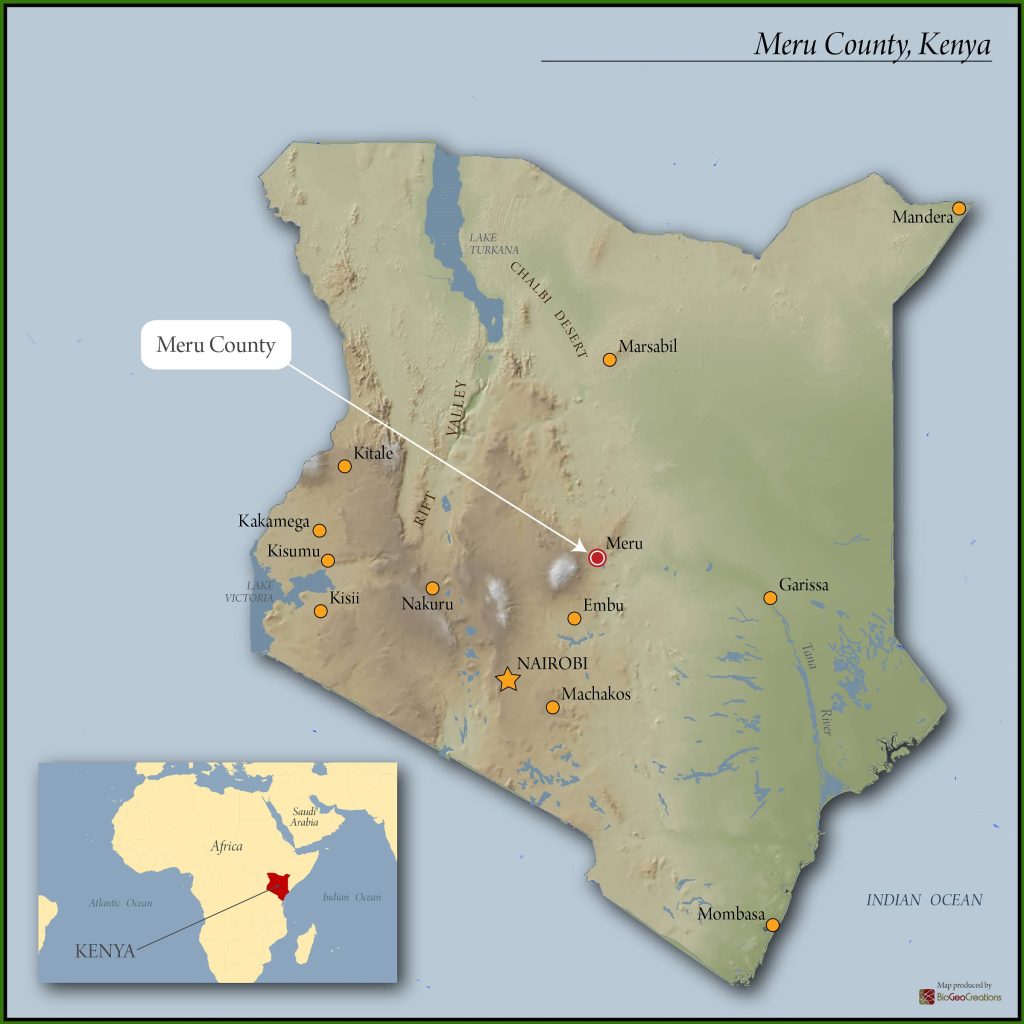
Meru county is one of the counties surrounding Mt.
132.18lb Bags
Spot
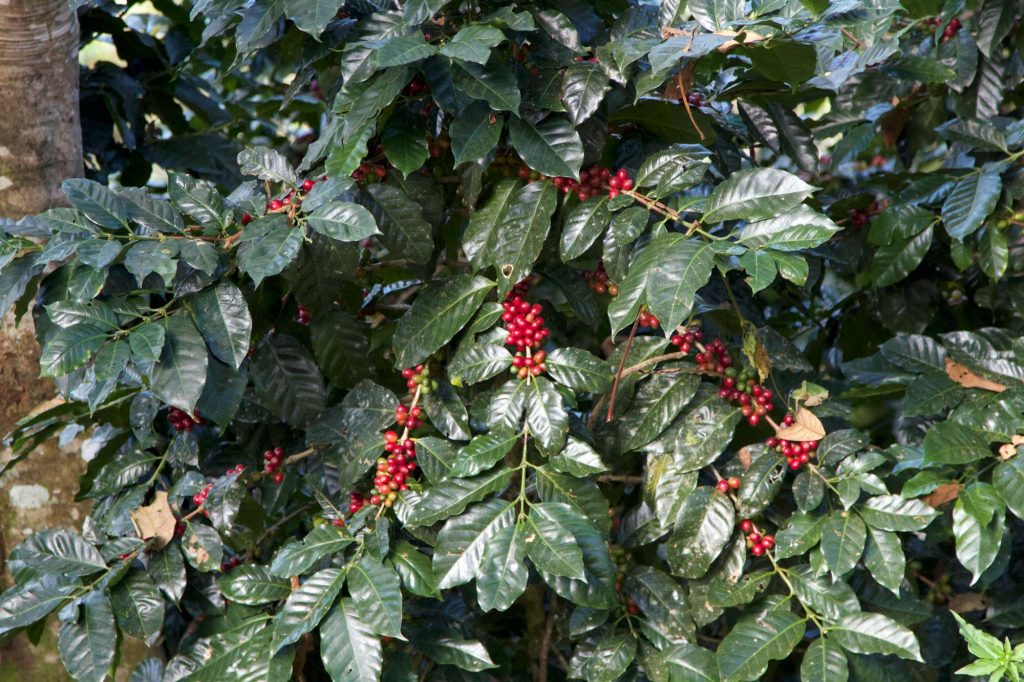

Grower
723 Smallholder farmers organized around Gichugene Coffee Factory

Altitude
1630 masl

Variety
SL28, SL34, Ruiru 11, and Batian

Soil
Volcanic loam

Region
Meru county, Kenya

Process
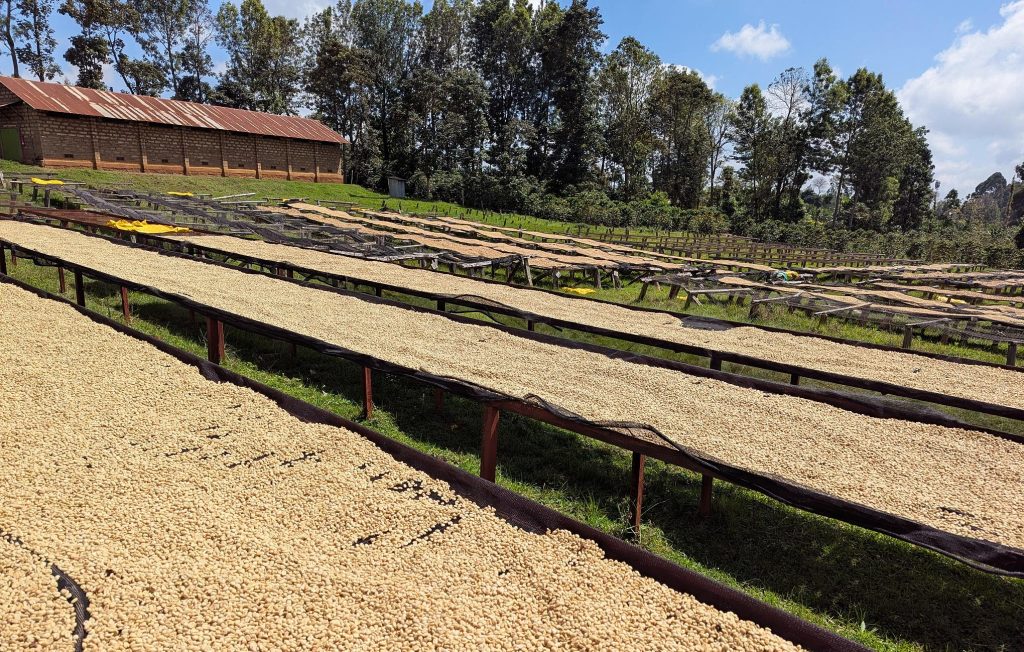
Fully washed and dried in raised beds

Harvest
April – July | October-December

Certification
Conventional
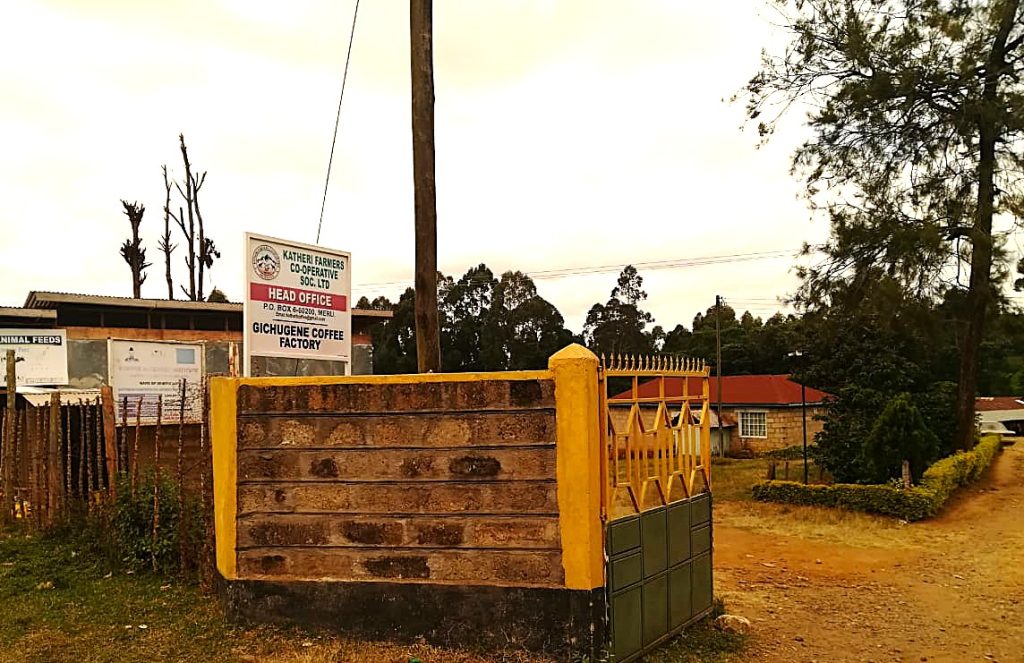
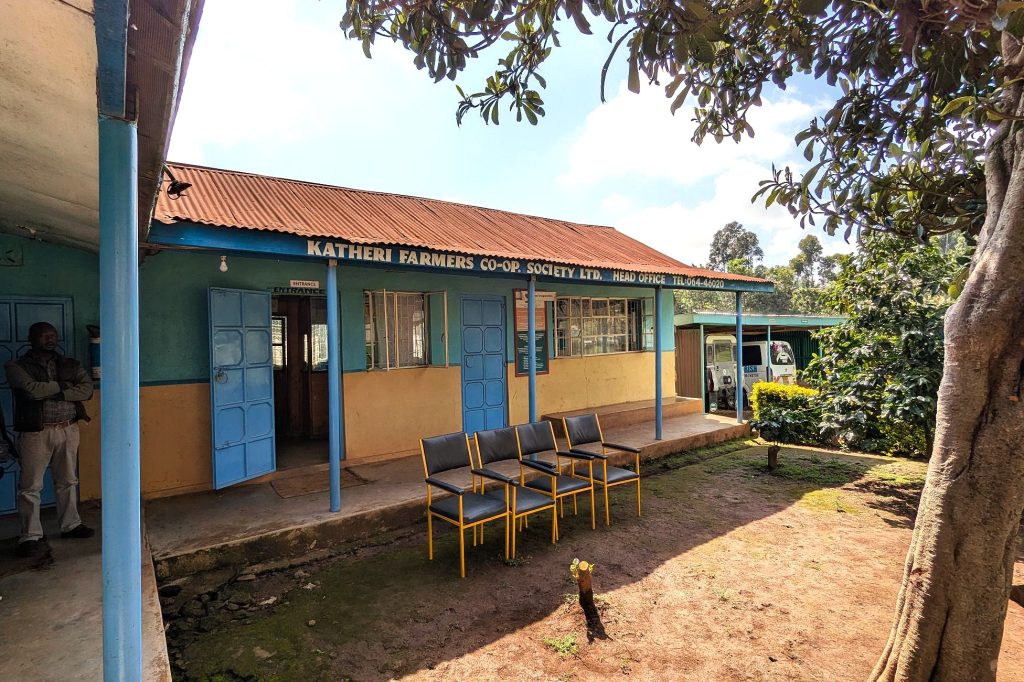
Meru county is one of the counties surrounding Mt. Kenya. It’s vast, and because it’s on the north side of the mountain, it has a different coffee harvest pattern from the better-known Kirinyaga, Embu, and Nyeri counties to the south. April-July is considered Kenya’s fly crop period, and although production is slightly lower, qualities often rival the main harvest months of October-December. Katheri Farmers Cooperative Society (FCS) is a coop affiliated with KCCE, a group that Royal does a lot of business with and admires for their farmer-centric business model.
Welcome to Meru County
Mt. Kenya, at the helm of Kenya’s Central Province, is the second tallest peak on the continent of Africa and a commanding natural presence. The mountain itself is a single point inside a vast and surreal thicket of ascending national forest and active game protection communities. The central counties of Kenya extend from the center of the national park, like five irregular pie slices, with their points meeting at the peak of the mountain. Meru, on the north side of the mountain, takes up a very wide slice of the highlands and extends far eastward. Because of the climate and high elevations throughout the county, it’s one of Kenya’s most agriculturally productive. This includes coffee—Meru is one of the leading coffee-producing counties in the country.
Katheri Farmers Cooperative Society (FCS) & Processing
Kenya’s coffee is dominated by a cooperative system of production, whose members vote on representation, marketing and milling contracts for their coffee, as well as profit allocation. Typically, multiple coops are managed under a structure known as a Farmers Cooperative Society (FCS). Katheri Farmers Cooperative Society (FCS) oversees the operations of all four cooperatives (Coffee Factories) including Gichugene, Kinjo, Riiji, and Kijiione.
In this part of Kenya, farms look very much the same as elsewhere. Farmers typically have 200 trees apiece. Meru is surrounded by high elevation national parks on multiple sides (Meru National Park is to the east), which contribute cold nighttime temperatures, rich soils, and fresh ground water.
As cherry comes to Gichugene factory it is hand-sorted on intake to eliminate any imperfections and then weighed and logged under the contributing farmer’s name. Cherry is blended and depulped, and then fermented in water for 12-16 hours. Once fermentation is complete, the parchment is scrubbed with fresh water and moved to raised beds for drying. The drying phase is typically 28 days for the coffee to reach 10-12% humidity. Finally, fully dried parchment is rested in large, perforated bins on site, a process that allows the bean’s internal moisture to stabilize for the long transit and shelf life ahead.
KCCE – Farmer-centric exporting
Katheri Farmers Cooperative Society (FCS) is one of the member societies of the Kenya Cooperative Coffee Exporters (KCCE) organization. KCCE is an historic organization of almost 4,000 individual cooperatives. The group was formed in 2009, with the express goal of managing marketing and exporting operations cooperatively, as opposed to contractually with third parties.
The economics of smallholder systems are consistently difficult everywhere in the world, and in Kenya in particular the number of individual margins sliced off an export price before payment reaches the actual farms is many, leaving only a small percentage to support coffee growth itself. And most often this arrives many months after harvest. KCCE, by managing more of the value chain itself, can capture a greater margin on behalf of the farms.
Related Coffee

Chamomile, oregano, malt, pumpernickel
Oakland 295 Bags
Uganda Bugisu AB
38074 – SPOT RCWHSE
Chamomile, oregano, malt, pumpernickel
Spot
295 Bags
$4.40 per pound
Lime, red plum, floral, spiced, sugary
Oakland 50 Bags
Lime, red plum, floral, spiced, sugary
Spot
50 Bags
$6.30 per pound
Strawberry-lemonade, plum, hibiscus, baking spice, dark chocolate
Oakland 7 Bags
Kenya Kiambu Ndumberi AB
48KF0015 – 38770 – GrainPro Bags – SPOT RCWHSE
Strawberry-lemonade, plum, hibiscus, baking spice, dark chocolate
Spot
7 Bags
$6.30 per pound
Lychee, cherry, clove, caramel
Oakland 43 Bags
Kenya Kericho Boma AB
51KK0055 – 38772 – GrainPro Bags – SPOT RCWHSE
Lychee, cherry, clove, caramel
Spot
43 Bags
$6.30 per pound