
SUMATRA FT-FLO ORGANIC KSU RAHMAT KINARA MANDHELING GRADE 1
37041-4 – SPOT COMIDWEST
Bags 0
Warehouses Midwest
Flavor Profile Orange, roasted almond, clove, condensed milk
Please Note This coffee landed more than 8 months ago.
Out of stock


Grower
Smallholder farmers organized around Koperasi Serba Usaha (KSU) Rahmat Kinara

Altitude
1400 masl

Variety
Tim-tim, Catimor

Soil
Volcanic loam

Region
Takengon, Aceh, Sumatra, Indonesia

Process
Wet-hulled

Harvest
June - July

Certification
Fair Trade (FT FLO/USA) | Organic
Regional details
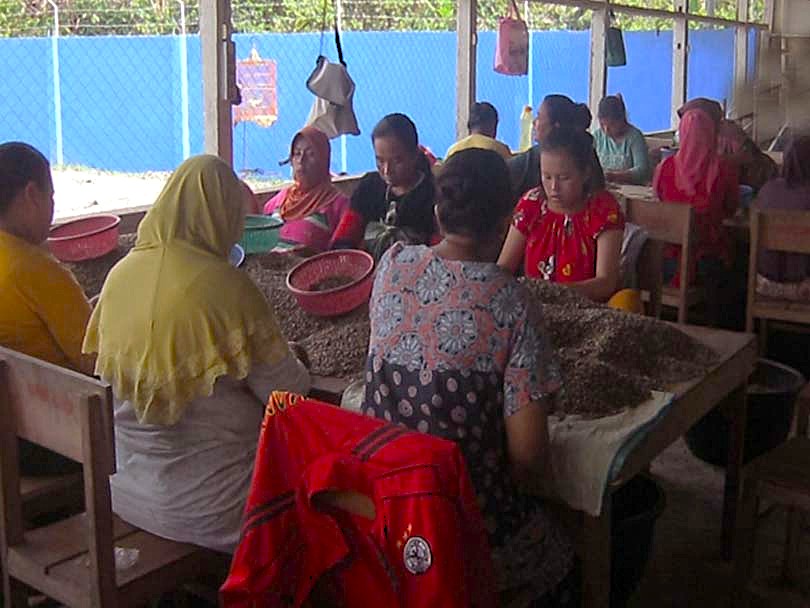
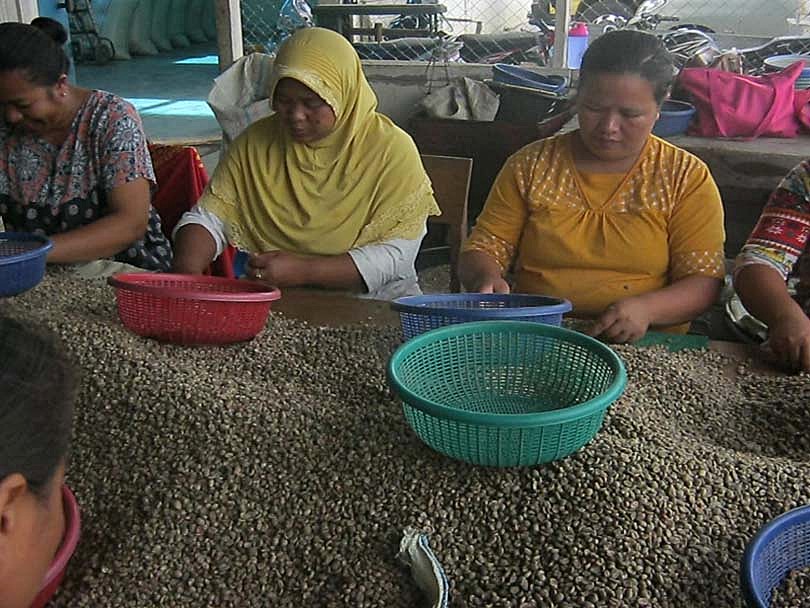
Tradition runs deep in the Aceh province on the island of Sumatra, renowned for cup profiles and the classic Indonesian style of coffee cultivation and processing. Coffee is cultivated and harvested from farms that average less than 3 acres in size. Producers belong to the Gayonese ethnic group and maintain a traditional village lifestyle that includes houses that resemble ships. Seventy percent of the producers are women who rely on coffee income to support their families.
Processing Details
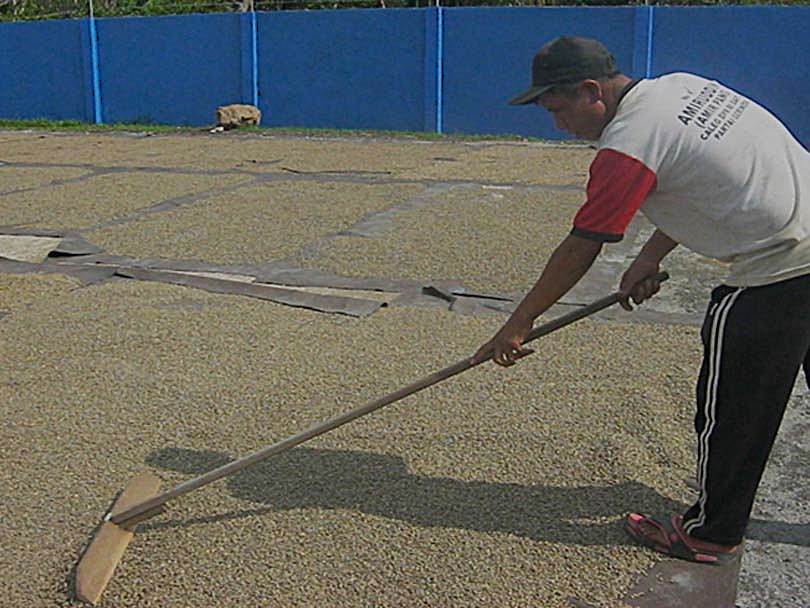
Each producer carefully sorts their harvested cherries before depulping and fermenting overnight with small micro-mills. Then the coffee is washed and laid out on patios to shed the excess water from the parchment covered beans. Next the coffee takes a detour from the conventional path of processing in other origins, wherein, the coffee parchment is removed while the coffee still has a high moisture content. This wet-hulling process, called Giling Basah in the Indonesian language, leaves the coffee bean exposed while drying on patios to a moisture percentage acceptable for export. This Indonesian processing method gives the bean its unique bluish color and the hallmark Indonesian profile.
Exporting Details
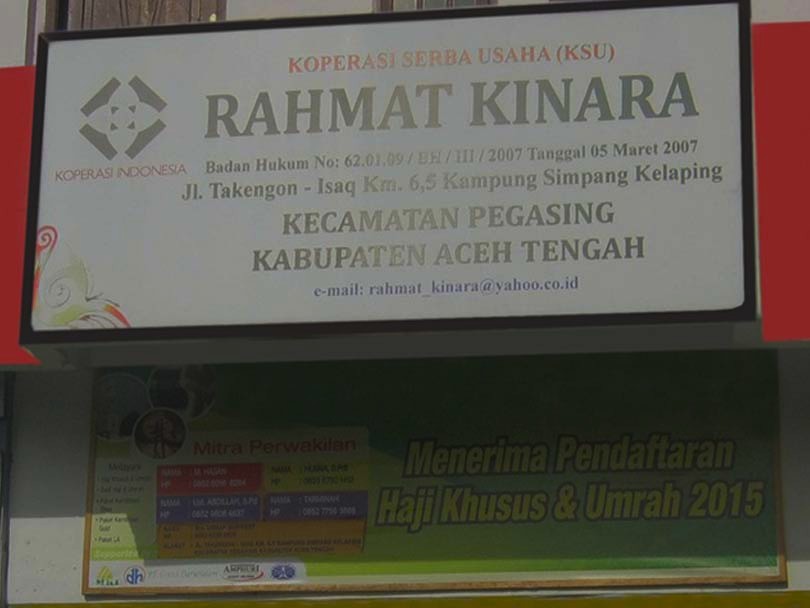
With Indonesian coffees, half the battle is overcoming logistical challenges like rugged roads and unpredictable torrents of rain. The Rahmad Kinara Cooperative, with nearly 1200 coffee producing members, takes on an important role of organizing local warehouses and transportation so farmers can overcome these challenges. Rahmad Kinara receives wet hulled coffee from farmers and carries out the subsequent drying, and the dry-mill process to swiftly bring the coffee to the international market, ensuring consistent quality control and greater earnings for producers.
Related Coffee

Grapefruit, toasted marshmallow, malt, dark chocolate
Midwest 8 Bags
DECAF HONDURAS ORGANIC COPAN ROYAL SELECT WATER PROCESS
38004-1 – SPOT COMIDWEST
Grapefruit, toasted marshmallow, malt, dark chocolate
Spot
8 Bags
$5.73 per pound

Brown sugar, butternut squash, caramel, cocoa
Midwest 6 Bags
DECAF MEXICO ORGANIC ALTURA EP ROYAL SELECT WATER PROCESS
38489-1 – SPOT COMIDWEST
Brown sugar, butternut squash, caramel, cocoa
Spot
6 Bags
$5.92 per pound

Grilled papaya, apple sauce, chocolate, sweet
Midwest 205 Bags
HONDURAS FT-USA ORGANIC SMITHSONIAN BIRD FRIENDLY APROCOMSA SHG EP
37886 – GrainPro Bags – SPOT COMIDWEST
Grilled papaya, apple sauce, chocolate, sweet
Spot
205 Bags
$4.89 per pound

Black currant, nutty, scone
Midwest 19 Bags
ETHIOPIA GUJI 4 NATURAL ORGANIC
37969 – GrainPro Bags – SPOT COMIDWEST
Black currant, nutty, scone
Spot
19 Bags
$5.10 per pound