
Kenya Kiganda AA
37KF0009 – 38757 – GrainPro Bags – SPOT SEAFORTH
Bags 0
Warehouses Vancouver
Flavor Profile Lemon, tamarind, plum, mint, honey
Out of stock


Grower
Kiganda Coffee Estate

Altitude
1600 masl

Variety
SL-28, SL-34, Ruiru-11

Soil
Volcanic loam

Region
Thika District, Kiambu County, Kenya

Process
Washed

Harvest
November- December

Certification
Conventional
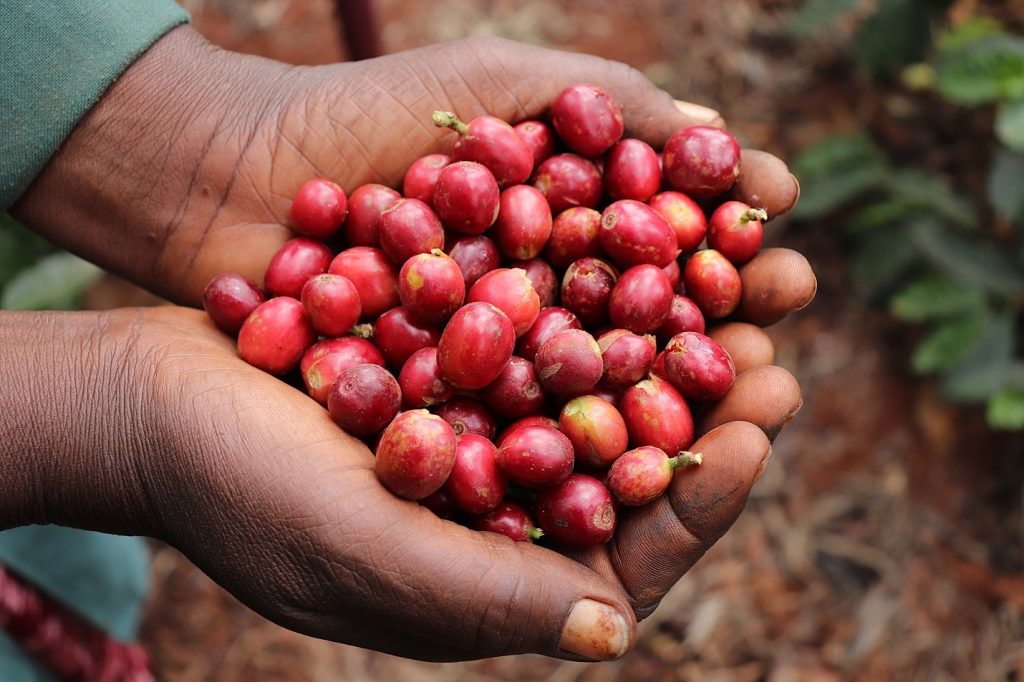
This is a single outturn from a large coffee estate in Kenya's central Kiambu County. In the cup it’s sweet and effervescent with a unique spice-forward flavor profile reminiscent of allspice, black currant (a camphorous flavor not to be confused with red currant), and dry black tea. Think of a lemon-lime cocktail with lots of bitters; something like that.
Kiganda estate has been in continuous ownership for the past 50 years but this is the first time Royal has imported a microlot of theirs.
Welcome to Kiambu County
Kiambu county is just north of Nairobi, Kenya’s capital city, and the area is a longstanding agricultural powerhouse. Along with an extensive community of coffee mills, exporter warehouses and quality labs, the Kenya Coffee College and Coffee Research Institute (near Ruiru Town, after which the disease-resistant hybrid “Ruiru-11" is named), Kiambu is also home to many of Kenya’s largest and oldest coffee estates.
Because of its proximity to Nairobi, Kiambu is urbanizing quickly. Ruiru Town one of Kenya’s largest urban municipalities and if development continues the way it has, many expect a majority-urban county in just a few years. Yet in the face of the encroaching modernism, Kiambu county continues to be home to thousands of small farmers, cooperatives for tea, coffee, and produce, and of course large legacy estates like Kiganda.
Kiganda Coffee Estate
Kiganda estate is located close to Thika town, one of Kiambu county’s main transit crossroads and a municipality with legacy coffee farms going back over 100 years. Being so close to Nairobi, but still rural for most of the last century, the area around Thika was an ideal place for many colonial coffee estates, typically flat and run by the British for export income. After Kenya’s independence in the early 1960s, many of these farms were converted into shareholder ownership—and many continue to be today.
Kiganda is 55 hectares, what in Guatemala, by comparison, would be considered medium in size. In Kenya 55 hectares is enormous, considering the average family plots (where most of the country’s coffee is grown) is only a few hundred coffee trees.
The owner of Kinganda Estate is Dr. Njoroge Mungai, who acquired the farm in the mid-1970s and has been operating it full-time ever since.
Processing at Kiganda
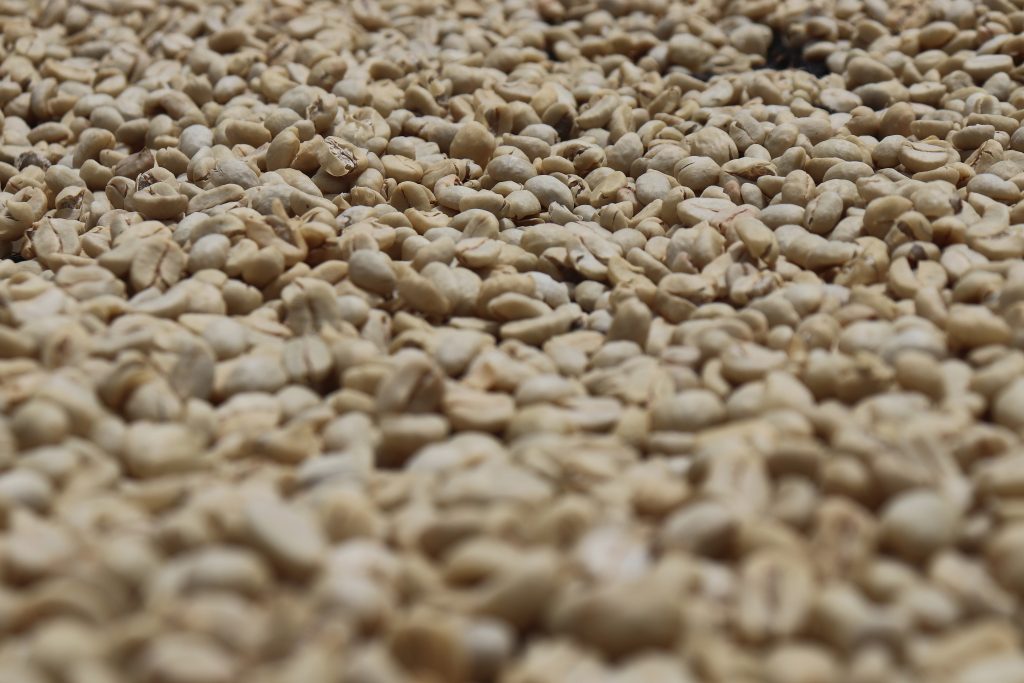
Kenya is of course known for some of the most meticulous washed processing that can be found anywhere in the world. Bright white parchment, nearly perfectly sorted by density and bulk conditioned at high elevations is the norm, and a matter of pride, even for generations of Kenyan processing managers.
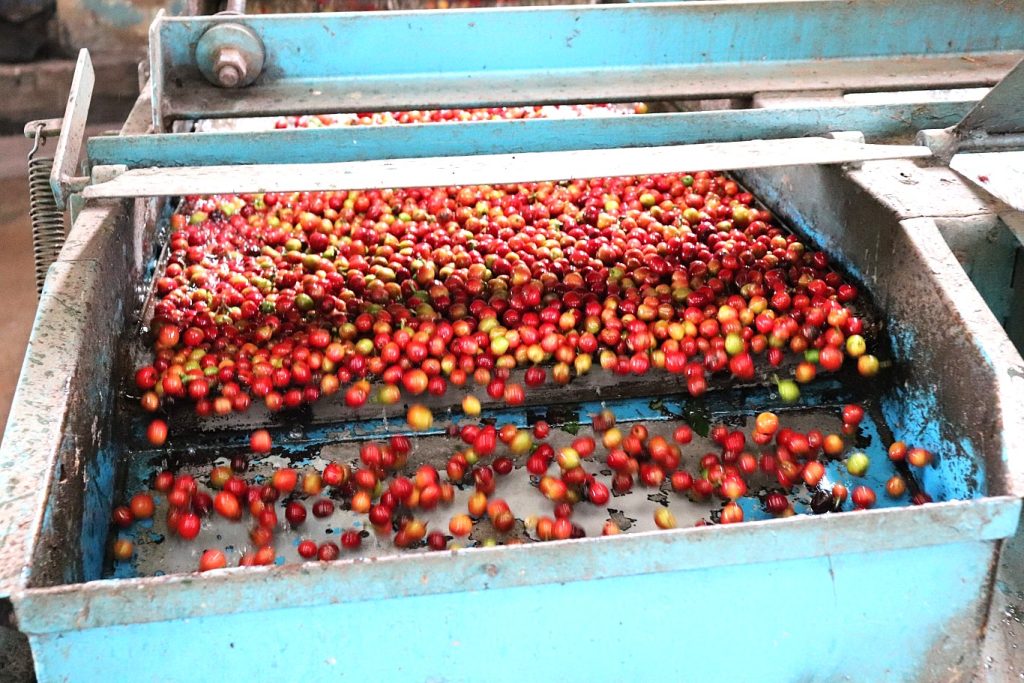
At Kiganda, coffee is depulped daily and fermented underwater overnight, after which the coffee is fed through long concrete channels where it is scrubbed clean in fresh running water, sorted by density, and then deposited into another set of tanks to soak, in more fresh water, for another day. Once the soaking stage is complete the parchment is moved to raised screen beds to dry in the sun.
Kenya's Outturn System
“37KF0009” in the title refers to this coffee’s “outturn” number. Outturn numbers are unique microlot codes that are given to each and every batch of parchment delivered to dry mills from individual factories or estates anywhere in Kenya, and are the units on which Kenya’s entire microlot export system is built. Outturns in Kenya are tracked with a shorthand code that places the specific batch of parchment coffee in time, place, and sequentially with other coffees. Outturns are stylized as an 8 or 9-character code, including a 2-digit “coffee week” number, a 2-letter mill code, and a 3 or 4-digit intake number for the coffee’s delivery. This particular code accompanies the lot throughout the entire journey from factory to export to ensure full traceability.
Related Coffee

Orange marmalade, lemon soda, raisin, floral, chocolate mousse, buttery
Vancouver 187 Bags
UGANDA FT-FLO ORGANIC FRIENDS OF MOTHERS WOMEN’S COFFEE A+
39590 – GrainPro Bags – SPOT SEAFORTH
Orange marmalade, lemon soda, raisin, floral, chocolate mousse, buttery
Spot
187 Bags
$5.18 per pound

Lime, orange, cola, chocolate
Vancouver 4 Bags
RWANDA FT-FLO ORGANIC DUKUNDE KAWA MBILIMA
37051-1 – GrainPro Bags – SPOT SEAFORTH
Lime, orange, cola, chocolate
Spot
4 Bags
$6.20 per pound
Peach, lemonade, mint, brown sugar, jasmine
Vancouver 18 Bags
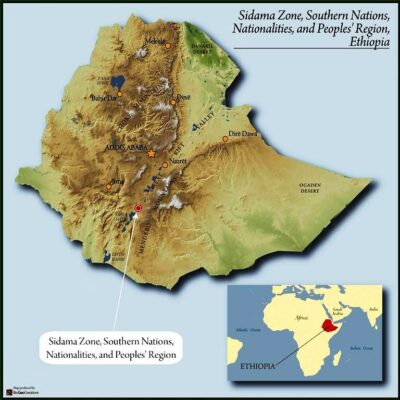
ETHIOPIA SIDAMA 2 WASHED FT-FLO ORGANIC DOBENAWICHO
39984-1 – GrainPro Bags – SPOT SEAFORTH
Peach, lemonade, mint, brown sugar, jasmine
Spot
18 Bags
$6.27 per pound

White peach, bergamot, rose, honey
Vancouver 25 Bags
ETHIOPIA YIRGACHEFFE 2 WASHED FT-FLO ORGANIC HALO BARITI
39781-2 – GrainPro Bags – SPOT SEAFORTH
White peach, bergamot, rose, honey
Spot
25 Bags
$6.81 per pound