
ETHIOPIA YIRGACHEFFE 2 WASHED FT-FLO/USA ORGANIC BILOYA
36580-1 – GrainPro Bags – SPOT COMIDWEST
Bags 0
Warehouses Midwest
Flavor Profile Blackberry, plum, bergamot, hibiscus, dark chocolate
Please Note This coffee landed more than 8 months ago.
Check out our Guide to Ethiopian Coffee Grades
Out of stock

Grower
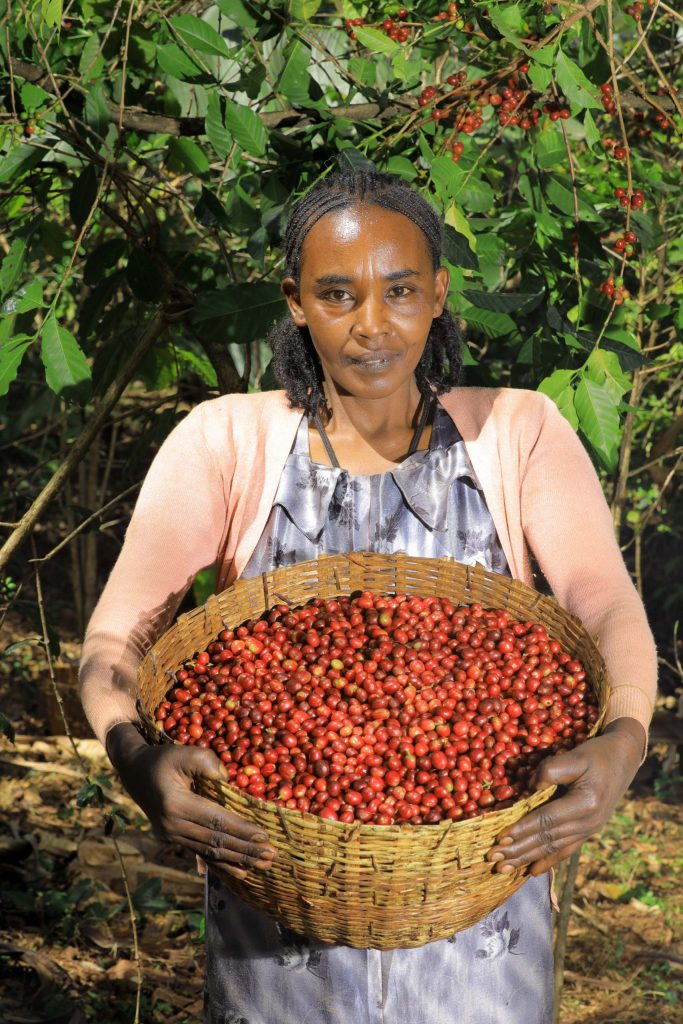
1,290 farmers organized around the Biloya Coffee Farmers Cooperative

Altitude
1700 – 2300 masl

Variety
Indigenous landraces and regional heirloom cultivars

Soil
Vertisols

Region
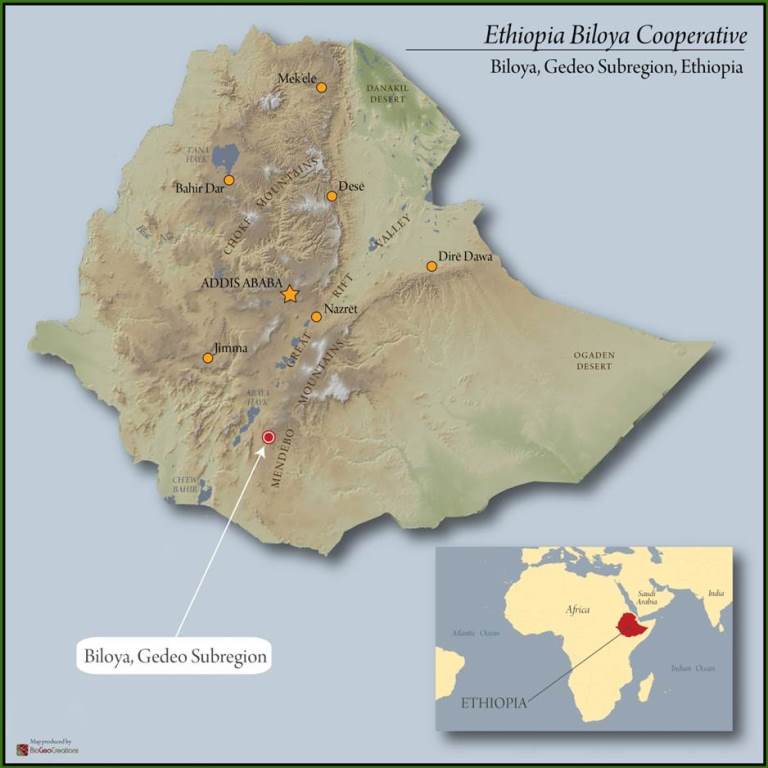
Biloya municipality, Kochere district, Gedeo Zone, Southern Nations, Nationalities and Peoples’ Region, Ethiopia

Process
Full Washed

Harvest
October – December

Certification
Fair Trade (FT-FLO/USA) | Organic
Biloya is very old cooperative in the Kochere district of Ethiopia’s Gedeo zone, the epicenter of one of the most beloved terroirs in the world. Comprised of extremely small and diversified organic farmers, Biloya is one of the many individual cooperatives that make up the storied Yirgacheffe Coffee Farmers Cooperative Union (YCFCU). Grade 2 washed coffees from Biloya are lightly creamy with subtle powdery florals, citrus peel, cherry, and chocolate.
Yirgacheffe and its Coffee
Biloya is a municipality located near the center of the coveted Gedeo Zone—the narrow section of highland plateau dense with savvy farmers and fiercely competitive processors whose coffee is known the world over as “Yirgacheffe”, after the zone’s most famous district, Yirga Chefe. The Gedeo Zone is named for the Gedeo people who are indigenous to this area. As a coffee terroir, Gedeo, or “Yirgacheffe”, has for decades been considered a benchmark for beauty and complexity in arabica coffee. It’s known for being beguilingly ornate and jasmine-like when fully washed, and seductively punchy and sweet when sundried, and hardly requires an introduction.
Farms in this area are quintessentially tiny, averaging less than a single hectare per family. Despite the diminutive size, farmland is typically divided between coffee, subsistence crops for the families, and items for the regional markets such as livestock, cabbage, or enset, a fruit-less relative of the banana tree whose pulp is fermented and then toasted as a staple food.
Biloya Coop and Processing
Biloya was first formed in 1979, long before fully washed coffee was even a norm in Ethiopia. The cooperative originally had only 50 members; today there are almost 1,300, covering 1,543 hectares of local farmland. The coop has 12 year-round management employees and a harvest staff of more than 200 to help with all the daily tasks involved with cherry intake, processing and drying, inventory, finances, record keeping, and security.
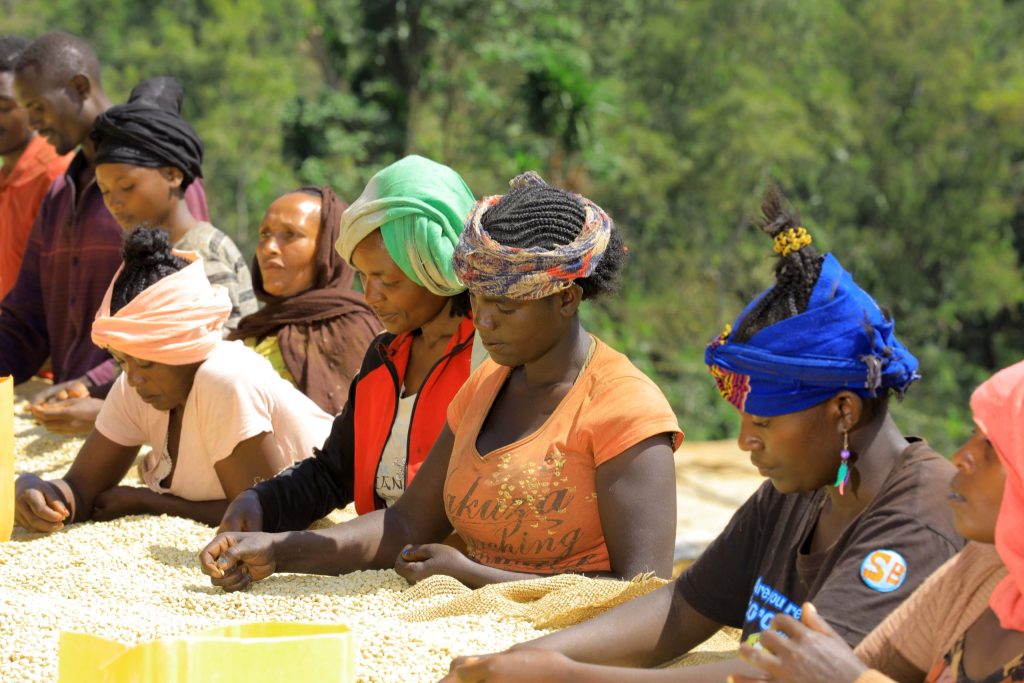
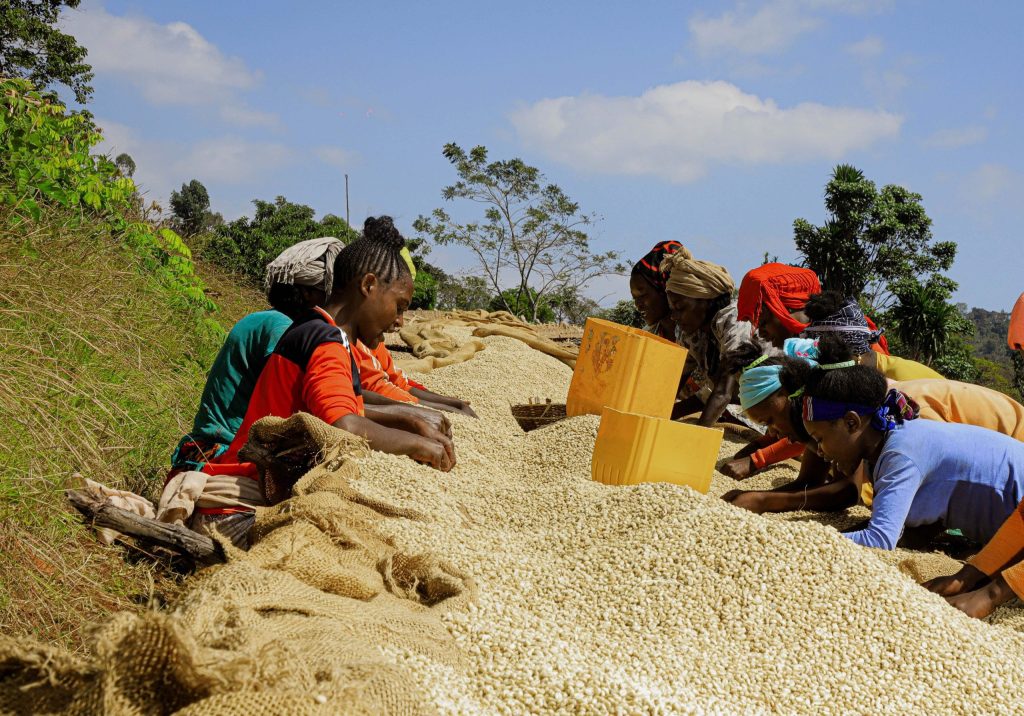
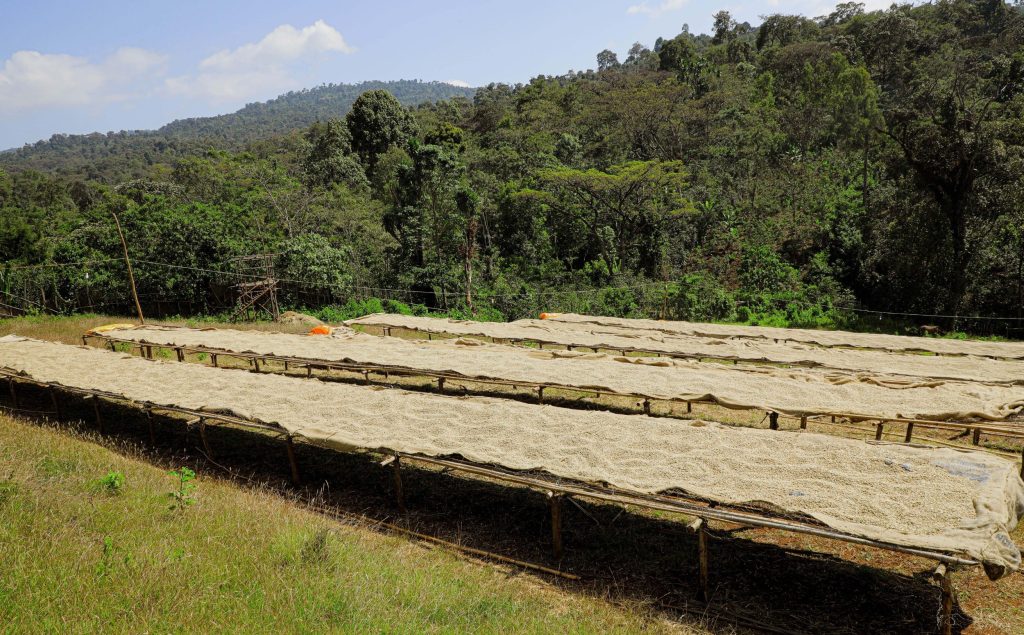
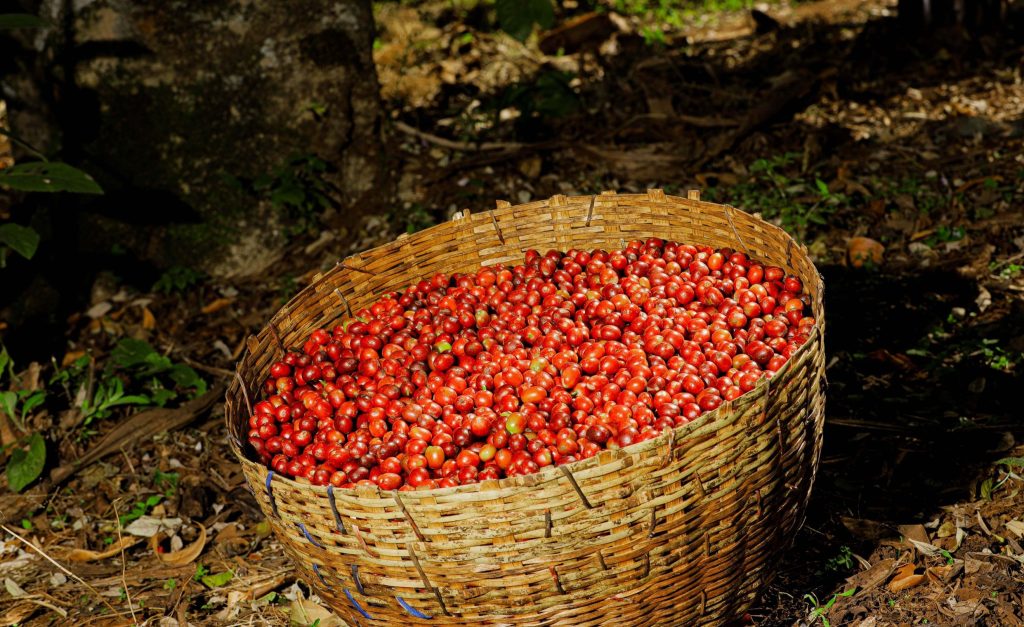
Washed coffee at Biloya begins with rigorous cherry sorting upon delivery from the growers. The best accepted cherry is taken straight to depulping, after which it ferments in open tanks submerged in fresh groundwater, which is replenished throughout the fermentation process. One the mucilage is fully broken down, the parchment coffee is washed clean in long cement channels and then moved to the station’s raised screen beds to dry. Drying typically takes 2 weeks, during which time the dehydrating coffee is raked and rotated nearly constantly, as well as continuously hand-sorted to further eliminate inconsistencies or defects.
The Yirgacheffe Union
Biloya is one of the primary cooperatives that together make up the Yirgacheffe Coffee Farmers Cooperative Union (YCFCU). The Union, first established In 2002, has more than 45,000 individual farmer members and 28 different cooperatives across Gedeo Zone, almost all of which are Fair Trade certified. (Gedeo, while tiny compared to neighboring Sidama and Guji zones, is one of Ethiopia’s most densely populated areas after Addis Ababa.)
The members of each primary cooperative elect their own executive committee which makes decisions about investments like new equipment and tree maintenance, but also creates plans for member social services, school support, public health, infrastructure, and how to structure payments to the coop members. YCFCU also appoints professional managers for each primary cooperative to oversee harvest and processing procedures, who are accountable to the members and the executive committee.
Related Coffee

Lime, orange, cola, chocolate
Midwest 8 Bags
RWANDA FT-FLO ORGANIC DUKUNDE KAWA MBILIMA
37051-6 – GrainPro Bags – SPOT COMIDWEST
Lime, orange, cola, chocolate
Spot
8 Bags
$6.22 per pound

Black currant, nutty, scone
Midwest 19 Bags
ETHIOPIA GUJI 4 NATURAL ORGANIC
37969 – GrainPro Bags – SPOT COMIDWEST
Black currant, nutty, scone
Spot
19 Bags
$5.10 per pound
Dried Apricot, tomato, hops, chocolate
Midwest 13 Bags
Burundi Tangara Butanyerera Washed
39355-1 – Ecotact Bags – SPOT COMIDWEST
Dried Apricot, tomato, hops, chocolate
Spot
13 Bags
$4.77 per pound

Lemon, cranberry, grapefruit, black tea, tomato, chocolate
Midwest 3 Bags
Kenya AA FAQ
38753-3 – GrainPro Bags – SPOT COMIDWEST
Lemon, cranberry, grapefruit, black tea, tomato, chocolate
Spot
3 Bags
$5.92 per pound