
Papua New Guinea Paraka Koi Natural
37395 – GrainPro Bags – SPOT RCWHSE
Bags 0
Warehouses Oakland
Flavor Profile Blueberry, plum, spiced apple cider, rose, nutmeg, chocolate, buttery
Out of stock

Grower
Ulya Mill

Altitude
1500-1700 masl

Variety
Bourbon, Arusha, and Typica

Soil
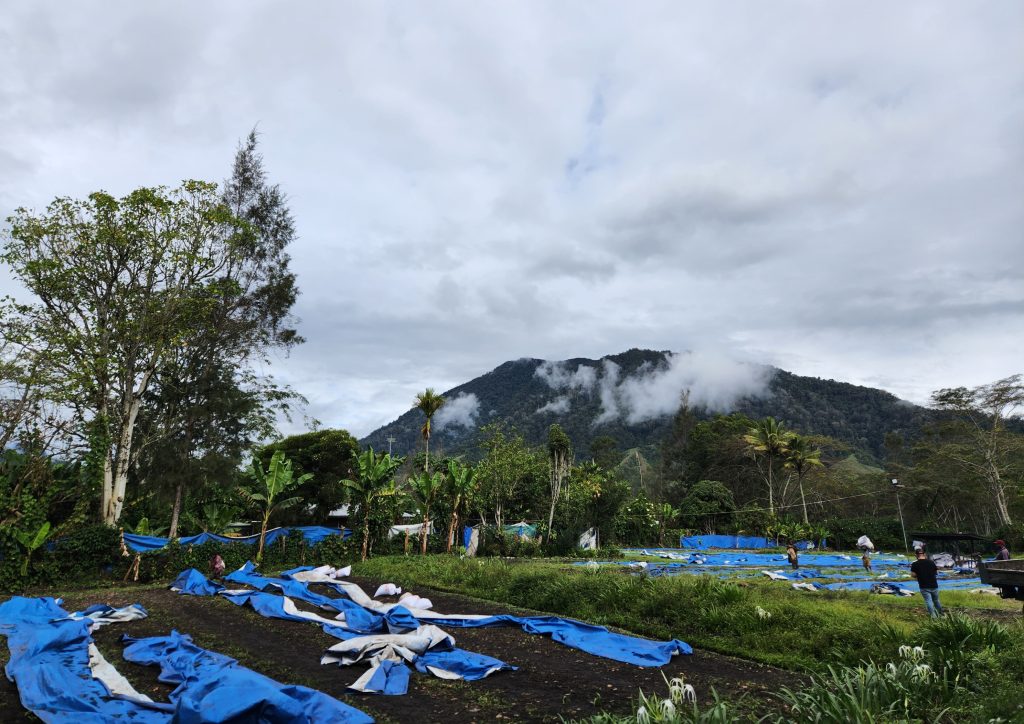
Volcanic loam

Region
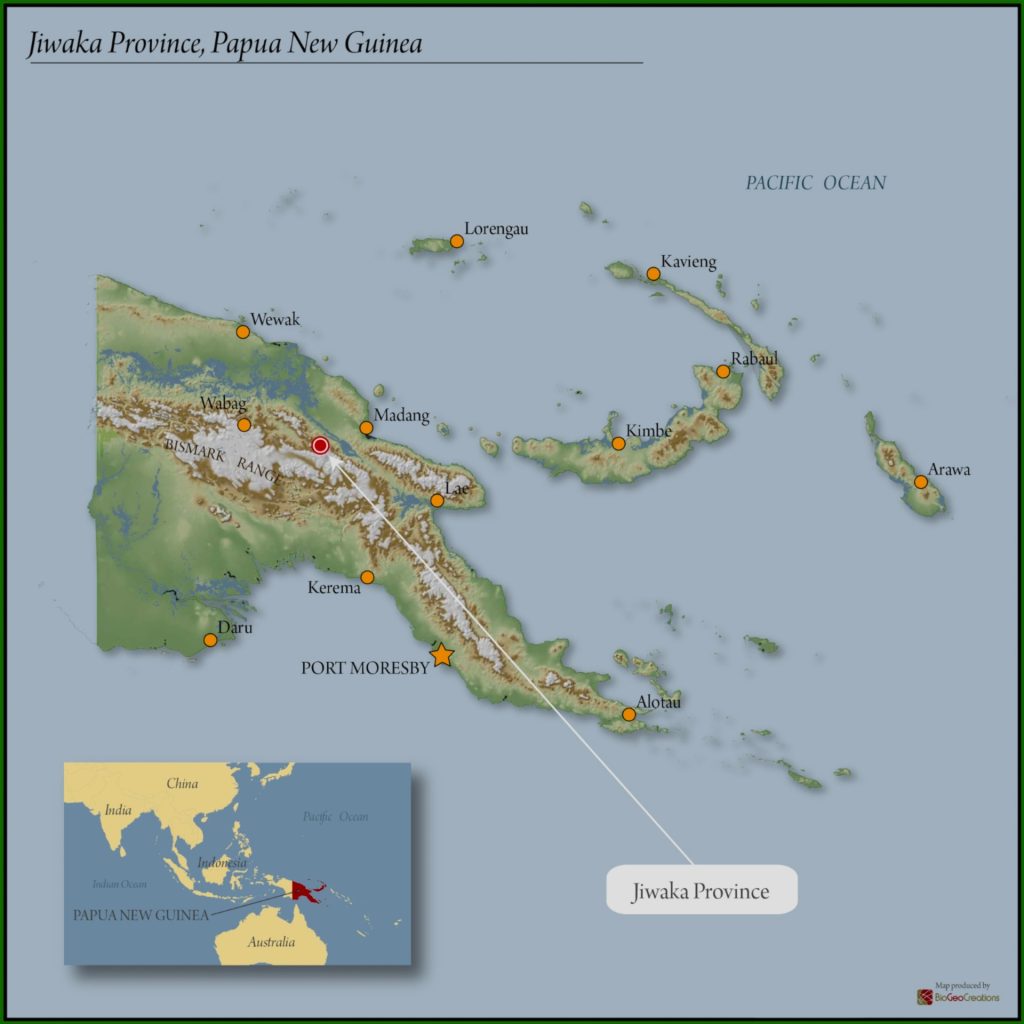
Ulya, Jiwaka Province, Papua New Guinea

Process
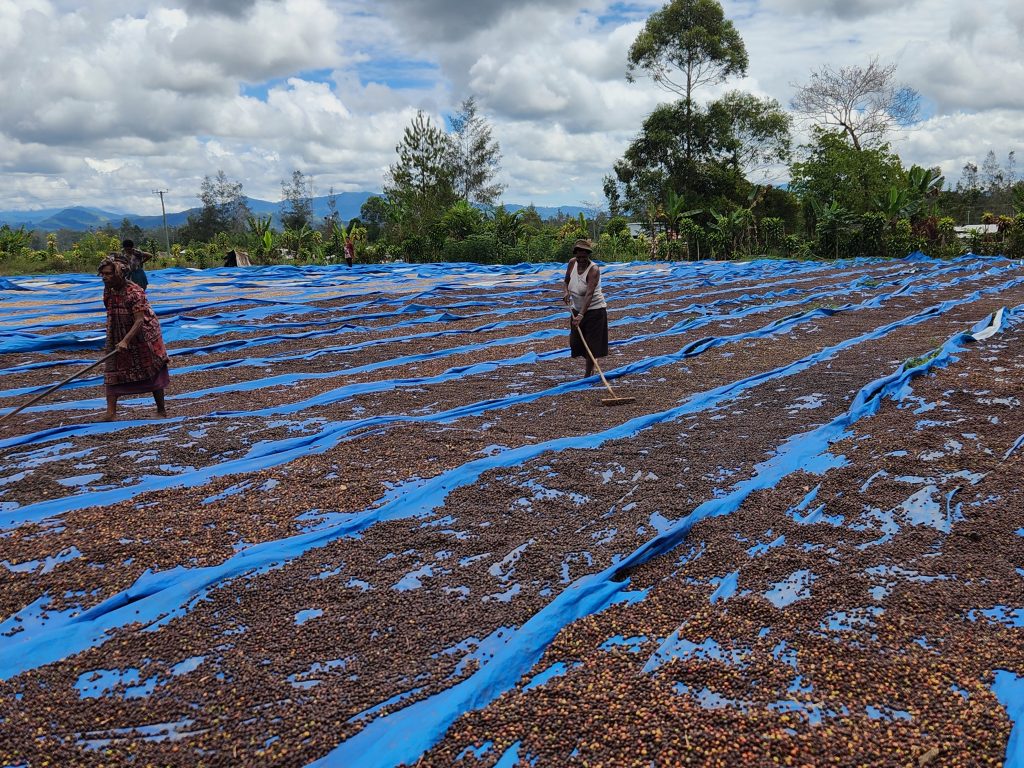
Full natural and dried in the sun

Harvest
April- May | August- September

Certification
Conventional
Regional Details:
Here is an origin that is underrepresented or exotic (if you prefer). Perfect for spicing up the average specialty coffee menu. Papua New Guinea or PNG as we like to call it here at Royal is not an origin you might easily locate on a map if you don’t know where to look. Find Indonesia and go east to the last island in the archipelago and split it in half. The right half is PNG. There is a lot to say about PNG, so much so that coffee production might be the backstory. PNG is considered one of the most unexplored and diverse places on earth both for its people, their cultures, and many languages, as well as, the flora and fauna.
Sourcing Details:
PNG might also be one of the most underexplored and challenged coffee origins at least in terms of supply chain. Farms are small and located in remote areas where individual producers, along with family support, manage their own land averaging just a few acres in size. They only have access to organic inputs and little to no infrastructure for post harvest processing beyond picking and sorting cherries. Supply chain support can be very challenging for small producers in PNG. Fortunately, a new exporter called Monpi Coffee Exporters is working to provide supply chain support for more than 1000 producers who cultivate coffee around the Waghi Valley region. Monpi Coffee has invested in a centralized wet mill, local warehouses and logistics to facilitate moving coffee to their wet mill also located near the town of Ulya.
Processing Details
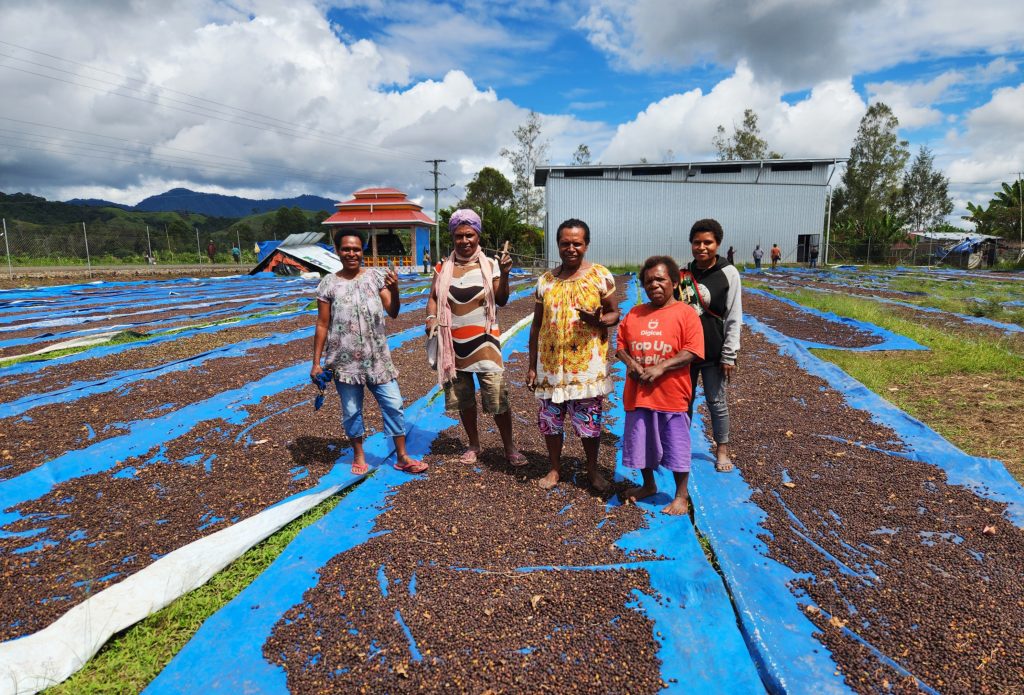
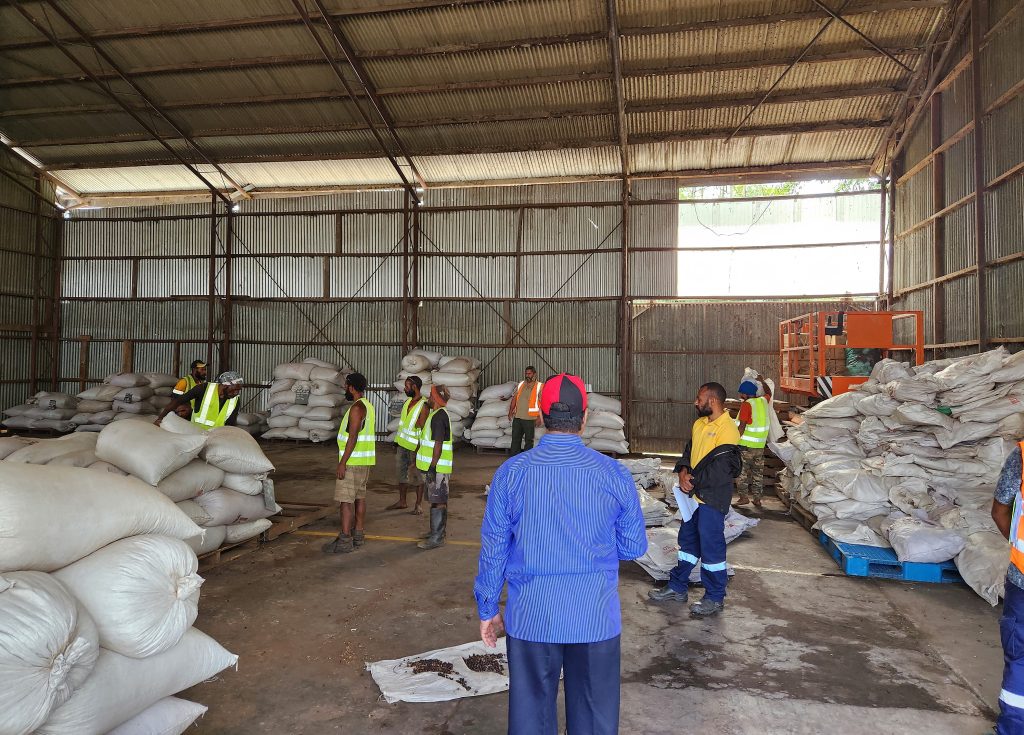
Monpi Coffee’s centralized wet mill is designed to support the harvests from small farms so farmers do not have to invest in mill equipment. Harvesting is small enough for each individual farmer to focus on meticulous cherry sorting. After purchasing and transporting to the central mill, cherries are floated to remove damaged and underripe coffee seeds, and then dried. Monpi Coffee has made infrastructure innovations like additional drying structures that have greatly improved their ability to consistently meet quality standards for moisture content and water activity.
Exporting Details
Monpi Coffee provides quality control and access to the international market. Monpi Coffee is also helping farmers with technical support for achieving improved farm management practices and income diversification strategies. Farmers are starting to earn more because the quality of the coffee has attracted the attention of importers and roasters, present company included.
Related Coffee

Dried strawberry, watermelon, peanut butter, dark chocolate
Oakland 199 Bags
HONDURAS FT-USA ORGANIC APROCOMSA NATURAL SHG EP
38666 – GrainPro Bags – SPOT RCWHSE
Dried strawberry, watermelon, peanut butter, dark chocolate
Spot
199 Bags
$5.50 per pound
Blueberry, watermelon, lemon, white wine, sweet bread pastry
Oakland 33 Bags
HONDURAS FT-FLO ORGANIC APROCOMSA MANOS DE MUJER NATURAL SHG EP
38667 – GrainPro Bags – SPOT RCWHSE
Blueberry, watermelon, lemon, white wine, sweet bread pastry
Spot
33 Bags
$5.58 per pound

Herbaceous, nutty, white rice, cocoa
Oakland 41 Bags
India Cherry Robusta 17 A
40334 – SPOT RCWHSE
Herbaceous, nutty, white rice, cocoa
Spot
41 Bags
$3.15 per pound
Raspberry, lemonade, nutty, sweet
Oakland 43 Bags
El Salvador Santa Leticia Natural Bourbon
40947 – GrainPro Bags – SPOT RCWHSE
Raspberry, lemonade, nutty, sweet
Spot
43 Bags
$6.10 per pound