
Kenya Bungoma Kutere AA
45KE2003 – 35309-1 – GrainPro Bags – SPOT COMIDWEST
Bags 0
Warehouses Midwest
Flavor Profile Lemon, pear, banana, white tea, basil, bright, sweet
Please Note This coffee landed more than 8 months ago.
Out of stock

Grower
3,121 smallholder farmers organized around the Kutere Farmers Cooperative Society (FCS)

Altitude
1570 masl

Variety
Batian, Ruiru 11, SL28, and SL34

Soil
Volcanic loam

Region
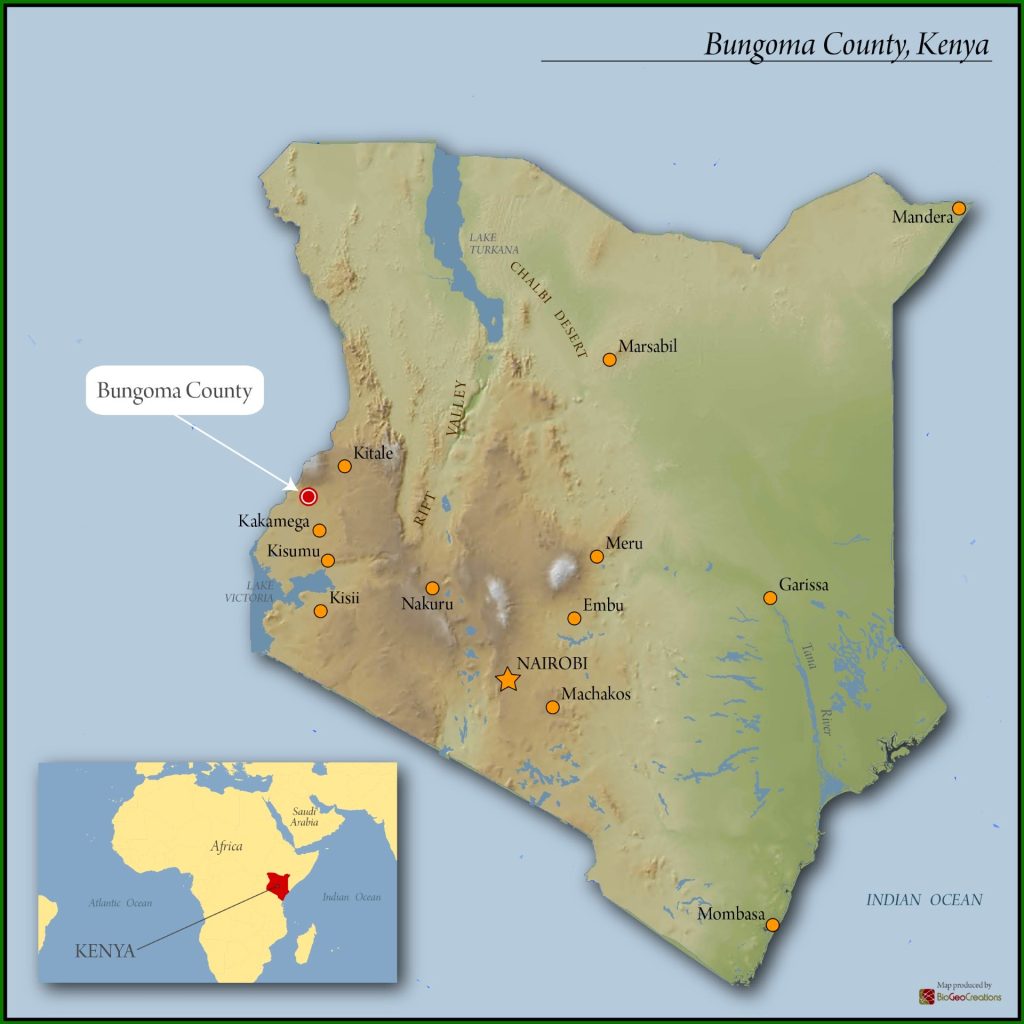
Bungoma County, Kenya

Process
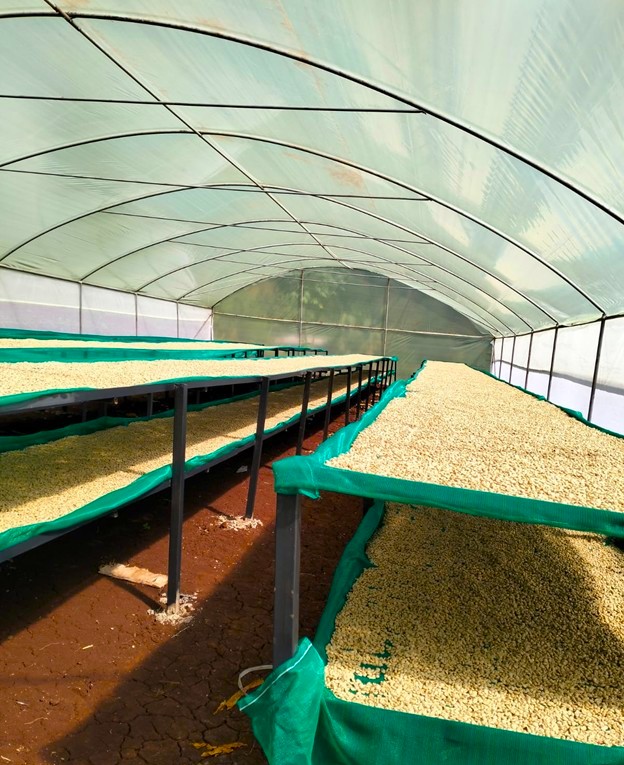
Fully washed and dried on raised beds

Harvest
October - January

Certification
Conventional
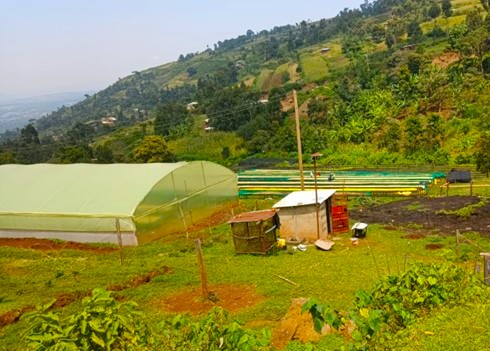
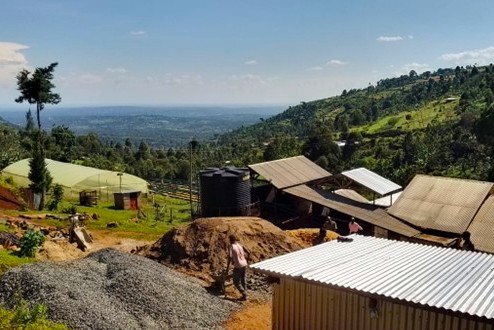
This is a single outturn from a factory (wet mill) in Kenya's western Bungoma county. Bungoma has a unique climate and location, being on the slopes of Mt. Elgon, a massive stratovolcano whose broad territory is shared between Kenya and Uganda. We buy a small selection of western coffees each year, for their uniqueness in the cup and durable cooperatives. This lot from Kutere has the complexity of browned butter and molasses, with flavors of lime, cherry, grilled grapefruit, and spice cookie.
Kenya's Western Coffees
Bungoma county is a long stretch west from Nairobi, far further than the country’s accessible central counties, most of which can be reached in two hours’ drive from the city. To reach Bungoma, it's a sweeping route along the eastern escarpment of the majestic Rift Valley, down across the valley's lake-filled lowlands, up the opposite slope, and back into the rolling hills along Kenya's border regions with Uganda.
The county sits just over the ridge from the enormous Lake Victoria, a source of near-constant humidity cycles for the region and an outlet for much of its local trade. In specialty coffee, this part of Kenya is lesser-known than the central counties. But producer groups here as just as old, experienced, and organized as Kenya’s more famous regions.
Kutere FCS & Processing
Kutere Farmers Cooperative Society (FCS) operates only a single factory for its more than 3,000 farmer members, whose average less than 1.5 hectares of farmland each. Farmers here grow most of the same cultivars as those in Kenya’s central counties including SL-28, SL-34, Batian and Ruiru-11, with the addition of a local typica cultivar known as “blue mountain”, after the famed Jamaican lineage also believed to have been brought to Kenya by British colonizers and preserved since independence.
Kenya is of course known for some of the most meticulous at-scale processing that can be found anywhere in the world. Bright white parchment, nearly perfectly sorted by density and bulk conditioned at high elevations is the norm, and a matter of pride, even for generations of Kenyan processing managers who prefer drinking Kenya’s tea (especially in nearby Kericho) to its coffee. The established milling and sorting by grade, or bean size, is a longstanding tradition and positions Kenya coffees well for roasters, by tightly controlling the physical preparation and creating a diversity of profiles from a single processing batch.
Kutere depulps and ferments their coffee the same day they are picked and delivered by members. Fermentation takes place over 24 hours, after which the coffee is then washed clean in long cement channels with running water, whose agitation also serves to separate the denser parchment from the lighter parchment. Once the coffee is rinsed and graded by density, it is moved to raised drying tables and dried slowly over 2-3 weeks.
Related Coffee
Dried Apricot, tomato, hops, chocolate
Midwest 13 Bags
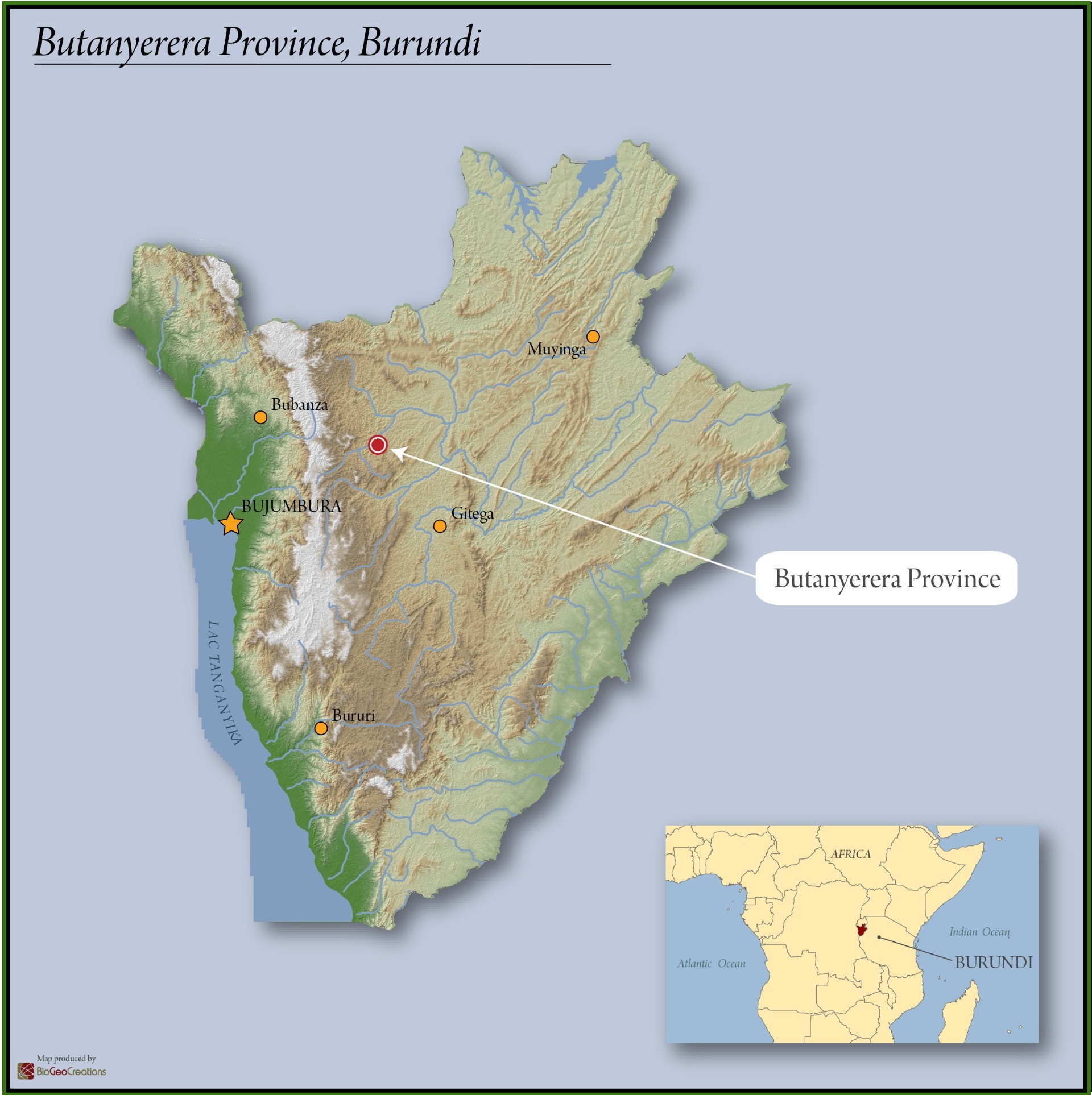
Burundi Tangara Butanyerera Washed
39355-1 – Ecotact Bags – SPOT COMIDWEST
Dried Apricot, tomato, hops, chocolate
Spot
13 Bags
$4.77 per pound

Lemon, cranberry, grapefruit, black tea, tomato, chocolate
Midwest 3 Bags
Kenya AA FAQ
38753-3 – GrainPro Bags – SPOT COMIDWEST
Lemon, cranberry, grapefruit, black tea, tomato, chocolate
Spot
3 Bags
$5.92 per pound
Lemon/lime, green grape, plum, dark chocolate
Midwest 10 Bags
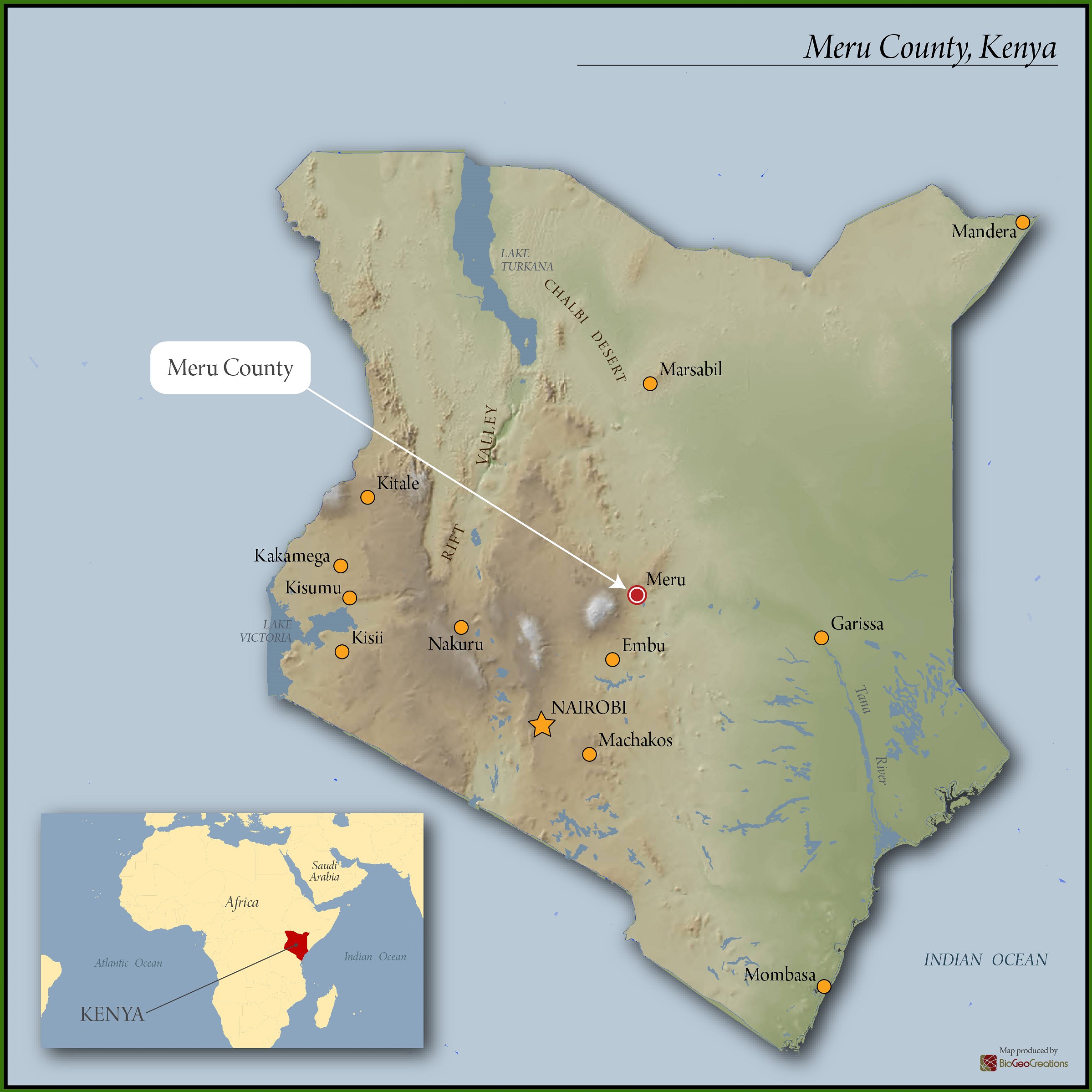
Kenya Meru Gichugene AB
42KE2001 – 38768-1 – GrainPro Bags – SPOT COMIDWEST
Lemon/lime, green grape, plum, dark chocolate
Spot
10 Bags
$6.47 per pound

Lime, orange, cola, chocolate
Midwest 8 Bags
RWANDA FT-FLO ORGANIC DUKUNDE KAWA MBILIMA
37051-6 – GrainPro Bags – SPOT COMIDWEST
Lime, orange, cola, chocolate
Spot
8 Bags
$6.22 per pound