
Ethiopia Gedeb 1 Natural Gotiti Tigist
Lot 22 – 36705 – GrainPro Bags – SPOT RCWHSE
Bags 0
Warehouses Oakland
Flavor Profile Peach, lemon, black tea, white pepper
Check out our Guide to Ethiopian Coffee Grades
Out of stock


Grower
Tigist

Altitude
2150-2200 masl

Variety
Indigenous landraces and heirloom cultivars

Soil
Vertisol

Region
Gotiti municipality, Gedeb district, Gedeo Zone, Southern Nations, Nationalities, and Peoples’ Region, Ethiopia

Process
Full natural and dried on raised beds

Harvest
November - December

Certification
Conventional
Coffees from individual farmers are becoming less difficult to find in Ethiopia, but they are still extremely rare and require a full supply chain in their support. Every year there are a few new farmers available from just a handful of exporters devoted to making it happen.
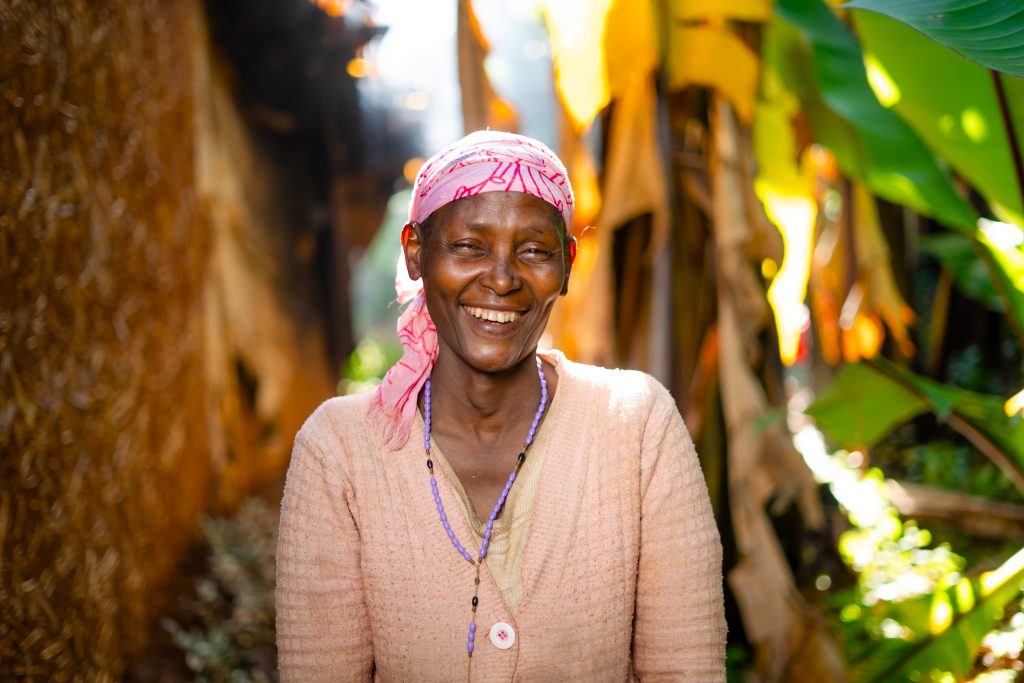
Tigist is a young single woman farmer, 35 years old, with a 2-hectare family plot in the world famous Gotiti municipality, part of southernmost Gedeo Zone and an area crowded with coffee farmers of all sizes. She is represented by Ephtah Specialty Coffee, a woman-founded exporter who puts a lot of effort into single farmer exports like this one.
Gedeb and Its Coffee
The district of Gedeb takes up the south-eastern corner of Ethiopia’s Gedeo Zone—a narrow section of plateau dense with savvy farmers whose coffee is known as “Yirgacheffe”, after the zone’s most famous district. Gedeb, however, is a terroir, history, and community all its own that merits unique designation in our eyes. Coffees from this community, much closer to Guji Zone than the rest of Yirgacheffe, are often the most explosive cup profiles we see from anywhere in Ethiopia. Naturals tend to have perfume-like volatiles, and fully washed lots are often sparklingly clean and fruit candy-like in structure.
Gedeb is remote but impressively industrious in coffee production. Half of its territory is planted with coffee. Until recently coffee exports were allowed only limited channels and the vast majority of coffee grown in this area was sold by the Yirgacheffe Coffee Farmers Cooperative Union (YCFCU), consolidated under the wide-reaching Worka Cooperative, or sold anonymously through the Ethiopia Commodity Exchange (ECX).
Today, however, in addition to the Worka Cooperative splitting into multiple smaller coops, there are increasing numbers of single farm owners like Tigist and independent companies like Ephtah Specialty Coffee who are processing and exporting directly. It is an exciting time to be buying in Gedeb, where we expect to see new layers of coffee continuously unfold as its local industry accelerates.
Tigist & Processing
Tigist is a married mother of 2 who manages 2 hectares of coffee in Gotiti. Like many other farmers in the area, she produces almost entirely coffee, interplanted with enset, a fruitless relative of the banana tree whose inner pulp is fermented and toasted as a local staple starch.
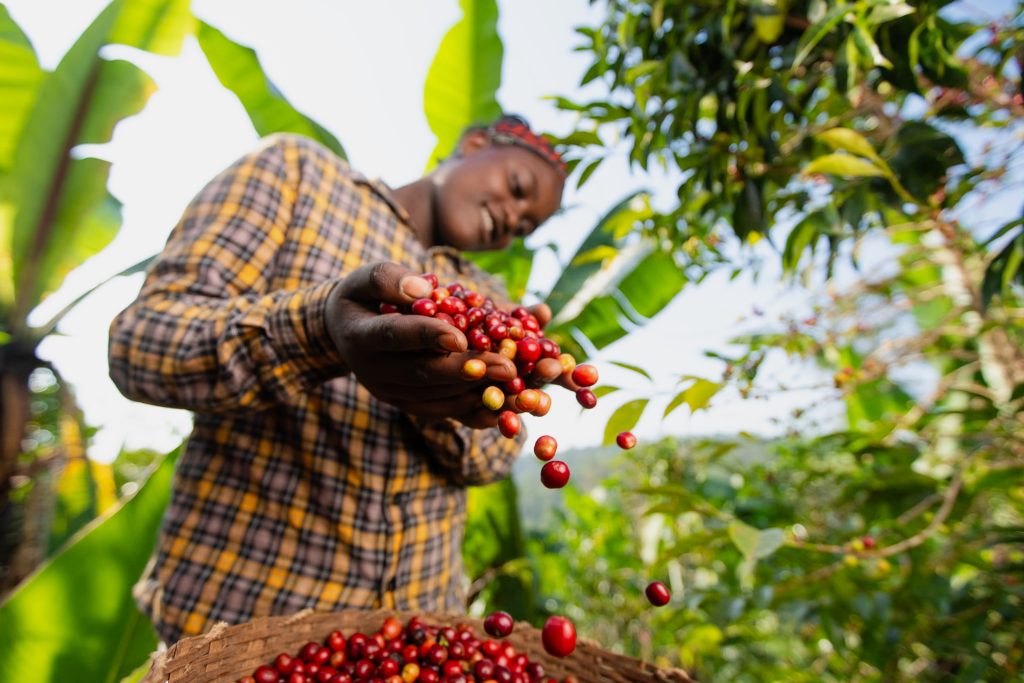
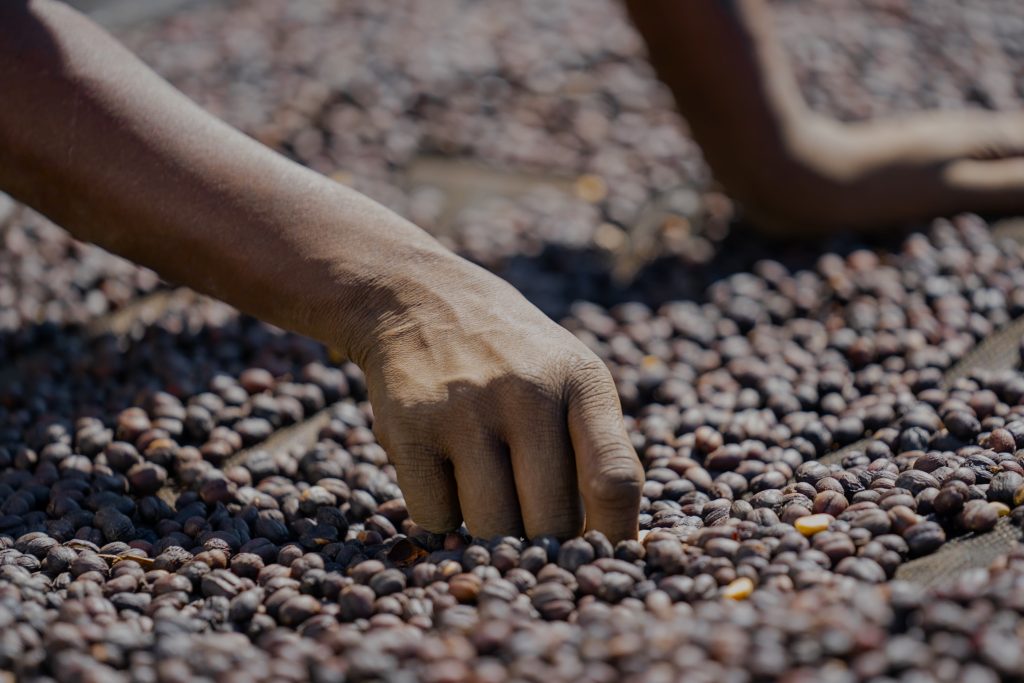
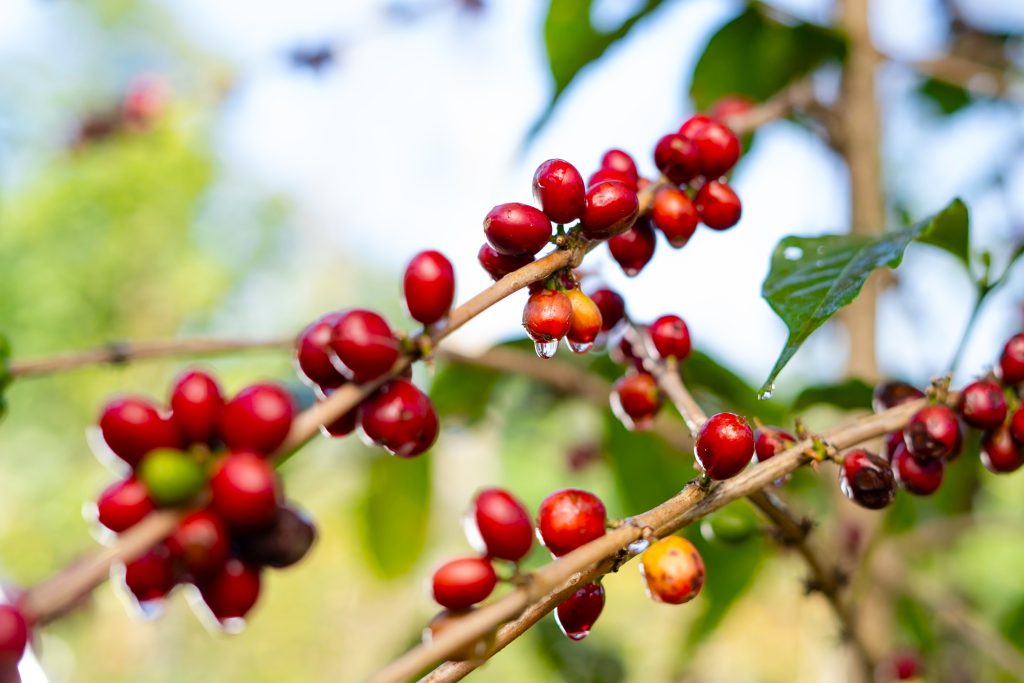
Despite such a small farm Tigist employs 150 different people during harvest to help with all picking and, particularly, drying. Cherry on the farm is picked frequently during the harvest months. All cherry is first carefully inspected for ripeness and uniformity, washed clean, and then moved immediately to one of the farm’s few raised drying beds. Depending on the immediate climate, drying can take anywhere from 10-20 days, during which time the cherry is constantly rotated to ensure even dehydration.
Ephtah Specialty Coffee
Tigist works exclusively with Ephtah Specialty Coffee, a newly founded exporter managed by Wubit Bekele and a small team of other ambitious and talented women with many years of coffee industry experience between them. Wubit was raised in Nekempte, a well-known coffee area, and after working many years for a large exporter as a university graduate, decided to start her own company. Ephtah has relationship-based sourcing now in West Arsi, Sidama, Gedeo, and Guji zones, ranging from central processors to single farmers like Tigist with only a couple hectares of land.
Ephtah’s sustainability is focused on interpersonal strength and includes the following pillars: women inclusion and empowerment; community engagement; and boosting production and improving quality. Women, especially, are recognized by Ephtah as the “underappreciated pillar” of Ethiopia’s coffee industry, who deserve to be competitive in the industry, profitable, and who should be thriving in a way that inspires young women to start their own businesses. To this end, growers like Tigist serve as local liaisons for Ephtah, linking interested growers to Ephtah and their women-centered business model.
Related Coffee
Lemon, nougat, milk chocolate
Oakland 42 Bags
Lemon, nougat, milk chocolate
Spot
42 Bags
$4.54 per pound
Melon, chocolate, clean
Oakland 72 Bags
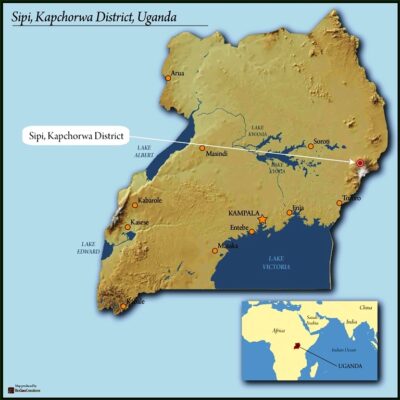
UGANDA ORGANIC SIPI FALLS
35184 – GrainPro Bags – SPOT RCWHSE
Melon, chocolate, clean
Spot
72 Bags
$4.54 per pound
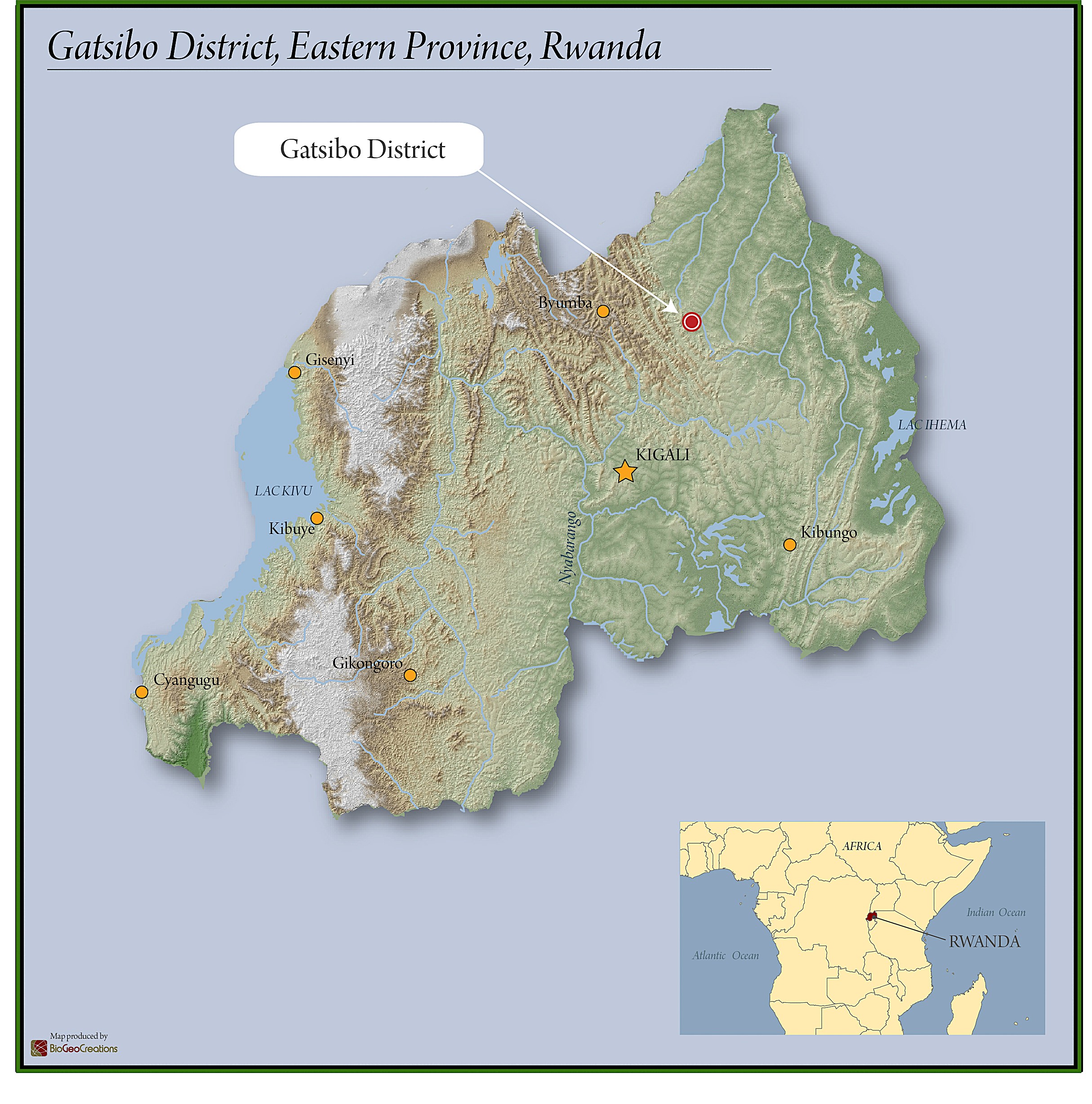
Lime, red plum, floral, spiced, sugary
Oakland 50 Bags
Lime, red plum, floral, spiced, sugary
Spot
50 Bags
$6.30 per pound
Lemon/lime, green grape, plum, dark chocolate
Oakland 78 Bags
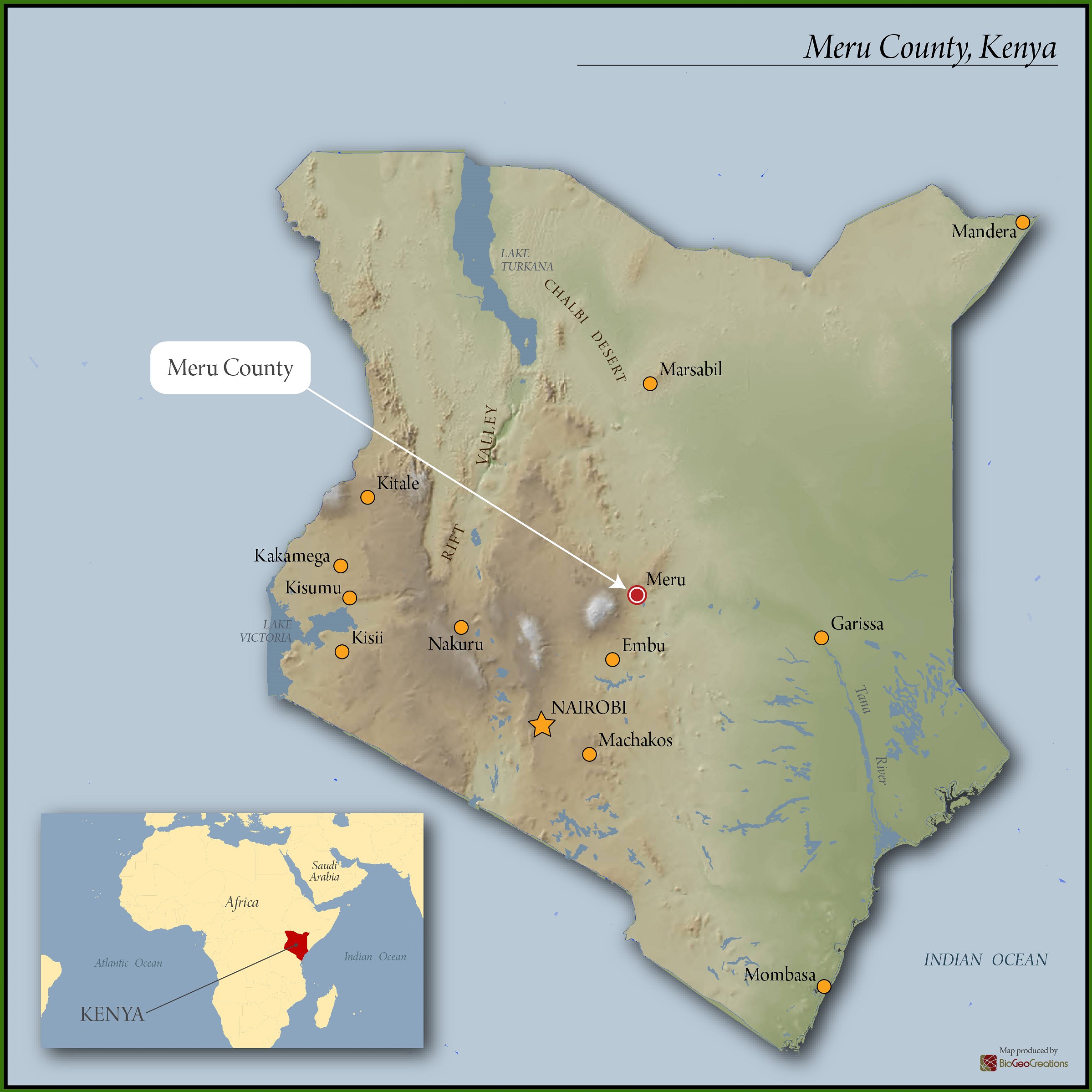
Kenya Meru Gichugene AB
42KE2001 – 38768 – GrainPro Bags – SPOT RCWHSE
Lemon/lime, green grape, plum, dark chocolate
Spot
78 Bags
$6.30 per pound