
Kenya Nyeri Wachuri AA
44KE2010 – 35174-1 – GrainPro Bags – SPOT COMIDWEST
Bags 0
Warehouses Midwest
Flavor Profile Meyer lemon, pear, orange blossom, nougat
Please Note This coffee landed more than 8 months ago.
Out of stock



Grower
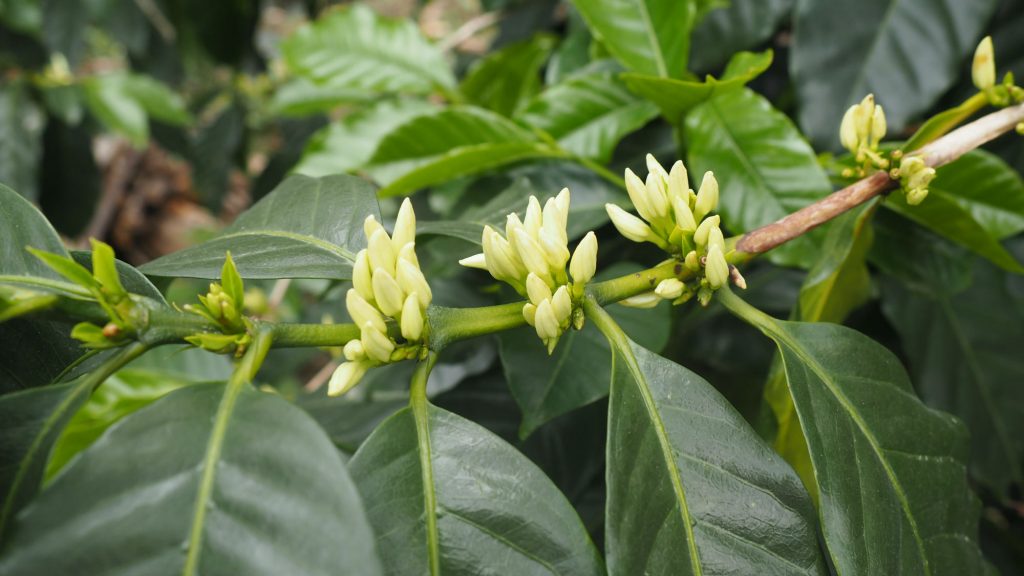
751 smallholder farmers organized around the Wachuri Factory

Altitude
1400-1600 masl

Variety
SL28, & SL34, Ruiru 11, and Batian

Soil
Volcanic loam

Region
Tetu sub-county, Nyeri County, Kenya

Process
Fully washed and dried on raised beds

Harvest
October - December

Certification
Conventional
Wachuri is a rare cooperative society consisting of only one single “factory” (washing station). First registered in 2000, Wachuri now has over 700 farmer members and produces strictly fully-washed coffee. This lot is juicy with flavors of tart berries and tropical fruit, and savory aromatics of tomato leaf, pine sap, and black currant.
Welcome to Nyeri
Mt. Kenya, at the helm of Kenya’s Central Province, is the second tallest peak on the continent of Africa and a commanding natural presence. The mountain itself is a single point inside a vast and surreal thicket of ascending national forest and active game protection communities. The central counties of Kenya extend from the center of the national park, like five irregular pie slices, with their points meeting at the peak of the mountain. It is along the lower edge of the forests where, in wet, high elevation communities with mineral-rich soil (Mt. Kenya is a stratovolcano) many believe the best coffees in Kenya, often the world, are crafted. Nyeri is perhaps the most well-known of these central counties.
Wachuri FCS & Processing
Kenya’s coffee is dominated by a cooperative system of production, whose members vote on representation, marketing and milling contracts for their coffee, as well as profit allocation. Often this takes the form of multiple factories sharing the representation of an umbrella society (Othaya, another group we often buy from, has 19 total member factories and 14,000 farmer members), but in rare cases like this one, a single factory is its own society as well.
Wachuri Farmers Cooperative Society (FCS) was first incorporated in 2000. Farmer members average 200 trees apiece. Tetu sub-county, where the members live, is right on the edge of Kenya’s Aberdare mountain range—so, combined with the massive biome of nearby Mt. Kenya, is surrounded by high elevation national parks on multiple sides, both of which contribute cold nighttime temperatures, rich soils, and fresh ground water to this corner of Nyeri county.
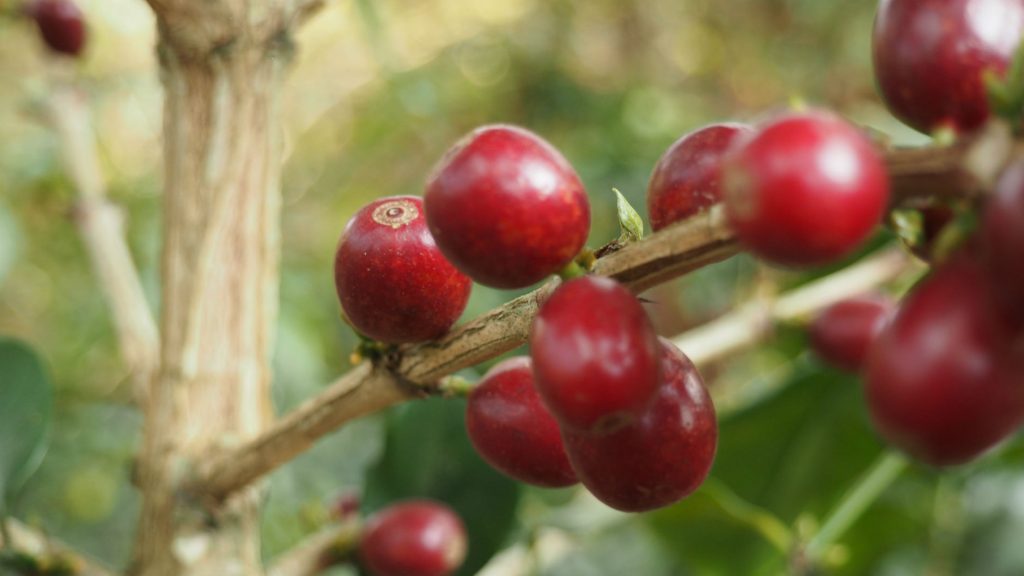
As cherry comes to the factory it is hand-sorted on intake to eliminate any imperfections and then weighed and logged under the contributing farmer’s name. Cherry is blended and depulped, and then fermented in water for 24 hours. Once fermentation is complete, the parchment is rinsed and moved to raised beds for drying. The drying phase is typically 2-3 weeks for the coffee to reach 10-12% humidity. Finally, fully dried parchment is rested in large, perforated bins on site, a process that allows the bean’s internal moisture to stabilize for the long transit and shelf life ahead.
Related Coffee
Dried Apricot, tomato, hops, chocolate
Midwest 13 Bags
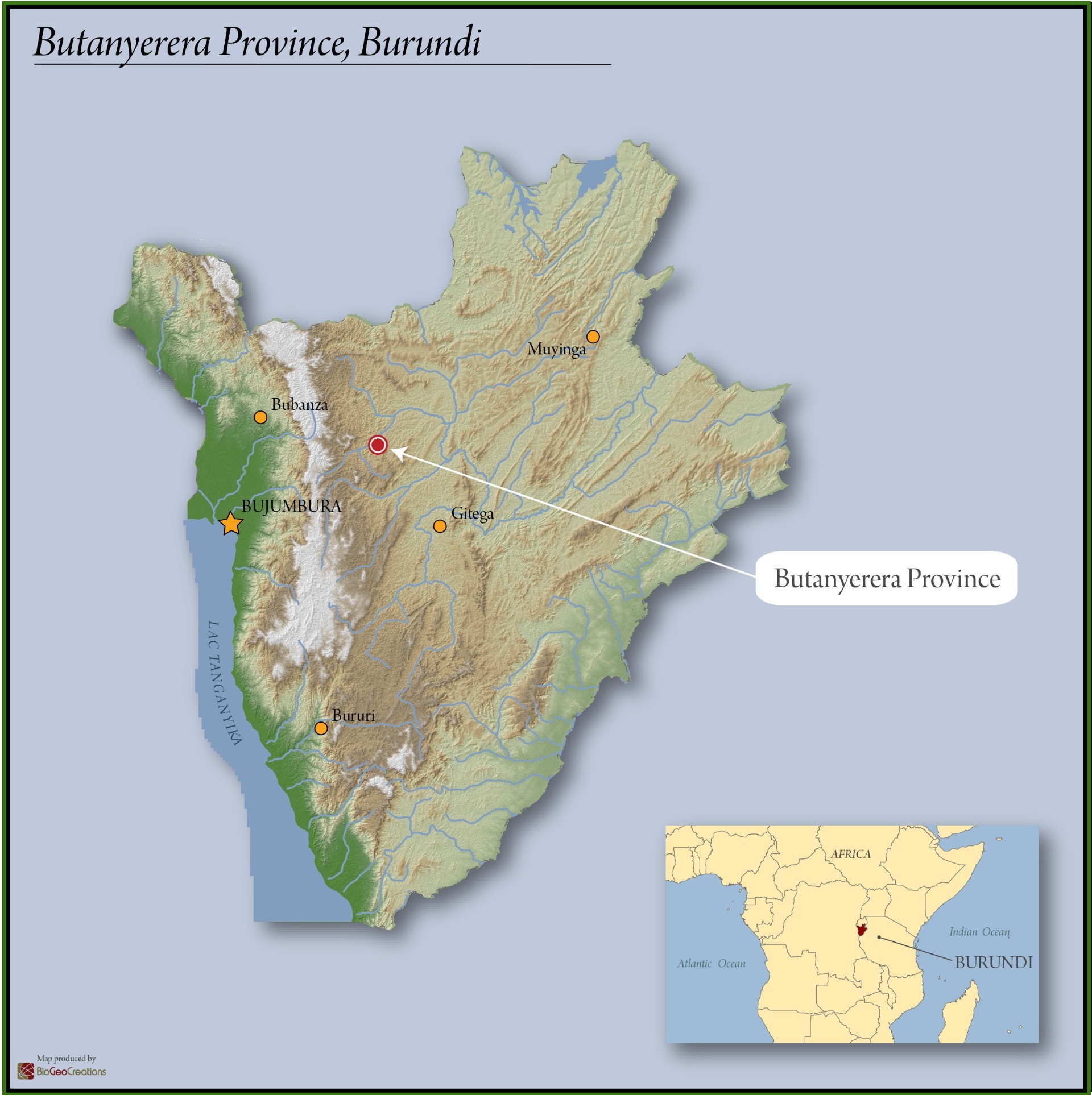
Burundi Tangara Butanyerera Washed
39355-1 – Ecotact Bags – SPOT COMIDWEST
Dried Apricot, tomato, hops, chocolate
Spot
13 Bags
$4.77 per pound

Lemon, cranberry, grapefruit, black tea, tomato, chocolate
Midwest 3 Bags
Kenya AA FAQ
38753-3 – GrainPro Bags – SPOT COMIDWEST
Lemon, cranberry, grapefruit, black tea, tomato, chocolate
Spot
3 Bags
$5.92 per pound
Lemon/lime, green grape, plum, dark chocolate
Midwest 10 Bags
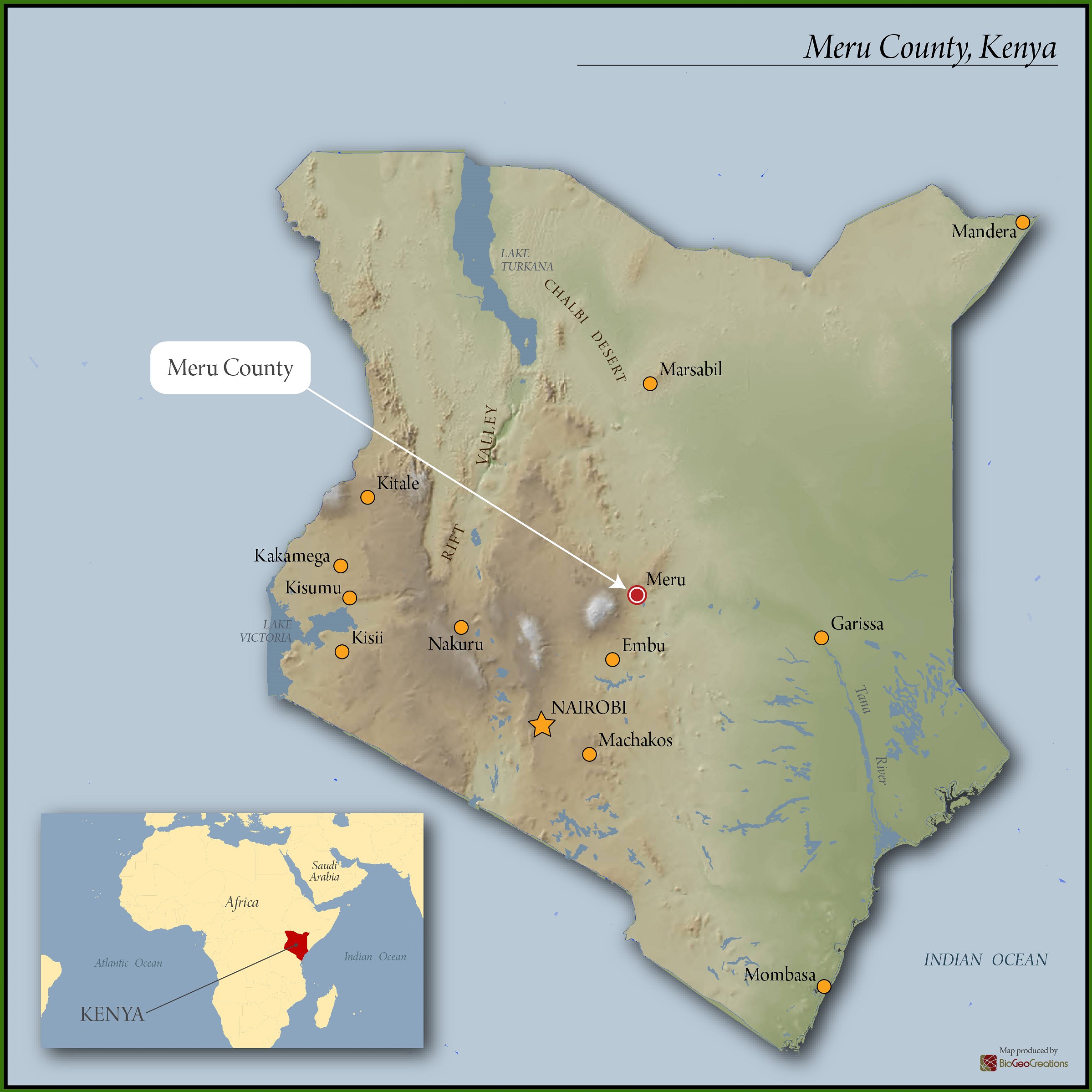
Kenya Meru Gichugene AB
42KE2001 – 38768-1 – GrainPro Bags – SPOT COMIDWEST
Lemon/lime, green grape, plum, dark chocolate
Spot
10 Bags
$6.47 per pound

Lime, orange, cola, chocolate
Midwest 8 Bags
RWANDA FT-FLO ORGANIC DUKUNDE KAWA MBILIMA
37051-6 – GrainPro Bags – SPOT COMIDWEST
Lime, orange, cola, chocolate
Spot
8 Bags
$6.22 per pound