
Colombia Huila Bourbon Sidra
35996 – 70.3 kg GrainPro Bags – SPOT RCWHSE
Bags 0
Warehouses Oakland
Flavor Profile Lemon zest, cherry cola, almond butter, milk chocolate
Please Note This coffee landed more than 8 months ago.
Out of stock


Grower
12 small family farms organized around Terra Coffee SAS

Altitude
1800 – 2000 masl

Variety
Bourbon Sidra

Soil
Volcanic loam

Region
Palestina, Acevedo, La Argentina municipalities, Huila Department, Colombia

Process
Whole cherry fermentation followed by fully washed fermentation and dried in the sun

Harvest
November - January | April - August

Certification
Conventional
This is one of a handful of Crown Jewels this year from southern Colombia that are wonderfully paradoxical in their makeup. Only 10 full size bags, this lot of washed bourbon sidra is highly specific, exemplary in quality, and unlike anything else grown in its region. But it’s also blended from more than 10 farms, from growers in some cases over 50 miles apart from each other, and in different microclimates. It’s built like a bulk blend, but the result is a tiny Crown Jewel. This is very Colombia: an incredible small lot that, despite its exactitude, still requires multiple growers to create. It’s also exactly the kind of coffee we love drinking and talking about at the Crown. Can we call it a microlot? Cast aside your terroir vanities! The terroir in this case is a composite. Nice! You can be as academic as you want about what makes a microlot, but I recommend doing it while drinking this coffee.
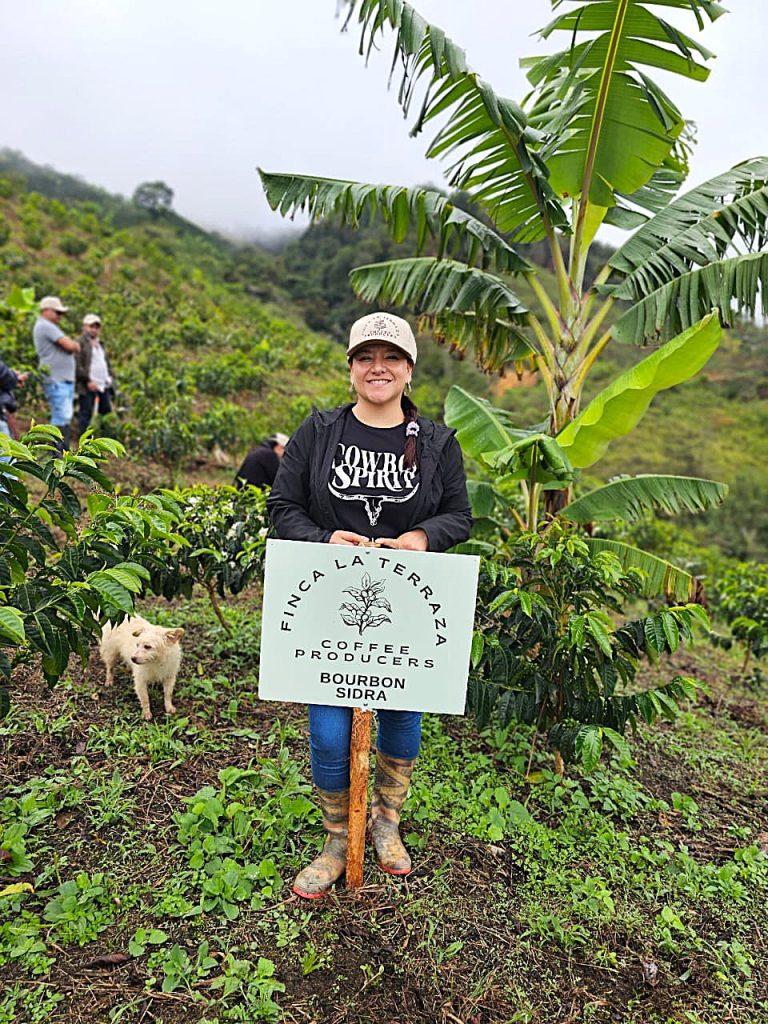
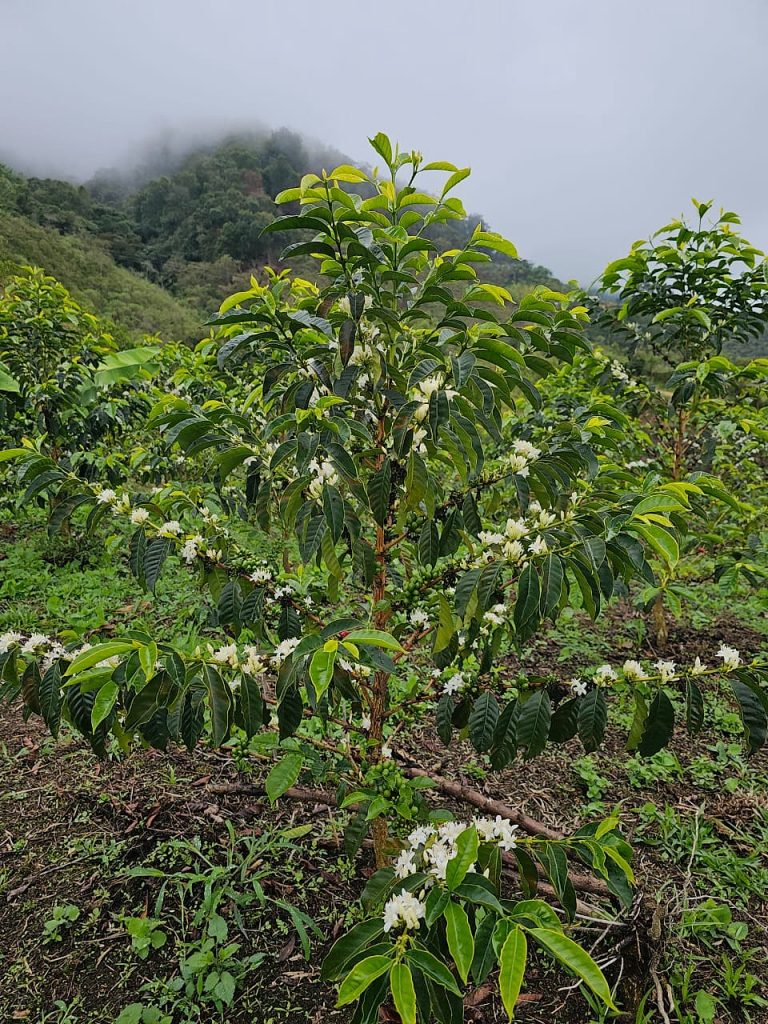
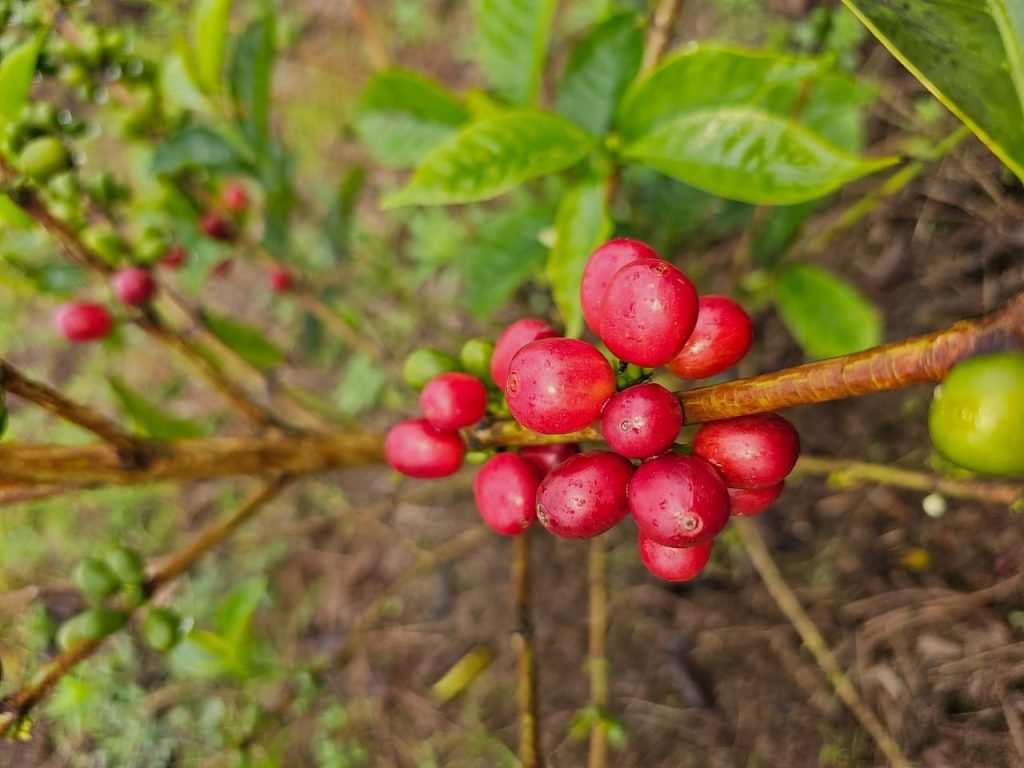
Bourbon sidra, to many simply “sidra”, is a kind of dream cultivar. It’s productive, resistant to roya, and known to be deliciously lush and fruity in the cup. Nobody reliably knows how it was created or how it ended up spreading, but it’s widely believed to have been developed by Nestlé on their research farm in northern Ecuador by manually crossing red bourbon and typica varieties. The goal was to create a purely high-quality cultivar with the best characteristics of each progenitor. Word has it the resulting seedlings were shared for free among regional farmers in exchange for their feedback. Whether that’s true, or the coffee was stolen (as others think), over the next few decades the cultivar became a kind of signature plant of northern Ecuador and is now synonymous with the country (along with typica “mejorado”). In Colombia however, the sidra cultivar is still really scarce, save for among a few farmers, most of whom have traveled to Ecuador expressly to source it.
Southern Huila
Huila is arguably Colombia’s best-known department for top microlots. Huila’s geographical accessibility, dense population of knowledgeable farmers, warm and subtropical forests, high elevations, and microclimate diversity have for many years sustained one of specialty coffee’s most beloved regions. The fact that most of the department is harvesting coffee almost every month of the year, means that fresh coffee is always available.
Huila is a long and narrow valley that follows a winding gap between two large cordilleras of the Andes. Uphill from the valley’s lush and picturesque lower slopes (Colombia’s 950-mile long Magdalena river has its source in southern Huila and has shaped the agriculture here for centuries) are a diverse array of coffee producing communities, often dramatically steep, and each with their own unique climate and history.
Palestina and Acevedo are all communities in the vicinity of Pitalito, located in the southern end of Huila’s central valley. La Argentina, the third community of contributing growers, is much further north and on the other side of the valley, closer to Huila’s border with Cauca. All areas, being Huila, are rugged and densely tropical landscapes. When many roasters think of Huila, they think of the communities in this region.
The Farms & Processing
Terra Coffee SAS is a young producer group, established in 2016 by husband and wife Wbeimar and Juliana, of Finca La Terraza. Terra Coffee has a narrow focus on developing high quality coffees collaboratively with select producers in the Huila and Nariño departments, and sharing them with the world. The small company manages one single producer association in each department where they work: “Ecoterra” in Nariño, with 140 producer partners, and “Terra Verde” in Huila, with 120.
For Terra Coffee SAS as a whole, quality is seen as a direct pathway to well-being for volume-limited, small coffee farming families—quality has a direct impact on not just the farm owner, but the many dependents on each small farm, including young children, older adults, and the women of the household performing essential labor that often goes unpaid. By increasing quality and placing microlots in the market, Terra Coffee SAS plans not only to increase prices to growers and their families, but also increase their sense of pride in the details of their work.
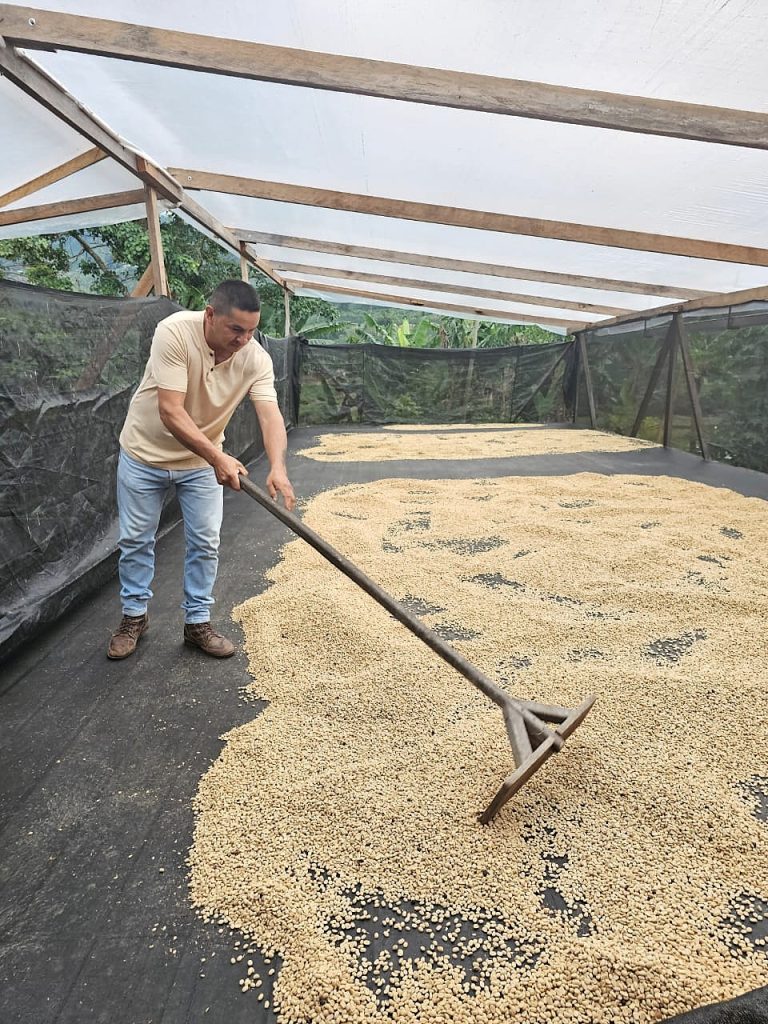
While there are slight variations on each farm that contributed their sidra to this lot, processing was very consistent: each producer’s sidra coffee was hand-picked and carefully depulped to avoid damaging any part of the cherry’s inner parchment; next the coffee was fermented in traditional open tanks for 48-70 hours depending on the local climate; once fully fermented, the mucilage was washed clean and moved to raised screens or rooftops to sun-dry, where it was constantly rotated for 15-20 days, again depending on local climate conditions.
Related Coffee
Lemon, caramel, chocolate
Oakland 83 Bags
PERU FT-FLO/USA ORGANIC APROCASSI
37099 – SPOT RCWHSE
Lemon, caramel, chocolate
Spot
83 Bags
$4.95 per pound

Cinnamon, cocoa, wheat toast
Oakland 152 Bags
DECAF PERU FT-FLO ORGANIC NORANDINO ROYAL SELECT SWISS WATER PROCESS
37926 – SPOT RCWHSE
Cinnamon, cocoa, wheat toast
Spot
152 Bags
$5.80 per pound

Applesauce, plum, cherry, butternut squash, chocolate
Oakland 4 Bags
DECAF PERU FT-FLO ORGANIC PROASSA ROYAL SELECT WATER PROCESS
38053 – SPOT RCWHSE
Applesauce, plum, cherry, butternut squash, chocolate
Spot
4 Bags
$5.80 per pound

Cup notes available upon arrival
Oakland 221 Bags
DECAF PERU FT-FLO ORGANIC NORTE ROYAL SELECT SWISS WATER PROCESS
38345 – SPOT RCWHSE
Cup notes available upon arrival
Spot
221 Bags
$5.80 per pound