
Kenya Kirinyaga Mwirua Kiaragana AA
16KN0033 – 33812 – 30.0 kg Box/Vacuum Pack – SPOT SHANGHAI
Bags 0
Warehouses Shanghai
Please Note This coffee landed more than 8 months ago.
Out of stock


Grower
7,982 smallholder farmers organized around the Kiaragana Factory

Altitude
1400 - 1600 masl

Variety
SL28 & SL34, Ruiru 11, Batian

Soil
Volcanic loam

Region
Kirinyaga County, Kenya

Process
Fully washed and dried on raised beds

Harvest
October- January

Certification
Conventional
Mwirua is a producer organization that has been around since before Kenya's independence from Britain, since 1954. It is robust in membership and exemplary in quality. This washed lot from the Kiaragana factory is a quintessential Kirinyaga coffee: citric and jammy with red currant, tangerine, and berry-like acids.
Central Kenya & Kirinyaga County
Mt. Kenya, at the helm of Kenya’s Central Province, is the second tallest peak on the continent of Africa and a commanding natural presence. The mountain itself is a single point inside a vast and surreal thicket of ascending national forest and active game protection communities. The central counties of Kenya extend from the center of the national park like five irregular pie slices with their points meeting at the peak of the mountain. It is along the lower edge of the forests where, in wet, high elevation communities with mineral-rich soil (Mt. Kenya is a stratovolcano) many believe the best coffees in Kenya, often the world, are crafted. Kirinyaga is one of the best-known of these central counties.
Mwirua FCS and Processing Style
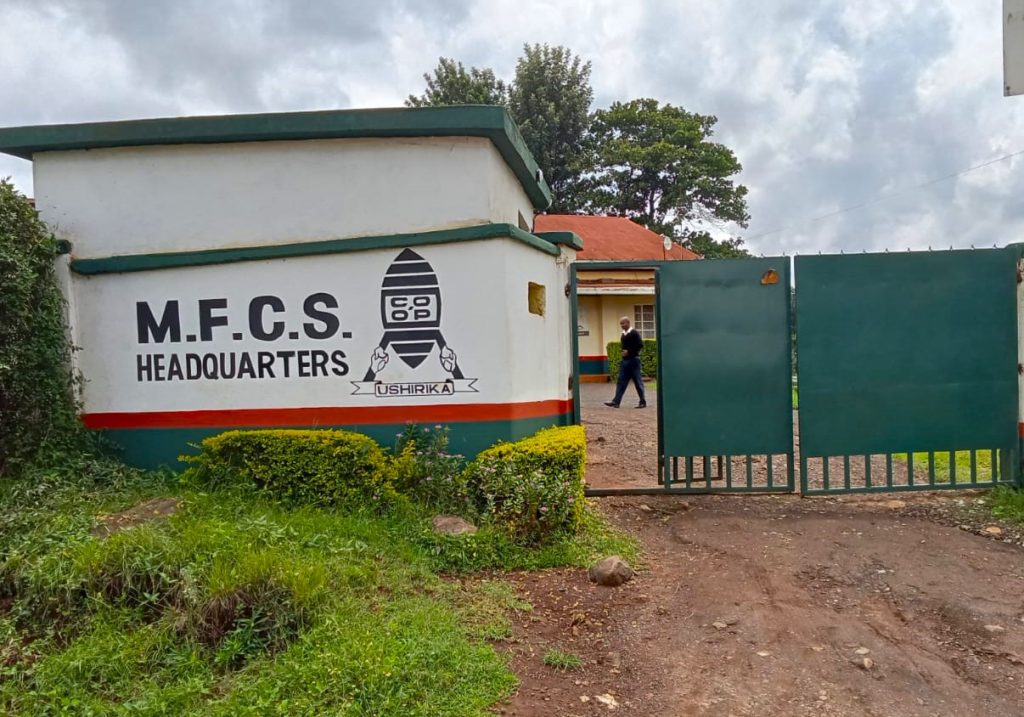
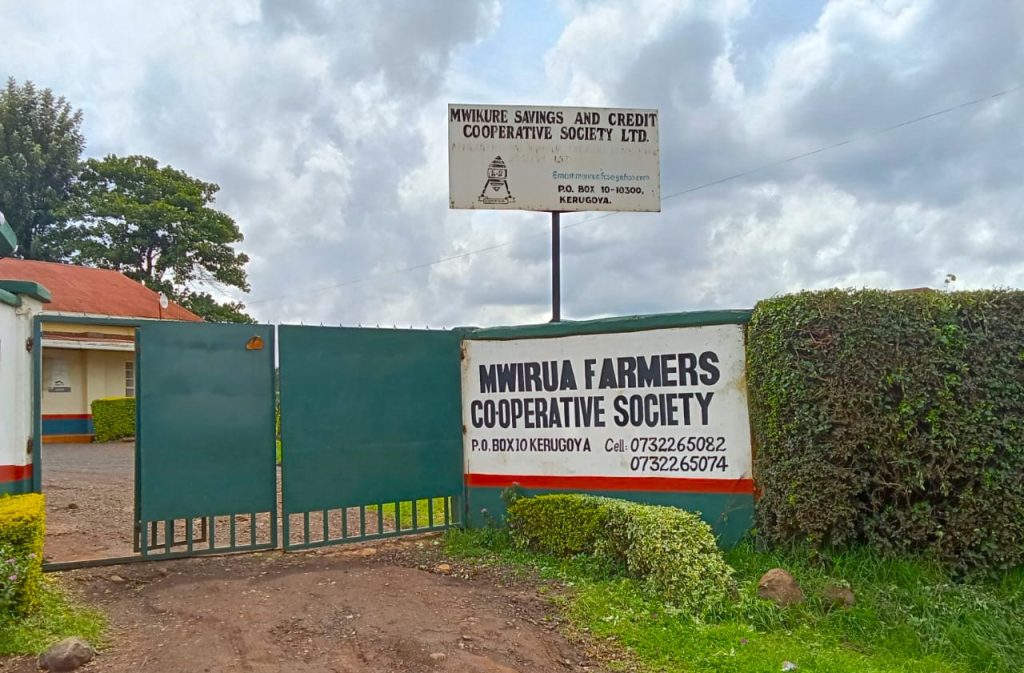
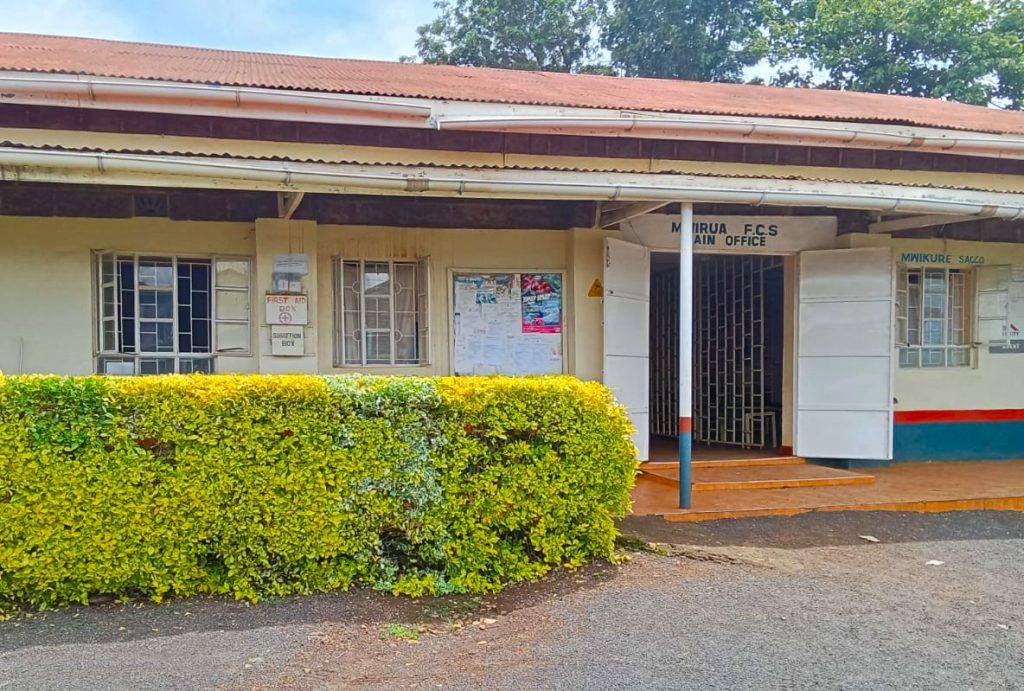
Kenya’s coffee is dominated by a cooperative system of production, whose members vote on representation, marketing and milling contracts for their coffee, as well as profit allocation. Mwirua Farmers Cooperative Society (FCS) is an umbrella organization that represents 9 total factories (entralized wet mills), including Kiaragana. The cooperative society is headquartered in the town of Mukure, in northern Kirinyaga close to the border of Mt. Kenya National Park.
Kenya is of course known for some of the most meticulous at-scale processing that can be found anywhere in the world. Bright white parchment, nearly perfectly sorted by density and bulk conditioned at high elevations is the norm, and a matter of pride, even for generations of Kenyan processing managers who prefer drinking Kenya’s tea (abundantly farmed in nearby Murang’a county) to its coffee. Ample water supply in the central growing regions has historically allowed factories to wash, and wash, and soak, and wash their coffees again entirely with fresh, cold river water.
Kiaragana typically ferments for 18-48 hours depending on ambient conditions (the changing mountain climate, as for many processors, tends to dictate fermentation temperatures, and processing staff are required to check fermentation progress every three hours). After fermentation, the parchment is washed with fresh water in long cement channels, where the agitation separates the denser, heavier parchment from the the lighter parchment. The density-sorted and cleaned parchment is then brought to the factory’s raised tables to dry, which takes anywhere from 5-30 days, again depending on local conditions. After drying is complete the coffee is conditioned in large perforated bins on site to allow moisture to stabilize, preparing the coffees for transit and a long shelf life. The established milling and sorting by grade, or bean size, is a longstanding tradition and positions Kenya coffees well for roasters, by tightly controlling the physical preparation and creating a diversity of profiles from a single processing batch.