
Ethiopia Yirgacheffe 4 Natural Kochore
32050-1 – SPOT DUPUYHOU
Bags 0
Warehouses Houston
Flavor Profile Rose, dried fruit, roasted nut, toasted marshmallow, bittersweet chocolate
Please Note This coffee landed more than 8 months ago.
Check out our Guide to Ethiopian Coffee Grades
Out of stock

Grower
Smallholder farmers organized around the Kochore processing station

Altitude
1950 – 2150 masl

Variety
Regional landraces and local heirloom cultivars

Soil
Vertisol

Region
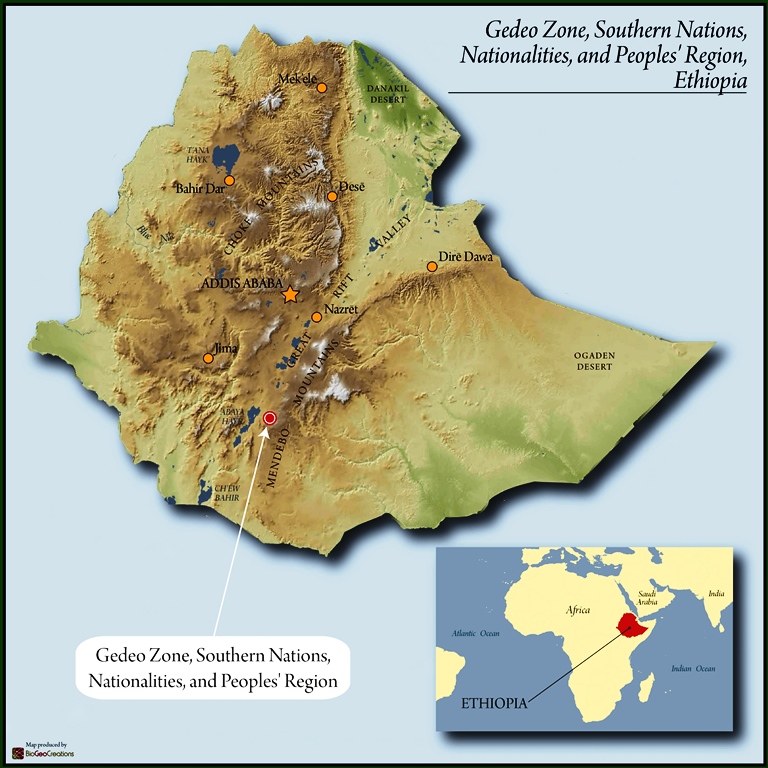
Jaldo Kebele, Kochore woreda, Gedeo Zone, Ethiopia

Process
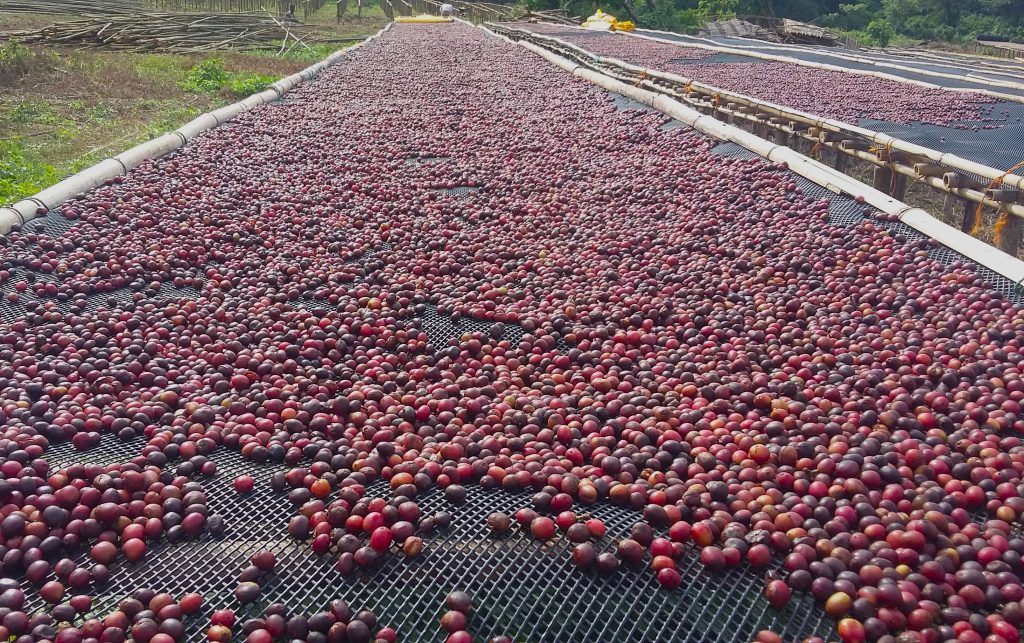
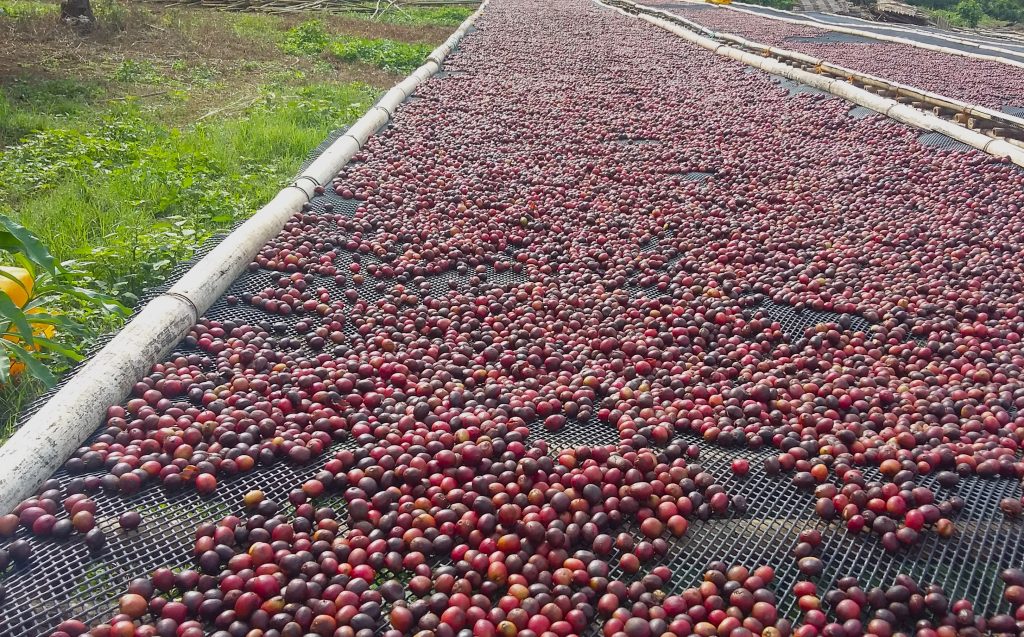
Full natural and dried on raised beds

Harvest
October - January

Certification
Conventional
This coffee was processed at a longtime independent processor site in one of Gedeo’s largest districts, Kochore (also spelled Kochere). The cup quality of this area is historic to coffee, comprised mostly of indigenous landrace arabica variations, and known for rich berry-like and floral naturals.
Kochore Kebele
The Kochore, also spelled “Kochere”, district is in the heart of southern Ethiopia’s coveted Gedeo Zone. Gedeo is a narrow section of highland plateau dense with savvy farmers and fiercely competitive processors. The entire zone has been known commercially as Yirgacheffe for many years after the Yirgacheffe district itself, one of Ethiopia’s first areas to fully wash its coffee. As a coffee terroir, the greater Gedeo zone has for decades been considered a benchmark for beauty and complexity in arabica coffee—known for being beguilingly ornate and jasmine-like when fully washed, and seductively punchy and sweet when sundried--and hardly requires an introduction.
Kochore Processing Station
Jaldo is a community in the district of Kochere, one of Gedeo’s largest districts. The Kochore processing station services local farmers with 1-2 hectares of land on average, which tends to be devoted to coffee, cabbage, and enset, a fruitless relative of the banana tree whose inner pulp is scraped, packed into large parcels and fermented underground, and then consumed sliced and toasted as a staple starch.
The processing site first opened in 2010. During harvest time 200-250 employees are on site to manage intake, processing, financial operations and security of the station.
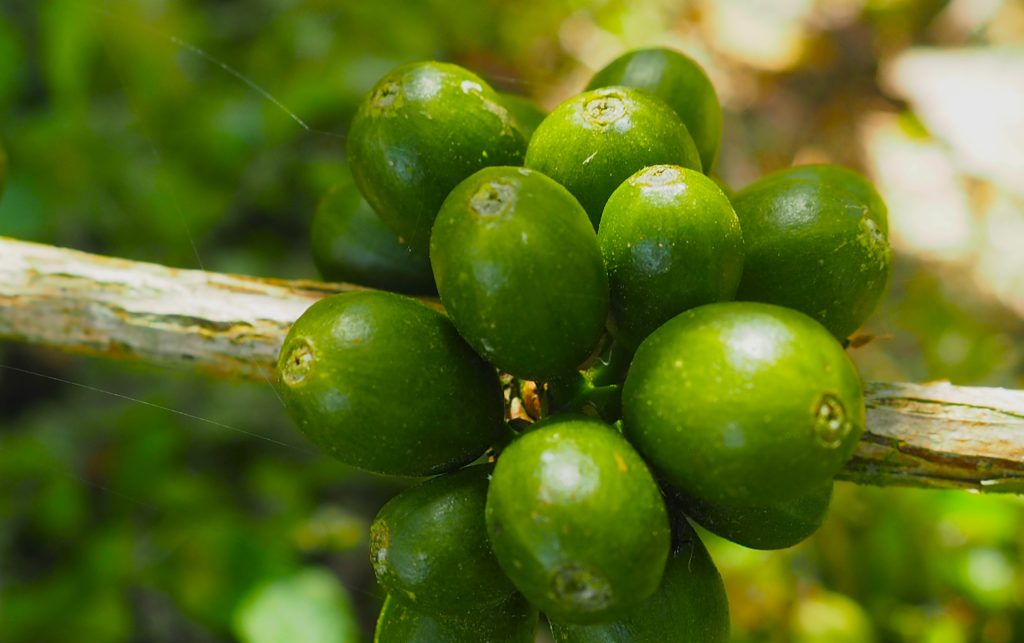
Naturals at Kochore are received from farmers as freshly-picked cherry. On intake, cherry is sorted for defects and uniform ripeness, and then moved directly to raised beds to dry in the sun, where they are continuously raked to ensure even, slow drying. Drying cherry is covered with tarpaulins during the midday hours, when the sun at this elevation is searingly hot, as well as overnight, to protect cherries from settling humidity. Total drying time is 2-3 weeks, after which the finished pods are transported to Dili for hulling, and then Addis Ababa for final dry milling and export.
Related Coffee

Dried fruit, herbaceous, cocoa powder
Houston 2 Bags
DECAF ETHIOPIA ORGANIC SIDAMA 3 NATURAL ROYAL SELECT SWISS WATER PROCESS
39037-2 – SPOT DUPUYHOU
Dried fruit, herbaceous, cocoa powder
Spot
2 Bags
$6.20 per pound

Dried strawberry, raisin, nougat, honey, granola
Houston 14 Bags
ETHIOPIA GUJI 4 NATURAL ORGANIC
37966-1 – GrainPro Bags – SPOT DUPUYHOU
Dried strawberry, raisin, nougat, honey, granola
Spot
14 Bags
$5.50 per pound
Melon, chocolate, clean
Houston 15 Bags
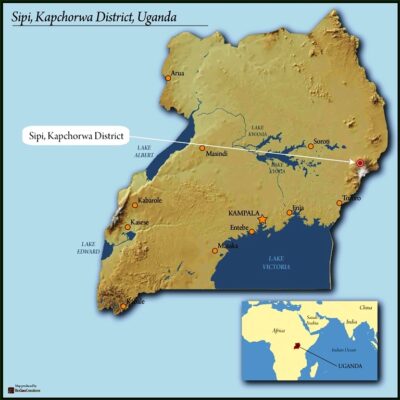
UGANDA ORGANIC SIPI FALLS
35184-3 – GrainPro Bags – SPOT DUPUYHOU
Melon, chocolate, clean
Spot
15 Bags
$4.66 per pound

Apricot, nougat, herbaceous, chocolate
Houston 1 Bag
TIMOR LESTE FARMGATE ORGANIC ERMERA MAUTLIO
38841-1 – 30.0 kg GrainPro Bags – SPOT DUPUYHOU
Apricot, nougat, herbaceous, chocolate
Spot
1 Bag
$5.60 per pound