
Colombia Quindio Black Ginger Ale Gesha
28806 – 35.0 kg GrainPro Bags – SPOT RCWHSE
Bags 0
Warehouses Oakland
Flavor Profile Ginger, watermelon, lavender, rose, pine
Please Note This coffee landed more than 8 months ago.
Out of stock



Grower
Edwin Noreña | Finca Campo Hermoso

Altitude
1600 masl

Variety
Gesha

Soil
Volcanic loam

Region
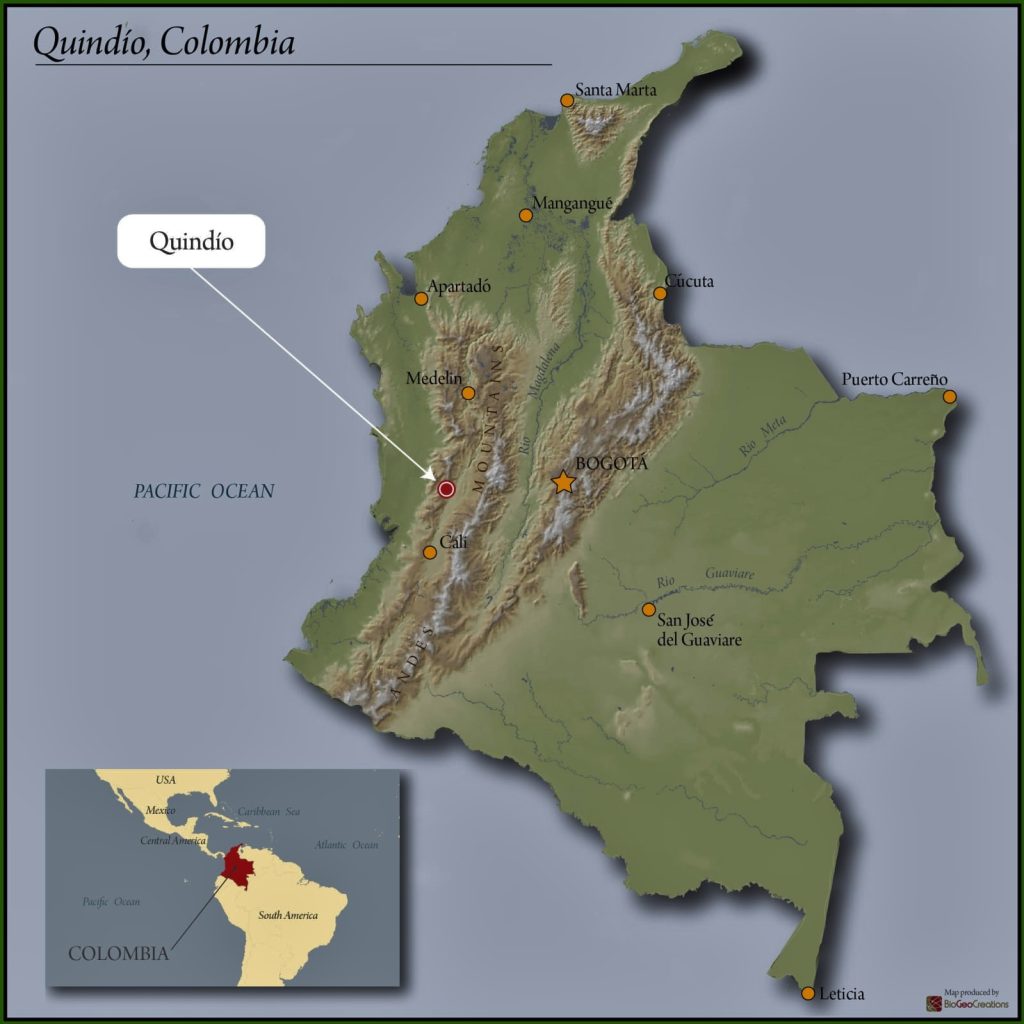
Circasia Municipality, Quindío Department, Colombia

Process
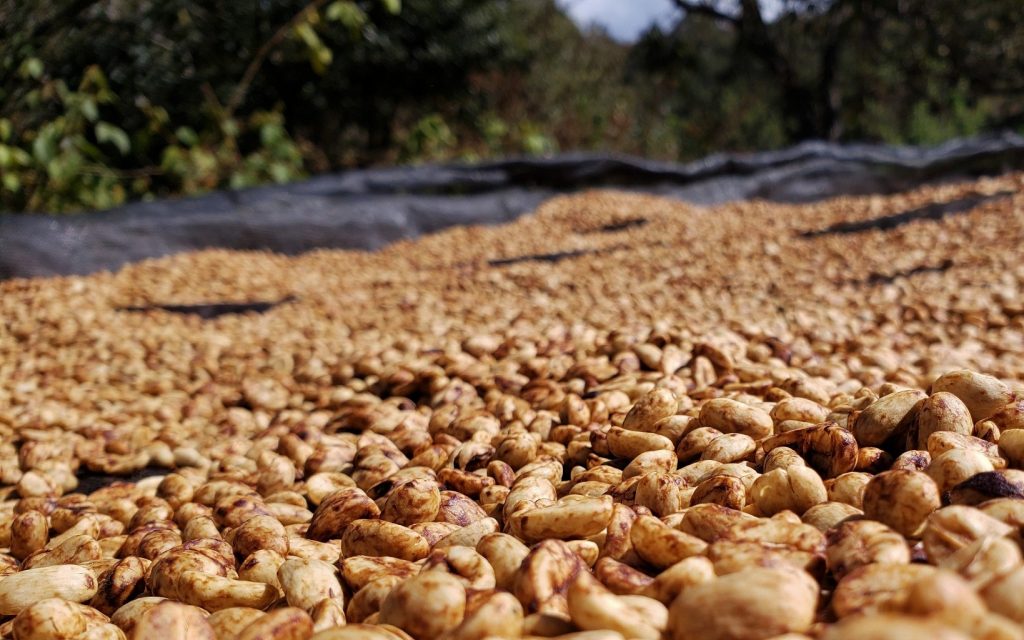
Custom cherry fermentation, depulped and dried in the sun

Harvest
October – November | April - May

Certification
Conventional
For such a naturally gifted department as Quindío, precious few coffees seem to make it out into the world. Quindío is Colombia’s second-smallest department by size, making up only about 0.2% of the national territory. It’s location, however, right on the central cordillera of Colombia’s vast Andes divide, and centrally between the country’s largest and most influential cities (Bogotá, Medellín, and Cali), give it a high volume of tourist traffic, coffee industry, airline commuters, and idyllic getaways in the form of brightly painted mountain towns, natural reserves, and high elevation tropical landscapes throughout. Almost the entire department is mountainous, its lowest elevations still over 1000 meters, and is dense with coffee plantations, from the small to the large and ambitious.
Finca Campo Hermoso is a 15-hectare farm outside of Circasia, only a few kilometers north of Quindío’s capital city Armenia. It’s owner, Edwin Noreña, is an agroindustrial engineer by trade with graduate-level studies in biotechnology. Edwin is a well-connected and highly aspirational coffee producer who focuses on cultivating very specific varieties paired with very specific processing methods designed to express the most surprising, memorable, and delicious coffees possible within his resources. Finca Campo Hermoso concentrates on growing cultivars far apart from the nationally-distributed hybrids, or traditional Caturra: the farm has in production pink bourbon, yellow bourbon, bourbon sidra, gesha, and Cenicafe 1, a resistant hybrid developed by Cenicafé, Colombia’s national coffee research institute. The resulting coffees are marketed under “El Alquimista”, Edwin’s personal brand for his microlots, which have featured in barista competitions and choosy roasters around the world.
The gesha variety needs no introduction in the specialty world, although it’s worth mentioning that despite wide experimentation in Colombia among growers it has yet to achieve the same level of appreciation here than elsewhere, which is surprising given the level of experience throughout Colombia’s coffee sector. It does, however, have its moments.
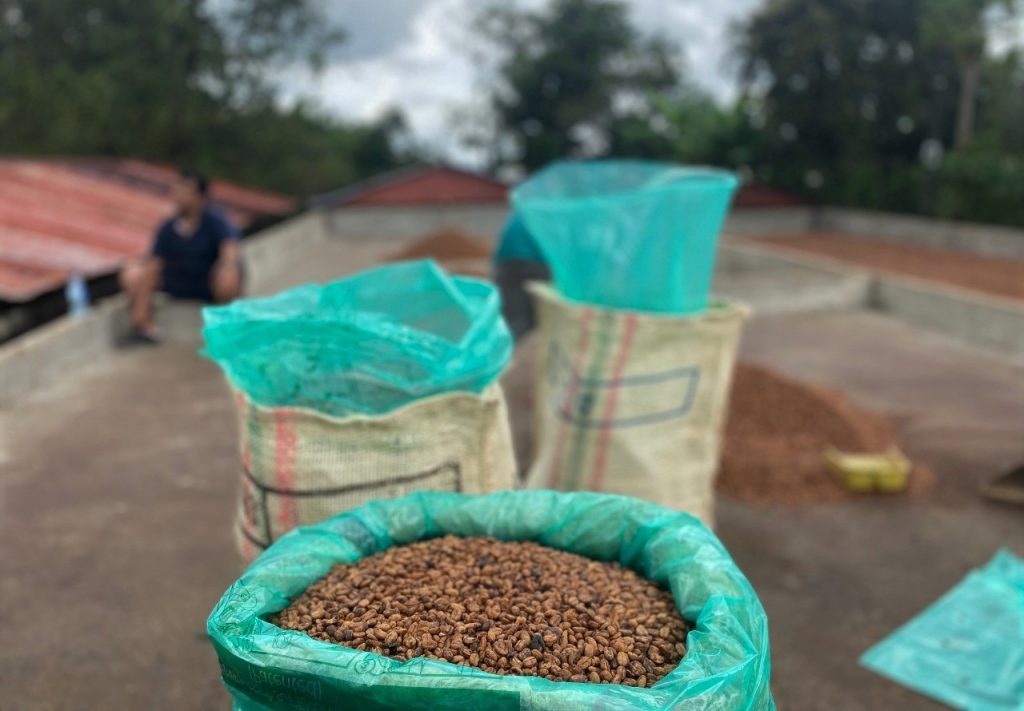
Edwin’s process for this particular gesha is a combination of steps that he calls “black honey double carbonic maceration ginger sundried”, which uses a combination of anaerobic cherry fermentation, mucilage fermentation, and a traditional honey process to achieve the final profile. Once picked, the gesha cherries are fermented in a sealed tank deprived of oxygen to allow the fruit to soften and sugars to peak, after which the cherries are depulped and fermented anaerobically a second time with the addition of ginger. After the second, scented fermentation is complete, the coffee is moved to raised screen beds to dry in the sun as a “black” (high mucilage) honey. The result is an intensely-flavored coffee with dark dried fruit notes as well as anise, florals, and a viscous mouthfeel.
Oxygen-deprived, or “anaerobic” fermentation environments like the above have gained traction among processing wonks in coffee for the unique flavors and tanginess they can add, as well as creating exaggerated characteristics in the cup compared to what we’re used to. Edwin, by investing in his processing knowhow, is able to produce a wide variety of cup profiles from a small parcel of land, further expanding cuppers’ expectations of Quindío coffees and evolving the standards of his peers, not to mention boosting the notoriety of Campo Hermoso and the 30 families that contribute work to the farm.
Related Coffee

Cinnamon, cocoa, wheat toast
Oakland 32 Bags
DECAF PERU FT-FLO ORGANIC NORANDINO ROYAL SELECT SWISS WATER PROCESS
37926 – SPOT RCWHSE
Cinnamon, cocoa, wheat toast
Spot
32 Bags
$5.48 per pound

Cup notes available upon arrival
Oakland 125 Bags
DECAF PERU FT-FLO ORGANIC NORTE ROYAL SELECT SWISS WATER PROCESS
38345 – SPOT RCWHSE
Cup notes available upon arrival
Spot
125 Bags
$5.48 per pound
Dried raspberry, red grapefruit, honey, malt, milk chocolate
Oakland 49 Bags
78 Espresso Blend
40063 – GrainPro Bags – SPOT RCWHSE
Dried raspberry, red grapefruit, honey, malt, milk chocolate
Spot
49 Bags
$5.95 per pound
Tomato, marshmallow, cocoa, clean
Oakland 147 Bags
DECAF GUATEMALA ORGANIC ROYAL SELECT SWISS WATER PROCESS
39307 – SPOT RCWHSE
Tomato, marshmallow, cocoa, clean
Spot
147 Bags
$5.52 per pound