
Bali Kintamani Kamala Dawon Yeast Inoculated Natural
41025 – GrainPro Bags – ETA: Oct 26, 2026 – RCWHSE
Bags 3
Warehouses Oakland

Grower
Producers organized around Karana Global

Altitude
1200 – 1500 masl

Variety
Kartika (Catimor & Caturra)

Soil
Volcanic loam

Region
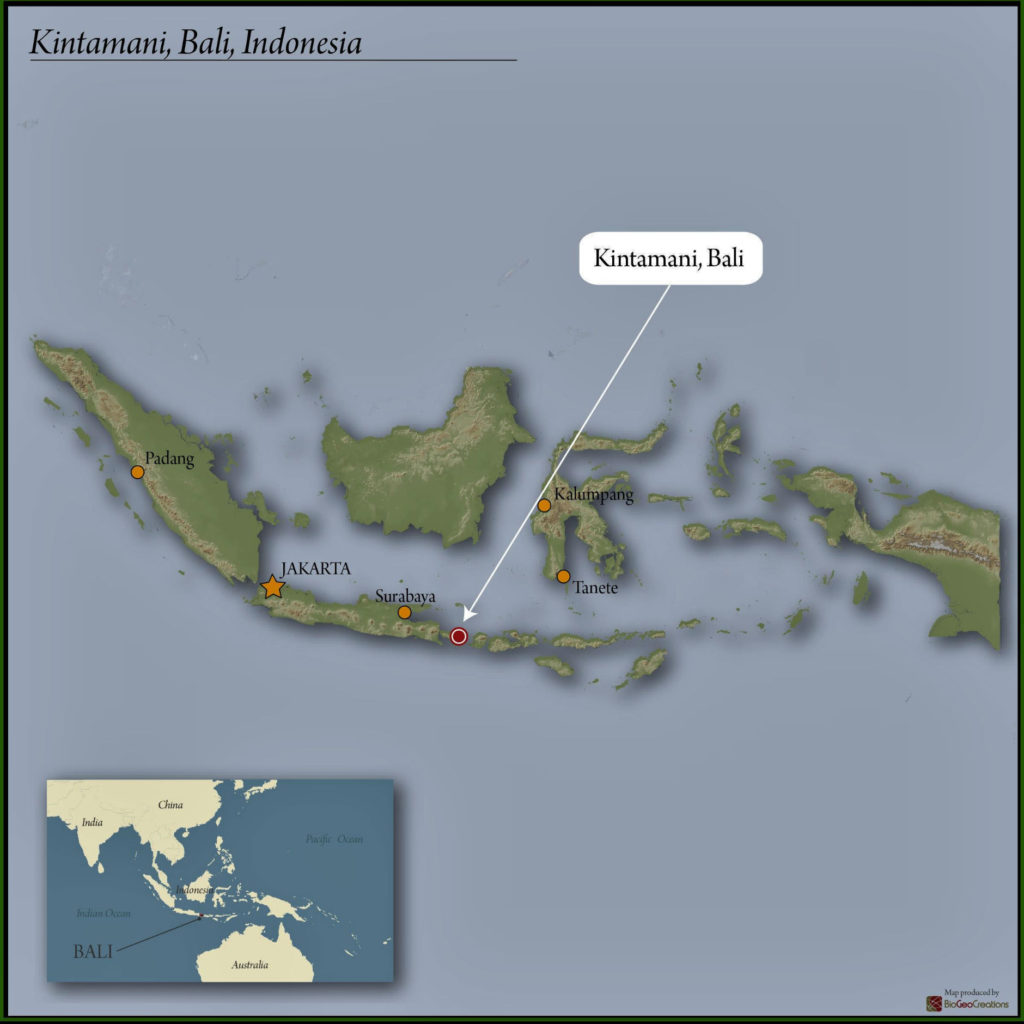
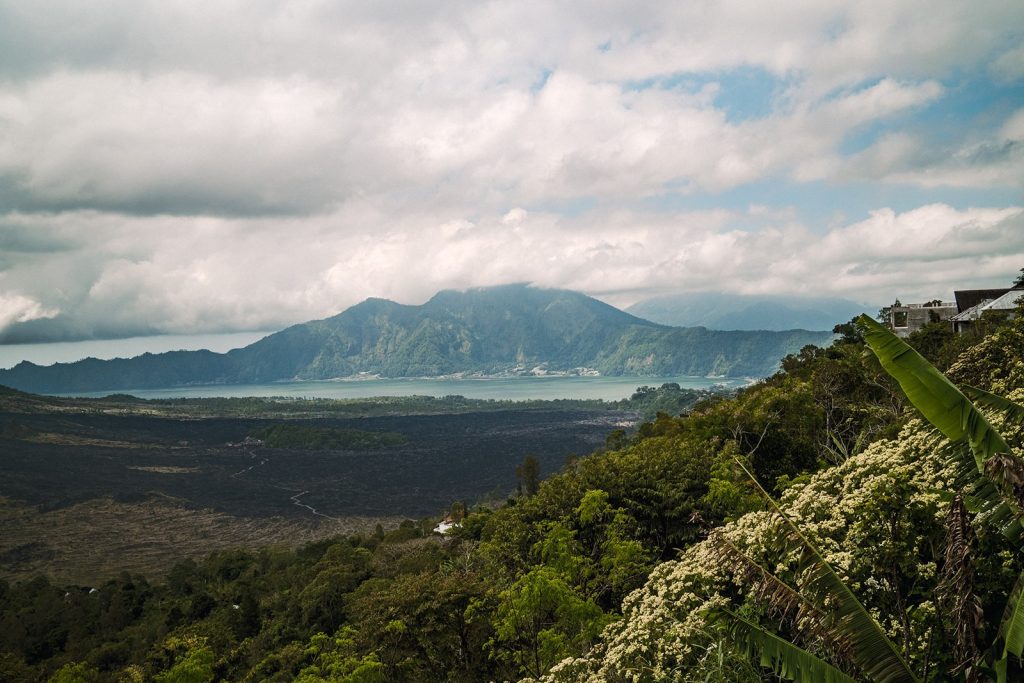
Kintamani Highlands of Central Bali, Indonesia

Process
Full natural and dried on raised beds

Harvest
March-August

Certification
Conventional
Sourcing Details:
With Indonesian coffees, half the battle is overcoming logistical challenges like rugged roads and unpredictable torrents of rain. Working with exporters like Karana Global helps farmers overcome these challenges and ensures that coffee safely makes it to the international market.
Processing Details:
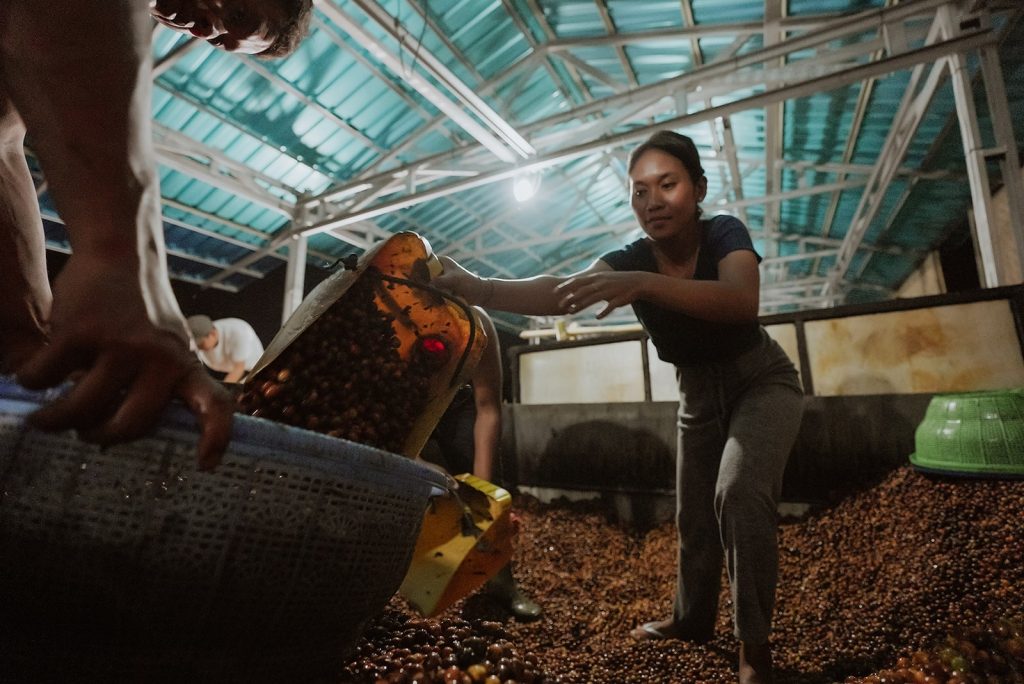
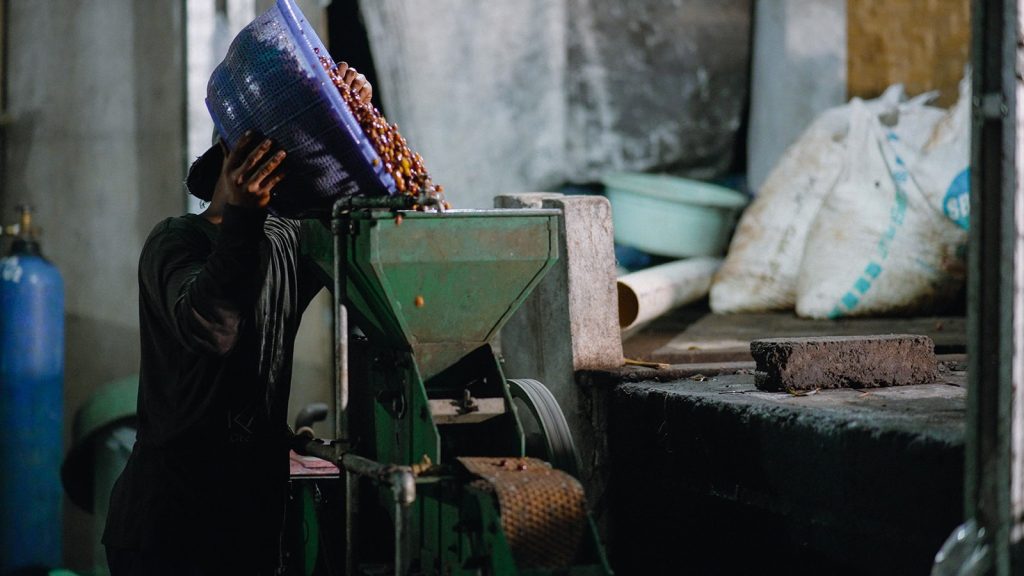
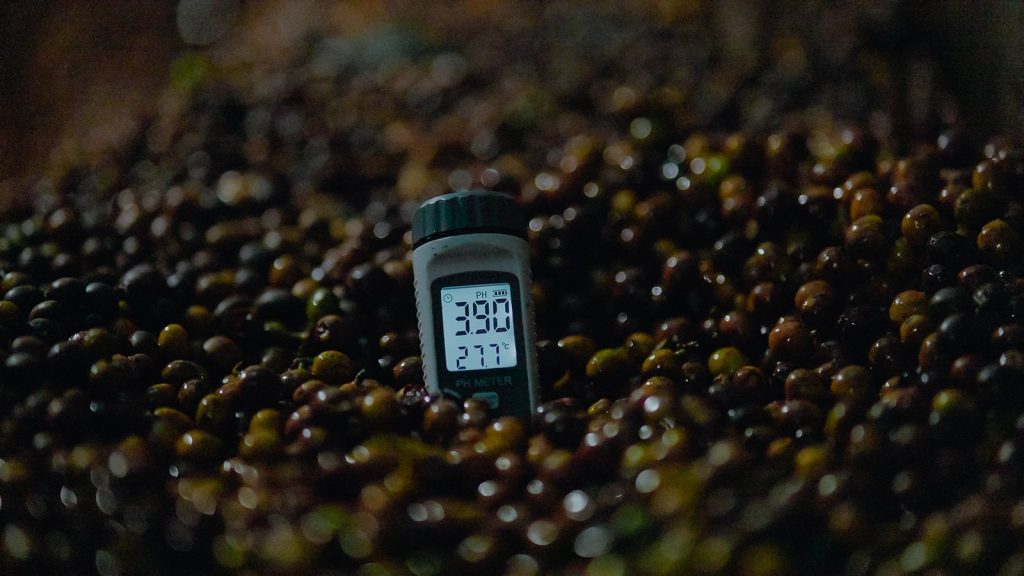
This particular lot comes from the Kintamani region of Bali. Harvested cherries are transported to a centrally located mill operated by Karana, which is equipment for a variety of processing options including yeast inoculation. Producers practice meticulous harvesting standards, which include selectively picking during specific phases of the moon and brix measurements to ensure maximum sugar concentration in the coffee fruit. When cherries arrive at the central mill, they are carefully sorted and floated to remove damaged and underripe fruit. Then cherries are placed in a sealed tank sprayed with sprayed with a yeast called Pichia. The cherries Ferment for 48 hours in the tank until Ph level reaches 4.2. Next the cherries are laid out on patios for 20 to 25 days until the moisture content reaches around 12%
Exporting Details:
For the export preparation, dried coffee cherries are transported to Karana’s Global dry mill facility where coffee is received, cupped and selected for export. Coffee is dehulled and sorted with equipment typically in most dry mills, such as gravity beds, screens and an electronic color sorter. Coffee is also hand sorted.
Related Coffee

Blueberry, nectarine, fig, black tea, malt, carob
Oakland 214 Bags
ETHIOPIA SIDAMO 4 NATURAL FT-FLO ORGANIC SMITHSONIAN BIRD FRIENDLY
40161 – GrainPro Bags – SPOT RCWHSE
Blueberry, nectarine, fig, black tea, malt, carob
Spot
214 Bags
$5.88 per pound
Mango, black cherry, caramel, dark chocolate
Oakland 80 Bags
El Salvador Melchor Natural Bourbon
40465 – GrainPro Bags – SPOT RCWHSE
Mango, black cherry, caramel, dark chocolate
Spot
80 Bags
$6.10 per pound
Raspberry, lemonade, nutty, sweet
Oakland 18 Bags
El Salvador Santa Leticia Natural Bourbon
40947 – GrainPro Bags – SPOT RCWHSE
Raspberry, lemonade, nutty, sweet
Spot
18 Bags
$5.35 per pound
Green grape, red apple, fig jam, toffee, herbal
Oakland 75 Bags
Green grape, red apple, fig jam, toffee, herbal
Spot
75 Bags
$6.35 per pound