
Kenya Muranga Bellanie Estate Peaberry
42KF0014 – 38767 – GrainPro Bags – SPOT RCWHSE
Bags 0
Warehouses Oakland
Flavor Profile Lemonade, grapefruit, brown sugar, milk chocolate
Out of stock

Grower
Bellanie Coffee Estate

Altitude
1550 masl

Variety
SL28, SL34, and Ruiru 11

Soil
Clay loam

Region
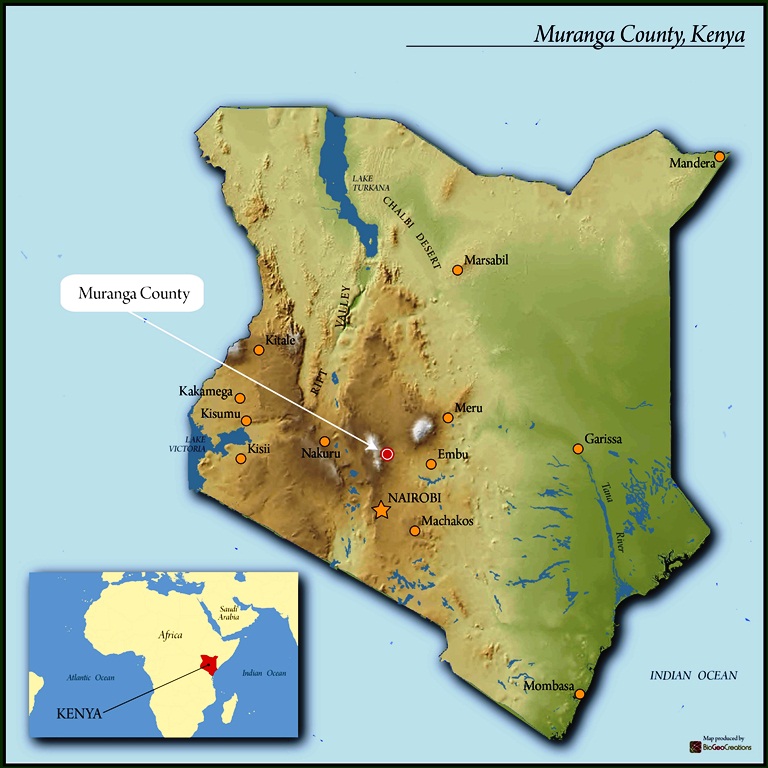
Murang'a County, Kenya

Process
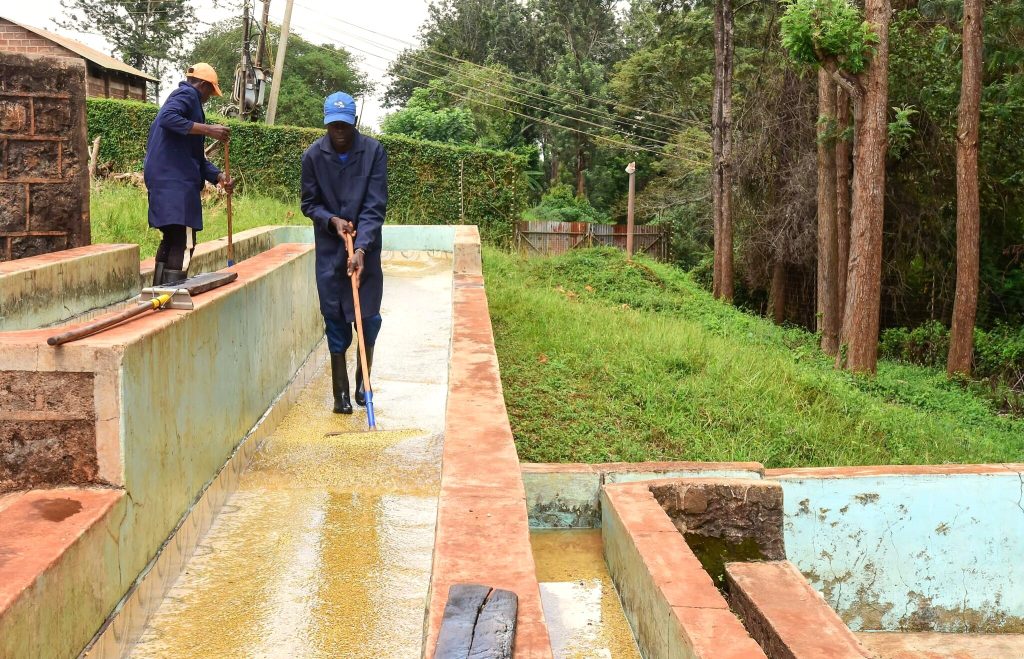
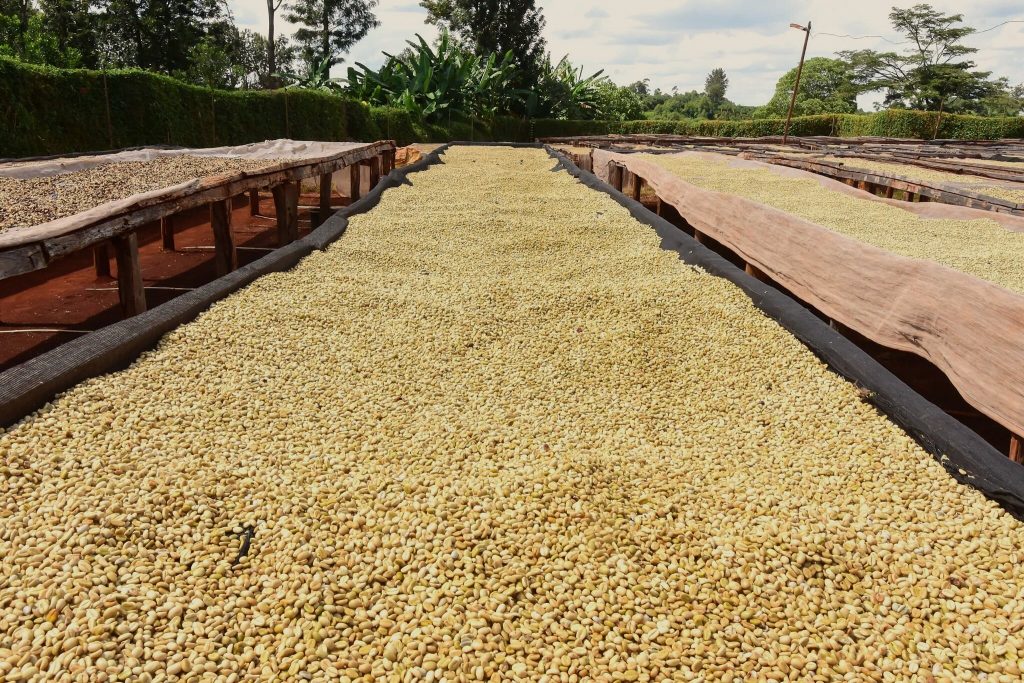
Fully washed and dried in raised beds

Harvest
October- February

Certification
Conventional
Bellanie Estate was first established in the late 1970s, making it about as old as Royal Coffee. The farm is now in its second generation, owned and operated by the same family and focused on land stewardship, care for laborers, and preserving their legacy knowledge of Kenya coffee production.
The peaberry lot we have this year is lightly creamy in texture with complex brown sugars evoking roasted marshmallow or caramel, and a piquant, lactic-like acidity with grapefruit and red currant flavors. It’s a delicious and approachable coffee that personifies the jammy-sweet harmony of a well-produced washed Kenya from the country’s center.
Muranga’a County & Bellanie Estate Processing
Muranga’a, also spelled Muranga, is an oblong county that sits between the industrious Kiambu County, to the south, and the more famous coffee counties Nyeri, Kirinyaga, and Embu, to the north. The Aberdare highlands contribute significant climate influence over this part of Muranga, keeping the vegetation cooler and well-respirated, similar to the way Mt. Kenya impacts its neighboring regions to the north.
Bellanie Estate, while larger than the average coffee farm (which in Kenya are predominantly smallholder-owned with only a few hundred coffee trees), is entirely hand-harvested. The estate uses exclusively indigenous tree species for their canopy as well as biodiverse, non-coffee “buffer zones” for diversity and soil health.
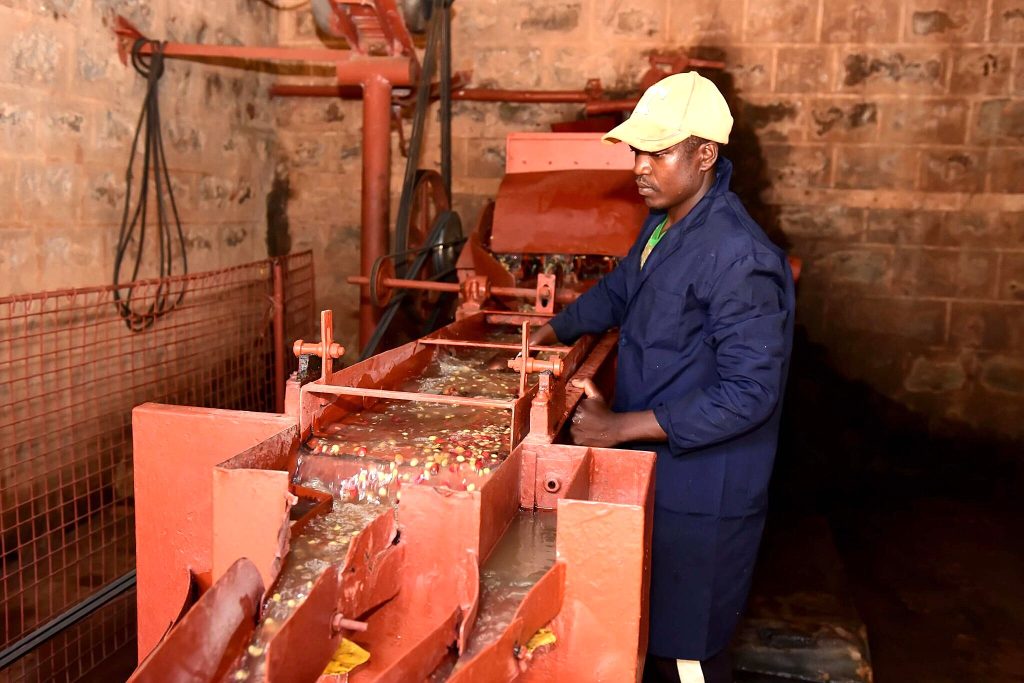
Kenya is of course known for some of the most meticulous at-scale processing that can be found anywhere in the world. Bright white parchment, nearly perfectly sorted by density and bulk conditioned at high elevations is the norm, and a matter of pride, even for generations of Kenyan processing managers who prefer drinking Kenya’s tea (abundantly farmed in Muranga and Kiambu counties) to its coffee. Ample water supply in the central growing regions has historically allowed processors to wash, and wash, and soak, and wash their coffees entirely with fresh, cold river water. Conservation is creeping into the discussion in certain places--understandably in the drier areas where water, due to climate change, cannot be as taken for granted—but for the most part Kenya continues to thoroughly wash and soak its coffees according to tradition.
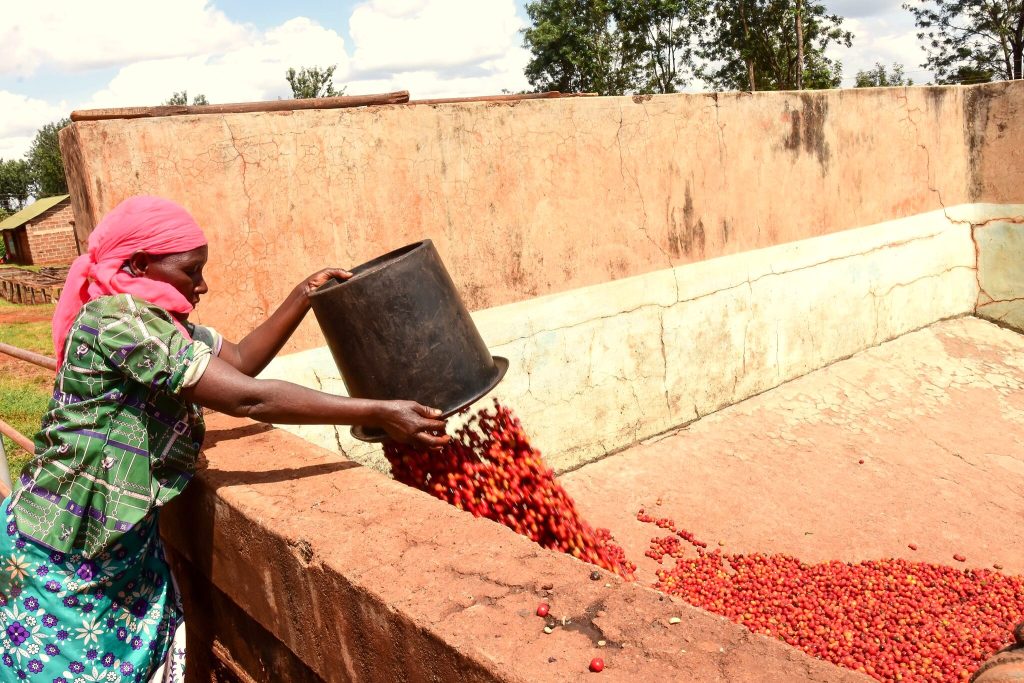
At Bellanie, cherry is hand-sorted for ripeness and depulped each day. After the coffee is fermented, it’s washed clean of residual mucilage and moved to raised screen tables to dry. It is carefully rotated and continually hand-sorted during drying to ensure a clean, consistent result.
Related Coffee

Lemongrass, plum, cherry, floral, graham cracker, cane sugar
Oakland 57 Bags
UGANDA ORGANIC MOUNTAIN HARVEST WOMEN OF MOUNT ELGON
39616 – GrainPro Bags – SPOT RCWHSE
Lemongrass, plum, cherry, floral, graham cracker, cane sugar
Spot
57 Bags
$6.22 per pound

Cup notes available upon arrival
Oakland 3 Bags
Tanzania Ngorongoro Finagro Gaia Estate SL 28 Washed
Lot 158 – 39893 – Agroz Bags – SPOT RCWHSE
Cup notes available upon arrival
Spot
3 Bags
$7.98 per pound

Pomelo, peach, honeydew, vanilla, herbaceous
Oakland 27 Bags
Tanzania Ngorongoro Finagro Estate AA
Lot 175 – 39899 – Agroz Bags – SPOT RCWHSE
Pomelo, peach, honeydew, vanilla, herbaceous
Spot
27 Bags
$5.29 per pound

Raisin, nutmeg, rosewater, dry spice, nutty
Oakland 133 Bags
UGANDA ORGANIC BUGISU
40201 – GrainPro Bags – SPOT RCWHSE
Raisin, nutmeg, rosewater, dry spice, nutty
Spot
133 Bags
$5.06 per pound