
Sumatra Bener Meriah Gayo Aalamin Wet Hull Lychee Co-Ferment
36549 – GrainPro Bags – SPOT RCWHSE
Bags 0
Warehouses Oakland
Please Note This coffee landed more than 8 months ago.
Out of stock


Grower
Central Sumatera Coffee (CSC)

Altitude
1300 - 1400 masl

Variety
Typica

Soil
Volcanic loam

Region
Bener Meriah Regency, Aceh Province, Sumatra, Indonesia

Process
Semi-washed, co-fermented with lychee fruit powder and yeast

Harvest
October - June

Certification
Conventional
This is an estate-grown coffee from Aceh Province, Sumatra’s most famous and prolific for specialty wet-hulled profiles. Unlike almost all other wet hull coffee, however, this microlot uses a unique processing style that includes multiple fermentation additives like yeast and powdered fruit to achieve a totally distinct, heavily flavored coffee with perfume like fragrances and sweet, fresh, lychee fruit.
Coffee is grown all over Aceh and is particularly concentrated in Bener Meriah regency. The vast majority of it is smallholder grown and gradually consolidated through local processors and millers, blending their immediate communities or trading batches of coffee between one another until an exporter buys them up. Central Sumatera Coffee (CSC) is an exception to this. They operate a 100-hectare estate right in Bener Meriah regency, where they can control the genetics, harvesting, and post-harvest techniques to perfection. Coffees like this one, luxuriously creamy, fudgy, floral, and (you guessed it) packed with the clean cool sweetness of ripe lychee, are only possible in the hands of exacting processors like CSC.
Sumatra's Aceh Province
Aceh (pronounced AH-CHEY) is the northernmost province of Sumatra. Its highland territory, surrounding Lake Tawar and the central city of Takengon, is considered to be the epicenter of one of the world’s most unique coffee terroirs.
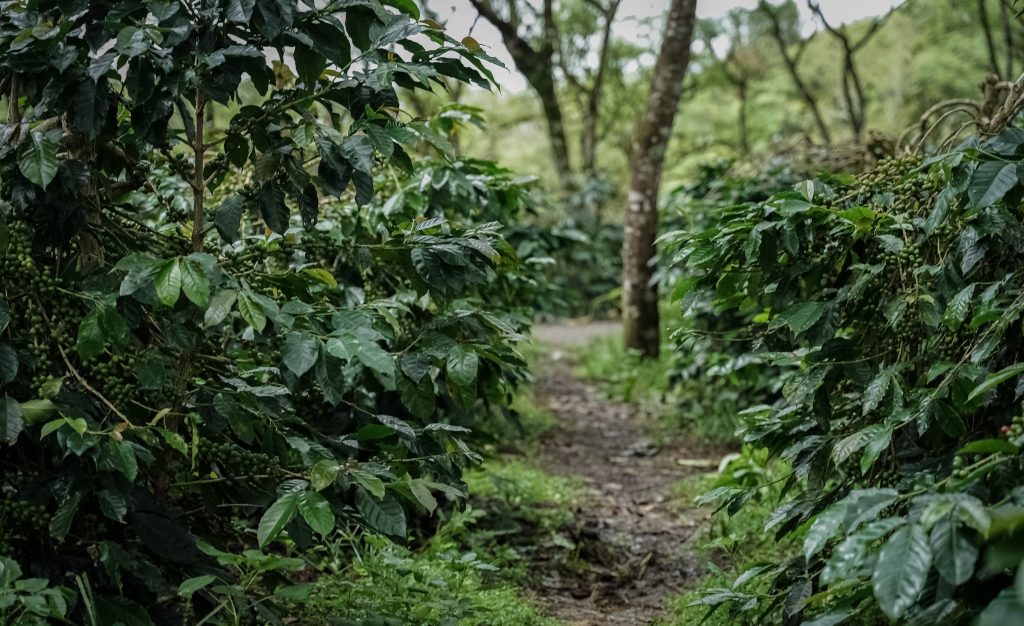
Coffee farms in this area are managed with the experience of many generations of cultivation, while also harmoniously woven into their surrounding tropical forests. The canopies are loud and fields are almost impenetrably thick with coffee plants, fruit trees, and vegetables, all of which are constantly flushing with new growth. Year-round mists and rain showers never cease, farm floors are spongy and deep with layered biomass, and almost every square meter of the region seems to exude life. Nothing is ever still. Including coffee ripening, which occurs ten months out of the year.
Central Sumatera Coffee
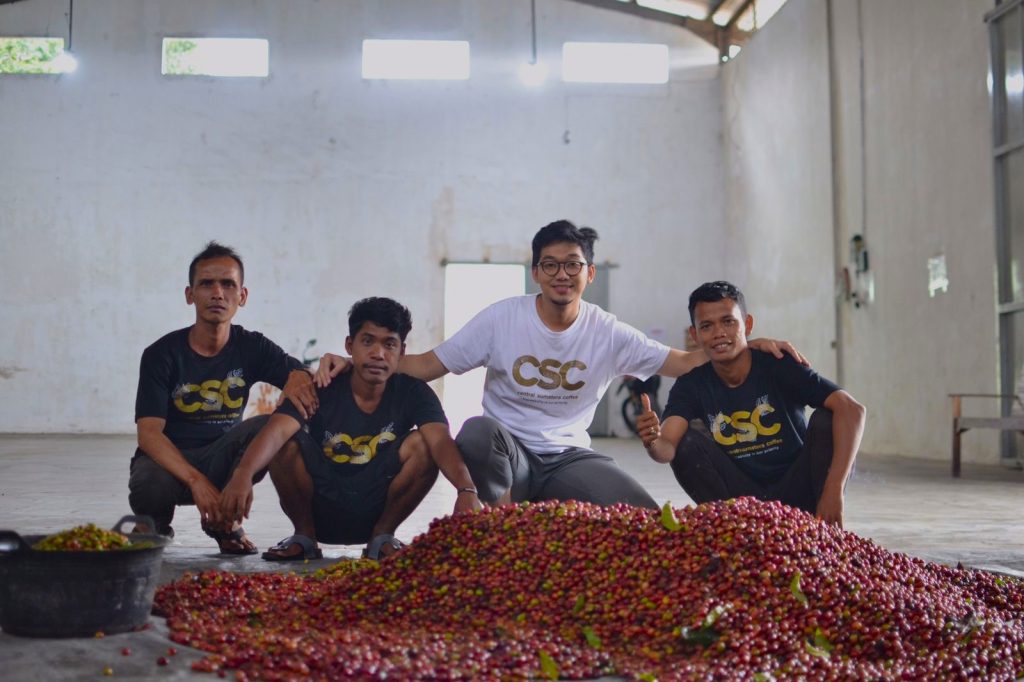
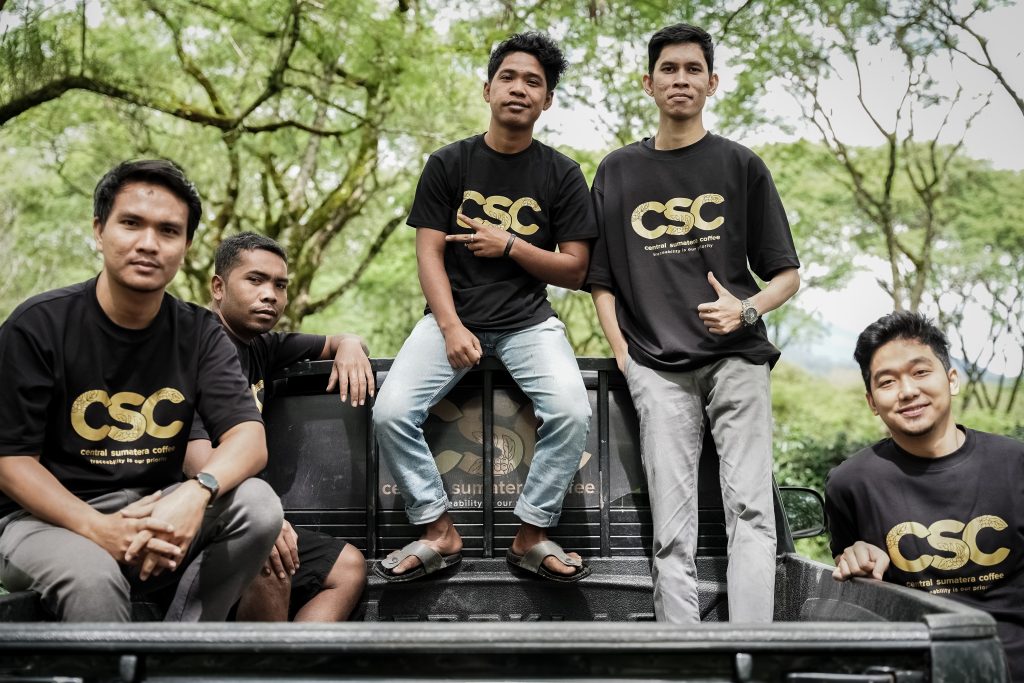
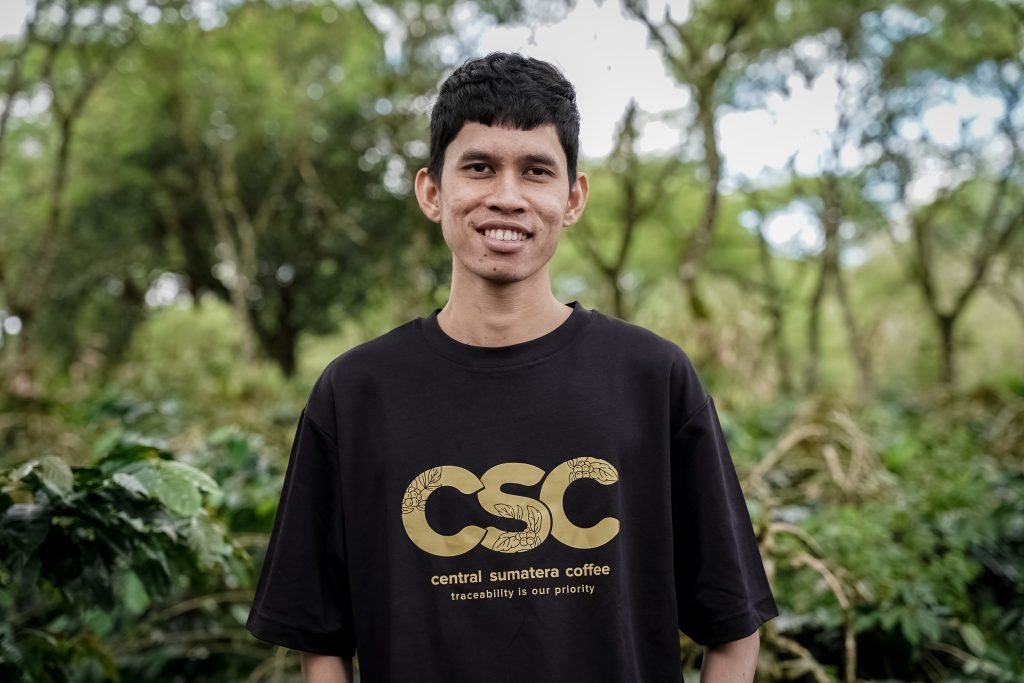
Central Sumatera Coffee (CSC) is a young group, with young leadership. It was originally founded in 2015 by Enzo Sauqi Hutabarat, an urban university student. Aware of the growing demand across greater Indonesia for Sumatra’s best coffees, he gravitated toward Aceh as a culture and potential business environment. Until 2020 CSC only sold coffee domestically, but starting in 2021 they began to export as well, selling bits of coffee to the Middle East, Europe, Asia, and finally, in 2024, the United States, via Royal Coffee, for the first time.
CSC buys coffee from smallholders like a typical processor does. However, CSC also operates 3 large estates of about 100 hectares each: one in Bener Meriah, where this lot was produced; as well as 2 others in North Sumatra province, near Lake Toba, and one in Bali. Their farms are organized varietally, allowing them to maintain unique genetic separations during harvest and processing.
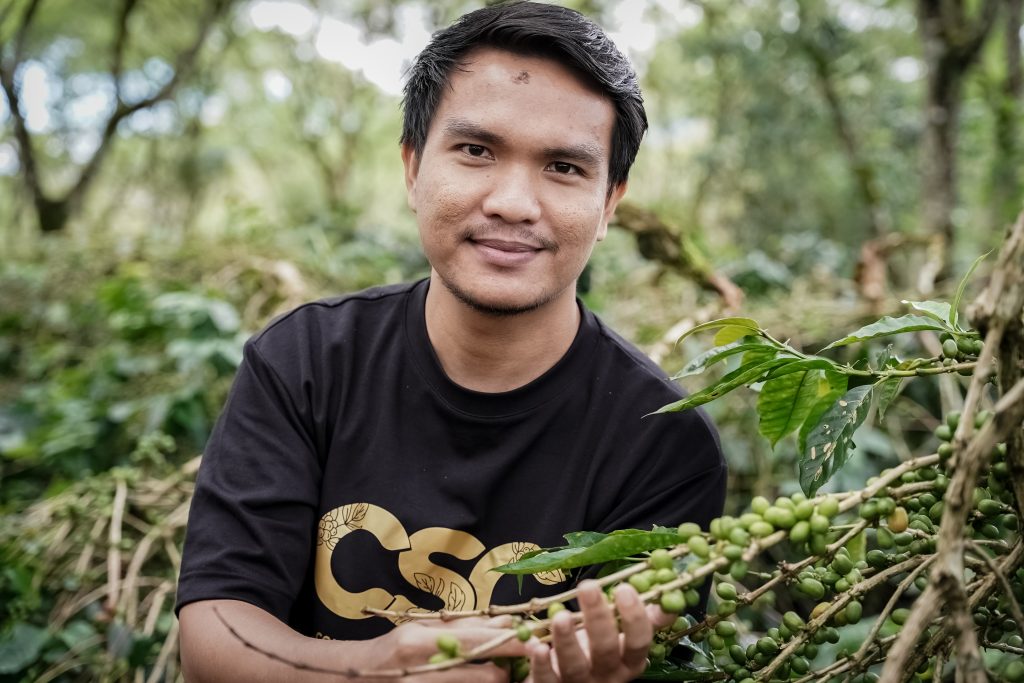
Typical smallholder coffee in Aceh tends to be a blend of cultivars, most of which are catimor hybrids, and this gives much of the area’s coffee a set of common characteristics that can be hard to transcend for a single producer. In CSC’s case, they have the genetic isolation, and the volume from such a large estate, to help them produce something unique. Even with similar processing styles as the collectors and coops around them. This estate in particular is planted with newly planted Abyssinia seedlings (most likely the AB7 or “Rambung” variety), and what’s called Gayo 2 or “Borbor”, a poorly-defined cross between Timor hybrid and Bourbon. These trees are less than 6 years old and are very productive.
“Lychee Process”
CSC manages processing on their own estates. The Bener Meriah estate employs 30 pickers during harvest months, and 6 specialists for processing. Most of their estate coffee is wet-hulled in the traditional fashion, but this microlot received two significant additional steps, blending multiple unique fermentation techniques to augment the final cup, and ultimately processed as a semi-washed.
After picking, the cherry was first held in nylon bags for 16 hours, to allow the fruit to soften and internal sugar content to peak. After this brief cherry “maceration”, the coffee was depulped and moved to fermentation tanks. Into the tanks, CSC added yeast as an inoculating agent, and powdered, dried lychee fruit to co-ferment with the sticky parchment.
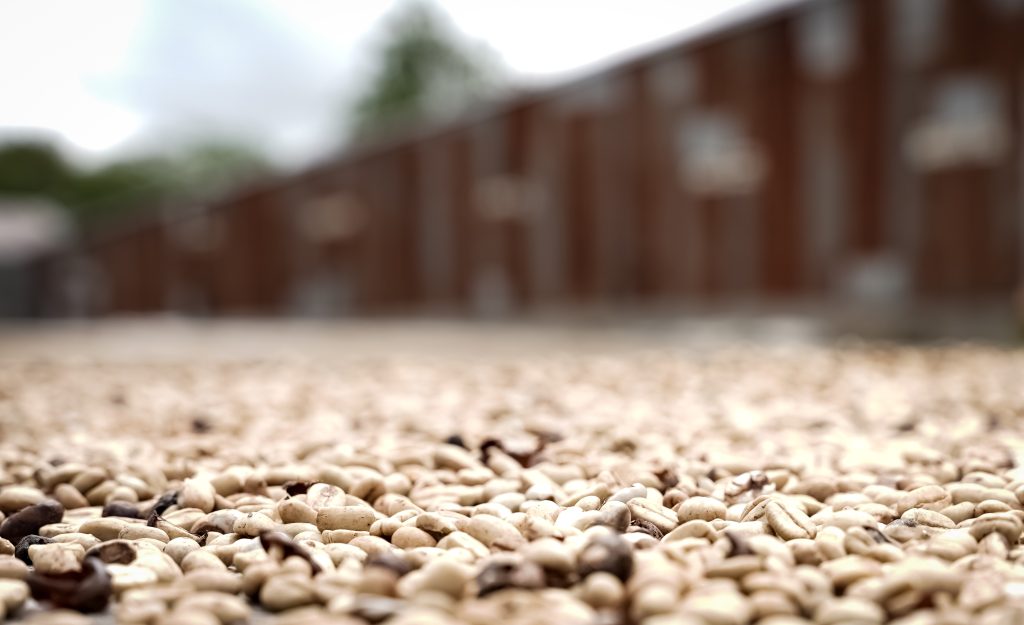
Once the blended fermentation cycle was complete, the coffee was patio-dried until the internal moisture reached 35%, after which the coffee was wet-hulled and the raw beans were further dried until reaching a final 11-12% moisture content. After this the coffee was mechanically milled, hand sorted, and bagged for export.
Related Coffee

Cup notes available upon arrival
Oakland 3 Bags
Tanzania Ngorongoro Finagro Gaia Estate SL 28 Washed
Lot 158 – 39893 – Agroz Bags – SPOT RCWHSE
Cup notes available upon arrival
Spot
3 Bags
$7.98 per pound
Plum, mango, apple juice, honey, hops
Oakland 13 Bags
Uganda Mountain Harvest Kajere Yellow Honey
39909 – GrainPro Bags – SPOT RCWHSE
Plum, mango, apple juice, honey, hops
Spot
13 Bags
$6.97 per pound

Orange zest, grilled pineapple, caramel, graham cracker, dark chocolate
Oakland 39 Bags
Mexico Oaxaca Mixteca Santa Maria Ocotlan
40812 – Ecotact Bags – SPOT RCWHSE
Orange zest, grilled pineapple, caramel, graham cracker, dark chocolate
Spot
39 Bags
$5.37 per pound

Green grape. grapefruit, cantaloupe melon, floral, bright
Oakland 6 Bags
Mexico Oaxaca Pluma San Agustin Loxicha
40815 – Ecotact Bags – SPOT RCWHSE
Green grape. grapefruit, cantaloupe melon, floral, bright
Spot
6 Bags
$5.37 per pound